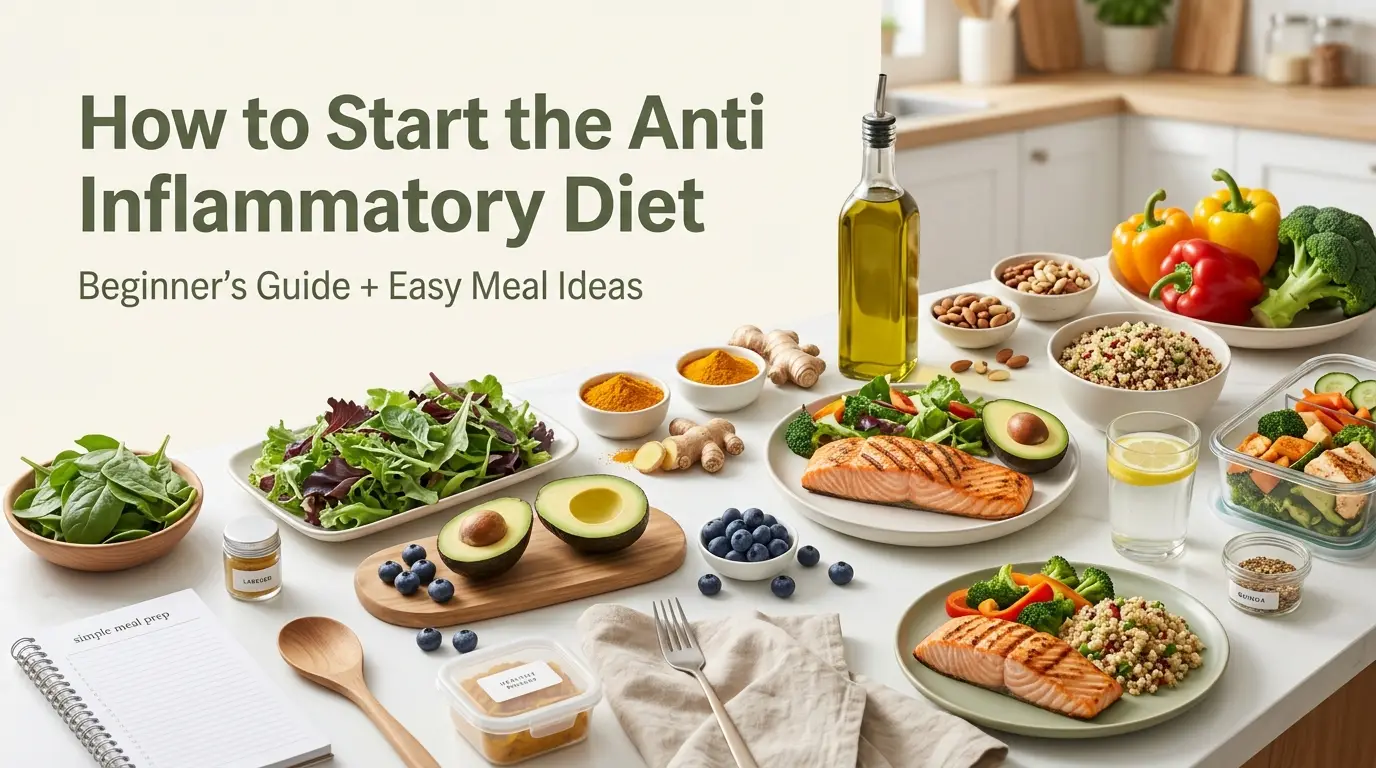
How to Start the Anti Inflammatory Diet (Beginner’s Guide + Meal Ideas)
Chronic inflammation is at the root of many modern health problems from joint pain and digestive issues to heart disease, diabetes, and even skin conditions. While medications may help in some cases, the most powerful way to calm inflammation starts with what you put on your plate.
That’s where the anti-inflammatory diet comes in. Unlike restrictive fad diets, this lifestyle focuses on eating whole, nutrient-dense foods that reduce inflammation, support gut health, and improve overall wellness.
This beginner’s guide will walk you through the basics: what the anti-inflammatory diet is, the foods to eat (and avoid), how to get started, and simple meal ideas to kick off your journey.
What Is the Anti-Inflammatory Diet?
The anti-inflammatory diet isn’t a rigid set of rules, it’s a flexible approach to clean eating that focuses on foods proven to lower inflammation in the body.
Core Principles:
- Fill your plate with plants (leafy greens, cruciferous vegetables, colorful fruits).
- Choose omega-3-rich proteins (salmon, walnuts, chia seeds, flaxseeds).
- Use healing spices daily (turmeric, ginger, garlic, cinnamon).
- Focus on whole grains (quinoa, brown rice, oats).
- Limit refined and processed foods that trigger inflammation.
Foods to Avoid on the Anti-Inflammatory Diet
Certain foods are linked to higher inflammation markers and should be minimized:
- Refined carbs: white bread, pastries, sugary cereals
- Processed meats: bacon, sausage, deli meats
- Refined vegetable oils: corn, soybean, sunflower in excess
- Fried & fast foods
- Soda & sugary drinks
- Excessive alcohol
Foods to Eat on the Anti-Inflammatory Diet
At its core, the anti-inflammatory diet is about crowding out processed, inflammatory foods with whole, nutrient-dense options that help calm the body, balance hormones, and support gut health. Here are the top food groups to focus on:
Leafy Greens
Examples: spinach, kale, arugula
- Packed with vitamin K, magnesium, and antioxidants that lower inflammation.
- Leafy greens also support detoxification and improve gut health.
How to use: Add a handful of spinach to smoothies, toss kale into grain bowls, or make arugula the base of lunch salads.
Cruciferous Vegetables
Examples: broccoli, cauliflower, Brussels sprouts
- Rich in sulforaphane, a compound that supports detox pathways and reduces oxidative stress.
- High in fiber for better digestion and blood sugar control.
How to use: Roast Brussels sprouts with garlic, blend cauliflower into soups, or steam broccoli as a quick side.
Fruits
Examples: berries, citrus fruits, cherries, apples, pineapple
- Berries and cherries are loaded with anthocyanins and polyphenols that fight inflammation.
- Citrus fruits provide vitamin C, while apples and pineapple contain compounds that aid digestion.
How to use: Snack on berries, squeeze lemon over fish, or add pineapple chunks to a smoothie.
Proteins
Examples: salmon, chicken, shrimp, lentils, chickpeas, tofu
- Salmon and shrimp provide omega-3 fatty acids for joint and brain health.
- Lentils and chickpeas supply plant-based protein and prebiotic fiber.
- Lean chicken and tofu are versatile sources of clean protein.
How to use: Make salmon bowls, chickpea curries, or chicken stir-fries with plenty of vegetables.
Whole Grains
Examples: quinoa, gluten-free oats, brown rice
- Whole grains stabilize blood sugar and provide long-lasting energy.
- Quinoa is a complete plant protein, while oats (when GF certified) support gut health with beta-glucan fiber.
How to use: Prep overnight oats for breakfast, quinoa bowls for lunch, or brown rice as a dinner base.
Healthy Fats
Examples: olive oil, avocado, walnuts, chia seeds, flax seeds
- These fats reduce inflammation, balance hormones, and improve brain function.
- Omega-3s from walnuts, chia, and flax support heart health.
How to use: Drizzle olive oil on salads, mash avocado on gluten-free toast, or add chia seeds to smoothies.
Spices & Herbs
Examples: turmeric, ginger, garlic, rosemary, cinnamon
- These natural seasonings act like medicine, reducing inflammatory markers and boosting immunity.
- They also make meals flavorful without processed sauces.
How to use: Add turmeric to oatmeal, ginger to smoothies, garlic to stir-fries, and cinnamon to chia pudding.
Probiotics
Examples: Greek yogurt, miso, sauerkraut, kimchi
- Probiotics restore gut balance, which is key for reducing inflammation.
- Fermented foods also improve digestion and nutrient absorption.
How to use: Add Greek yogurt to breakfast bowls, stir miso into soups, or serve sauerkraut and kimchi as sides.
How to Start the Anti-Inflammatory Diet (Step by Step)
Starting an anti-inflammatory diet doesn’t need to feel overwhelming. By making small, consistent changes, you can gradually shift toward a way of eating that supports healing, energy, and long-term health. Here’s a simple step-by-step approach:
1. Start Simple
Don’t feel pressured to throw out everything in your pantry or commit to a complete lifestyle change overnight. Instead, begin with one meal a day, maybe swap your usual breakfast for overnight oats with chia seeds and berries, or trade a processed lunch for a chickpea salad bowl.
Action Tip: Choose one anti-inflammatory swap per day (e.g., replace white bread with quinoa, or sugary cereal with Greek yogurt and fruit).
2. Build Balanced Plates
The easiest way to think about meals is with the ½-¼-¼ formula:
- ½ your plate: non-starchy veggies (spinach, kale, broccoli, zucchini, peppers)
- ¼ your plate: lean protein (salmon, chicken, lentils, or tofu)
- ¼ your plate: whole grains (quinoa, brown rice, or certified GF oats)
- Finish with a drizzle of healthy fats like olive oil or a sprinkle of walnuts.
Action Tip: Use this formula for breakfast bowls, lunch salads, and dinner plates to stay balanced without counting calories.
3. Add Spices Daily
Spices are some of the most powerful anti-inflammatory foods, and they’re easy to sneak into any meal. Turmeric, cinnamon, ginger, and garlic all help calm inflammation, improve digestion, and enhance flavor naturally.
Action Tip: Stir turmeric into oatmeal, sprinkle cinnamon on fruit, blend ginger into smoothies, or sauté veggies with garlic.
4. Prep Ahead
Meal prep makes it easier to stay consistent. Spend an hour or two on Sundays (or your day off) preparing staples like:
- Grains: quinoa, brown rice
- Proteins: grilled chicken, salmon, or lentils
- Veggies: roasted sweet potatoes, steamed broccoli
These building blocks can be mixed and matched into quick bowls or wraps throughout the week.
Action Tip: Store prepped foods in glass containers for freshness and easy grab-and-go meals.
5. Listen to Your Body
The best part of the anti-inflammatory diet is that it’s personalized. Pay attention to how different foods affect you for example:
- Feeling bloated after dairy? Try swapping for coconut or almond-based alternatives.
- Notice fatigue after heavy refined carbs? Choose quinoa or sweet potatoes instead.
- Feel steady energy after a balanced meal? That’s your body telling you you’re on the right track.
Action Tip: Keep a simple food journal to note what meals make you feel energized versus sluggish.
Beginner-Friendly Anti-Inflammatory Meal Ideas
Starting the anti-inflammatory diet doesn’t mean complicated recipes, it’s about simple, nourishing meals built from whole foods. Here are a few easy breakfast ideas to get you started:
1. Blueberry Chia Overnight Oats
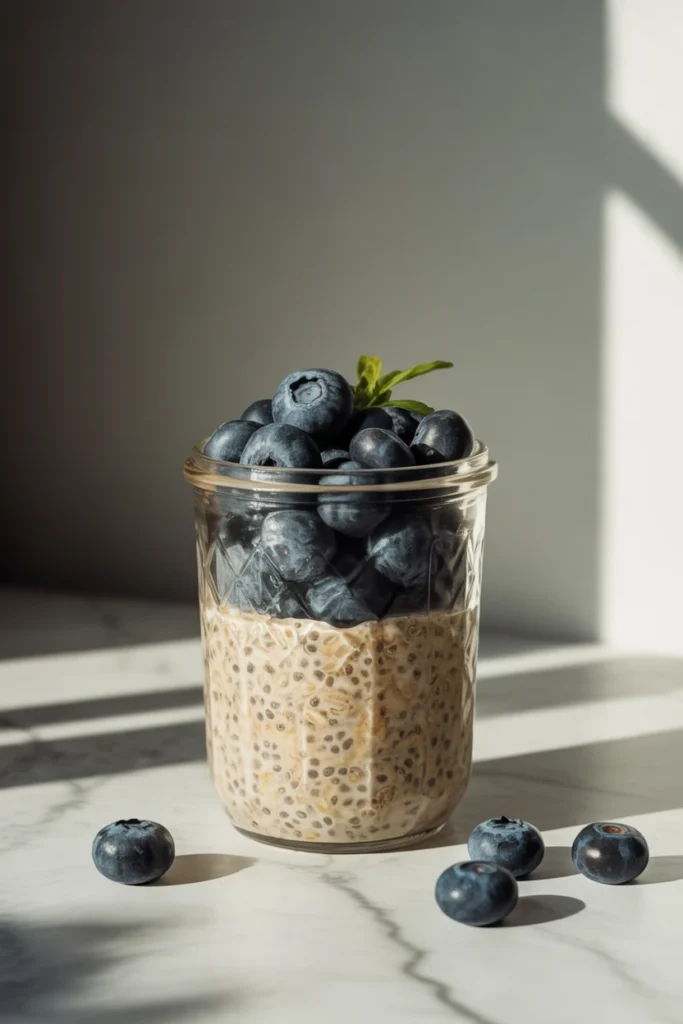
Why it works: Gluten-free oats and chia seeds provide fiber and omega-3s, while blueberries deliver anthocyanins to fight inflammation.
Ingredients (serves 1):
- ½ cup certified gluten-free oats
- 1 tbsp chia seeds
- ¾ cup almond milk
- ½ cup blueberries
- ½ tsp cinnamon
Instructions:
- Mix oats, chia seeds, almond milk, and cinnamon in a jar.
- Refrigerate overnight.
- Top with blueberries in the morning.
2. Greek Yogurt with Berries & Walnuts
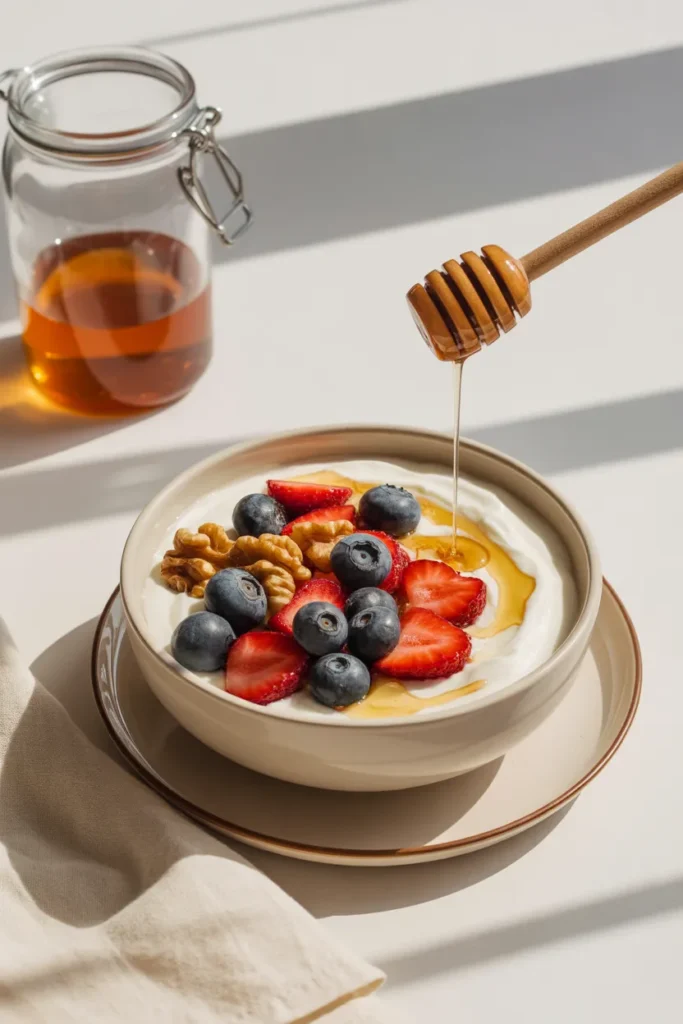
Why it works: Probiotic-rich Greek yogurt supports gut health, berries add antioxidants, and walnuts supply omega-3s for brain health.
Ingredients (serves 1):
- 1 cup plain Greek yogurt
- ½ cup mixed berries
- 2 tbsp walnuts, chopped
Instructions:
- Scoop yogurt into a bowl or jar.
- Top with berries and walnuts.
- Eat immediately or prep in jars for the week.
3. Turmeric Golden Smoothie
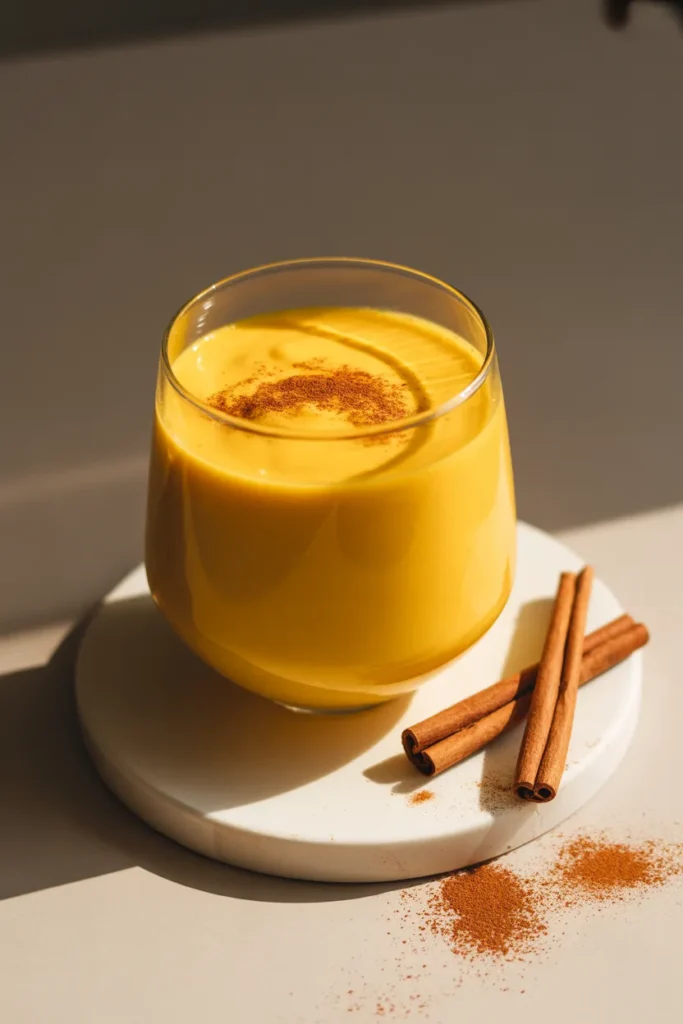
Why it works: Turmeric and black pepper team up to reduce inflammation, while banana and spinach provide fiber, potassium, and antioxidants.
Ingredients (serves 1):
- 1 banana
- 1 cup spinach
- 1 tsp ground turmeric
- Pinch of black pepper
- 1 cup almond milk
Instructions:
- Blend all ingredients until smooth.
- Serve chilled for a refreshing start to your day.
4. Avocado Spinach Protein Smoothie
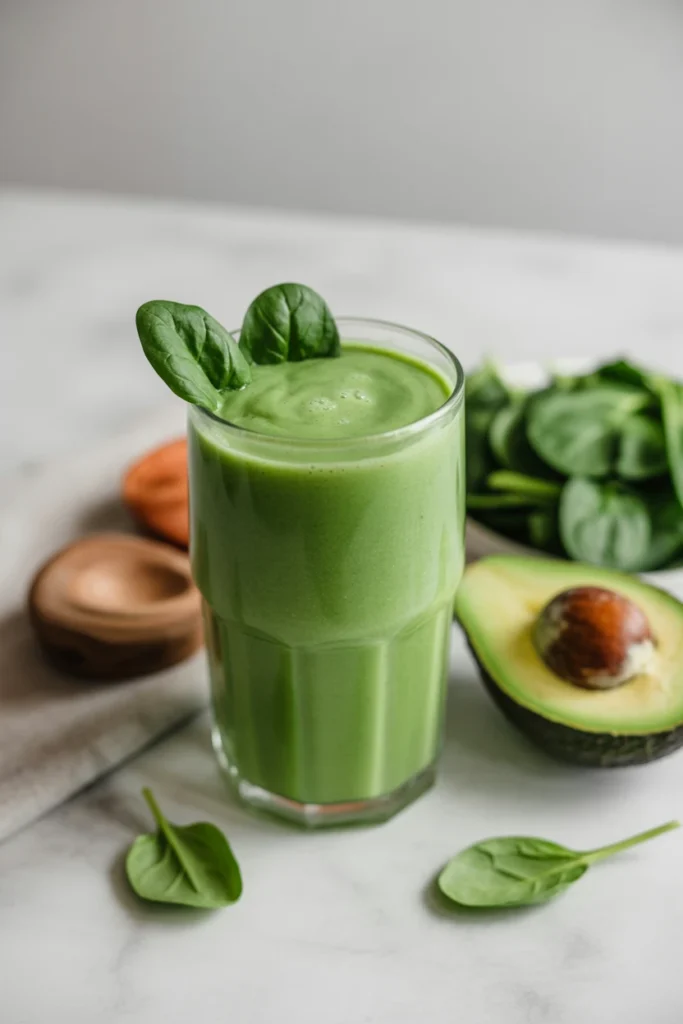
Why it works: Avocado provides healthy fats for hormone balance, while spinach and protein powder give fiber and muscle support.
Ingredients (serves 1):
- ½ avocado
- 1 cup spinach
- 1 scoop protein powder (gluten-free)
- 1 cup almond milk
- 1 tsp chia seeds (optional)
Instructions:
- Add all ingredients to a blender.
- Blend until creamy and smooth.
- Serve immediately.
5. Pumpkin Pie Overnight Oats
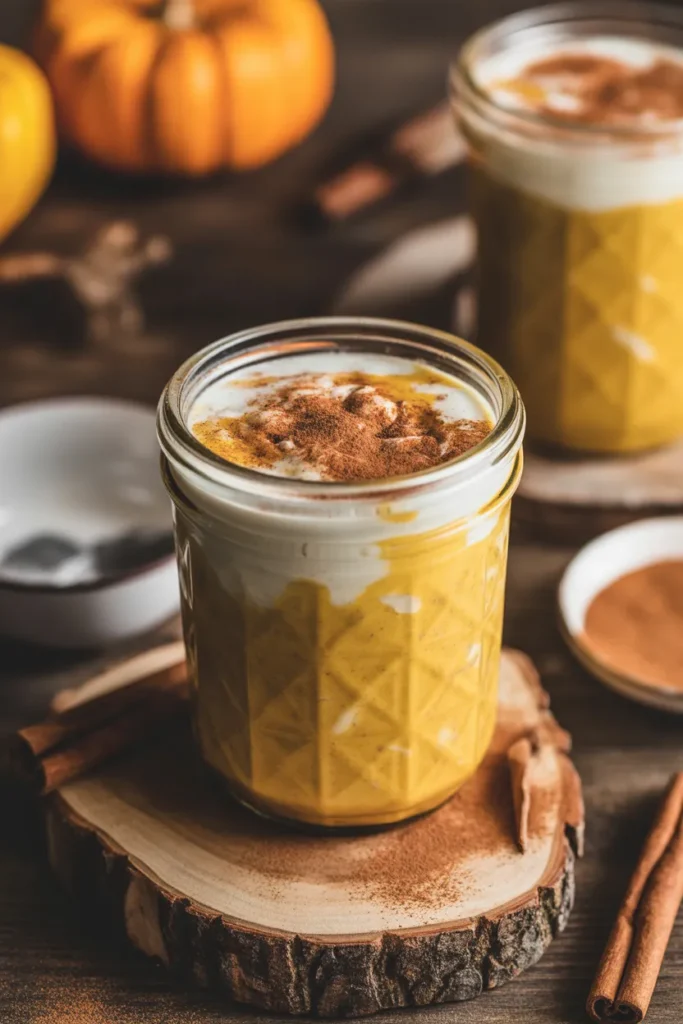
Why it works: Pumpkin is rich in beta-carotene and fiber, while cinnamon and nutmeg add warming, anti-inflammatory benefits.
Ingredients (serves 1):
- ½ cup gluten-free oats
- ½ cup pumpkin puree
- ¾ cup almond milk
- ½ tsp cinnamon
- ¼ tsp nutmeg
Instructions:
- Combine oats, pumpkin puree, almond milk, cinnamon, and nutmeg in a jar.
- Refrigerate overnight.
- Stir and enjoy the cold or warmed up.
Beginner-Friendly Anti-Inflammatory Lunch Ideas
Midday meals on the anti-inflammatory diet should be energizing yet light, built around fiber-rich plants, lean proteins, and healthy fats. These beginner-friendly lunch recipes are easy to prep ahead and perfect for busy days.
1. Mediterranean Chickpea Salad
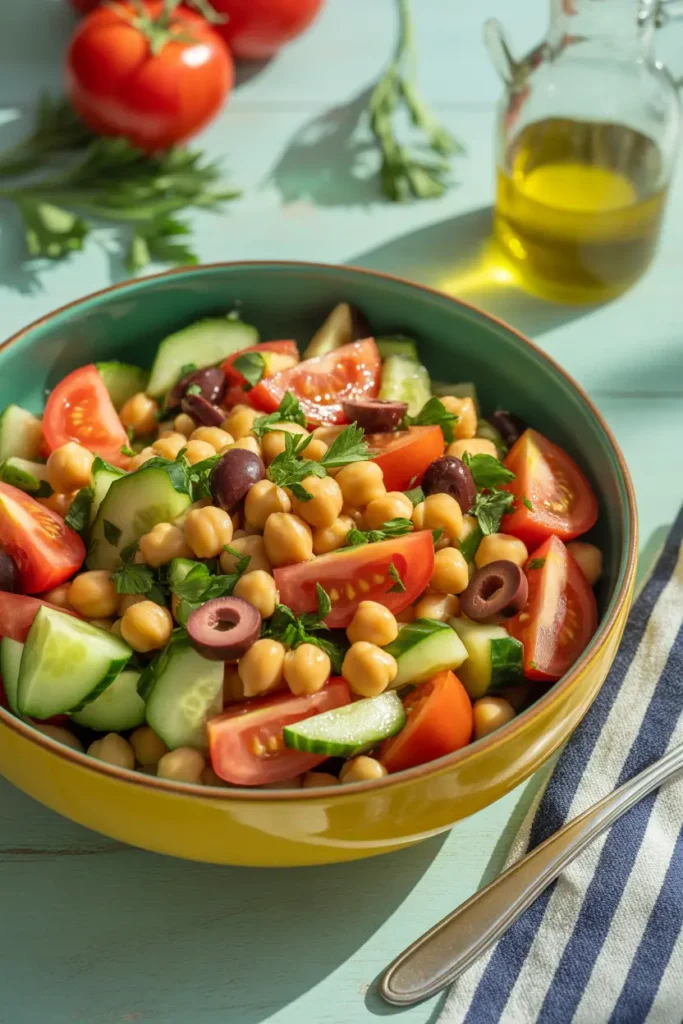
Why it works: Chickpeas add plant protein and fiber, while olive oil and parsley provide anti-inflammatory phytonutrients.
Ingredients (serves 2):
- 1 can (15 oz) chickpeas, rinsed & drained
- 1 cucumber, diced
- 1 cup cherry tomatoes, halved
- ¼ cup parsley, chopped
- 2 tbsp olive oil
- Juice of 1 lemon
- Salt & pepper to taste
Instructions:
- Combine chickpeas, cucumber, tomatoes, and parsley in a bowl.
- Whisk olive oil, lemon juice, salt, and pepper into a dressing.
- Toss everything together and chill before serving.
2. Quinoa & Roasted Veggie Bowl
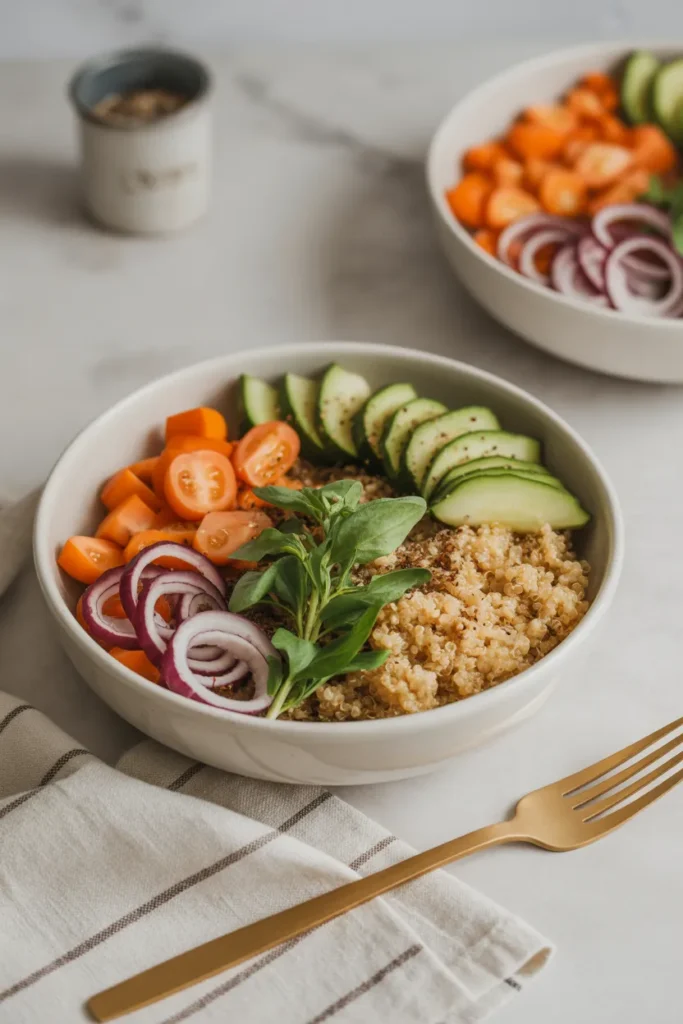
Why it works: Quinoa is a gluten-free complete protein, while roasted kale, carrots, and zucchini provide antioxidants and fiber.
Ingredients (serves 2):
- 1 cup quinoa, rinsed
- 1 cup kale, chopped
- 1 carrot, sliced
- 1 zucchini, diced
- 1 tbsp olive oil
- 2 tbsp tahini
- Juice of ½ lemon
Instructions:
- Cook quinoa in 2 cups of water until fluffy.
- Toss kale, carrots, and zucchini with olive oil, roast at 400°F (200°C) for 20–25 minutes.
- Whisk tahini and lemon juice with a splash of water to make dressing.
- Assemble bowls with quinoa, veggies, and drizzle with tahini dressing.
3. Black Bean & Corn Fiesta Salad
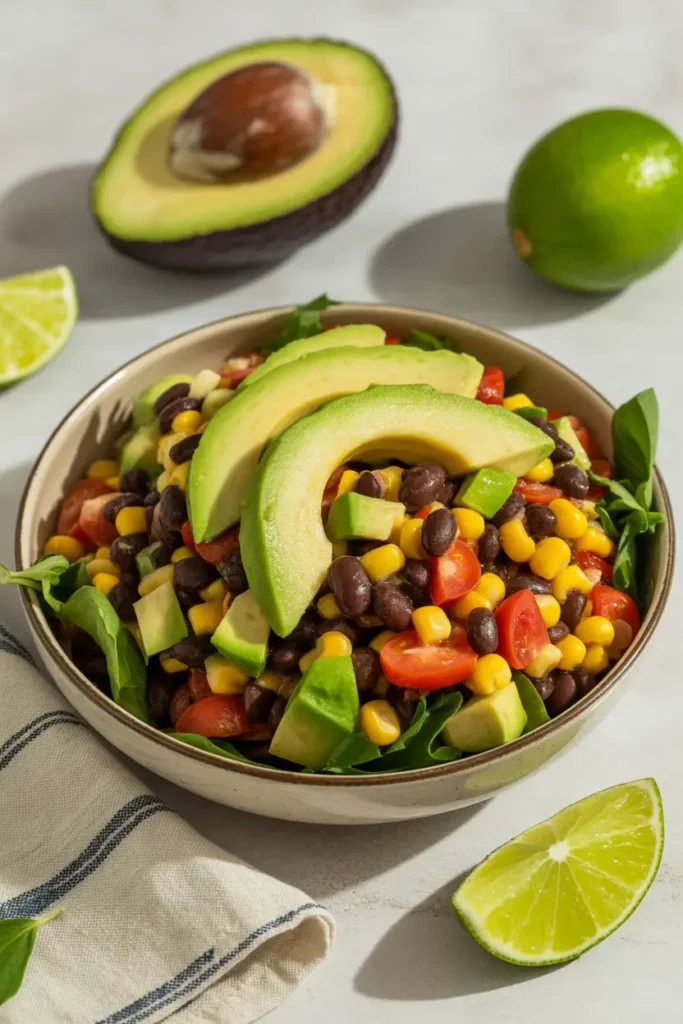
Why it works: Black beans add prebiotic fiber for gut health, while avocado and lime juice provide healthy fats and vitamin C.
Ingredients (serves 2–3):
- 1 can (15 oz) black beans, rinsed & drained
- 1 cup corn (fresh or frozen, thawed)
- 1 avocado, diced
- Juice of 1 lime
- ¼ cup cilantro, chopped
- Salt & pepper to taste
Instructions:
- Mix black beans, corn, avocado, and cilantro in a bowl.
- Add lime juice, salt, and pepper.
- Toss gently and serve fresh.
4. Lentil & Spinach Soup
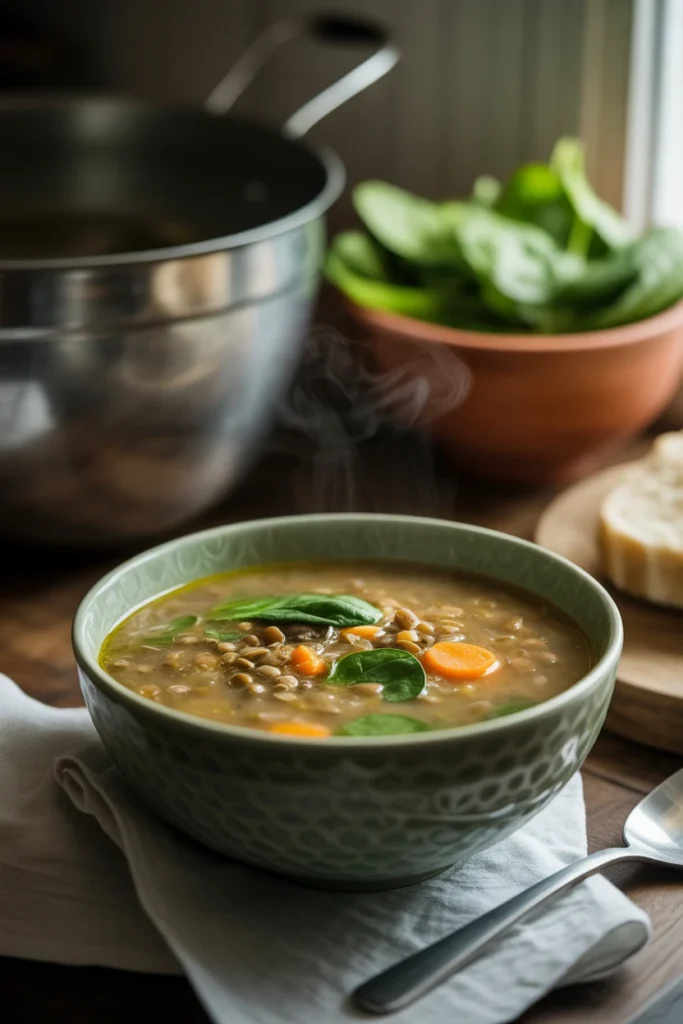
Why it works: Lentils provide protein and steady energy, while spinach, garlic, and turmeric boost antioxidants and immune support.
Ingredients (serves 4):
- 1 cup lentils, rinsed
- 1 onion, diced
- 2 carrots, chopped
- 2 garlic cloves, minced
- 1 tsp turmeric
- 4 cups vegetable broth
- 2 cups spinach
- 1 tbsp olive oil
- Salt & pepper to taste
Instructions:
- Heat olive oil in a pot, sauté onion, garlic, and carrots.
- Add lentils, turmeric, and broth. Bring to a boil, then simmer for 25 minutes.
- Stir in spinach before serving.
5. Edamame Brown Rice Bowl
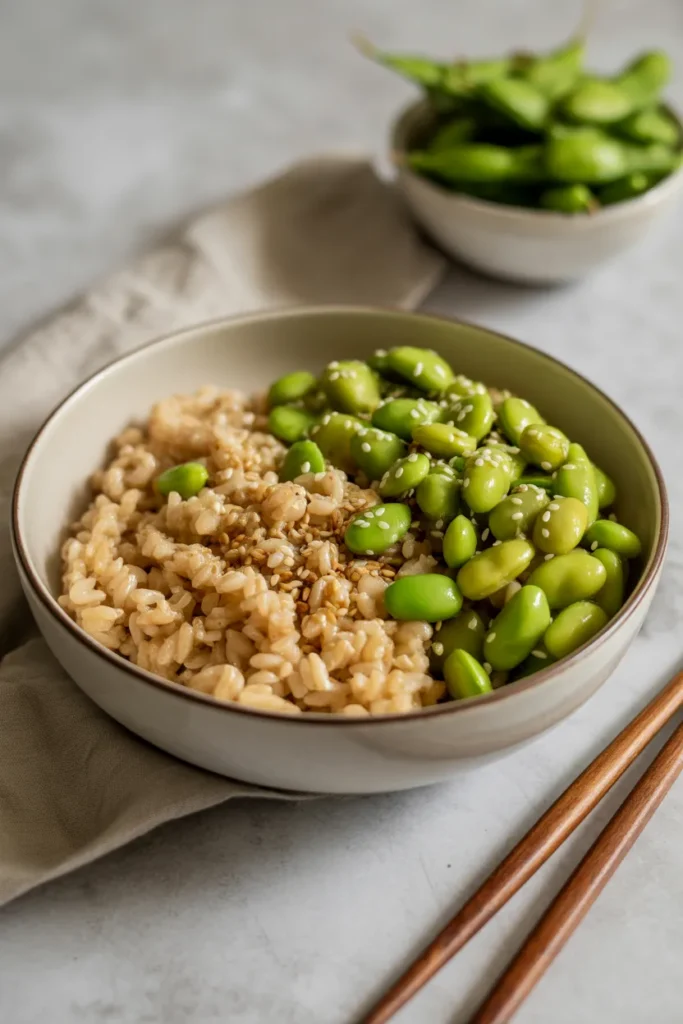
Why it works: Edamame provides plant-based protein, while brown rice offers complex carbs for steady energy. Cabbage and sesame-ginger dressing add crunch and gut-healing compounds.
Ingredients (serves 2):
- 1 cup cooked brown rice
- 1 cup shelled edamame (steamed)
- 1 cup shredded cabbage
- 1 carrot, shredded
- 2 green onions, chopped
Dressing:
- 2 tbsp tamari (gluten-free soy sauce)
- 1 tsp sesame oil
- 1 tsp grated ginger
- 1 tsp rice vinegar
Instructions:
- Divide rice, edamame, cabbage, carrot, and green onions into bowls.
- Whisk dressing ingredients together.
- Drizzle over bowls before serving.
Beginner-Friendly Anti-Inflammatory Dinner Ideas
Dinner is where anti-inflammatory eating really shines hearty, nutrient-rich meals that leave you satisfied but not sluggish. These beginner-friendly options balance lean proteins, vegetables, and healing spices for the perfect evening plate.
1. Turmeric Garlic Salmon with Brussels Sprouts
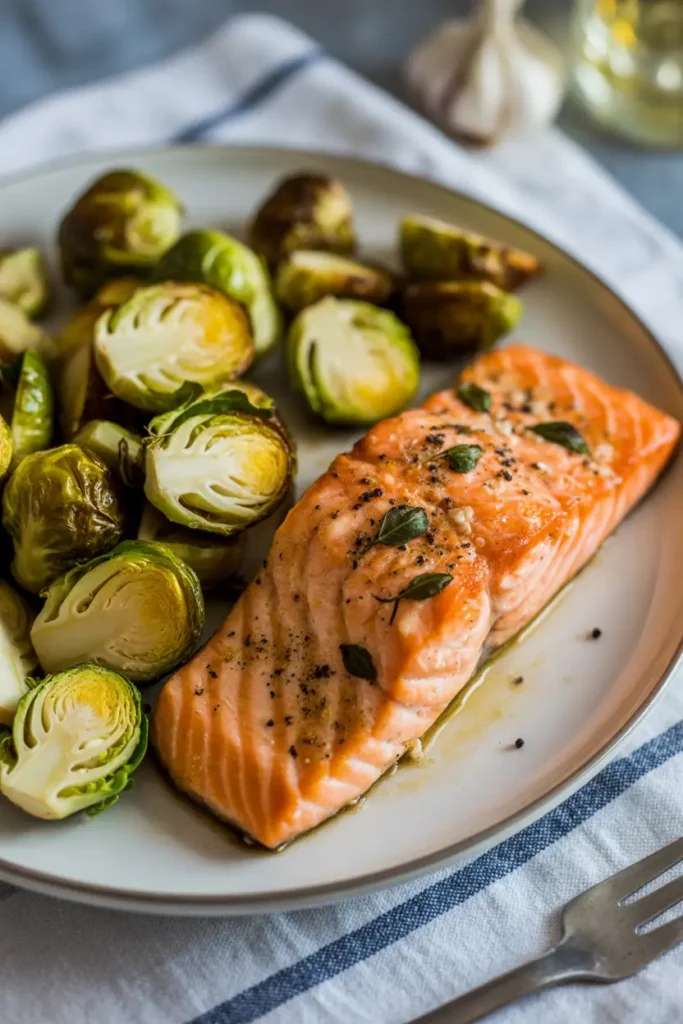
Why it works: Salmon delivers inflammation-fighting omega-3s, while turmeric and garlic provide curcumin and allicin, compounds that calm inflammation and support immunity.
Ingredients (serves 2):
- 2 salmon fillets
- 2 cups Brussels sprouts, halved
- 2 garlic cloves, minced
- 1 tsp turmeric
- 1 tbsp olive oil
- Salt & pepper to taste
Instructions:
- Preheat the oven to 400°F (200°C).
- Toss Brussels sprouts with olive oil, turmeric, garlic, salt, and pepper. Spread on a sheet pan.
- Roast for 20 minutes. Add salmon fillets on top and roast for another 12–15 minutes.
- Serve warm.
2. Coconut Curry Chicken with Spinach
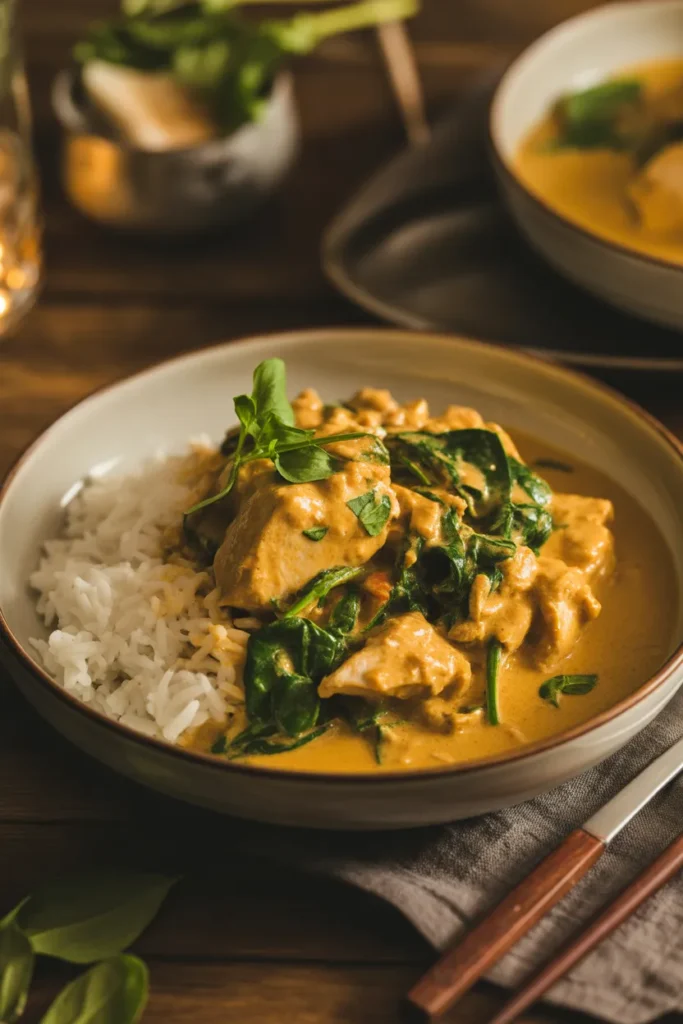
Why it works: Lean chicken breast provides protein, while curry spices (turmeric, cumin, coriander) and coconut milk reduce inflammation and soothe digestion.
Ingredients (serves 3–4):
- 2 chicken breasts, cubed
- 1 onion, diced
- 1 garlic clove, minced
- 1 tbsp grated ginger
- 1 tsp turmeric
- 1 tsp curry powder
- 1 can (14 oz) coconut milk
- 2 cups spinach
- Salt & pepper to taste
Instructions:
- Sauté onion, garlic, and ginger in a skillet.
- Add chicken and spices, cooking until browned.
- Pour in coconut milk and simmer for 12–15 minutes.
- Stir in spinach before serving.
3. Moroccan Lentil Stew
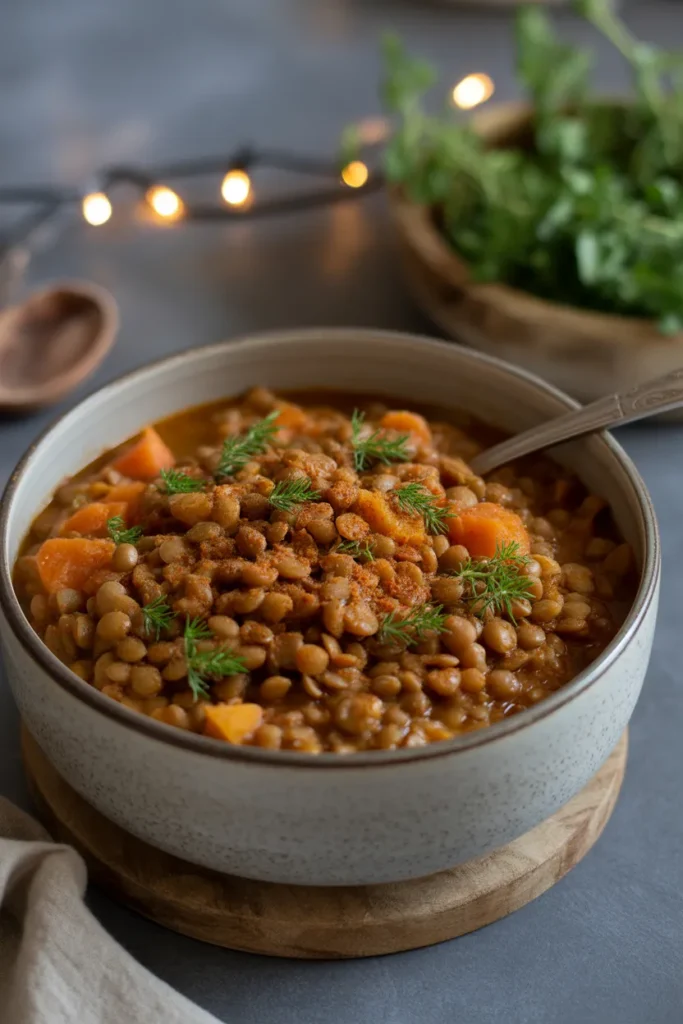
Why it works: Lentils provide plant-based protein and fiber, while spices like cumin, cinnamon, and coriander add anti-inflammatory benefits and rich flavor.
Ingredients (serves 4):
- 1 cup lentils, rinsed
- 2 carrots, chopped
- 1 onion, diced
- 2 garlic cloves, minced
- 1 tsp cumin
- ½ tsp cinnamon
- ½ tsp coriander
- 1 can (15 oz) diced tomatoes
- 4 cups vegetable broth
- 1 tbsp olive oil
Instructions:
- Heat olive oil in a pot, sauté onion, garlic, and carrots.
- Stir in spices, lentils, tomatoes, and broth.
- Simmer for 25–30 minutes until the lentils are tender.
- Serve with quinoa or brown rice.
4. Rosemary Garlic Roast Chicken with Veggies
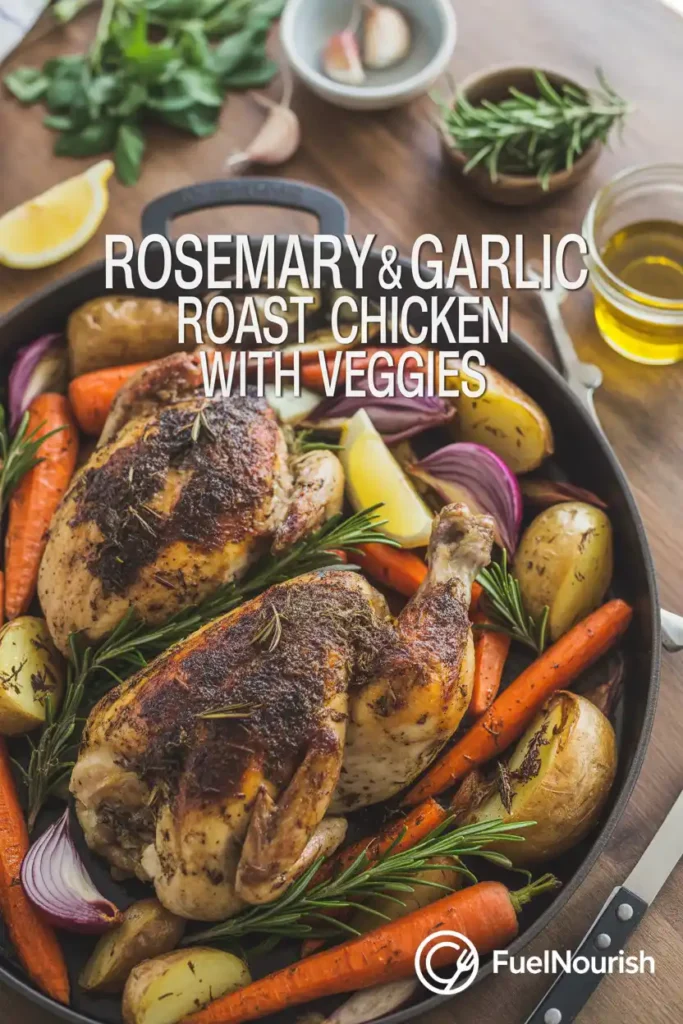
Why it works: Garlic and rosemary reduce inflammation, while carrots and Brussels sprouts provide fiber, vitamin C, and antioxidants.
Ingredients (serves 4):
- 4 chicken thighs
- 2 carrots, sliced
- 2 cups Brussels sprouts, halved
- 3 garlic cloves, minced
- 1 tbsp rosemary
- 1 tbsp olive oil
- Salt & pepper to taste
Instructions:
- Preheat the oven to 400°F (200°C).
- Toss chicken and veggies with olive oil, garlic, rosemary, salt, and pepper.
- Place in a roasting pan and cook for 35–40 minutes, until chicken is golden and veggies tender.
5. Zucchini Noodle Avocado Pesto with Chicken
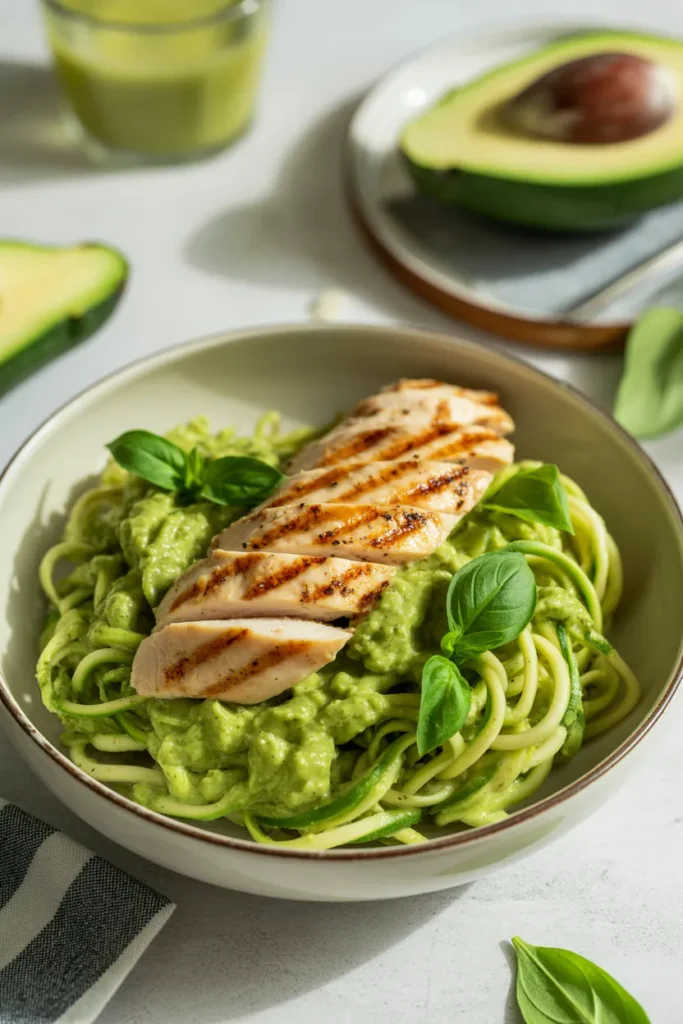
Why it works: Zoodles replace refined pasta, while avocado pesto delivers healthy fats and antioxidants. Chicken adds lean protein, making this light but satisfying.
Ingredients (serves 2):
- 2 zucchinis, spiralized
- 1 avocado
- 1 cup fresh basil
- 2 tbsp walnuts or pine nuts
- Juice of 1 lemon
- 1 garlic clove
- 2 chicken breasts, grilled & sliced
- 1 tbsp olive oil
- Salt & pepper to taste
Instructions:
- Blend avocado, basil, nuts, lemon juice, garlic, olive oil, salt, and pepper into a creamy pesto.
- Lightly sauté zucchini noodles for 2–3 minutes.
- Toss zoodles with pesto and top with sliced grilled chicken.
Beginner’s Grocery Staples
Proteins
- Salmon
- Chicken breasts/thighs
- Eggs
- Lentils & chickpeas
- Edamame
- Greek yogurt
Vegetables & Greens
- Spinach
- Kale
- Brussels sprouts
- Broccoli
- Zucchini
- Sweet potatoes
Fruits
- Blueberries
- Apples
- Bananas
- Lemons & limes
- Pumpkin puree
Grains & Seeds
- Quinoa
- Brown rice
- GF oats
- Chia seeds
- Flaxseeds
Healthy Fats & Pantry
- Olive oil
- Avocado
- Walnuts
- Almond butter
- Tahini
- Coconut milk
- Spices: turmeric, ginger, garlic, cinnamon, cumin, rosemary
Pro Tips for Beginners
Starting the anti-inflammatory diet can feel overwhelming at first, but with a few smart strategies, it quickly becomes second nature. Here are some simple tips to make the transition easier and more sustainable:
Batch Cook Staples
Cooking once and reusing ingredients saves time and ensures you always have healthy options on hand.
- Make a pot of quinoa, lentils, or brown rice at the start of the week.
- Grill or bake several chicken breasts and store them for quick bowls or wraps.
- Roast a tray of sweet potatoes or broccoli to use in multiple meals.
Action Step: Dedicate one day (like Sunday) to prepping 2–3 basics you can mix and match.
Use Sheet Pans & Crockpots
Lazy nights happen and that’s okay. Instead of reaching for takeout, use low-effort cooking tools:
- Sheet pan dinners: Roast salmon and veggies all at once.
- Crockpot meals: Toss ingredients in the morning, enjoy a ready dinner at night.
Action Step: Keep 1–2 “dump-and-go” crockpot recipes bookmarked for your busiest weeks.
Stock Up on Spices
Spices aren’t just for flavor they’re powerful anti-inflammatory tools.
- Turmeric + black pepper: reduce systemic inflammation.
- Cinnamon: stabilizes blood sugar.
- Ginger & garlic: support gut and immune health.
Action Step: Build a spice rack with at least 5 core anti-inflammatory spices and use them daily.
Snack Clean
Snacking doesn’t have to derail progress. Choose simple, whole-food snacks that fight inflammation:
- Chia pudding with berries
- A handful of walnuts or almonds
- Hummus with sliced cucumbers or carrots
Action Step: Pre-portion snacks into jars or containers so they’re ready to grab.
Stay Consistent (Not Perfect)
The anti-inflammatory diet isn’t about restriction, it’s about consistency. Progress comes from daily habits, not perfection. One indulgent meal won’t undo your work, but a week of small, steady changes will build long-term results.
Action Step: Focus on adding more healing foods instead of stressing about “cutting out everything.”
These pro tips make the anti-inflammatory diet easier, more enjoyable, and realistic for beginners helping you stick with it for the long run.
Final Thoughts
Starting the anti-inflammatory diet doesn’t have to be overwhelming. By focusing on whole foods, omega-3 fats, colorful produce, and healing spices, you’ll build meals that reduce inflammation, boost energy, and support long-term wellness.
Related: Anti Inflammatory Dinners for Lazy Nights that make it easy to stay consistent with simple, nourishing evening meals.