21 Day Fix Higher Calorie Plan (Eat More & Still Lose Weight)
1. Introduction
It sounds almost too good to be true:
Can you actually eat more and still make progress on the 21 Day Fix?
For many beginners, this idea feels confusing. You’ve probably heard that eating less is the key to results so naturally, eating more seems like the opposite of what you should do.
But here’s where things get misunderstood.
The 21 Day Fix isn’t about eating as little as possible. It’s about eating the right amount for your body, in a structured and balanced way.
If you’re constantly hungry, low on energy, or unsure if you’re eating enough, you’re not alone. Many people start with lower portions and then wonder why things don’t feel sustainable.
This guide will break down the 21 day fix higher calorie plan in a simple, realistic way so you can understand when eating more actually makes sense, and how to do it without losing structure.
2. Can You Eat More and Still See Results?
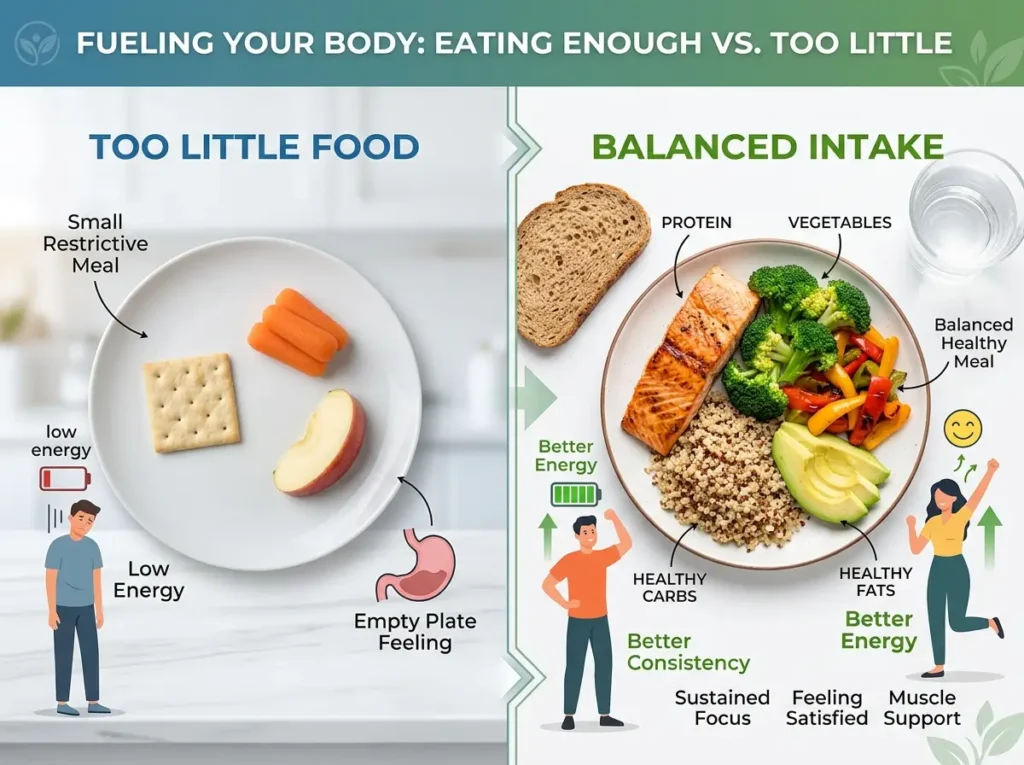
Let’s answer the big question clearly:
Yes, you can eat more and still see results if your intake is balanced and consistent.
The key idea is not “eat less,” but “eat appropriately.”
Here’s what matters most:
- Balanced meals
- Controlled portions
- Consistency over time
If you’re eating too little, you may:
- Feel low energy
- Struggle to stay consistent
- End up overeating later
On the other hand, eating enough within a structured plan can actually help you:
- Stay consistent
- Feel more satisfied
- Build better habits
This is why eating more on 21 day fix isn’t a problem when it’s done correctly.
3. How the 21 Day Fix Calorie Levels Work
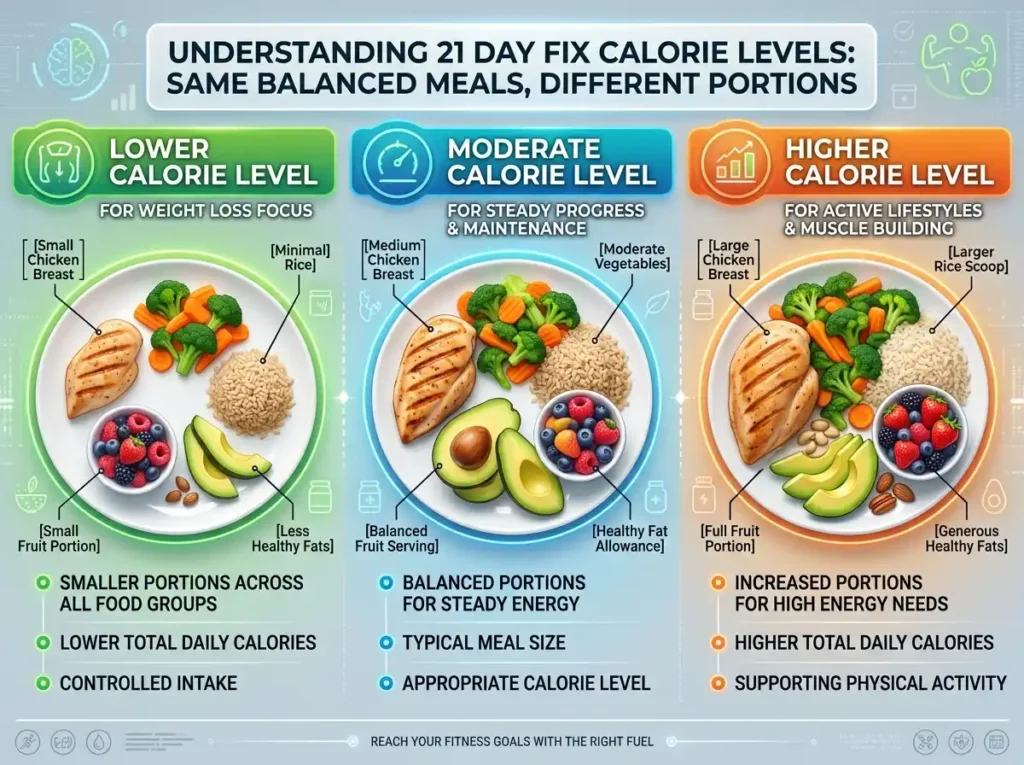
The 21 Day Fix uses a simple system of calorie levels (or brackets) to guide how much food you should eat.
You don’t need exact numbers to understand this.
Think of it like this:
- Lower calorie levels → smaller portions
- Higher calorie levels → larger portions
Each level is designed to match different needs based on:
- Body size
- Activity level
- Daily energy needs
This is important because not everyone should eat the same amount.
A plan that works for one person may feel too restrictive or too high for someone else.
That’s why the system includes flexibility.
4. What Is the Higher Calorie Plan?
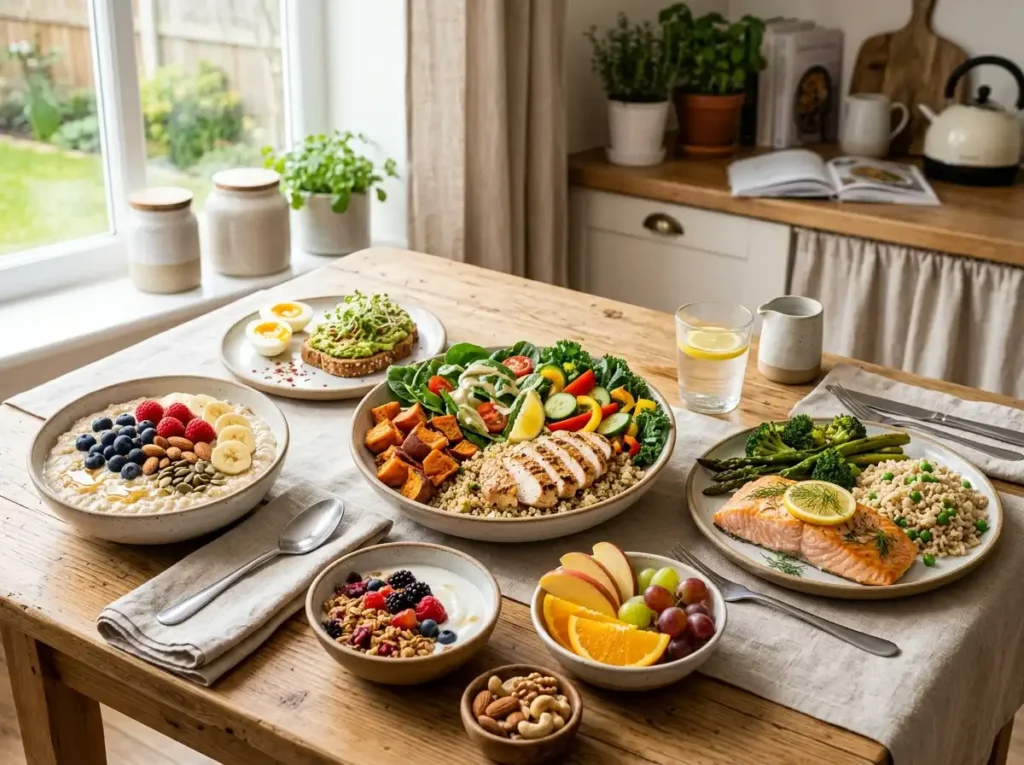
The 21 day fix higher calorie plan simply means:
You’re following the same structure but with more food portions.
You’re still:
- Eating balanced meals
- Following portion guidelines
- Keeping structure
The only difference is:
- You’re eating more of each category
This is not about overeating. It’s about eating enough for your needs.
Who Might Benefit from a Higher Calorie Plan?
A higher calorie level may be suitable for:
- People who are more active
- Those with higher energy needs
- Individuals who feel constantly hungry on lower portions
It’s not better or worse it’s just more appropriate for certain situations.
5. When You Might Need a Higher Calorie Plan
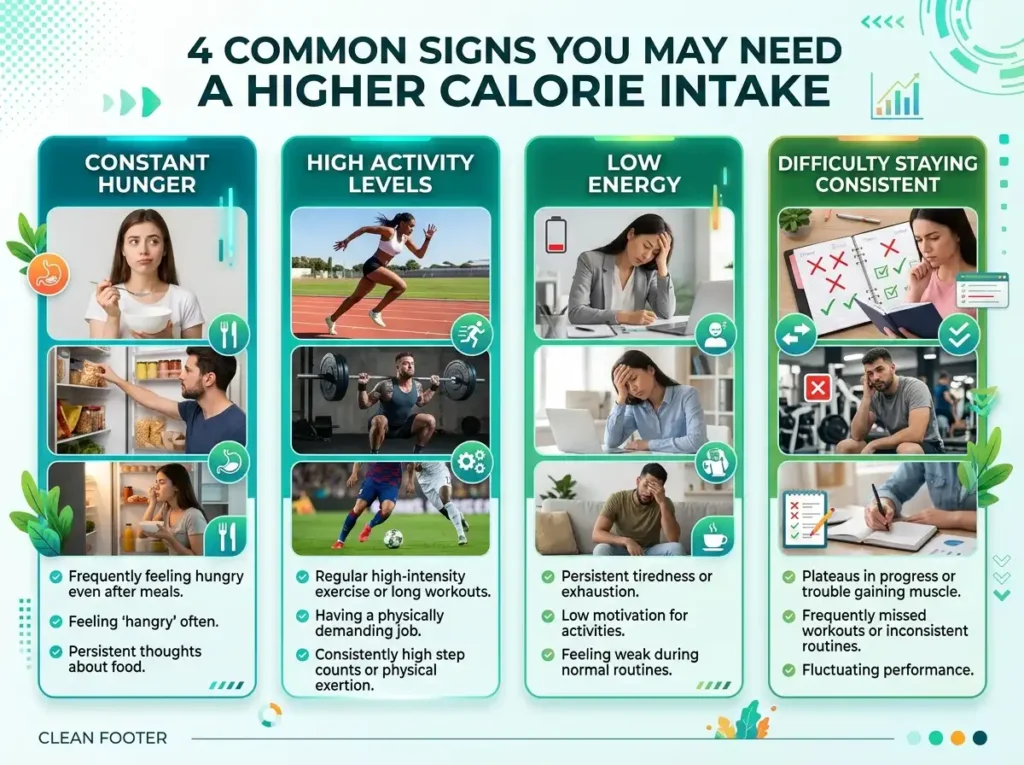
Here are some practical signs that a higher calorie approach might make sense.
1. You Feel Constantly Hungry
If you’re always thinking about food or feeling unsatisfied after meals, your intake may be too low.
2. You Have Higher Activity Levels
If you’re moving more whether through workouts or daily activity you naturally need more energy.
3. You Feel Low Energy Throughout the Day
Feeling drained or sluggish can sometimes be a sign you’re not eating enough.
4. You Struggle to Stay Consistent
If your plan feels too restrictive, it’s harder to stick with long-term.
The goal is not to eat less it’s to eat in a way you can maintain.
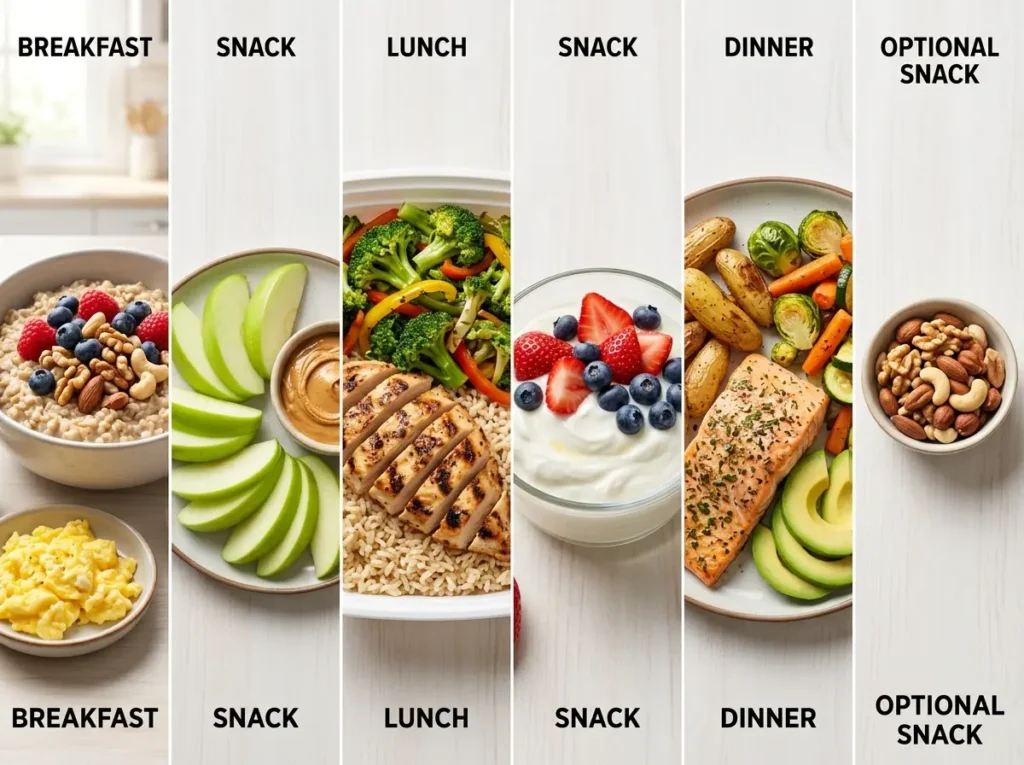
6. Example: What a Higher Calorie Day Looks Like
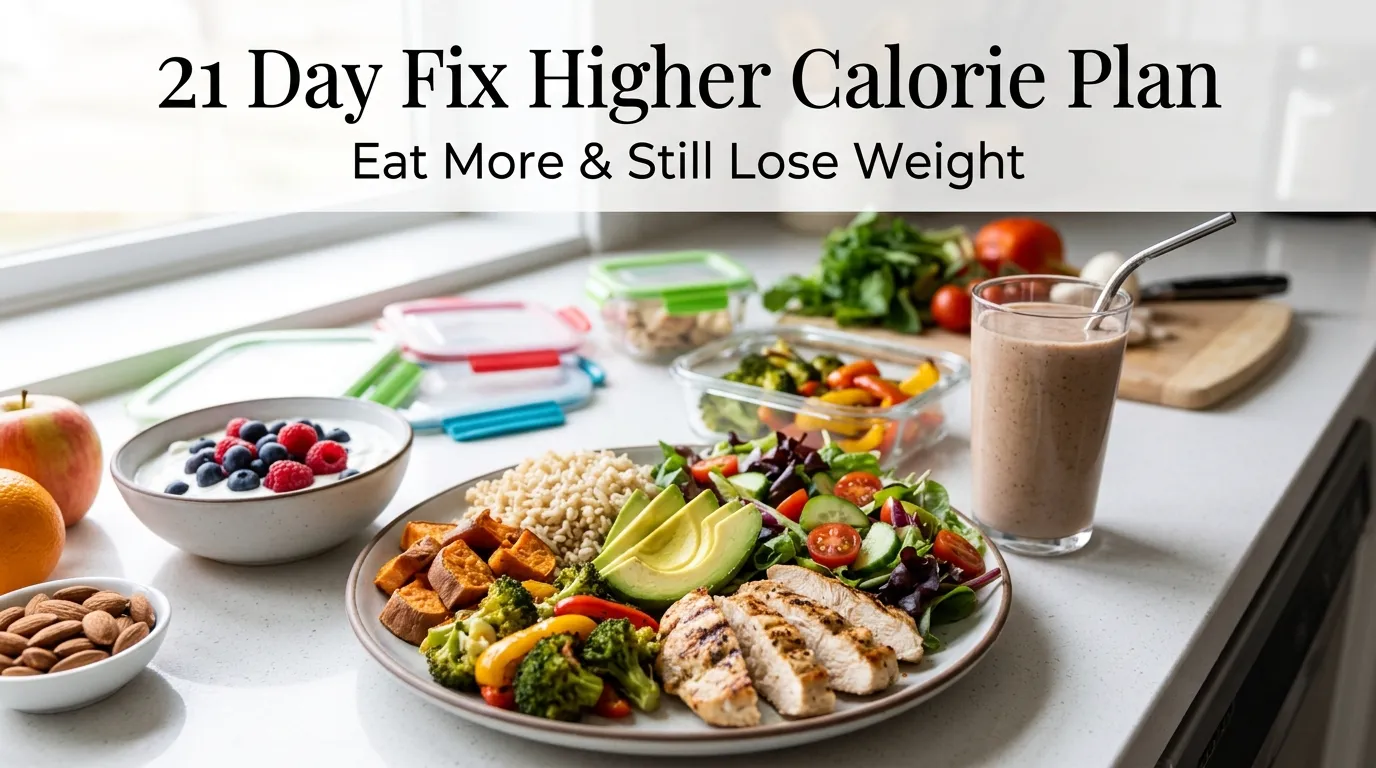
Here’s a simple example of a 21 day fix food plan with slightly higher portions.
Breakfast
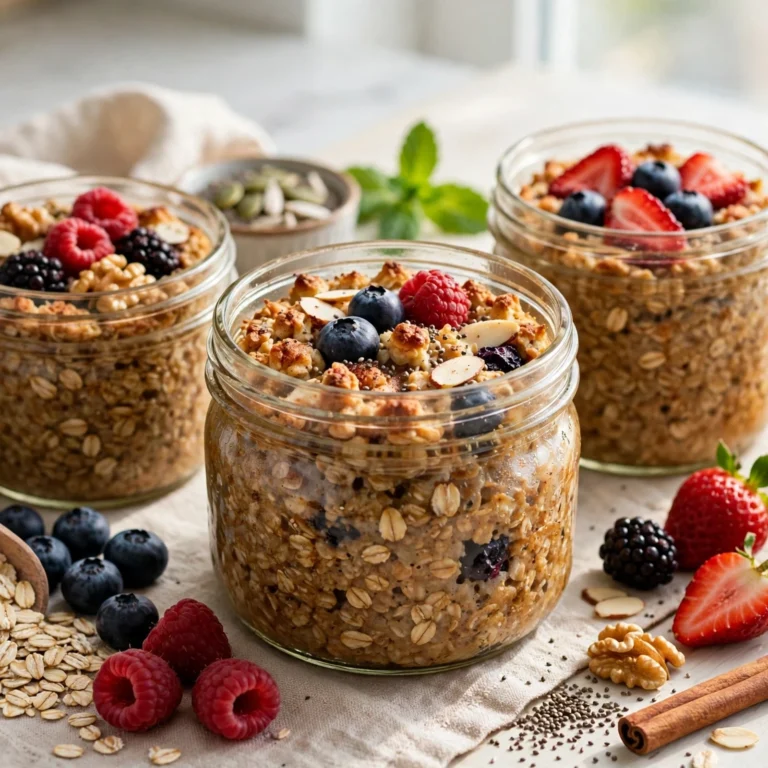
Oatmeal with berries + 2 eggs + a few nuts
Snack
Apple + peanut butter
Lunch
Grilled chicken + rice + large portion of vegetables + olive oil
Snack
Greek yogurt + fruit
Dinner
Baked fish + potatoes + roasted vegetables + small portion of healthy fats
Optional Snack (if needed)
Handful of nuts or yogurt
This is not extreme. It’s just slightly more food within the same balanced structure.
7. Benefits of Eating Enough (Balanced Perspective)
Eating enough is not just about comfort it supports consistency and sustainability.
Better Energy
You feel more stable throughout the day, which helps you stay active and focused.
Easier Consistency
When you’re not constantly hungry, it’s easier to stick with your plan.
More Sustainable Habits
A plan you can maintain is more valuable than one you quit after a week.
Less Overeating Later
Balanced meals reduce the urge to overeat due to hunger.
These are practical benefits not exaggerated promises.
8. Common Mistakes with Higher Calorie Plans
While eating more can help, it’s important to stay structured.
Mistake 1: Overeating Without Structure
Eating more doesn’t mean eating freely without limits.
Fix:
Stick to portion guidelines, even at higher levels.
Mistake 2: Ignoring Portion Control
Some people assume more food means they can stop paying attention to portions.
Fix:
Keep your portions consistent and balanced.
Mistake 3: Assuming More Food = Faster Results
More food does not automatically mean better or faster outcomes.
Fix:
Focus on consistency, not speed.
Mistake 4: Choosing Less Balanced Foods
Eating more of low-quality or unbalanced meals can reduce effectiveness.
Fix:
Keep meals balanced with protein, carbs, and fats.
9. Tips to Make a Higher Calorie Plan Work
If you decide to follow a higher calorie approach, keep these tips in mind.
Stick to Structure
Follow the same meal pattern:
- Breakfast
- Lunch
- Dinner
- Snacks
Focus on Balanced Meals
Every meal should include a mix of food groups.
Keep Portions Controlled
Even at higher levels, portion control still matters.
Stay Consistent
Consistency is more important than exact numbers.
Listen to Your Body (Within Structure)
Adjust gradually if something feels off but don’t abandon the plan.
10. FAQs
Will eating more slow my progress?
Not necessarily. If your intake matches your needs and stays structured, progress can still happen over time.
How do I know if I need more calories?
Signs include constant hunger, low energy, and difficulty staying consistent.
Can I switch calorie levels?
Yes. Adjusting your intake to better match your needs is part of the process.
Is this suitable for beginners?
Yes. Beginners often benefit from finding a sustainable intake level early.
Is more food always better?
No. The goal is balance not eating as much as possible.
11. Conclusion
The idea of the 21 day fix higher calorie plan is simple:
It’s not about eating less it’s about eating right for your body.
More food, when structured properly, can:
- Improve consistency
- Support energy
- Make the plan more sustainable
The key is balance.
Stick to the structure. Keep meals simple. Adjust when needed.
You don’t need to restrict yourself to succeed you need a plan you can actually follow.
And sometimes, that means eating a little more while staying consistent.
Related: What to Eat Each Day on 21 Day Fix (Full Plan) for a clear breakdown of balanced meals that support consistency and progress.