
12 Common 21 Day Fix Mistakes Beginners Must Avoid
1. Introduction
Starting the 21 Day Fix often feels exciting at first you’re motivated, ready to eat better, and finally follow a structured plan. But after a few days, things can start to feel confusing.
Am I eating the right portions? Why does this feel harder than expected? Am I doing something wrong?
If you’ve had these thoughts, you’re not alone.
The truth is, most beginners don’t struggle because the program is too difficult they struggle because of small, common mistakes that add up over time.
The good news? These mistakes are completely normal and easy to fix once you understand them.
In this guide, we’ll break down the most common 21 day fix mistakes, why they happen, and simple ways to stay on track without feeling overwhelmed.

2. Why Most Beginners Struggle on the 21 Day Fix
Before we dive into the mistakes, let’s understand why they happen in the first place.
Lack of Clarity
Many beginners don’t fully understand how the system works, especially portion control. That leads to confusion early on.
Overthinking Everything
Instead of keeping things simple, people try to do everything perfectly meal planning, tracking, recipes and it becomes overwhelming.
Trying to Be Perfect
This is one of the biggest issues. When you aim for perfection, even small slip-ups feel like failure.
The result? Frustration and inconsistency.
The key is to simplify everything and focus on consistency.
3. The Most Common 21 Day Fix Mistakes
Let’s break down the most common 21 day fix beginner mistakes and how to fix them in a practical way.
Mistake 1: Overcomplicating Meals
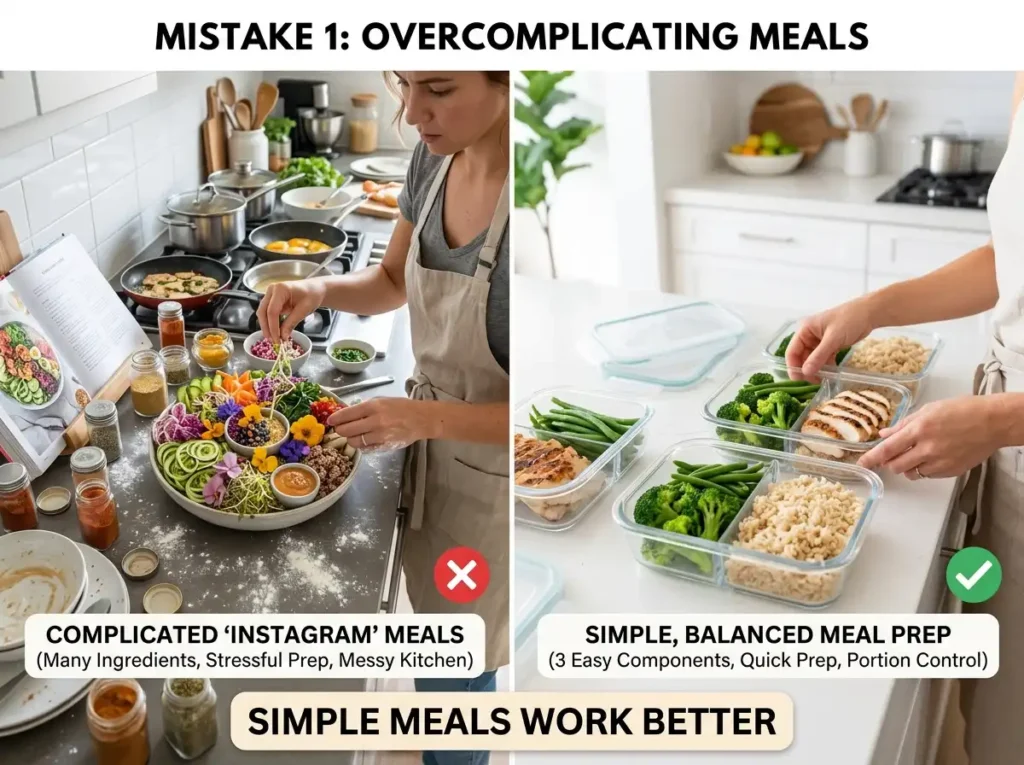
Many beginners think they need new recipes every day or perfectly balanced “Instagram-style” meals.
This quickly becomes exhausting and hard to maintain.
Why It Happens:
People assume more effort equals better results.
Simple Fix:
Stick to basic meals like protein + carbs + vegetables. Keep it simple and repeatable.
Mistake 2: Not Planning Ahead

Without a plan, it’s easy to fall back on whatever food is available.
This leads to inconsistent eating.
Why It Happens:
Busy schedules and lack of preparation.
Simple Fix:
Plan meals 2–3 days in advance and keep a simple grocery list ready.
Mistake 3: Ignoring Portion Control

Portion control is the foundation of the program. Ignoring it can slow progress even if you’re eating healthy foods.
Why It Happens:
People underestimate how much they’re eating.
Simple Fix:
Use visual portion guides or simple measuring tools to stay consistent.
Mistake 4: Trying to Be Perfect

Trying to follow everything perfectly often leads to burnout.
One small mistake can feel like failure.
Why It Happens:
All-or-nothing thinking.
Simple Fix:
Aim for consistency, not perfection. One imperfect meal doesn’t ruin your progress.
Mistake 5: Skipping Meals
Skipping meals might seem like a shortcut, but it usually leads to overeating later.
It disrupts your routine and balance.
Why It Happens:
Busy schedules or lack of preparation.
Simple Fix:
Stick to regular meals and include simple snacks when needed.
Mistake 6: Not Preparing Food in Advance

If your food isn’t ready, you’re more likely to grab convenient options.
That makes consistency harder.
Why It Happens:
Underestimating how important preparation is.
Simple Fix:
Prep basics like protein, vegetables, or snacks ahead of time.
Mistake 7: Expecting Fast Results

Many beginners expect quick changes in a few days.
When that doesn’t happen, they lose motivation.
Why It Happens:
Unrealistic expectations.
Simple Fix:
Focus on building habits. Progress takes time.
Mistake 8: Giving Up Too Early
Some people quit after a few days because it feels new or slightly challenging.
They assume it’s not working.
Why It Happens:
Discomfort with new routines.
Simple Fix:
Give yourself time to adjust. The first week is about learning.
Mistake 9: Not Keeping Meals Simple
Variety is good but too much variety makes things harder.
It increases effort and decision-making.
Why It Happens:
Trying to avoid repetition.
Simple Fix:
Choose 4–5 simple meals and rotate them throughout the week.
Mistake 10: Tracking Too Strictly (or Not at All)
Some beginners track everything perfectly and feel overwhelmed. Others don’t track at all and lose structure.
Both extremes create problems.
Why It Happens:
Not understanding balance.
Simple Fix:
Track loosely just enough to stay consistent without stress.
Mistake 11: Comparing Progress to Others
Seeing other people’s results can create unrealistic expectations.
This leads to frustration.
Why It Happens:
Social comparison.
Simple Fix:
Focus on your own habits and progress not someone else’s timeline.
Mistake 12: Overthinking Every Meal
Constantly questioning every choice makes the process stressful.
It turns a simple system into something complicated.
Why It Happens:
Lack of confidence in the process.
Simple Fix:
Follow basic guidelines and trust the system. Simplicity works.
4. How to Stay on Track Even If You Make Mistakes

Here’s something important to remember:
Mistakes are part of the process.
What matters is how you respond to them.
Progress Over Perfection
You don’t need perfect days to see progress. You need consistent effort over time.
Learn and Adjust
Each mistake teaches you something. Use it to improve your routine.
Keep Going
One off day doesn’t undo your progress. What you do next matters more.
Build Simple Habits
Focus on small, repeatable actions:
- Planning meals
- Eating balanced portions
- Staying consistent
That’s how long-term progress happens.
5. Quick Tips to Avoid These Mistakes
If you want to stay on track, keep these simple tips in mind:
Plan Ahead
Even basic planning makes a big difference.
Keep Meals Simple
Simple meals are easier to follow and repeat.
Stay Consistent
Focus on showing up daily, not being perfect.
Don’t Overthink
Follow the basics and trust the process.
6. FAQs
What if I already made mistakes?
That’s completely normal. Just continue with your next meal or next day. Progress isn’t ruined by a few mistakes.
Can I restart the 21 Day Fix?
Yes, but you don’t have to restart every time you make a mistake. Just keep going from where you are.
Do mistakes ruin progress?
No. Consistency over time matters more than occasional mistakes.
How do I stay consistent?
Keep things simple, plan ahead, and focus on small habits you can repeat daily.
Is it normal to struggle at the beginning?
Yes. The first few days are about learning and adjusting. It gets easier with routine.
7. Conclusion
The most important thing to understand about these common 21 day fix mistakes is this:
They’re normal.
Every beginner makes them in some way.
What matters is not avoiding every mistake it’s learning from them and continuing forward.
Keep your approach simple. Focus on consistency. Build habits that feel manageable.
You don’t need to do everything perfectly you just need to keep going.
That’s how real progress happens.
Related: How Much Weight Can You Lose on 21 Day Fix? to understand realistic results and stay motivated on your journey.