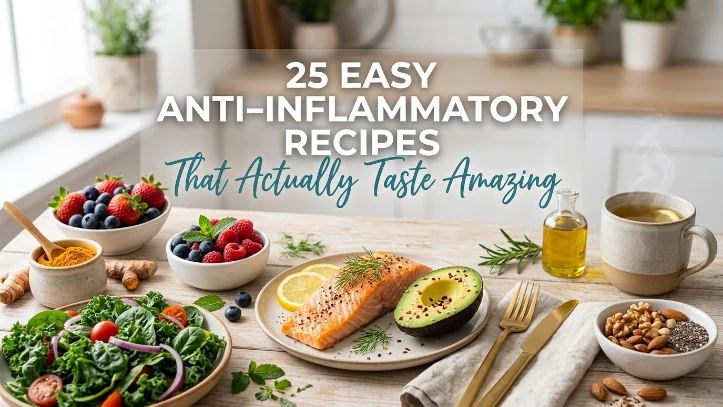
25 Easy Anti-Inflammatory Recipes That Actually Taste Amazing
Inflammation is your body’s natural response to stress, poor diet, or illness but when it becomes chronic, it can lead to fatigue, bloating, joint pain, and long-term health issues. The good news? A delicious anti-inflammatory diet can help reduce these symptoms, support your gut health, and even boost energy levels.
If you think “healthy food” means boring food, think again. Below you’ll find 25 easy anti-inflammatory recipes from breakfasts and smoothies to dinners and snacks that are simple to make and actually taste amazing.
Easy Anti-Inflammatory Breakfast Recipes
Starting your day with an anti-inflammatory meal helps set the tone for sustained energy, better digestion, and a calmer body. These breakfasts are quick, nutrient-dense, and full of ingredients known to reduce inflammation naturally.
1. Overnight Oats with Blueberries & Chia Seeds
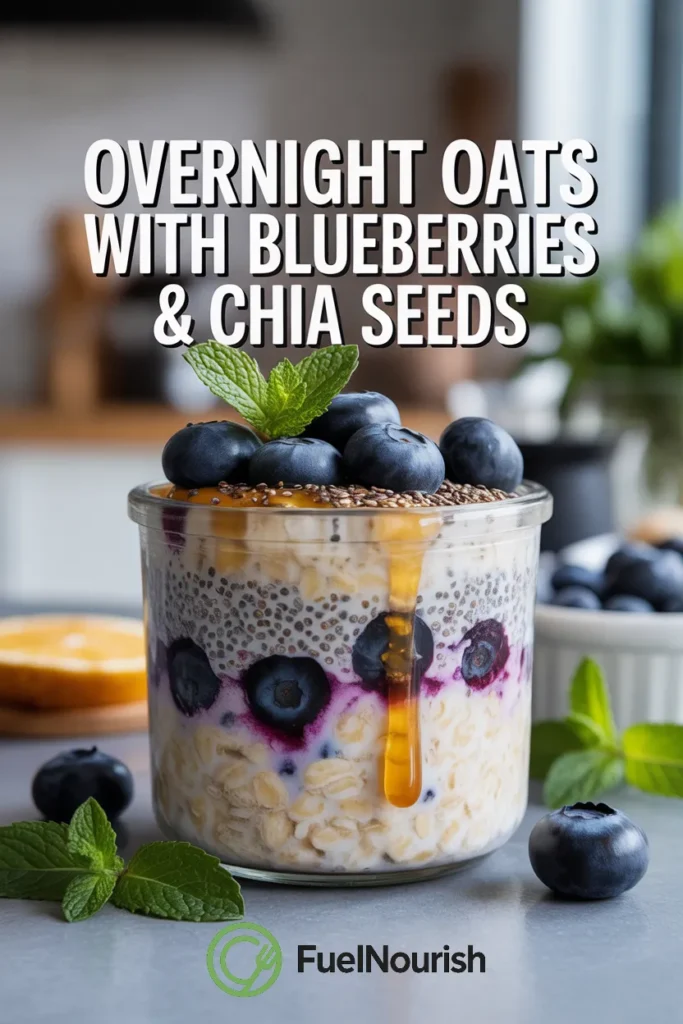
This make-ahead breakfast is a lifesaver for busy mornings. Oats are rich in soluble fiber, which supports gut health and helps regulate blood sugar. Chia seeds deliver plant-based omega-3s that combat inflammation and keep you full longer. Blueberries not only sweeten the dish naturally but also pack it with antioxidants that protect your cells from damage.
How to make it:
- Mix ½ cup rolled oats, 1 cup unsweetened almond milk (or any milk of choice), 1 tablespoon chia seeds, and a drizzle of honey or maple syrup.
- Add a handful of blueberries (fresh or frozen).
- Stir well, cover, and refrigerate overnight.
- By morning, you’ll have a creamy, ready-to-eat breakfast.
Optional add-ins:
- A pinch of cinnamon for extra anti-inflammatory power.
- A spoonful of Greek yogurt for added protein.
- A few chopped walnuts or almonds for healthy fats and crunch.
Why it helps:
The combination of fiber, antioxidants, and omega-3s supports digestion, reduces bloating, and provides lasting energy without sugar spikes. It’s a quick, portable, and nutrient-dense breakfast you can prep in just 5 minutes.
2. Avocado Toast with Smoked Salmon
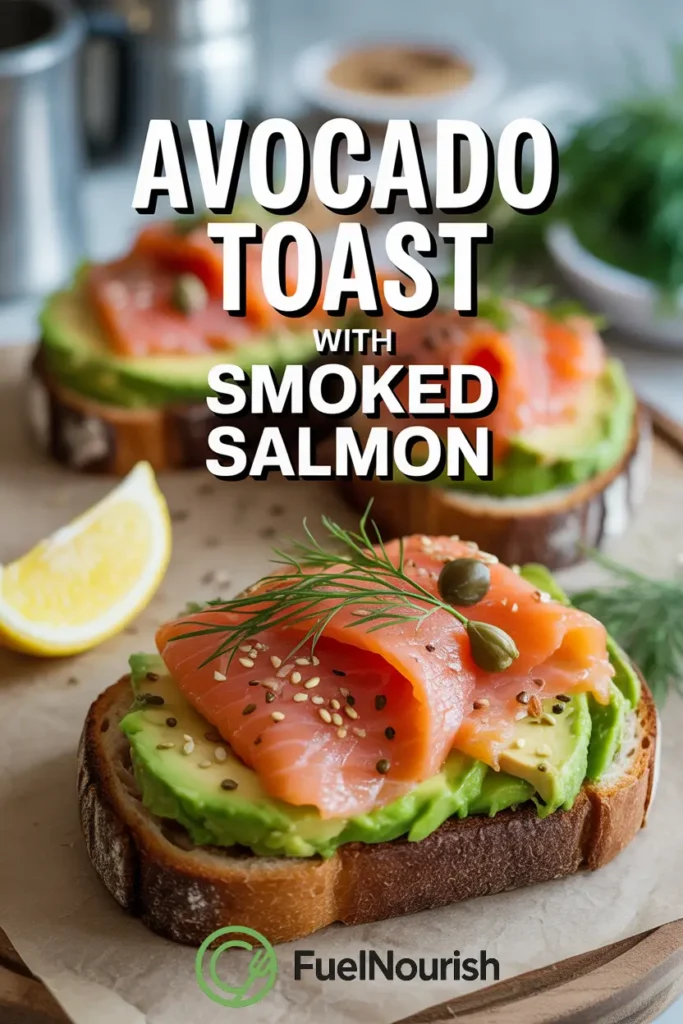
This savory, protein-rich breakfast feels indulgent yet fully supports your health goals. Avocado provides monounsaturated fats that fight inflammation and improve heart health. Smoked salmon is one of the best natural sources of omega-3 fatty acids, known to reduce joint pain, support brain function, and calm inflammation in the body.
How to make it:
- Toast a slice of whole-grain or gluten-free bread for a fiber-rich base.
- Mash ½ an avocado with a pinch of sea salt, lemon juice, and black pepper.
- Spread the avocado mixture evenly on the toast.
- Top with 2–3 slices of smoked salmon.
- Sprinkle with fresh dill, sesame seeds, or a squeeze of extra lemon juice for added flavor.
Optional add-ins:
- Add thin slices of cucumber or tomato for extra antioxidants.
- A sprinkle of capers for a Mediterranean twist.
- Top with a poached egg for additional protein.
Why it helps:
This breakfast combines healthy fats, lean protein, and fiber, a nutrient trio that keeps you satisfied for hours while actively lowering inflammation markers. The omega-3s in salmon work synergistically with avocado’s heart-healthy fats, making this meal a delicious and powerful anti-inflammatory choice.
3. Turmeric Scrambled Eggs
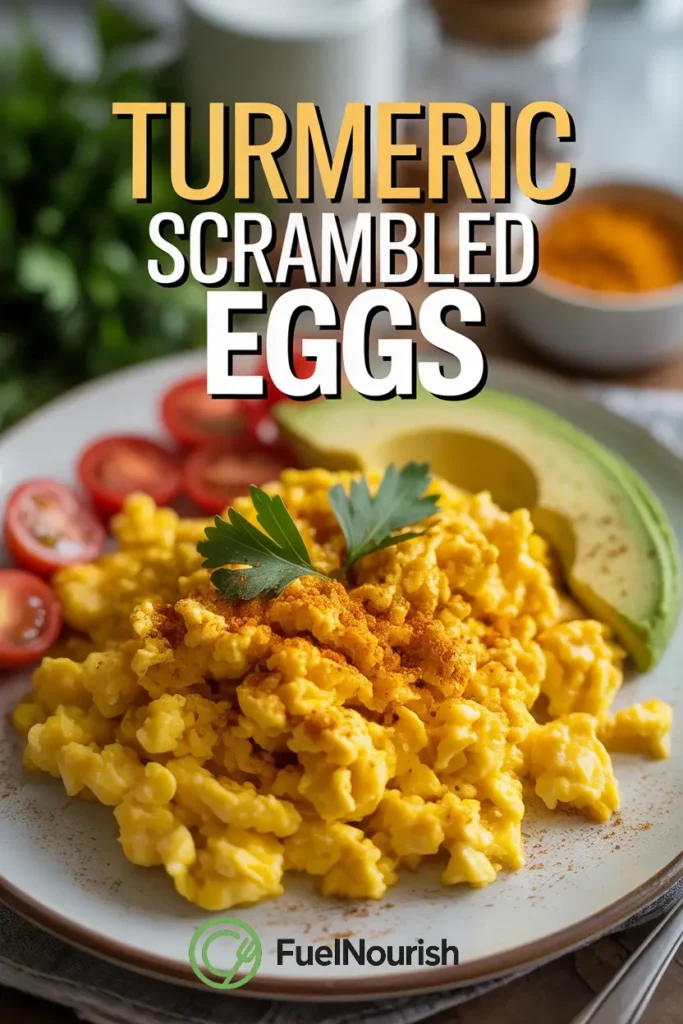
Turmeric is one of the most powerful natural anti-inflammatory spices, and when paired with eggs, it turns a simple breakfast into a nutrient-dense, golden-hued dish. The active compound in turmeric, curcumin, helps fight inflammation, and adding a pinch of black pepper significantly boosts its absorption. Combined with eggs, which are rich in protein, healthy fats, and essential vitamins, this recipe is both satisfying and healing.
How to make it:
- Whisk 2–3 eggs with a splash of almond milk (or any milk of choice) until well combined.
- Heat a nonstick pan with a teaspoon of olive oil or avocado oil.
- Add ½ teaspoon turmeric powder and a pinch of black pepper, letting the spices bloom for 20–30 seconds.
- Pour in the egg mixture and scramble gently until fluffy.
- Optional: toss in a handful of spinach, kale, or mushrooms for added nutrients and antioxidants.
Optional add-ins & variations:
- Sprinkle it with a little feta or goat cheese for creaminess.
- Add fresh herbs like parsley or cilantro for extra flavor.
- Serve on whole-grain toast or alongside avocado slices for a heartier meal.
Why it helps:
Eggs provide high-quality protein for muscle repair and energy, while turmeric actively reduces inflammation and supports joint health. This dish is quick, versatile, and perfect for starting your day with an anti-inflammatory boost.
4. Anti-Bloat Green Smoothie
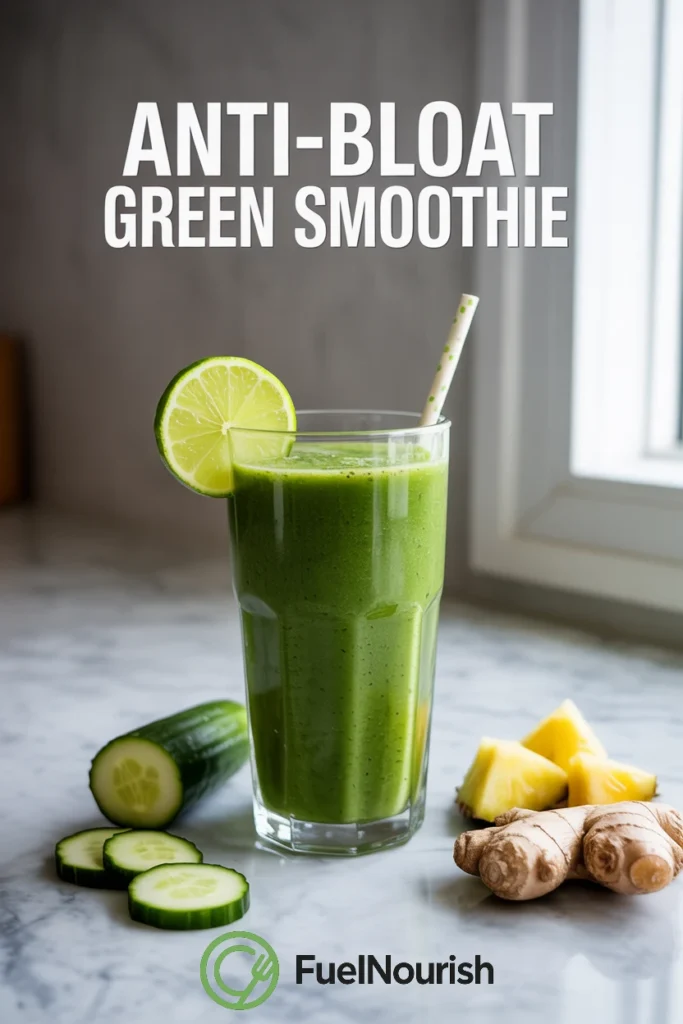
Sometimes, bloating is the first sign of inflammation in the gut. This refreshing smoothie blends leafy greens, tropical fruit, and ginger, a root known for calming the digestive system and reducing nausea.
How to make it:
- 1 cup spinach
- ½ cup pineapple chunks
- ½ frozen banana
- 1 teaspoon fresh grated ginger
- 1 tablespoon chia seeds
- 1 cup coconut water or almond milk
- Blend until creamy and enjoy chilling.
Why it helps: Spinach is high in magnesium, which relaxes muscles in the digestive tract. Pineapple contains bromelain, an enzyme that reduces inflammation, and ginger calms the stomach making this smoothie both anti-bloat and anti-inflammatory.
5. Warm Quinoa Porridge with Cinnamon & Berries
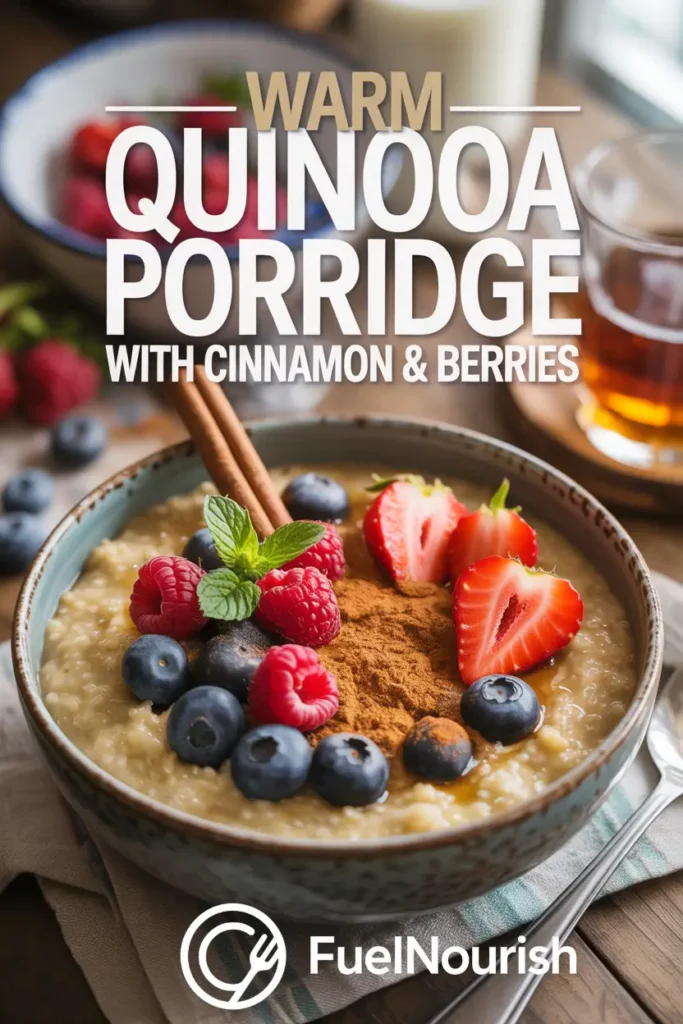
If you’re looking for a cozy, filling, and nutrient-dense breakfast, quinoa porridge is an excellent alternative to traditional oatmeal. Unlike oats, quinoa is a complete protein, meaning it contains all nine essential amino acids making it especially valuable for vegetarians or anyone wanting a stronger protein start to the day. Cinnamon not only enhances flavor but also has powerful anti-inflammatory and blood sugar–stabilizing properties. Topping with fresh berries provides natural sweetness and a rich dose of antioxidants that protect against oxidative stress.
How to make it:
- Rinse 1 cup quinoa thoroughly to remove bitterness.
- Combine with 2 cups of almond milk (or coconut milk for creaminess) in a saucepan.
- Bring to a simmer, then reduce heat and cook for about 15 minutes, stirring occasionally until the quinoa is soft and has absorbed most of the liquid.
- Stir in 1 teaspoon ground cinnamon and 1 teaspoon pure vanilla extract.
- Transfer to bowls and top with a generous handful of mixed berries (blueberries, raspberries, or strawberries).
- Drizzle lightly with raw honey or pure maple syrup for natural sweetness.
- Sprinkle with chopped walnuts or almonds for healthy fats and crunch.
Optional variations:
- Add a spoonful of ground flaxseed or chia seeds for extra omega-3s.
- Stir in a dollop of Greek yogurt for added protein and creaminess.
- Make it a “superfood bowl” by topping with hemp seeds or cacao nibs.
Why it helps:
This meal is a powerhouse of protein, fiber, antioxidants, and healthy fats. Quinoa keeps you full longer and supports muscle repair. Cinnamon helps regulate blood sugar and reduces inflammation in the body. Berries are rich in polyphenols that fight oxidative stress, while nuts provide omega-3s and extra satiety. Together, this porridge delivers long-lasting energy, supports gut health, and provides a warming, comforting start to the day.
Easy Anti-Inflammatory Lunch & Dinner Recipes
When it comes to fighting inflammation, lunch and dinner are the perfect opportunities to load up on colorful vegetables, lean proteins, omega-3–rich seafood, and healing spices. These recipes are filling, nutrient-dense, and crafted to help calm inflammation without sacrificing flavor.
6. Grilled Salmon with Garlic & Lemon
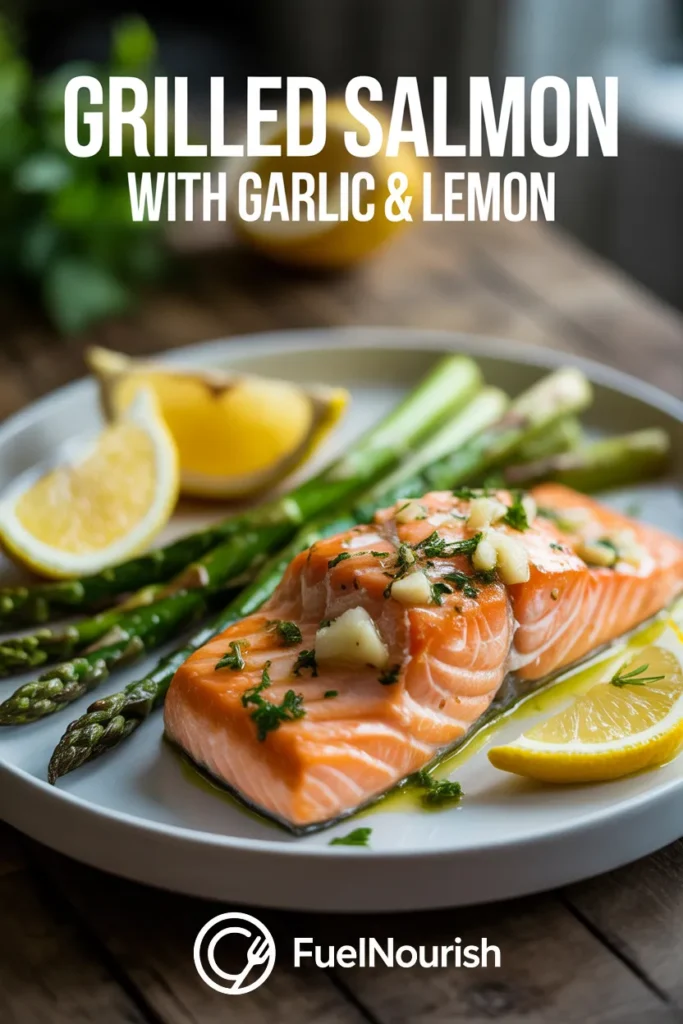
Salmon is one of the most powerful anti-inflammatory foods you can include in your diet. It’s naturally rich in omega-3 fatty acids (EPA and DHA), which help reduce inflammation in the joints, arteries, and even the brain. Garlic adds another layer of benefit with its sulfur compounds, which have been shown to lower inflammation and support immune function. Lemon not only brightens the flavor but also provides a dose of vitamin C, an antioxidant that fights oxidative stress. Together, this dish is light, flavorful, and packed with healing nutrients.
How to make it:
- Pat dry 2 salmon fillets and place them on a plate.
- Drizzle with 1–2 teaspoons of extra virgin olive oil.
- Rub in 2 cloves of minced garlic, the juice of half a lemon, and a pinch of sea salt and black pepper.
- Preheat a grill or grill pan to medium-high heat.
- Cook salmon skin-side down for 4–6 minutes, then flip and cook for another 3–4 minutes until the fish is opaque and flakes easily with a fork.
- Serve with steamed broccoli, sautéed spinach, or a side of quinoa for a balanced, nutrient-rich meal.
Optional variations:
- Sprinkle fresh dill or parsley before serving for extra antioxidants.
- Replace lemon with lime for a brighter, sharper flavor.
- Use wild-caught salmon whenever possible, as it has higher omega-3 levels than farmed salmon.
Why it helps:
This dish delivers a powerful trio of anti-inflammatory nutrients:
- Omega-3s from salmon lower inflammation markers, improve heart health, and support brain function.
- Garlic helps regulate immune responses and has antibacterial properties.
- Lemon provides antioxidants and aids digestion.
It’s a simple, elegant meal that nourishes your body while reducing inflammation perfect for both weeknight dinners and special occasions.
7. Chickpea & Veggie Buddha Bowl
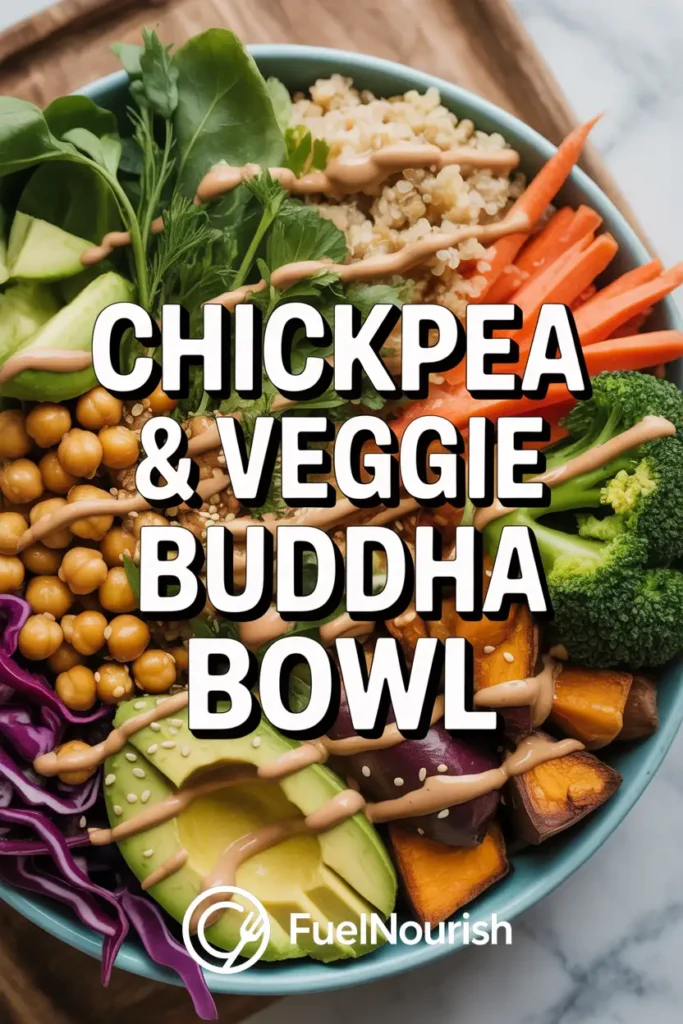
Buddha bowls are a favorite among nutritionists because they combine plant-based protein, colorful vegetables, healthy fats, and fiber all in one balanced meal. This version is not only anti-inflammatory but also deeply satisfying. Chickpeas provide protein and soluble fiber that support gut health, while roasted vegetables bring antioxidants and phytonutrients. The creamy tahini-lemon dressing adds healthy fats and calcium, and sesame seeds provide lignans compounds shown to reduce inflammation and support hormone balance.
How to make it:
- Preheat the oven to 400°F (200°C).
- Toss 1 can of drained chickpeas, 1 diced sweet potato, and 1 zucchini (sliced) with 1 tablespoon olive oil, ½ teaspoon turmeric, ½ teaspoon smoked paprika, and a pinch of sea salt.
- Spread on a baking sheet and roast for 25–30 minutes until golden and crispy.
- While roasting, cook 1 cup brown rice or quinoa according to package directions.
- Assemble your bowl: layer the rice or quinoa at the base, top with roasted veggies and chickpeas, then add a handful of fresh spinach or kale.
- Whisk together 2 tablespoons tahini, juice of ½ lemon, 1 teaspoon maple syrup, and a splash of warm water until smooth, then drizzle over the bowl.
- Sprinkle with sesame seeds before serving.
Optional variations:
- Add avocado slices for extra anti-inflammatory monounsaturated fats.
- Swap sweet potatoes for roasted carrots or beets.
- Top with microgreens or sprouts for a nutrient boost.
- For extra protein, add a boiled egg or grilled tofu.
Why it helps:
This Buddha bowl is a nutrient powerhouse:
- Chickpeas provide protein and gut-friendly fiber.
- Sweet potatoes are rich in beta-carotene and antioxidants.
- Spinach/kale adds iron, magnesium, and polyphenols that fight inflammation.
- Tahini + sesame seeds deliver healthy fats, calcium, and lignans with anti-inflammatory properties.
The balance of protein, fiber, and healthy fats keeps blood sugar stable, reduces bloating, and supports long-term gut health all while being delicious and customizable.
8. Turmeric Lentil Soup
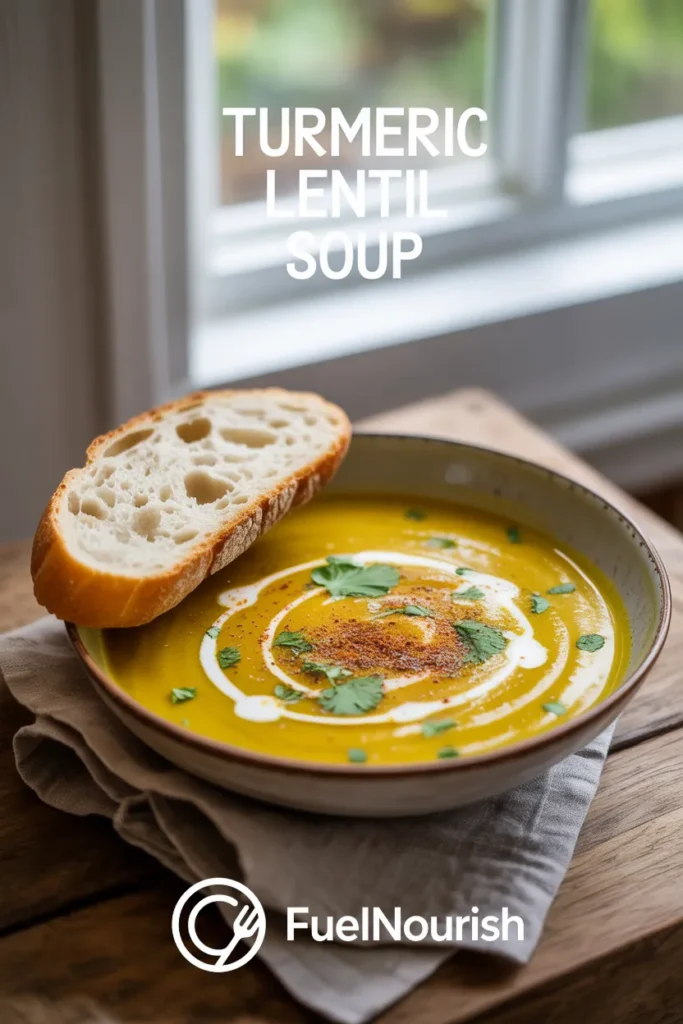
This hearty soup is both comforting and medicinal, making it a perfect meal for cooler days or when your body needs extra support. Lentils are an excellent source of plant-based protein, fiber, and iron, helping you stay full while supporting energy and digestion. Turmeric, ginger, and garlic add not only depth of flavor but also powerful anti-inflammatory and immune-boosting properties. Together, these ingredients create a warming, nourishing bowl that heals from the inside out.
How to make it:
- Heat 1 tablespoon of olive oil in a large pot.
- Sauté 1 diced onion, 2 minced garlic cloves, 1 tablespoon grated fresh ginger, and 1 teaspoon ground turmeric (or 1 inch fresh turmeric root, grated) for 2–3 minutes until fragrant.
- Stir in 1 cup red lentils (rinsed), 1 diced carrot, and 4 cups vegetable broth.
- Bring to a boil, then reduce heat and simmer for 25–30 minutes, stirring occasionally, until the lentils are soft and the soup has a creamy texture.
- Season with sea salt, black pepper, and a squeeze of lemon juice before serving.
Optional variations:
- Add a handful of spinach or kale at the end of cooking for extra antioxidants.
- Stir in a splash of coconut milk for a creamier, richer soup.
- Sprinkle with fresh cilantro or parsley before serving.
- For more protein, serve with a side of quinoa or whole-grain bread.
Why it helps:
- Lentils provide slow-digesting carbohydrates, protein, and iron to fight fatigue.
- Turmeric contains curcumin, a compound proven to reduce inflammation markers.
- Ginger soothes the gut, reduces nausea, and supports immunity.
- Garlic enhances immune defense and adds anti-inflammatory sulfur compounds.
This soup is both satisfying and medicinal, ideal for fighting inflammation, improving digestion, and keeping energy levels steady throughout the day.
9. Mediterranean Quinoa Salad
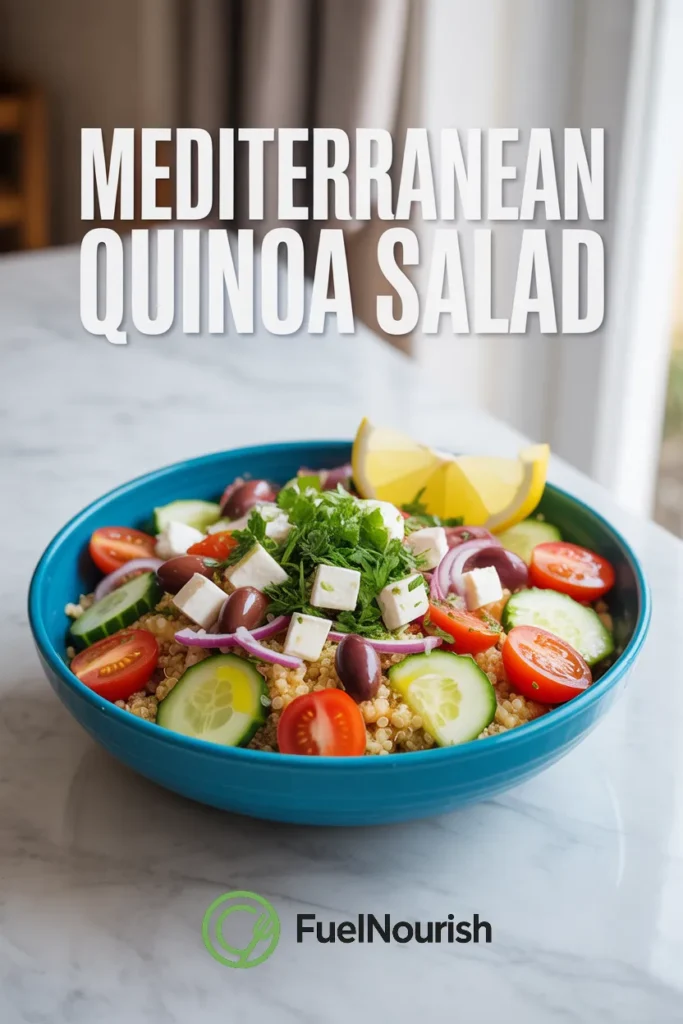
The Mediterranean diet is one of the most researched and effective anti-inflammatory eating patterns in the world, and this salad captures its essence in a light, refreshing way. Quinoa provides plant-based protein and fiber, while olive oil delivers oleocanthal a natural compound shown to act similarly to ibuprofen in reducing inflammation. Paired with fresh vegetables like cucumbers, tomatoes, and red onion, this salad is both nutrient-dense and delicious.
How to make it:
- Cook 1 cup quinoa according to package instructions, then let it cool completely.
- In a large bowl, toss together the quinoa with 1 cup diced cucumbers, 1 cup halved cherry tomatoes, ½ cup sliced olives (black or Kalamata), and ¼ cup thinly sliced red onion.
- Dress with 2 tablespoons extra virgin olive oil, the juice of 1 lemon, sea salt, black pepper, and a handful of fresh parsley.
- Toss gently and serve chilled or at room temperature.
Optional variations:
- Add crumbled feta cheese for extra protein and calcium.
- Stir in chickpeas for a more filling, protein-rich version.
- Sprinkle with sunflower seeds or pumpkin seeds for added crunch and healthy fats.
- Replace parsley with fresh basil or mint for a flavor twist.
Why it helps:
- Quinoa supplies complete protein and fiber, keeping blood sugar stable and supporting digestion.
- Olive oil is rich in monounsaturated fats and anti-inflammatory compounds.
- Tomatoes, cucumbers, and onions provide antioxidants and hydration.
- Olives add polyphenols and healthy fats that protect against oxidative stress.
This salad is a perfect lunch, dinner side, or meal-prep option, offering a satisfying balance of flavor, nutrients, and anti-inflammatory benefits in every bite.
10. Roasted Sweet Potato Tacos
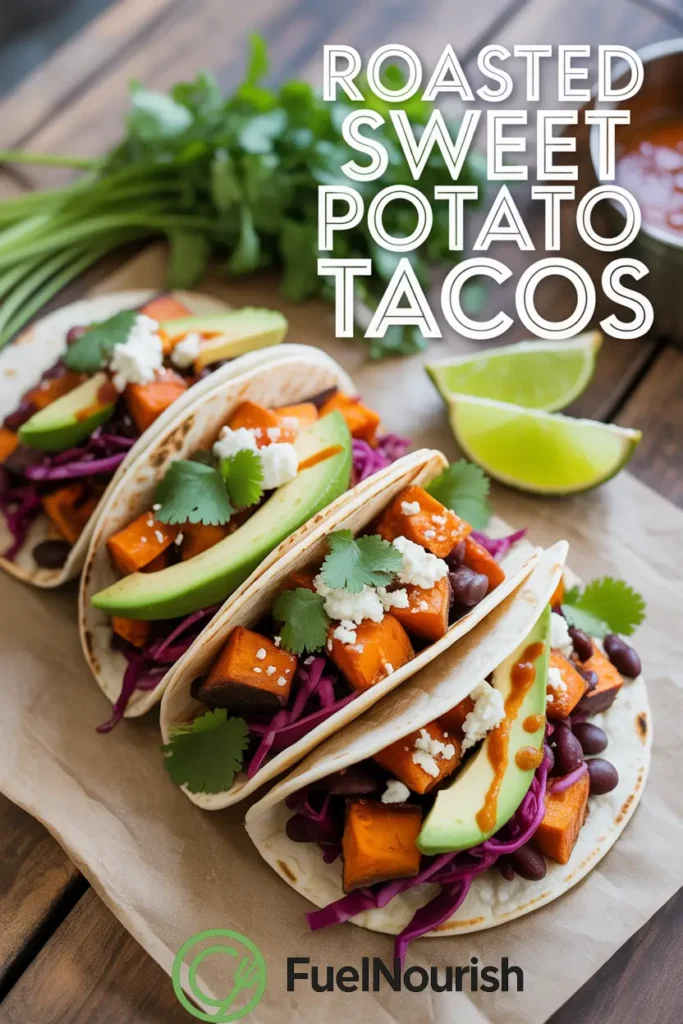
These tacos are a colorful, nutrient-dense twist on a classic comfort food. Sweet potatoes are loaded with beta-carotene (a precursor to vitamin A) and fiber, making them one of the most powerful plant-based anti-inflammatory ingredients. Roasting them with warming spices like cumin and paprika enhances both flavor and antioxidant activity. Using lettuce wraps instead of tortillas keeps the dish light and digestion-friendly, but corn tortillas are a great option if you want a more traditional feel.
How to make it:
- Preheat oven to 400°F (200°C).
- Peel and cube 2 medium sweet potatoes.
- Toss with 1 tablespoon olive oil, 1 teaspoon cumin, 1 teaspoon smoked paprika, and a pinch of sea salt.
- Roast for 25–30 minutes, stirring once, until tender and slightly crispy.
- Fill large lettuce leaves (or warmed corn tortillas) with roasted sweet potatoes.
- Top with diced avocado, ½ cup black beans, and a spoonful of fresh salsa.
Optional variations:
- Add shredded cabbage or kale for extra crunch and fiber.
- Sprinkle with pumpkin seeds for additional healthy fats and zinc.
- Drizzle with a lime-yogurt sauce (Greek yogurt + lime juice + cilantro).
- Swap black beans for chickpeas or lentils if preferred.
Why it helps:
- Sweet potatoes provide antioxidants (beta-carotene, vitamin C) and fiber for gut health.
- Avocado delivers monounsaturated fats that reduce inflammation and support heart health.
- Black beans add plant-based protein and prebiotic fiber to fuel healthy gut bacteria.
- Spices like cumin and paprika bring anti-inflammatory and digestive benefits.
This recipe combines fiber, healthy fats, protein, and antioxidants in one satisfying, plant-forward dish proving that tacos can be both indulgent and healing.
11. Garlic-Ginger Chicken Stir-Fry

This quick stir-fry is perfect for busy weeknights when you want something healthy, flavorful, and ready in under 30 minutes. Garlic and ginger are two of the most effective natural anti-inflammatory ingredients garlic contains sulfur compounds that lower inflammation, while ginger has bioactive compounds like gingerol that soothe the gut and reduce oxidative stress. Paired with lean chicken breast and colorful vegetables, this dish is both energizing and nourishing.
How to make it:
- Slice 2 chicken breasts into thin strips and season lightly with sea salt and black pepper.
- Heat 1 tablespoon avocado oil or olive oil in a large skillet or wok over medium-high heat.
- Add 2 minced garlic cloves and 1 tablespoon freshly grated ginger; stir-fry for 30 seconds until fragrant.
- Add the chicken strips and cook for 4–5 minutes until golden and nearly cooked through.
- Toss in 1 cup broccoli florets and 1 sliced red bell pepper. Stir-fry another 4–5 minutes until veggies are tender-crisp.
- Add 2 tablespoons low-sodium soy sauce or tamari and stir well to coat.
- Serve immediately over brown rice, quinoa, or cauliflower rice for a lighter option.
Optional variations:
- Add snow peas, zucchini, or bok choy for more veggie variety.
- Sprinkle sesame seeds on top for added crunch and healthy fats.
- Use shrimp or tofu instead of chicken for a different protein source.
- Add a drizzle of toasted sesame oil at the end for extra flavor.
Why it helps:
- Chicken provides lean protein to repair muscles and keep energy levels stable.
- Ginger supports digestion, reduces bloating, and calms inflammation.
- Garlic lowers inflammation markers and boosts immune defense.
- Colorful vegetables like broccoli and peppers deliver fiber, vitamin C, and antioxidants.
This stir-fry is a perfect example of a balanced anti-inflammatory meal: quick to prepare, delicious, and packed with nutrients that energize your body and support gut health.
12. Grilled Veggie Bowl with Tahini Dressing
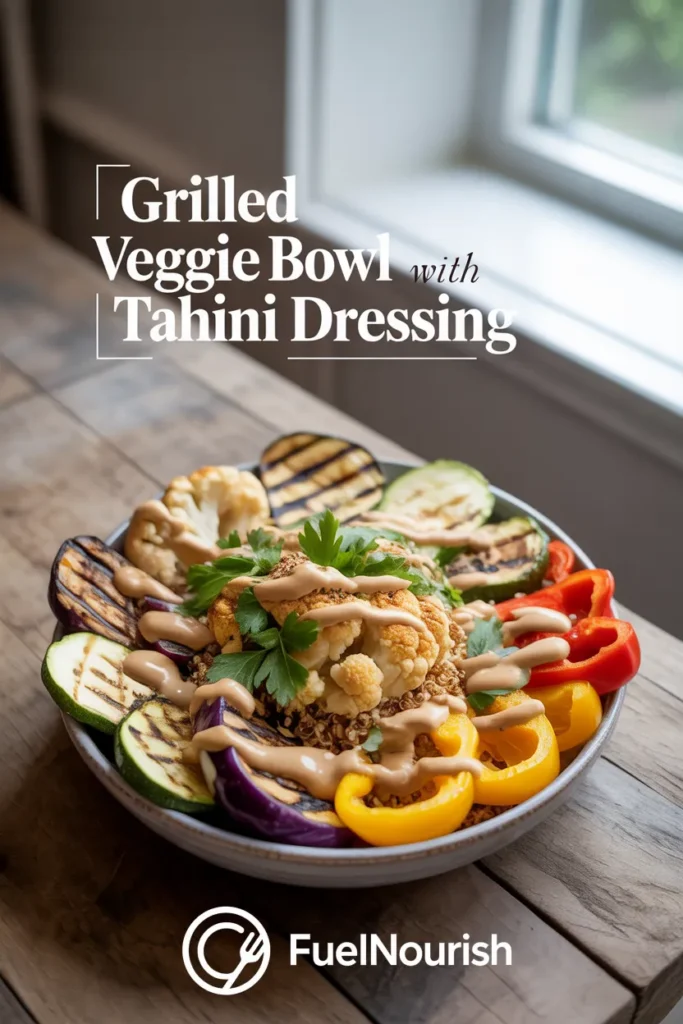
This colorful bowl celebrates the power of vegetables in an anti-inflammatory diet. Zucchini, eggplant, and bell peppers are all rich in antioxidants and phytonutrients that protect cells from oxidative stress and reduce inflammation. When paired with hearty whole grains and topped with a creamy tahini-lemon dressing, this meal delivers a balance of fiber, healthy fats, and plant-based minerals like calcium and magnesium.
How to make it:
- Slice a mix of seasonal vegetables such as zucchini, eggplant, bell peppers, and red onion.
- Toss with 1–2 tablespoons olive oil, sea salt, black pepper, and a pinch of smoked paprika or cumin.
- Grill over medium heat (or roast at 400°F/200°C for 20–25 minutes) until tender and lightly charred.
- Serve the grilled veggies over a base of quinoa, couscous, or farro for added protein and fiber.
- For the dressing, whisk together 2 tablespoons tahini, juice of ½ lemon, 1 teaspoon maple syrup, and a splash of warm water until smooth and pourable.
- Drizzle over the bowl and finish with a sprinkle of sesame seeds or fresh parsley.
Optional variations:
- Add chickpeas or lentils for extra plant-based protein.
- Swap tahini with almond butter for a nutty twist.
- Top with avocado slices for additional healthy fats.
- Use seasonal veggies like asparagus, carrots, or mushrooms to keep it versatile year-round.
Why it helps:
- Grilled vegetables provide antioxidants, vitamins, and fiber to fight inflammation.
- Tahini adds healthy fats, calcium, and magnesium minerals crucial for bone health and stress regulation.
- Whole grains like quinoa or farro offer plant-based protein and keep blood sugar stable.
- Sesame seeds provide lignans and extra anti-inflammatory compounds.
This bowl is a nutrient-dense powerhouse: satisfying, customizable, and perfect as a light dinner, hearty lunch, or meal-prep option for the week.
13. Anti-Inflammation Salmon Burgers
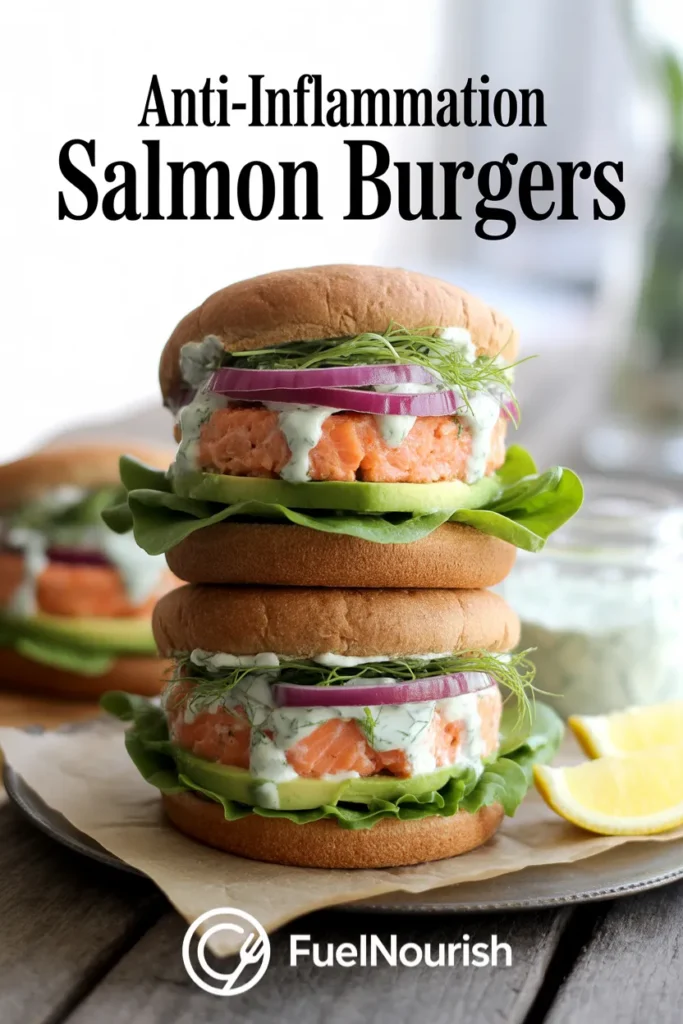
These salmon burgers are a healthier, anti-inflammatory twist on the classic comfort food. Wild salmon is one of the richest sources of omega-3 fatty acids (EPA & DHA), which reduce inflammation, support heart health, and improve brain function. Flaxseed not only helps bind the patties but also adds fiber and lignans, plant compounds with anti-inflammatory and hormone-balancing properties.
How to make it:
- In a mixing bowl, combine 1 can (14 oz) wild-caught salmon (drained and flaked), ¼ cup ground flaxseed, 1 finely chopped onion, 2 minced garlic cloves, 1 tablespoon chopped parsley or dill, 1 egg, and a pinch of sea salt and black pepper.
- Mix until well combined, then shape into 3–4 patties.
- Heat 1 tablespoon olive oil in a skillet over medium heat.
- Pan-sear patties for 3–4 minutes per side until golden brown and cooked through.
- Serve warm with a side salad or in a whole-grain bun topped with avocado slices and leafy greens.
Optional variations:
- Add 1 tablespoon Dijon mustard or Greek yogurt to the mix for extra flavor and moisture.
- Replace flaxseed with chia seeds if preferred.
- Make them gluten-free by serving in lettuce wraps instead of buns.
- Pair with sweet potato fries or a quinoa salad for a balanced meal.
Why it helps:
- Salmon provides omega-3s that calm inflammation and support cardiovascular health.
- Flaxseed adds fiber for gut health and lignans that reduce oxidative stress.
- Garlic and onion supply sulfur compounds with proven anti-inflammatory and immune-boosting effects.
- Herbs like dill or parsley add antioxidants and freshness.
These burgers are not only flavorful and satisfying but also a fun, approachable way to eat more omega-3s while keeping inflammation at bay.
14. Spinach & Chickpea Curry
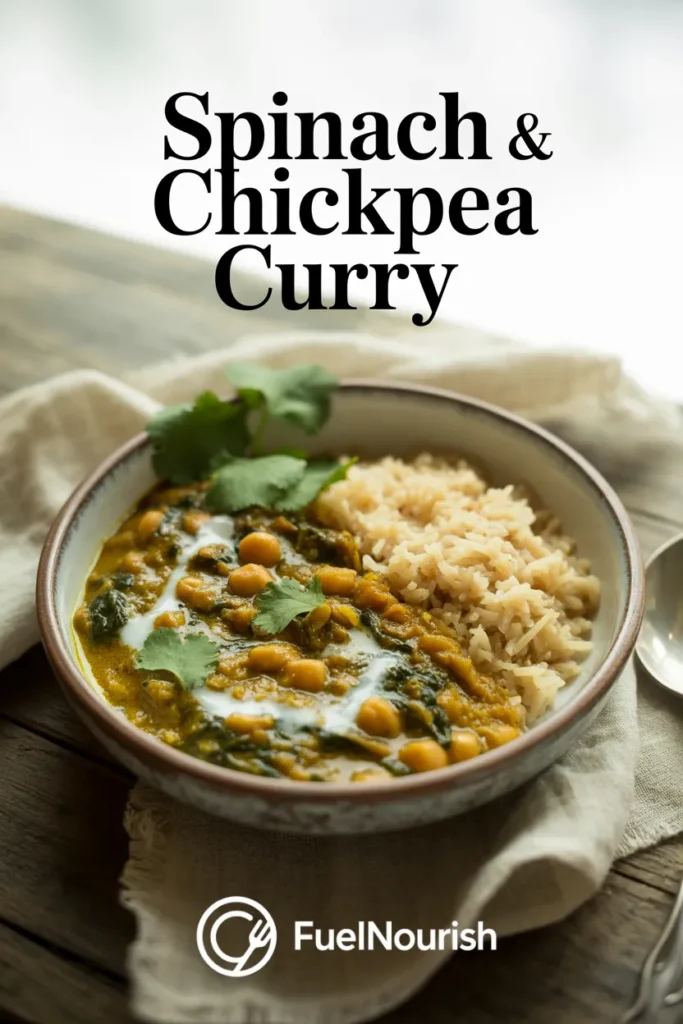
This vibrant curry is a plant-based powerhouse packed with protein, fiber, and healing spices. Chickpeas deliver slow-digesting carbs and protein that promote satiety, while spinach provides essential minerals like iron and magnesium, both crucial for energy and muscle function. The base of garlic, ginger, turmeric, and cumin not only infuses rich flavor but also delivers potent anti-inflammatory and immune-boosting properties. Coconut milk adds creaminess and healthy fats, making this curry both satisfying and deeply nourishing.
How to make it:
- Heat 1 tablespoon olive or coconut oil in a large pan.
- Sauté 1 chopped onion, 2 minced garlic cloves, and 1 tablespoon freshly grated ginger for 3–4 minutes until fragrant.
- Stir in 1 teaspoon turmeric, 1 teaspoon ground cumin, and ½ teaspoon coriander (optional) to bloom the spices.
- Add 1 can (15 oz) chickpeas (drained and rinsed), 3 cups fresh spinach (or 1 cup frozen), and 1 can (13 oz) coconut milk.
- Simmer gently for 10–12 minutes until thickened, stirring occasionally.
- Serve hot over brown rice or quinoa for a balanced meal.
Optional variations:
- Add diced tomatoes for acidity and extra antioxidants.
- Swap spinach for kale or Swiss chard for variety.
- Stir in cauliflower florets or zucchini for more fiber and texture.
- Garnish with fresh cilantro and a squeeze of lime before serving.
Why it helps:
- Chickpeas provide plant protein and gut-friendly fiber that keep blood sugar stable.
- Spinach delivers iron, magnesium, and antioxidants to reduce oxidative stress.
- Turmeric and cumin fight inflammation, boost circulation, and support digestion.
- Coconut milk adds healthy fats that improve nutrient absorption and keep you satisfied.
This curry is a perfect example of comfort food with benefits warm, filling, and healing all at once.
15. Slow Cooker Chicken Soup with Turmeric
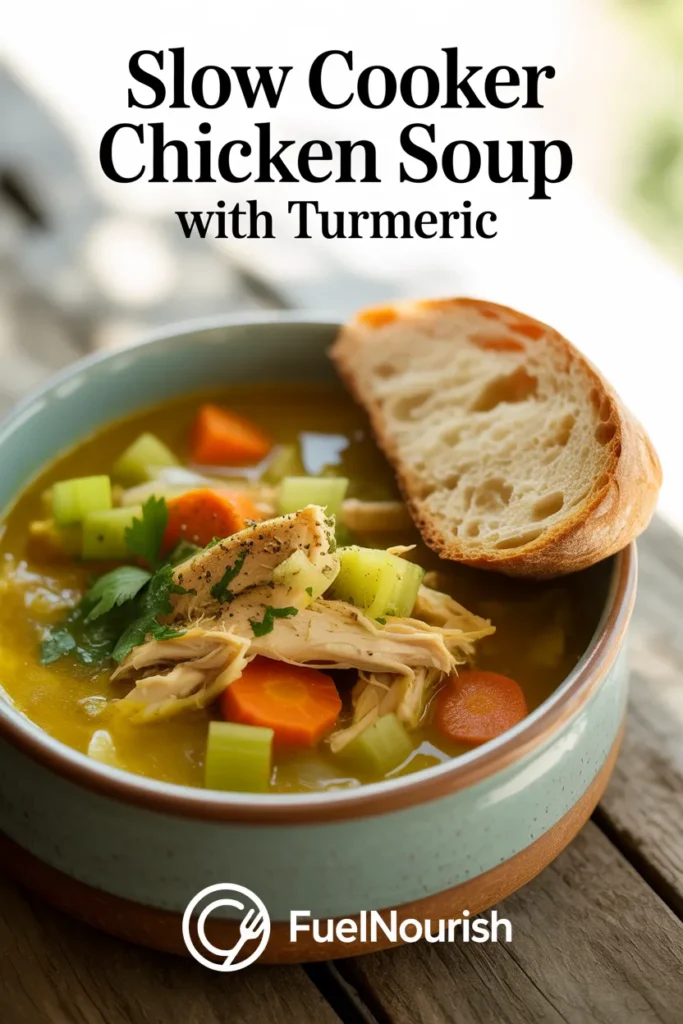
Chicken soup is the ultimate comfort food, and this version takes it to the next level with turmeric and ginger, two powerful anti-inflammatory spices. Slow cooking allows the flavors to meld beautifully while keeping the chicken tender and juicy. The broth becomes infused with nutrients from the vegetables and aromatics, creating a soothing, healing meal that supports immunity and calms inflammation perfect for cold days or whenever you need a nourishing boost.
How to make it:
- Add to your slow cooker: 2 chicken breasts (or thighs), 2 carrots (sliced), 2 celery stalks (chopped), 3 garlic cloves (minced), 1 tablespoon grated fresh ginger, 1 teaspoon turmeric, 1 bay leaf, 6 cups low-sodium chicken broth, sea salt, and black pepper.
- Cook on low for 6–7 hours or on high for 3–4 hours until the chicken is cooked through and tender.
- Remove the chicken, shred it with two forks, and return it to the soup.
- Discard the bay leaf and adjust seasoning to taste.
- Serve hot, optionally garnished with fresh parsley or a squeeze of lemon juice.
Optional variations:
- Add brown rice, quinoa, or barley for extra fiber and satiety.
- Toss in spinach or kale during the last 10 minutes of cooking for an antioxidant boost.
- Swap chicken for turkey or use a whole chicken for a richer broth.
- Add a pinch of cayenne pepper for extra immune support.
Why it helps:
- Chicken provides lean protein for muscle repair and steady energy.
- Turmeric (with curcumin) fights inflammation and boosts immunity.
- Ginger supports digestion and soothes the stomach.
- Garlic delivers immune-boosting sulfur compounds.
- Vegetables like carrots and celery supply vitamins, minerals, and fiber for gut health.
This soup is nutrient-dense, anti-inflammatory, and deeply comforting a bowl of warmth and healing you’ll want to keep on repeat all winter long.
Easy Anti-Inflammatory Snacks & Sides
Snacking doesn’t have to derail your health goals. The right snacks can keep you full, stabilize blood sugar, and provide anti-inflammatory benefits throughout the day. These easy options are rich in fiber, healthy fats, and natural compounds that help reduce inflammation while keeping cravings in check.
16. Hummus with Cucumber & Carrot Sticks
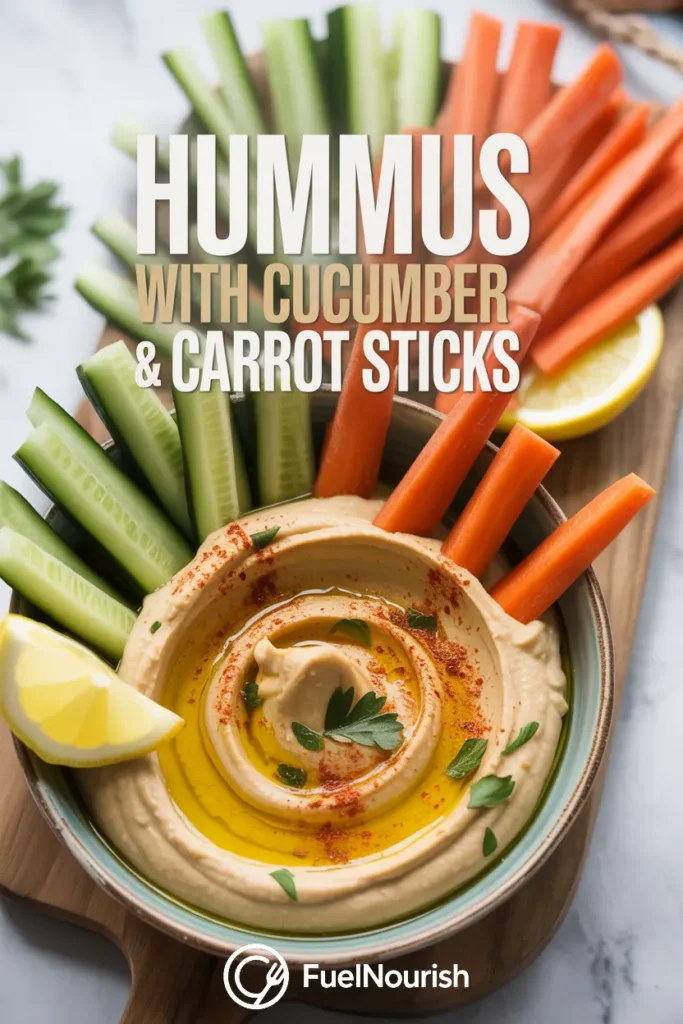
This classic Mediterranean snack is both refreshing and nutrient-dense. Hummus, made from chickpeas and tahini, delivers a powerful mix of plant-based protein, fiber, and healthy fats. Chickpeas support gut health and satiety, while tahini (made from sesame seeds) provides calcium, magnesium, and anti-inflammatory lignans. Paired with crunchy cucumbers and carrots, this snack is hydrating, antioxidant-rich, and satisfying perfect for a midday energy boost.
How to make it:
- In a blender or food processor, combine:
- 1 can (15 oz) chickpeas, rinsed and drained
- 2 tablespoons tahini
- 2 tablespoons lemon juice
- 1 garlic clove (minced)
- 2 tablespoons extra virgin olive oil
- A pinch of sea salt
- 1 can (15 oz) chickpeas, rinsed and drained
- Blend until smooth, adding 1–2 tablespoons water if needed for a creamier consistency.
- Slice fresh cucumbers and carrots into sticks.
- Serve the hummus in a small bowl, drizzled with olive oil and sprinkled with paprika or sesame seeds, alongside the veggie sticks.
Optional variations:
- Add roasted red peppers for a smoky, antioxidant-rich twist.
- Blend in turmeric or cumin for extra anti-inflammatory benefits.
- Use celery, bell pepper strips, or whole-grain crackers as additional dipping options.
- Make it high-protein by stirring in a spoonful of Greek yogurt.
Why it helps:
- Chickpeas provide fiber and protein to keep blood sugar steady and support gut health.
- Tahini and olive oil add heart-healthy monounsaturated fats and anti-inflammatory compounds.
- Cucumbers and carrots are hydrating, rich in antioxidants, and low in calories making this a nutrient-dense, anti-inflammatory snack that satisfies cravings without guilt.
This simple combination is proof that snacking can be both delicious and functional fueling your body while keeping inflammation at bay.
17. Golden Milk Latte (Turmeric Tea)
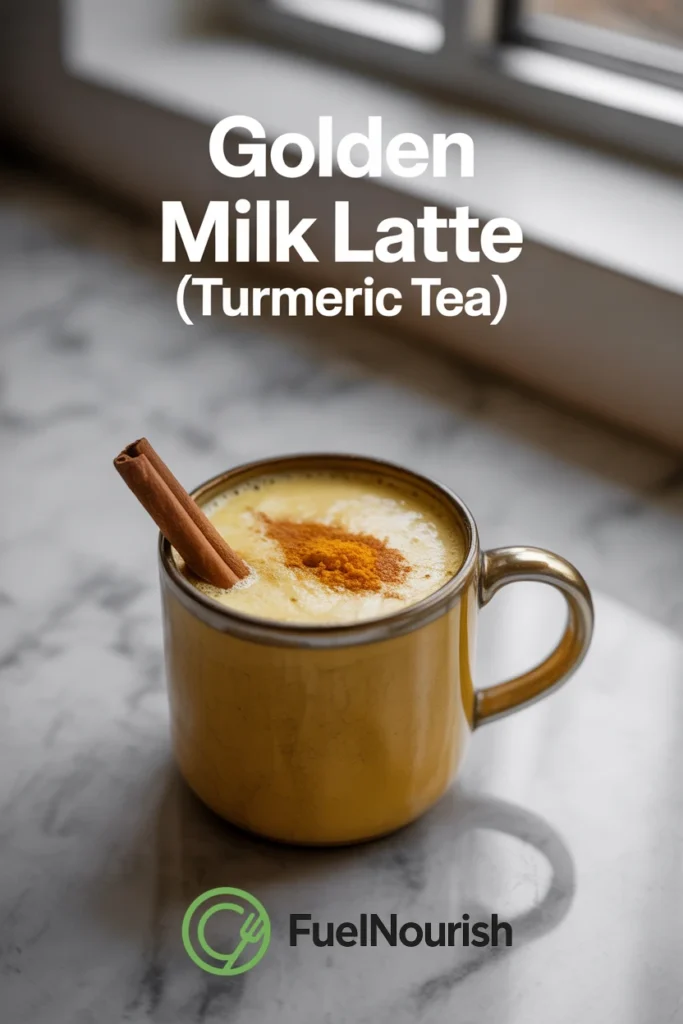
Golden milk, also known as turmeric latte, is a traditional Ayurvedic drink that has been used for centuries as both a calming bedtime ritual and a natural remedy for inflammation. The key ingredient, turmeric, contains curcumin, one of the most powerful natural anti-inflammatory compounds. Adding a pinch of black pepper is essential, as it significantly boosts curcumin absorption. Cinnamon and honey add warmth and sweetness, while the creamy base of almond or oat milk makes this drink soothing and nourishing before bed.
How to make it:
- Warm 1 cup almond, oat, or coconut milk in a small saucepan over medium heat.
- Whisk in 1 teaspoon ground turmeric, ½ teaspoon ground cinnamon, 1 teaspoon raw honey (or maple syrup), and a pinch of black pepper.
- Simmer gently for 2–3 minutes, whisking until smooth and golden.
- Pour into a mug and enjoy warm.
Optional variations:
- Add a slice of fresh ginger for extra anti-inflammatory and digestive support.
- Stir in a pinch of nutmeg or cardamom for a spiced, aromatic twist.
- Use coconut oil or ghee for additional healthy fats and creaminess.
- Make it caffeine-free in the morning or soothing at night depending on your routine.
Why it helps:
- Turmeric (curcumin) reduces inflammation, supports joint health, and aids recovery.
- Black pepper enhances curcumin’s absorption by up to 2000%.
- Cinnamon stabilizes blood sugar and adds antioxidants.
- Warm milk alternatives provide a calming effect that promotes relaxation and sleep.
This cozy drink is more than just a bedtime treat it’s a healing tonic that reduces inflammation, calms the body, and helps you unwind at the end of the day.
18. Roasted Almonds with Paprika
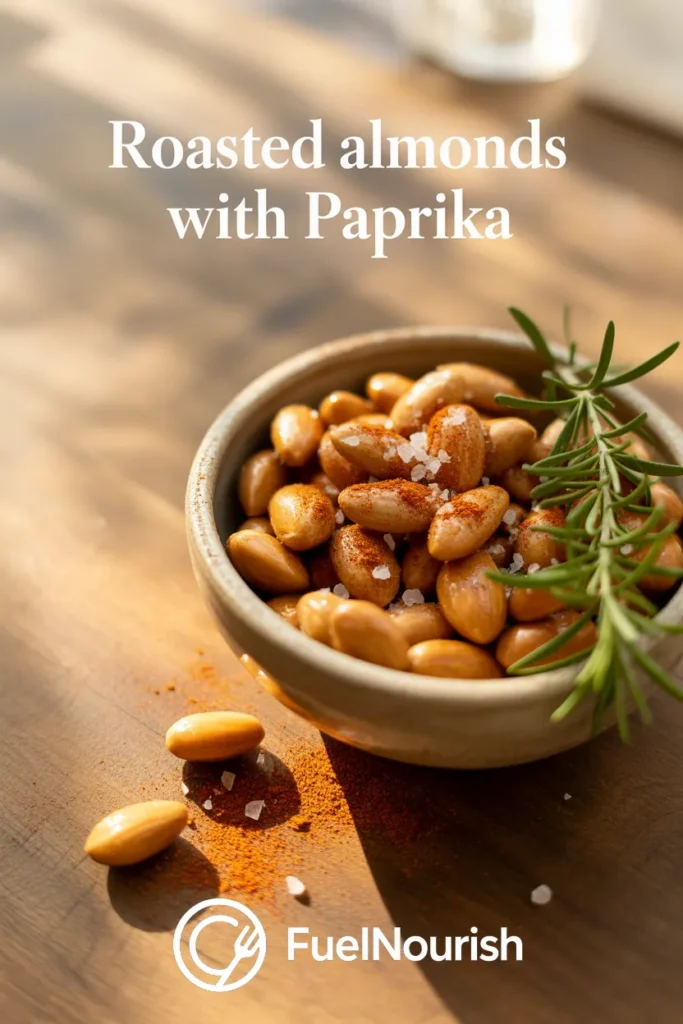
Roasted almonds are a simple yet powerful anti-inflammatory snack. They’re rich in vitamin E, magnesium, and heart-healthy monounsaturated fats, all of which help reduce inflammation and protect against oxidative stress. Adding smoked paprika not only gives them a smoky, savory flavor but also boosts their antioxidant content. This crunchy, satisfying snack is perfect for keeping in the pantry, packing into lunchboxes, or enjoying as a pre-workout energy boost.
How to make it:
- Preheat your oven to 350°F (175°C).
- In a bowl, toss 1 cup raw almonds with 1 teaspoon olive oil and 1 teaspoon smoked paprika. Add a pinch of sea salt if desired.
- Spread almonds evenly on a baking sheet lined with parchment paper.
- Roast for 10–12 minutes, stirring once halfway through, until fragrant and lightly browned.
- Let cool completely before snacking or storing in an airtight container.
Optional variations:
- Add cayenne pepper for a spicy kick.
- Toss with garlic powder or turmeric for extra anti-inflammatory benefits.
- Use sweet paprika for a milder flavor.
- Mix with pumpkin seeds or walnuts for a nutrient-dense snack blend.
Why it helps:
- Almonds provide vitamin E, magnesium, and healthy fats that combat inflammation and support brain and heart health.
- Paprika is rich in carotenoids and antioxidants that fight free radical damage.
- Olive oil enhances nutrient absorption and adds additional anti-inflammatory compounds.
This recipe proves that healthy snacking doesn’t have to be boring it’s a crunchy, protein-rich, and antioxidant-packed bite that keeps you full and supports overall wellness.
19. Chia Seed Pudding with Almond Milk & Berries
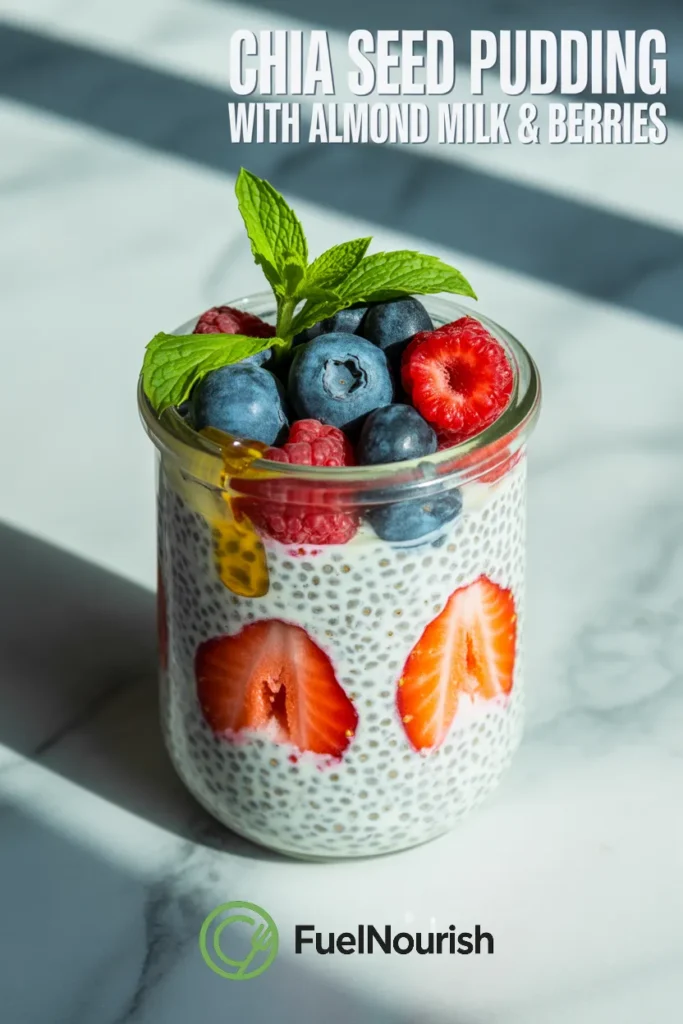
Chia seeds may be tiny, but they’re nutritional powerhouses. When soaked, they absorb liquid and expand, creating a pudding-like texture that makes for a satisfying, make-ahead snack or light breakfast. They’re rich in omega-3 fatty acids, fiber, protein, and antioxidants, all of which help fight inflammation and support gut health. Pairing chia pudding with fresh berries enhances the anti-inflammatory benefits, as berries are loaded with polyphenols and vitamin C.
How to make it:
- In a jar or bowl, mix 3 tablespoons chia seeds with 1 cup almond milk (or oat/coconut milk for creaminess).
- Stir in 1 teaspoon raw honey or pure maple syrup for natural sweetness.
- Cover and refrigerate for 4–6 hours, or preferably overnight, until thickened.
- Before serving, stir well and top with fresh blueberries, raspberries, or strawberries.
Optional variations:
- Add a pinch of cinnamon or vanilla extract for extra flavor.
- Layer with Greek yogurt for added protein and creaminess.
- Top with nuts or granola for crunch.
- Stir in cacao powder for a chocolate chia pudding version.
Why it helps:
- Chia seeds provide omega-3s and fiber that support digestion, reduce bloating, and stabilize blood sugar.
- Almond milk adds calcium and a light, dairy-free base.
- Berries supply antioxidants and polyphenols that protect cells from inflammation and oxidative stress.
This pudding is proof that a snack can feel like dessert while still being nutrient-dense, anti-inflammatory, and supportive of long-lasting satiety.
20. Guacamole with Anti-Bloat Ingredients
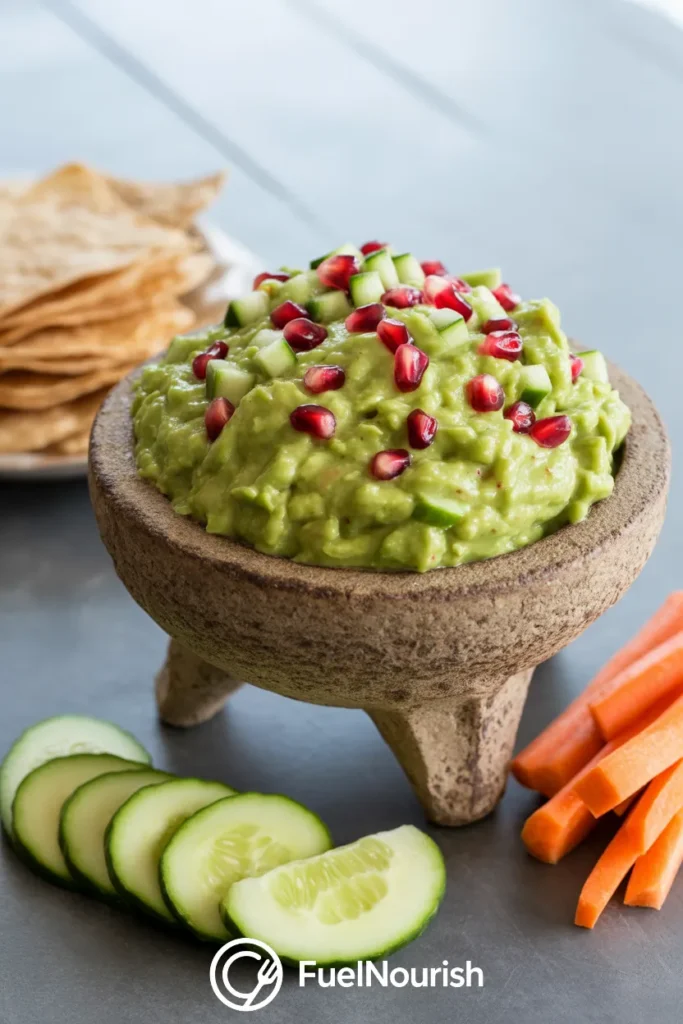
Guacamole is more than just a tasty dip it’s a gut-friendly, anti-inflammatory snack that supports digestion and satiety. Avocados are loaded with monounsaturated fats, potassium, and fiber, which help reduce bloating and keep you full. Lime juice adds a refreshing tang while boosting vitamin C, garlic provides sulfur compounds that fight inflammation, and cilantro delivers antioxidants and natural detoxifying properties. Together, these ingredients create a flavorful dip that nourishes your body as much as it satisfies your taste buds.
How to make it:
- Mash 2 ripe avocados in a bowl until creamy but slightly chunky.
- Stir in juice of 1 fresh lime, 1 minced garlic clove, and 2 tablespoons chopped cilantro.
- For added texture and flavor, mix in ½ diced tomato or ¼ cup finely chopped red onion (optional).
- Season with sea salt and black pepper to taste.
- Serve with cucumber slices, celery sticks, bell pepper strips, or whole-grain crackers.
Optional variations:
- Add a pinch of cayenne or jalapeño for a metabolism-boosting kick.
- Stir in pomegranate seeds for a sweet antioxidant twist.
- Replace lime with lemon if preferred.
- Use it as a topping for tacos, grain bowls, or salads for extra creaminess.
Why it helps:
- Avocados provide healthy fats and potassium to reduce water retention and inflammation.
- Garlic adds anti-inflammatory sulfur compounds that support gut health.
- Cilantro and lime aid digestion and detoxification while supplying antioxidants.
- Vegetable dippers increase fiber and hydration, further preventing bloating.
This guacamole is a perfect example of functional snacking creamy, flavorful, and packed with ingredients that keep your gut calm and your energy steady.
Easy Anti-Inflammatory Smoothies & Drinks
Smoothies and healing drinks are one of the easiest ways to load up on anti-inflammatory nutrients. Whether you need a quick breakfast, a calming tea, or an energizing shot, these drinks are simple, tasty, and packed with natural compounds that fight inflammation and support digestion.
21. Blueberry-Ginger Smoothie
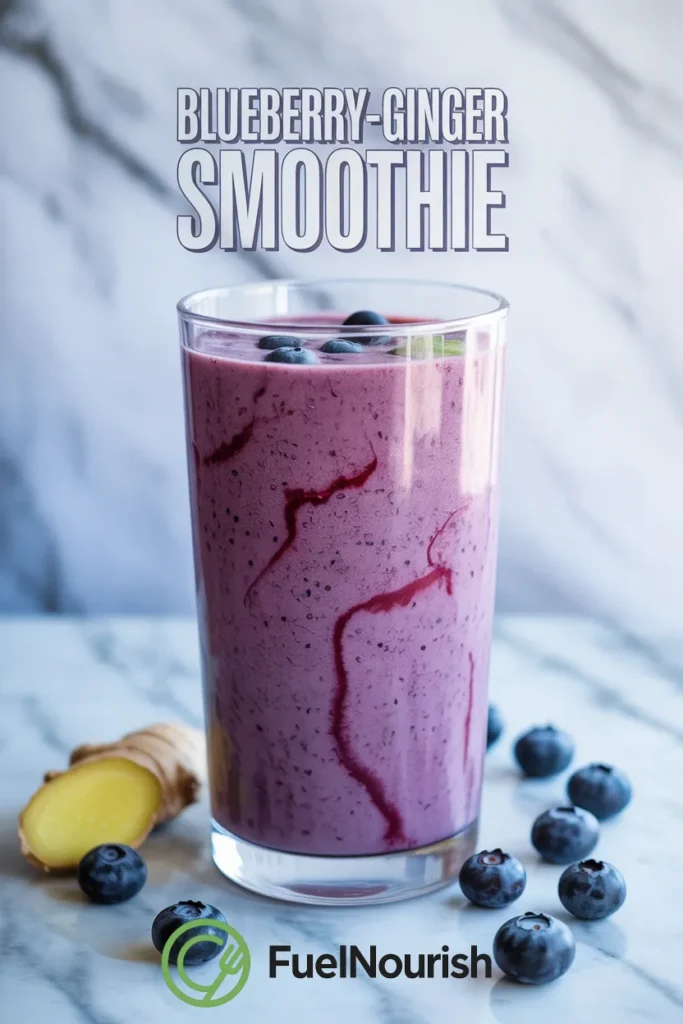
This refreshing smoothie is a powerhouse of antioxidants, fiber, and digestive support. Blueberries are rich in anthocyanins, compounds that help reduce oxidative stress and inflammation at the cellular level. Ginger adds a warm, zesty kick while soothing the gut, improving digestion, and reducing bloating. Combined with chia seeds for omega-3s and fiber, this smoothie makes an excellent breakfast, post-workout recovery drink, or afternoon energy boost.
How to make it:
- Add to a blender:
- 1 cup blueberries (fresh or frozen)
- 1 frozen banana
- 1 teaspoon grated fresh ginger
- 1 cup unsweetened almond milk (or oat milk for creaminess)
- 1 tablespoon chia seeds
- 1 cup blueberries (fresh or frozen)
- Blend until smooth and creamy.
- Pour into a glass and enjoy chilled.
Optional variations:
- Add 1 scoop plant-based protein powder for a more filling meal.
- Toss in a handful of spinach for extra iron and antioxidants (you won’t taste it!).
- Use flaxseeds instead of chia for more lignans.
- Add a squeeze of lemon juice for brightness and extra vitamin C.
Why it helps:
- Blueberries provide anthocyanins that protect cells and fight inflammation.
- Ginger calms the digestive system, reduces bloating, and supports immunity.
- Chia seeds deliver fiber and omega-3s for gut health and satiety.
- Banana + almond milk create a creamy base that’s naturally sweet and rich in electrolytes.
This smoothie is a nutrient-dense, anti-inflammatory drink that’s simple to make yet powerful enough to become part of your daily wellness routine.
22. Pineapple-Turmeric Smoothie
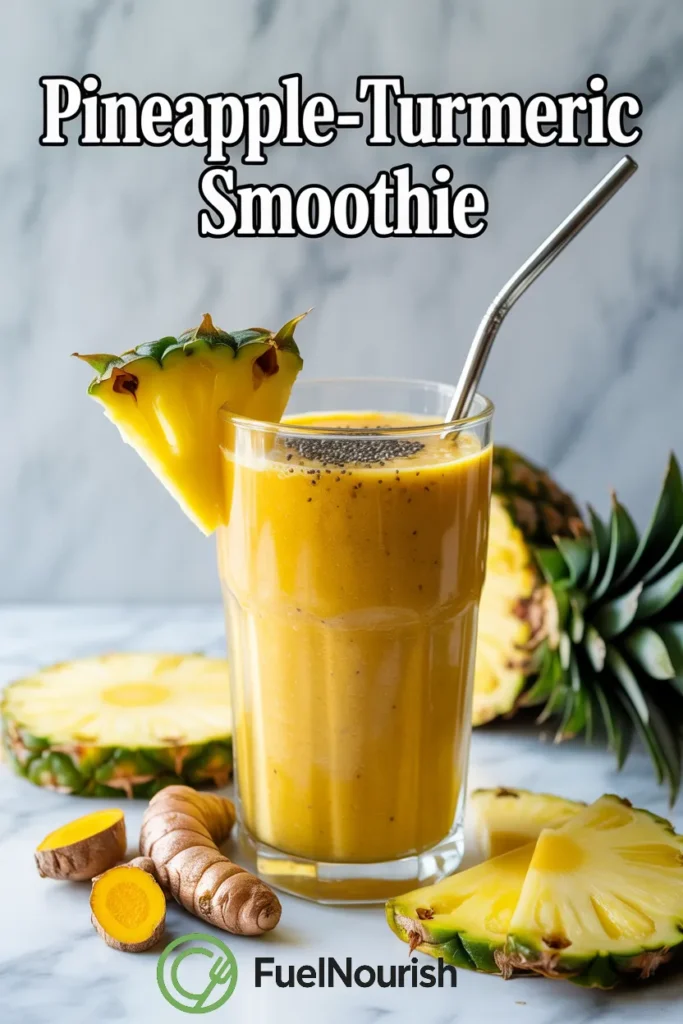
This tropical smoothie is as healing as it is refreshing. Pineapple is rich in bromelain, an enzyme that helps reduce inflammation and supports digestion by breaking down proteins. Turmeric brings in curcumin, one of nature’s most potent anti-inflammatory compounds, while the addition of black pepper enhances curcumin absorption dramatically. With banana for creaminess and natural sweetness, this smoothie doubles as a cooling summer drink or a powerful post-workout recovery blend.
How to make it:
- Add to a blender:
- 1 cup pineapple chunks (fresh or frozen)
- ½ cup coconut water (or unsweetened almond milk for creaminess)
- ½ teaspoon turmeric powder (or 1-inch piece fresh turmeric root, peeled)
- ½ frozen banana
- A pinch of black pepper
- 1 cup pineapple chunks (fresh or frozen)
- Blend until smooth and creamy.
- Serve immediately over ice if desired.
Optional variations:
- Add 1 teaspoon grated ginger for extra anti-inflammatory and digestive support.
- Toss in a handful of spinach or kale for a green nutrient boost (the pineapple will mask the flavor).
- Stir in 1 tablespoon chia seeds or hemp seeds for extra omega-3s and protein.
- For a dessert-like version, add a splash of vanilla extract and top with shredded coconut.
Why it helps:
- Pineapple (bromelain) reduces inflammation, improves digestion, and supports joint health.
- Turmeric (curcumin) fights inflammation and oxidative stress throughout the body.
- Black pepper boosts curcumin absorption by up to 2000%, making this smoothie more effective.
- Banana adds potassium and natural electrolytes for recovery and hydration.
- Coconut water provides hydration and minerals, making it perfect post-exercise.
This smoothie is the perfect balance of tropical flavor and functional nutrition a cooling, energizing way to fight inflammation and refuel your body.
23. Anti-Nausea Smoothie with Ginger & Banana
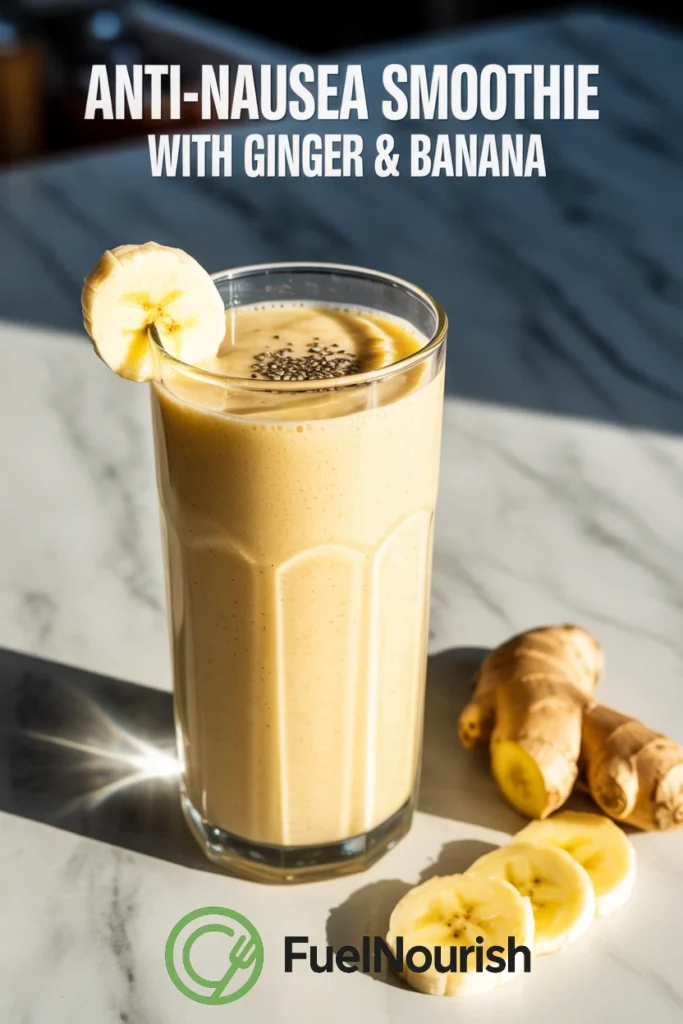
This soothing smoothie is perfect for days when your stomach feels unsettled but you still want something nourishing. Ginger is well known for its anti-nausea and anti-inflammatory properties, helping calm the stomach and improve digestion. Banana adds a creamy base while providing potassium and electrolytes, which are especially helpful if you’ve been feeling weak or dehydrated. The addition of mango or pineapple gives a touch of natural sweetness along with digestive enzymes that further support gut comfort.
How to make it:
- Add to a blender:
- 1 ripe banana
- 1 teaspoon freshly grated ginger (or ½ teaspoon powdered ginger if fresh isn’t available)
- ½ cup mango or pineapple chunks (fresh or frozen)
- 1 cup unsweetened almond milk or coconut water
- 1 ripe banana
- Blend until silky smooth.
- Serve chilled for extra refreshment.
Optional variations:
- Add a squeeze of lemon juice for vitamin C and a fresh flavor.
- Stir in 1 teaspoon honey if you prefer added sweetness.
- Toss in 1 tablespoon chia seeds for extra fiber and omega-3s.
- Use Greek yogurt instead of milk for a thicker, protein-rich version.
Why it helps:
- Ginger reduces nausea, inflammation, and bloating while supporting digestion.
- Banana replenishes potassium and electrolytes, soothing the digestive tract.
- Mango or pineapple provide natural enzymes (like bromelain) that ease digestion.
- Coconut water hydrates the body and restores mineral balance.
This smoothie is not only gentle on the stomach but also replenishing and nutrient-dense, making it ideal for mornings when you’re queasy, post-travel, or after recovering from illness.
24. Anti-Inflammation Shot with Lemon, Ginger & Cayenne
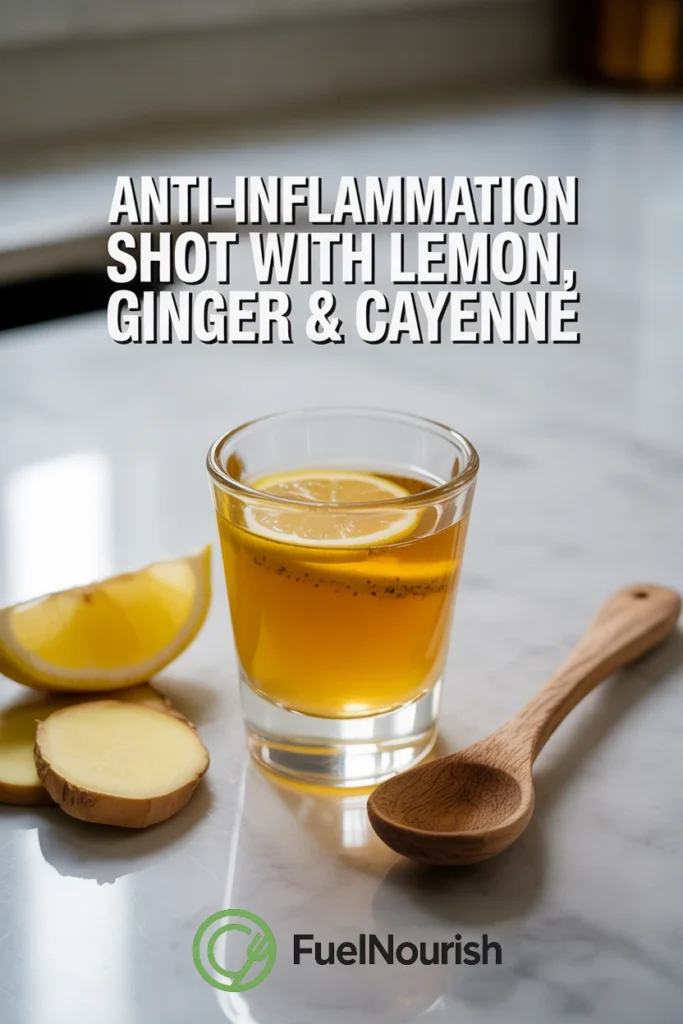
When you need a quick, powerful pick-me-up, this fiery shot delivers. Packed with ginger, cayenne, and lemon, it’s designed to boost circulation, support immunity, and kickstart digestion in just a few sips. Think of it as a natural wake-up call for your body energizing, cleansing, and deeply anti-inflammatory. It’s an excellent option for mornings, post-travel, or anytime you feel sluggish.
How to make it:
- In a small glass or shot glass, combine:
- Juice of ½ a lemon
- 1 teaspoon freshly grated ginger (or ½ teaspoon ginger juice)
- A pinch of cayenne pepper
- Optional: ½ teaspoon raw honey for sweetness
- Juice of ½ a lemon
- Stir or whisk until well blended.
- Drink immediately for the best effects.
Optional variations:
- Add 1 tablespoon apple cider vinegar for extra gut health support.
- Use orange juice instead of lemon for a sweeter, vitamin-C–rich twist.
- Stir in a pinch of turmeric for added anti-inflammatory power (with a dash of black pepper for absorption).
- Blend with a splash of water if you prefer a milder version.
Why it helps:
- Ginger reduces nausea, inflammation, and supports digestion.
- Cayenne pepper boosts circulation, metabolism, and has capsaicin a compound with anti-inflammatory properties.
- Lemon provides vitamin C and antioxidants that strengthen the immune system.
- Honey (optional) soothes the throat and adds antimicrobial benefits.
This concentrated shot is a natural immune booster and anti-inflammatory tonic small in size but big on health benefits.
25. Matcha Green Tea Latte
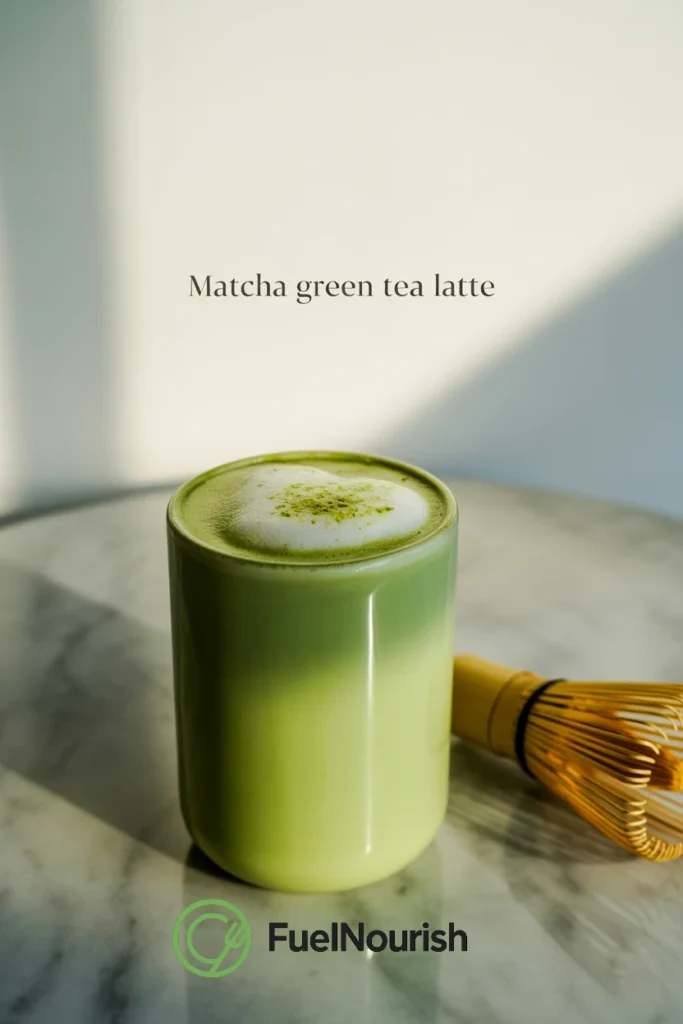
Matcha is a finely ground powdered green tea that delivers a powerful dose of antioxidants in every sip. It’s especially high in catechins, compounds known to fight inflammation, reduce oxidative stress, and support cardiovascular and brain health. Unlike coffee, matcha contains L-theanine, an amino acid that promotes calm focus, making this latte a soothing yet energizing alternative to your morning cup of coffee.
How to make it:
- In a small bowl, sift 1 teaspoon matcha powder to remove clumps.
- Add 2–3 tablespoons hot (not boiling) water and whisk vigorously with a bamboo whisk (or small frother) until smooth and slightly frothy.
- Heat 1 cup oat or almond milk until warm, then froth if desired.
- Pour the milk into the matcha mixture and stir well.
- Sweeten with 1 teaspoon raw honey or maple syrup if you prefer a touch of sweetness.
Optional variations:
- Add a pinch of cinnamon or vanilla extract for extra warmth and flavor.
- Make it an iced version by shaking matcha with cold oat milk and ice.
- Blend in a scoop of collagen or plant-based protein powder for an energizing breakfast drink.
- Use coconut milk for a richer, creamier latte.
Why it helps:
- Matcha (catechins) reduce inflammation, protect cells, and support brain health.
- L-theanine + caffeine provide steady energy and focus without jitters.
- Plant-based milk makes it dairy-free and adds creaminess.
- Optional honey/maple syrup offers natural antioxidants while balancing bitterness.
This latte is both calming and energizing, giving you a sustained boost of focus while flooding your body with antioxidants the perfect daily ritual for long-term health.
Tips for Making Anti-Inflammatory Recipes Work for You
- Prep meals in advance to make the diet easy and sustainable.
- Use spices like turmeric, cinnamon, and ginger daily.
- Prioritize whole foods: fruits, vegetables, legumes, nuts, and lean proteins.
- Swap refined carbs for whole grains (quinoa, oats, brown rice).
- Replace sugary drinks with teas, smoothies, or infused water.
Final Thoughts
Following an anti-inflammatory diet doesn’t mean giving up flavor. These 25 easy Anti-Inflammatory recipes are not only healthy but also rich in taste, color, and nutrients. Whether you’re starting your day with overnight oats, sipping on a turmeric latte, or ending your evening with a comforting soup, each recipe is designed to fight inflammation while keeping your meals exciting.