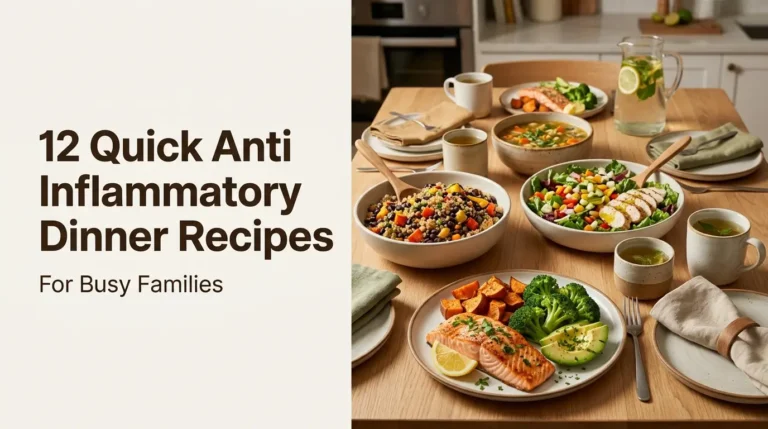
How to Prep a Week of Anti-Inflammatory Dinners in One Hour
For many people, evenings are the busiest time of the day. After work, school, commuting, and family responsibilities, finding the time and energy to cook a healthy dinner can feel overwhelming. It’s easy to rely on takeout, convenience foods, or quick processed meals simply because they require less effort.
While these options can be convenient, many people are looking for ways to prepare more balanced meals at home. One approach that has become increasingly popular is following an anti-inflammatory diet, which focuses on whole foods like vegetables, lean proteins, healthy fats, and whole grains.
The challenge is that cooking these meals every night can feel time-consuming. That’s where meal prep becomes a practical solution.
By spending a short amount of time preparing ingredients ahead of the week, you can make it much easier to cook nourishing dinners without the stress of starting from scratch each evening.
In this guide, you’ll learn how to prep a week of anti-inflammatory dinners in about one hour. With a little planning and a few versatile ingredients, you can build several simple meals that are easy to assemble on busy weeknights.
Why Meal Prep Works for an Anti-Inflammatory Diet
Meal prepping is one of the most effective strategies for maintaining healthy eating habits during a busy week. Instead of deciding what to cook each evening, you already have ingredients ready to use.
This approach works especially well for people following an anti-inflammatory diet meal planning strategy because many of the ingredients used in anti-inflammatory meals are easy to prepare in batches.
Typical anti-inflammatory dinners often include:
- Vegetables such as leafy greens, broccoli, peppers, and sweet potatoes
- Lean proteins like chicken, fish, beans, lentils, or eggs
- Whole grains such as quinoa, brown rice, or farro
- Healthy fats from olive oil, nuts, seeds, and avocado
- Herbs and spices like garlic, turmeric, ginger, basil, and parsley
When these ingredients are prepared ahead of time, creating dinner becomes much faster.
Meal prep also helps reduce the temptation to rely on processed convenience foods. When healthy ingredients are already cooked or chopped, it’s much easier to assemble a balanced meal in minutes.
Another advantage is flexibility. Instead of preparing identical meals every day, anti-inflammatory meal prep allows you to mix and match ingredients to create different dinners throughout the week.
Ingredients to Keep on Hand for Anti-Inflammatory Meal Prep
A successful meal prep routine begins with choosing versatile ingredients that can be used in multiple meals.
Many of the foods used in anti-inflammatory cooking work well for batch preparation because they store easily and maintain their texture for several days.
Leafy Greens
Spinach, kale, and arugula are excellent additions to salads, grain bowls, and quick sautés.
Colorful Vegetables
Vegetables such as broccoli, bell peppers, zucchini, carrots, and sweet potatoes can be roasted in batches and used in several meals throughout the week.
Whole Grains
Quinoa, brown rice, and farro are excellent bases for grain bowls, stir-fries, and salads.
Lean Proteins
Chicken breast, salmon, tofu, chickpeas, lentils, and eggs provide satisfying protein that works in many different dishes.
Healthy Fats
Olive oil, avocado, nuts, and seeds help balance meals while adding flavor and texture.
Herbs and Spices
Garlic, ginger, turmeric, lemon, basil, parsley, and cumin are commonly used in simple anti-inflammatory dinners because they add flavor without needing heavy sauces.
By keeping these ingredients on hand, it becomes much easier to create balanced dinners throughout the week.
The One-Hour Meal Prep Plan (Step-by-Step)
Preparing a week of dinners in one hour may sound ambitious, but it becomes very manageable when you focus on prepping components instead of complete meals.
Here is a simple step-by-step approach.
Step 1: Plan the Meals (5 Minutes)
Choose two proteins, one or two grains, and several vegetables that can be used across different meals.
Example plan:
- Protein: chicken and chickpeas
- Grain: quinoa or brown rice
- Vegetables: broccoli, sweet potatoes, bell peppers
This combination can easily create multiple meals during the week.
Step 2: Start Cooking the Grains (10 Minutes)
Begin cooking a large batch of quinoa or brown rice.
Whole grains usually take about 20 minutes to cook, so starting them first ensures they will be ready by the time other ingredients finish.
Cook enough for four to five servings.
Step 3: Prepare the Vegetables (10 Minutes)
Chop vegetables such as:
- Broccoli
- Bell peppers
- Zucchini
- Sweet potatoes
Spread them on a sheet pan, drizzle with olive oil, and season lightly with herbs or spices.
Step 4: Roast the Vegetables (25 Minutes)
Place the sheet pan in the oven and roast at around 400°F.
Roasting brings out the natural sweetness of vegetables and allows you to cook several servings at once.
Step 5: Cook the Protein (20 Minutes)
While vegetables are roasting, cook your protein.
Options include:
- Baking chicken breast
- Sautéing tofu
- Preparing chickpeas with spices
Cook enough protein for multiple dinners.
Step 6: Store the Components (10 Minutes)
Once everything is cooked, allow ingredients to cool slightly before storing them in containers.
Keep items separated so they can be mixed and matched throughout the week.
Prepared ingredients may include:
- Cooked grain
- Roasted vegetables
- Protein
- Fresh greens
With these ingredients ready, assembling dinner during the week takes only a few minutes.
5 Simple Anti-Inflammatory Dinner Ideas Using the Prep
1. Mediterranean Chicken Quinoa Bowl
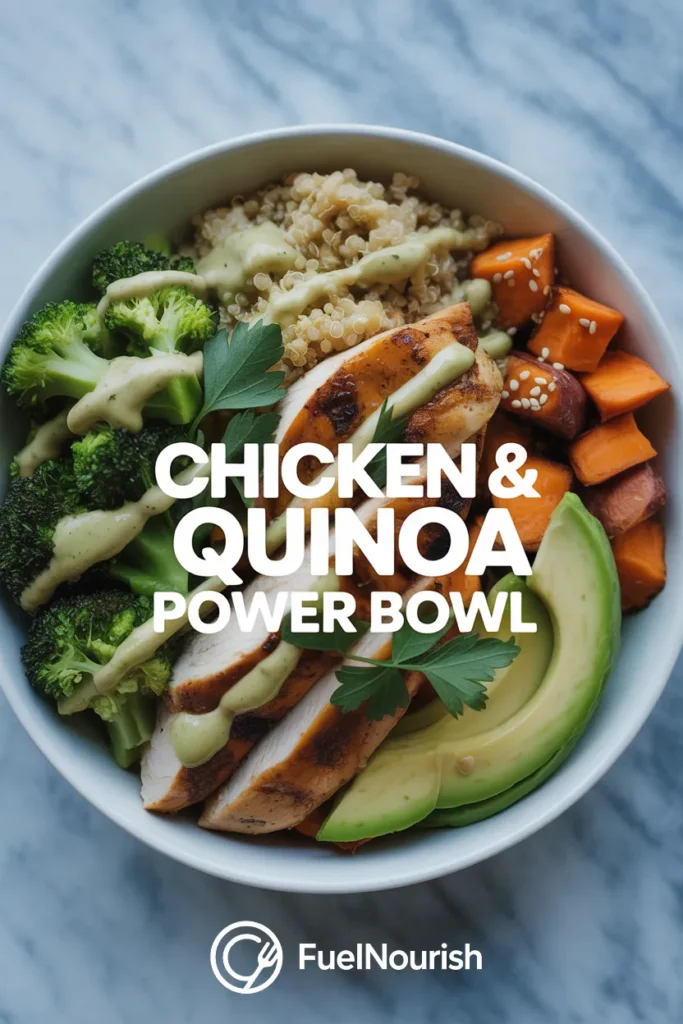
This bowl combines quinoa, roasted vegetables, grilled chicken, and a drizzle of olive oil. The flavors are fresh and balanced, making it a quick dinner that feels both satisfying and nourishing.
Key Ingredients:
- Quinoa
- Grilled chicken
- Roasted vegetables
- Olive oil and lemon
Why It Works:
- Lean protein helps create balanced meals
- Whole grains provide fiber and steady energy
- Vegetables add nutrients and color
Quick Assembly Tip:
Reheat quinoa and chicken, then add vegetables and a squeeze of lemon.
Best For:
Weeknight dinners.
2. Sweet Potato & Chickpea Grain Bowl
This plant-based bowl combines roasted sweet potatoes with chickpeas and quinoa. The flavors are warm and comforting while still being light enough for everyday meals.
Key Ingredients:
- Sweet potatoes
- Chickpeas
- Quinoa
- Spinach
Why It Works:
- Chickpeas provide plant-based protein
- Sweet potatoes add fiber and nutrients
- Balanced ingredients support satisfying dinners
Quick Assembly Tip:
Warm the grain and vegetables together in a skillet.
Best For:
Meatless weeknight dinners.
3. Quick Chicken & Veggie Stir Fry
Using prepped vegetables and cooked chicken makes stir-fry one of the fastest dinners to prepare.
Key Ingredients:
- Chicken
- Broccoli
- Bell peppers
- Brown rice
Why It Works:
- Lean protein keeps the meal balanced
- Vegetables add fiber and nutrients
- Whole grains support sustained energy
Quick Assembly Tip:
Sauté vegetables briefly before adding chicken and rice.
Best For:
Busy weeknights.
4. Roasted Veggie & Quinoa Salad
This meal can be served warm or chilled. It combines roasted vegetables with quinoa and fresh greens for a light but satisfying dinner.
Key Ingredients:
- Quinoa
- Roasted vegetables
- Spinach
- Olive oil
Why It Works:
- Whole grains provide fiber
- Vegetables add nutrients and flavor
- Healthy fats help balance the meal
Quick Assembly Tip:
Mix ingredients in a bowl and add dressing just before serving.
Best For:
Light dinners.
5. Chicken & Avocado Grain Bowl
This quick bowl combines chicken, grains, roasted vegetables, and sliced avocado for a satisfying dinner that comes together in minutes.
Key Ingredients:
- Chicken
- Brown rice or quinoa
- Roasted vegetables
- Avocado
Why It Works:
- Balanced combination of protein, fiber, and healthy fats
- Ingredients are easy to mix and match
- Meal prep makes cooking faster
Quick Assembly Tip:
Slice avocado just before serving to keep it fresh.
Best For:
Quick healthy meals.
Tips for Making Meal Prep Easier
Meal prep becomes much easier when you keep the process simple and flexible.
Choose Versatile Ingredients
Select foods that can work in multiple dishes, such as roasted vegetables, grains, and proteins.
Use Sheet Pan Cooking
Sheet pan roasting allows you to cook large amounts of vegetables at once with minimal cleanup.
Prepare Simple Sauces
A quick lemon olive oil dressing or yogurt-based sauce can transform basic ingredients into flavorful meals.
Store Meals Properly
Use airtight containers to keep prepared ingredients fresh throughout the week.
Keep the Routine Simple
You don’t need complicated recipes. Focus on preparing a few core ingredients that can be mixed and matched.
FAQs
What foods are commonly used in anti-inflammatory dinners?
Common ingredients include vegetables, leafy greens, whole grains, beans, fish, lean poultry, olive oil, nuts, seeds, and herbs such as garlic or turmeric.
How long do meal prepped dinners stay fresh?
Most prepared ingredients such as grains, roasted vegetables, and cooked proteins stay fresh in the refrigerator for about three to four days when stored properly.
Can beginners start meal prepping easily?
Yes. Beginners can start by preparing just one or two ingredients ahead of time, such as roasted vegetables or cooked grains, and gradually expand their meal prep routine.
What are the best ingredients for anti-inflammatory meal prep?
Versatile ingredients such as quinoa, brown rice, roasted vegetables, chickpeas, chicken, leafy greens, olive oil, and herbs work well because they can be used in many different meals.
Do I need special containers for meal prep?
Airtight food containers help keep ingredients fresh and organized, but many standard storage containers work well.
Conclusion
Cooking healthy dinners during a busy week can be challenging, but anti-inflammatory meal prep makes it much easier to stay consistent with nourishing meals.
By preparing grains, vegetables, and proteins in advance, you can quickly assemble simple anti-inflammatory dinners in just a few minutes each evening. This approach not only saves time but also makes it easier to maintain balanced eating habits.
The key to success is starting small and choosing versatile ingredients that work across multiple meals. With a little planning and one focused hour of preparation, you can simplify your weekly cooking routine while still enjoying delicious, wholesome dinners.
Over time, meal prepping becomes a habit that makes healthy eating feel more manageable and enjoyable even during the busiest weeks.
Related: 15 Anti Inflammatory Lunches Recipes to keep your weekly meals balanced, convenient, and full of nourishing options.