15 Anti-Inflammatory Soups to Keep You Warm This February
A pot of soup on the stove is one of the simplest ways to get through February, and soups can fit into an anti-inflammatory eating pattern with ease. They are built on vegetables, beans, grains, and herbs, and they let you cook once and eat well for several days.
This collection includes smooth blended soups, hearty bean and barley soups, and a few lighter broths for variety. Overall dietary pattern matters more than any single recipe, so choose the soups that match your pantry, your schedule, and the flavors your household actually enjoys.
What Makes Soups Anti-Inflammatory?
Soups can fit into an anti-inflammatory eating pattern because their base is usually vegetables, legumes, and broth, with herbs and spices doing the flavor work. Ingredients like tomatoes, leafy greens, beans, and root vegetables appear again and again in these recipes, and they bring fiber, color, and variety to the bowl.
Because soup is cooked in one pot, it is also easy to keep portions balanced and to avoid heavily processed additions. A soup built on whole ingredients, seasoned well, and served with bread or a salad can be a complete, satisfying meal.
Variety matters as much as any single ingredient. Rotating different vegetables, fruits, legumes, grains, and proteins across the week gives you a wider range of flavors and nutrients, and it keeps meals from feeling repetitive. If a recipe calls for an ingredient you do not like or cannot find, a close substitute from the same food group usually works, as long as you keep the cooking method and seasoning balanced.
For background reading, you can look at Cleveland Clinic's guide to an anti-inflammatory diet and Harvard Nutrition Source's guide to vegetables and fruits for general information about these foods and eating patterns.
Quick Recipe Comparison Table: 15 Anti-Inflammatory Soups to Keep You Warm This February
| Recipe | Main Flavor | Protein Source (if any) | Best For |
|---|---|---|---|
| Tomato Basil Lentil Soup | Tomato and basil | Lentils | Weeknight soup |
| Butternut Squash Ginger Soup | Butternut squash and ginger | None | Cold nights |
| Chicken Vegetable Barley Soup | Chicken and barley | Chicken | Family dinner |
| Black Bean Sweet Potato Soup | Black bean and sweet potato | Black beans | Meatless soup |
| Mushroom Barley Soup | Mushroom and thyme | None | Mushroom lovers |
| Carrot Turmeric Soup | Carrot and turmeric | None | Lunch soup |
| Broccoli White Bean Soup | Broccoli and lemon | White beans | Busy weeknights |
| White Bean Kale Soup | White bean and kale | White beans | Rustic dinner |
| Beetroot Orange Soup | Beetroot and orange | None | Variety soup |
| Cauliflower Leek Soup | Cauliflower and leek | None | Mild creamy soup |
| Split Pea Mint Soup | Split pea and mint | Split peas | Classic soup |
| Pumpkin Curry Soup | Pumpkin and curry | None | Curry lovers |
| Corn Potato Chowder | Corn and potato | None | Dairy-free chowder |
| Cabbage Caraway Soup | Cabbage and caraway | None | Lighter soup |
| Turkey Herb Meatball Soup | Turkey and herbs | Turkey | Hearty family soup |
Why Soups Are Perfect for February
Quick Answer: Soups suit February because they are warm, filling, and forgiving on cold, dark evenings. A large pot can feed a family, provide lunch the next day, and use up vegetables before they go soft.
They also suit batch cooking. Make a pot on Sunday, freeze half in portions, and you have an easy dinner ready for a night when cooking from scratch feels like too much.
Planning helps too. Look at the week ahead, pick two or three recipes that share ingredients, and shop once for all of them. Shared ingredients cut waste, lower the shopping bill, and make it easier to cook again the next day, since part of the prep is already done.
What Makes an Anti-Inflammatory Soup?
Quick Answer: An anti-inflammatory soup starts with a vegetable or bean base, uses herbs and spices for flavor, and keeps added salt and fat moderate. Broth, water, and blended vegetables give body without needing heavy cream.
It also balances textures: something soft, something with bite, and a fresh topping like herbs or lemon juice, so the soup stays interesting from the first spoonful to the last.
Texture and temperature also play a part. A crunchy topping on a smooth dish, a fresh herb finish on a slow-cooked meal, or a squeeze of citrus at the end can lift a recipe without adding complexity. Small finishing touches like these are often what turn a simple, everyday dish into one you want to make again.
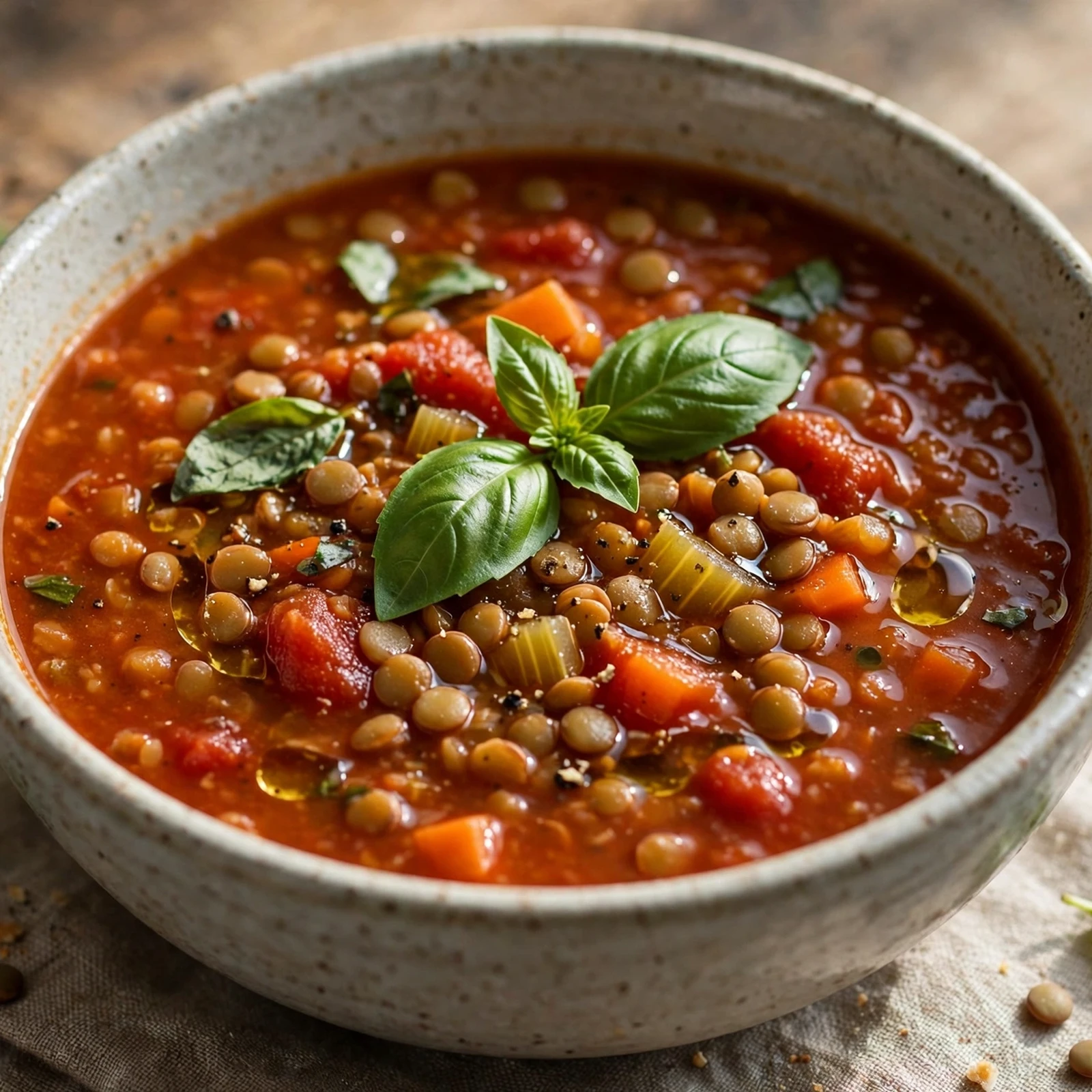
1. Tomato Basil Lentil Soup
Best For
A hearty weeknight soup
Difficulty Level
Easy
Prep Time Category
Moderate (30 to 60 minutes)
Why You’ll Love It
Tomatoes, lentils, and basil make a thick, satisfying soup that tastes like it simmered all day, even though it comes together in under an hour. The lentils give it body, so it feels like a full meal with just bread on the side. It also freezes well, which makes it a useful soup to double.
Key Ingredients
- Brown or green lentils
- Canned or fresh tomatoes
- Onion
- Garlic
- Carrots
- Vegetable stock
- Fresh basil
Flavor Profile
Rich tomato with earthy lentils and a fresh basil finish.
Helpful Tip
Rinse the lentils well and skim any foam early in cooking for a cleaner-tasting soup.
2. Butternut Squash Ginger Soup

Best For
A smooth soup for cold nights
Difficulty Level
Easy
Prep Time Category
Moderate (30 to 60 minutes)
Why You’ll Love It
Roasted butternut squash blended with ginger and a little coconut milk makes a silky, golden soup with gentle warmth. It is naturally sweet from the squash, so it needs only light seasoning. Serve it with toasted seeds on top for crunch against the smooth texture.
Key Ingredients
- Butternut squash
- Fresh ginger
- Onion
- Vegetable stock
- Coconut milk
- Olive oil
- Pumpkin seeds for topping
Flavor Profile
Sweet squash with warm ginger and a creamy, silky texture.
Helpful Tip
Roast the squash until the edges caramelize; that step adds depth that boiling alone cannot give.
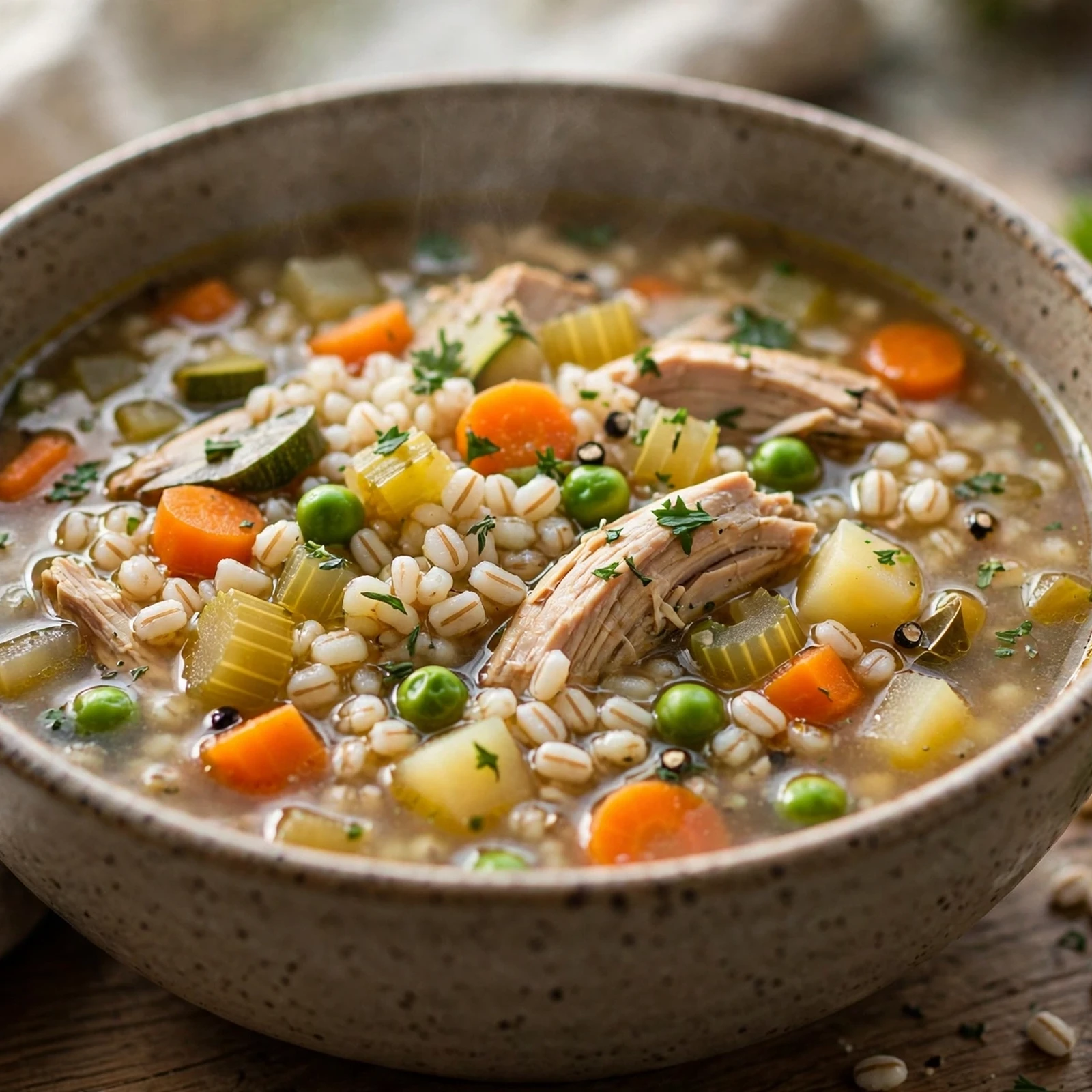
3. Chicken Vegetable Barley Soup
Best For
A filling soup for the whole family
Difficulty Level
Moderate
Prep Time Category
Long (over 60 minutes)
Why You’ll Love It
Chicken, barley, and a mix of root vegetables simmer into a thick, comforting soup that works as a complete dinner. Barley adds a chewy texture that keeps the soup interesting, and the leftovers often taste even better the next day. It is a good soup for a slow weekend afternoon.
Key Ingredients
- Chicken thighs or breast
- Pearl barley
- Carrots
- Celery
- Onion
- Chicken stock
- Fresh parsley
Flavor Profile
Savory chicken with hearty barley and sweet root vegetables.
Helpful Tip
Add the barley with enough stock to spare, since it absorbs liquid as it cooks.
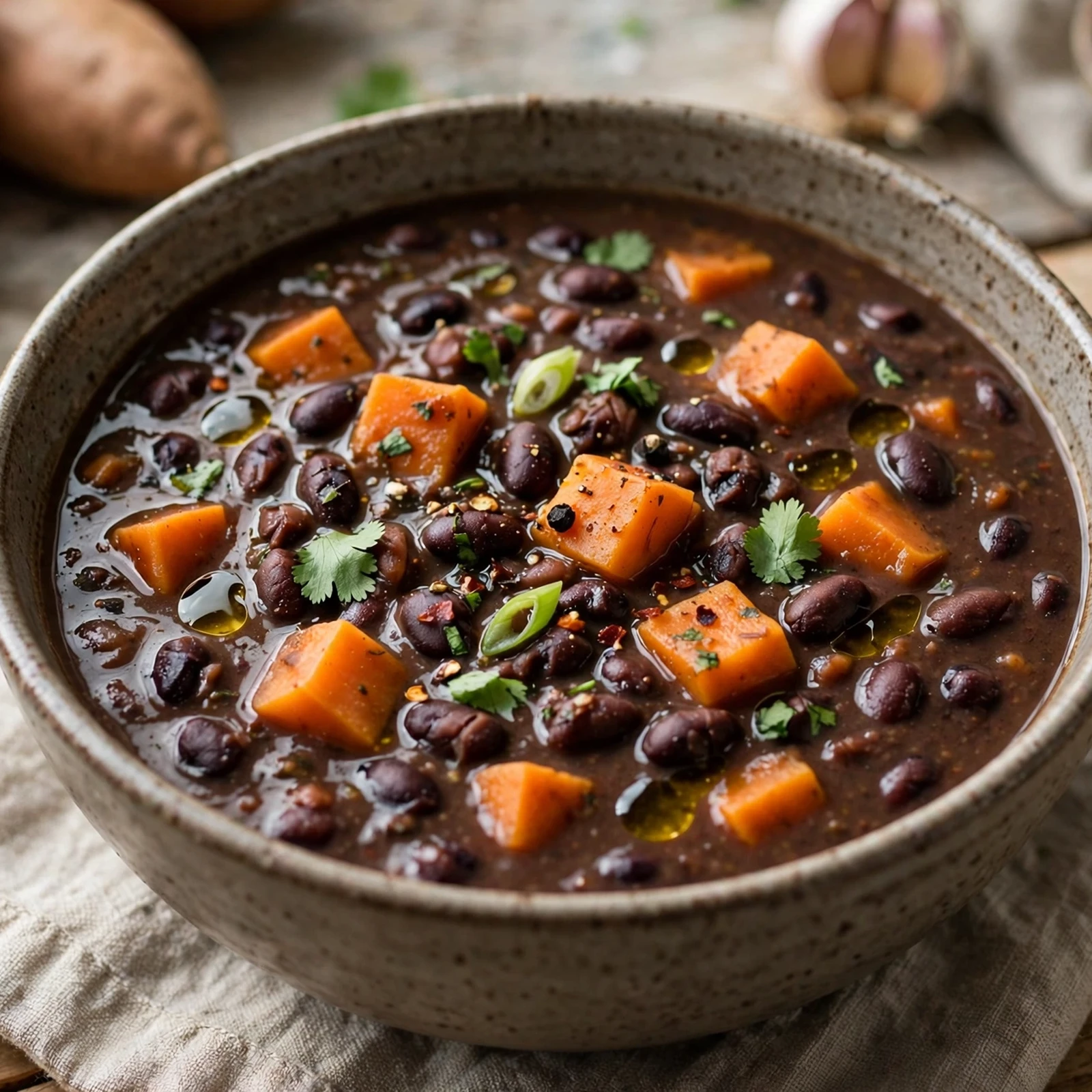
4. Black Bean Sweet Potato Soup
Best For
A smoky meatless soup
Difficulty Level
Easy
Prep Time Category
Moderate (30 to 60 minutes)
Why You’ll Love It
Black beans and sweet potato make a thick, smoky soup with cumin and lime for brightness. The sweet potato breaks down slightly as it cooks, giving the soup a naturally creamy body without any cream. A spoonful of yogurt and fresh cilantro on top finishes it nicely.
Key Ingredients
- Black beans
- Sweet potatoes
- Onion
- Garlic
- Ground cumin
- Vegetable stock
- Lime juice
Flavor Profile
Smoky, earthy, and lightly sweet, with a bright lime finish.
Helpful Tip
Mash a portion of the soup with a spoon before serving to thicken it without a blender.
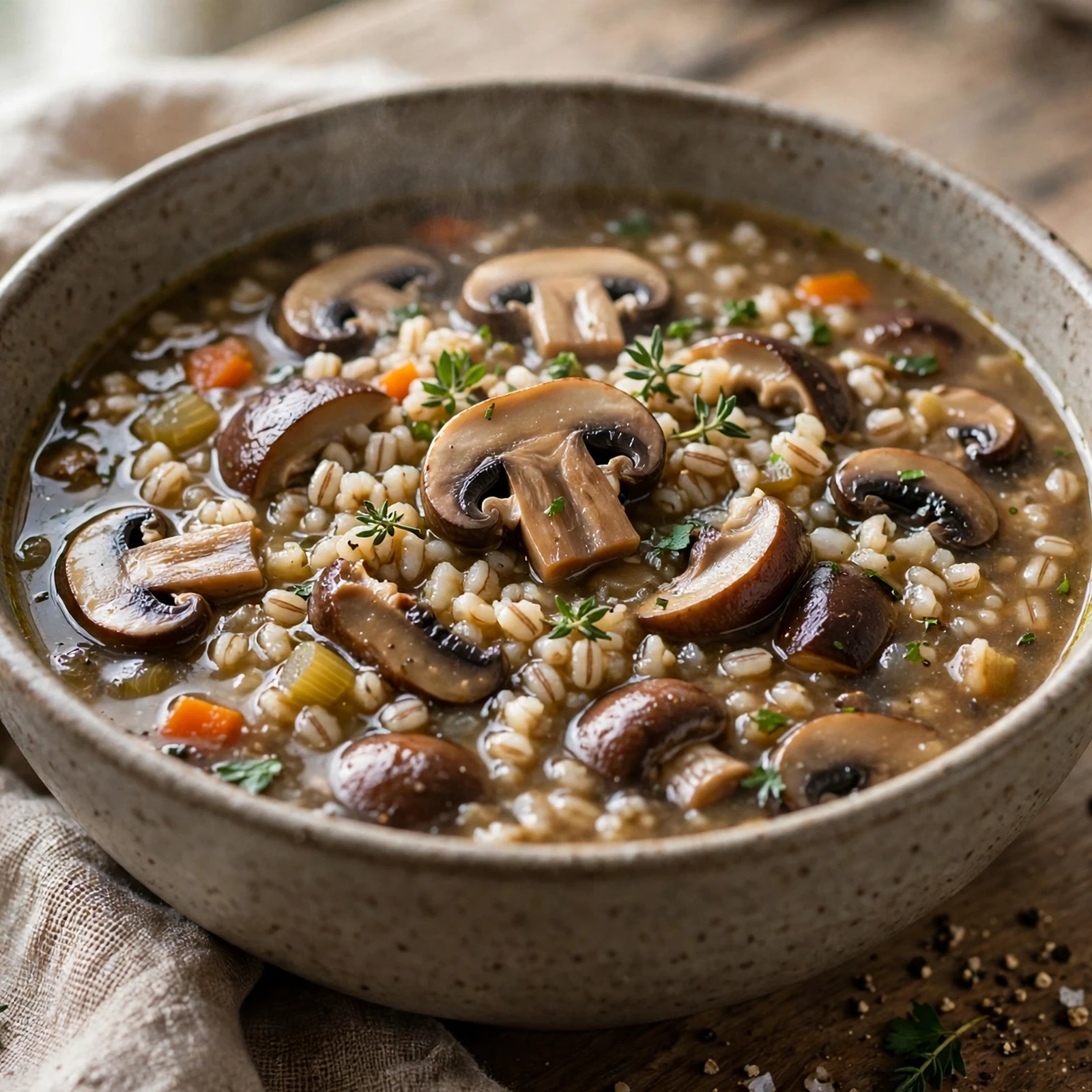
5. Mushroom Barley Soup
Best For
An earthy soup for mushroom lovers
Difficulty Level
Moderate
Prep Time Category
Long (over 60 minutes)
Why You’ll Love It
Mushrooms, barley, and thyme simmer into a deeply savory soup with a satisfying, chewy texture. Dried mushrooms, if you have them, add extra depth, while fresh mushrooms give body. It is a quiet, warming soup that suits a cold February evening at home.
Key Ingredients
- Mixed mushrooms
- Pearl barley
- Onion
- Carrots
- Thyme
- Vegetable stock
- Soy sauce or tamari
Flavor Profile
Earthy mushroom with savory thyme and chewy barley.
Helpful Tip
Brown the mushrooms well before adding stock; that browning step builds most of the flavor.
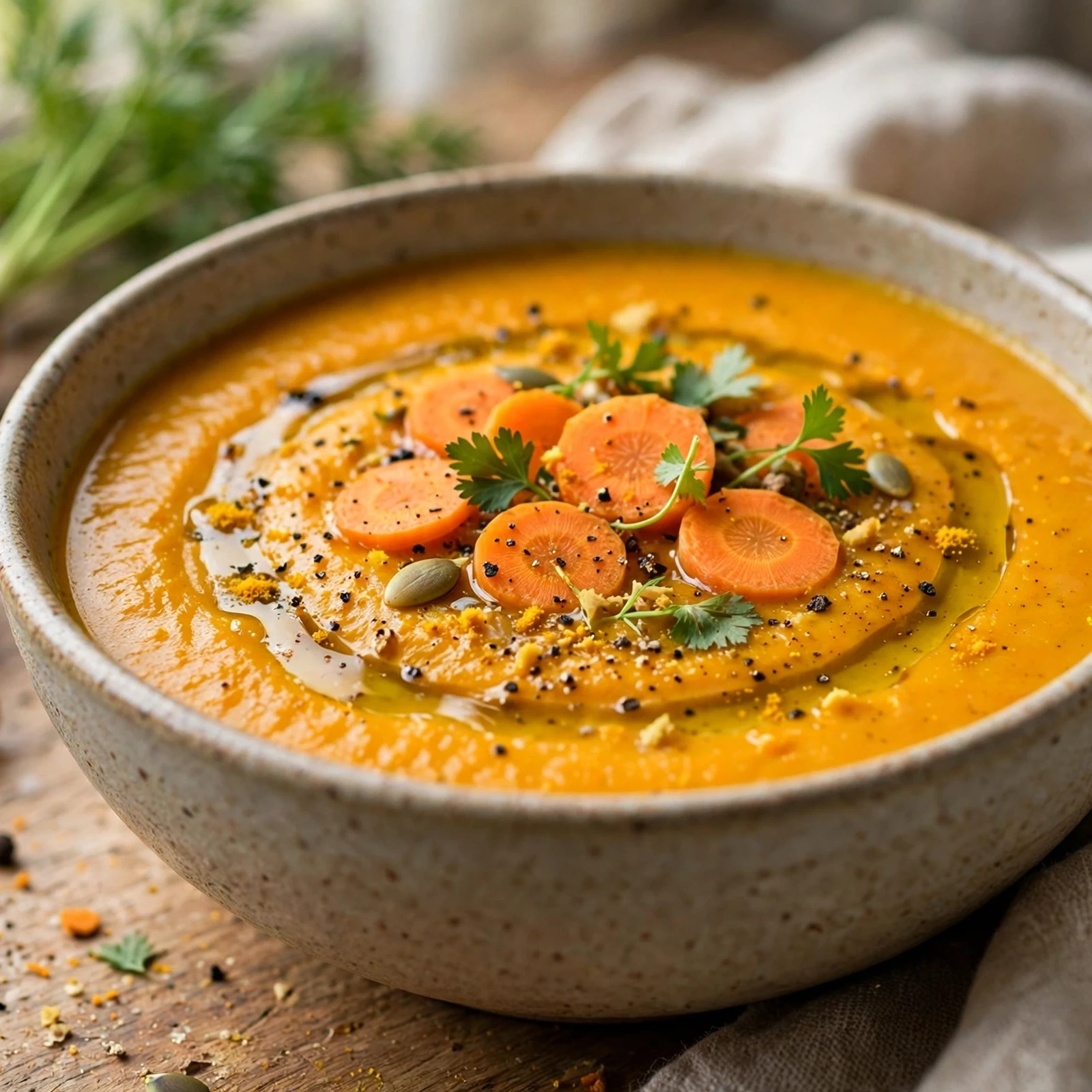
6. Carrot Turmeric Soup
Best For
A bright soup for lunch
Difficulty Level
Easy
Prep Time Category
Moderate (30 to 60 minutes)
Why You’ll Love It
Carrots cooked with turmeric, ginger, and a little coconut milk blend into a bright orange soup that is smooth and gently spiced. It is lighter than many winter soups, so it works well for lunch with a sandwich or salad. A swirl of yogurt and toasted seeds adds contrast.
Key Ingredients
- Carrots
- Ground turmeric
- Fresh ginger
- Onion
- Vegetable stock
- Coconut milk
- Toasted seeds for topping
Flavor Profile
Sweet carrot with warm turmeric and ginger, smooth and bright.
Helpful Tip
Cook the carrots until fully soft before blending, or the soup will stay grainy.
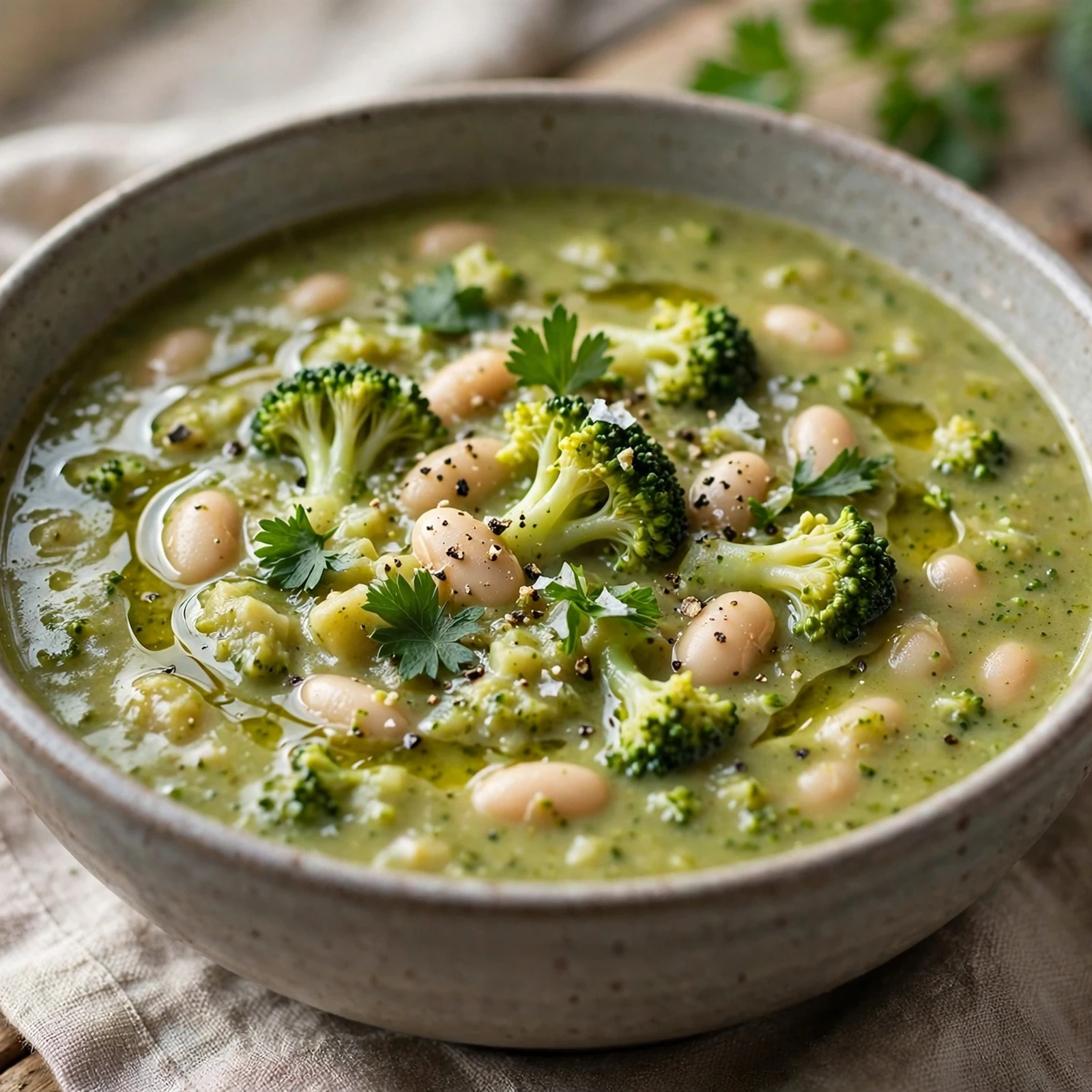
7. Broccoli White Bean Soup
Best For
A green soup for busy weeknights
Difficulty Level
Easy
Prep Time Category
Quick (under 30 minutes)
Why You’ll Love It
Broccoli and white beans blend into a green soup that is quick, filling, and easy to make on a busy night. The beans give it protein and body, while lemon juice at the end keeps the flavor fresh. It is a good way to use broccoli that needs cooking soon.
Key Ingredients
- Broccoli florets
- White beans
- Garlic
- Onion
- Vegetable stock
- Lemon juice
- Olive oil
Flavor Profile
Fresh broccoli with creamy beans and a lemon-bright finish.
Helpful Tip
Add the lemon juice after cooking, not during, so its fresh flavor stays lively.
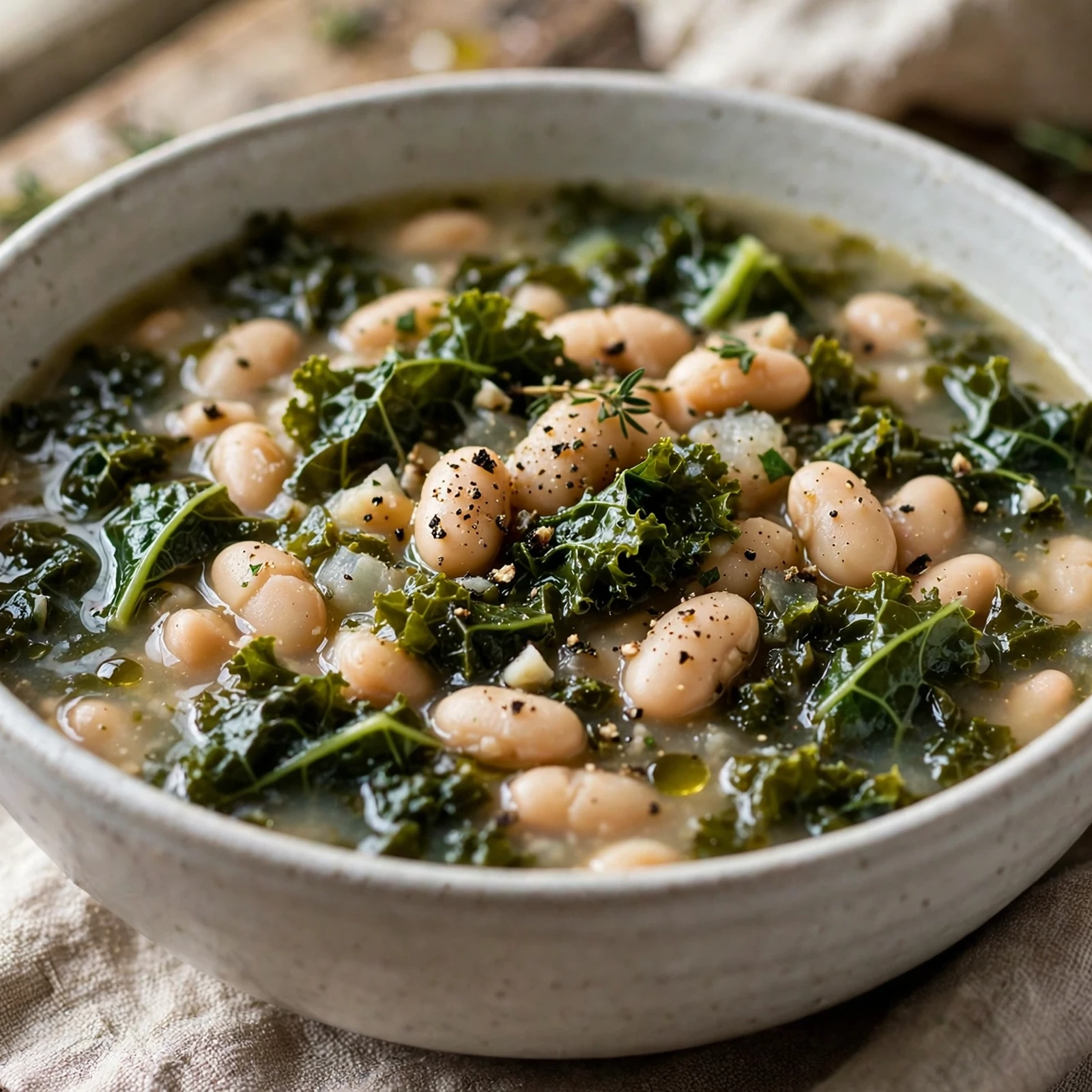
8. White Bean Kale Soup
Best For
A rustic soup with greens
Difficulty Level
Easy
Prep Time Category
Moderate (30 to 60 minutes)
Why You’ll Love It
White beans, kale, and garlic simmer in a light broth with tomatoes and herbs for a rustic, satisfying soup. The kale softens but keeps some texture, and the beans make the soup filling enough for dinner. It is simple food, made well, and it reheats nicely for lunch.
Key Ingredients
- White beans
- Kale
- Garlic
- Onion
- Tomatoes
- Vegetable stock
- Rosemary
Flavor Profile
Savory beans with tender kale and a garlic-herb broth.
Helpful Tip
Remove the tough kale stems before cooking so the leaves soften evenly.
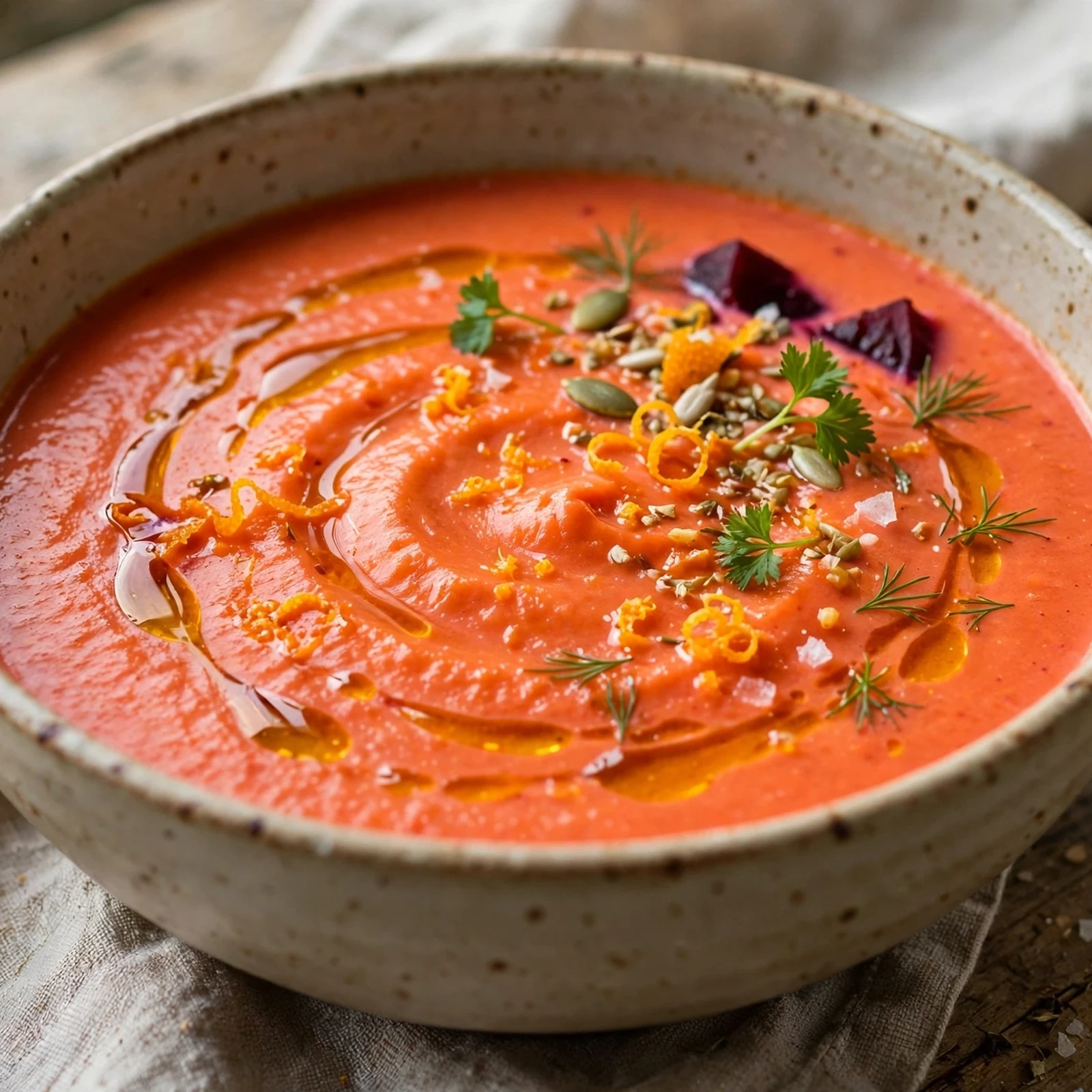
9. Beetroot Orange Soup
Best For
A colorful soup for variety
Difficulty Level
Moderate
Prep Time Category
Moderate (30 to 60 minutes)
Why You’ll Love It
Beetroot blended with orange juice and a little ginger makes a vivid magenta soup that tastes sweet, earthy, and bright at once. It looks striking in a bowl, which makes it fun for guests, and it pairs well with a simple grain or bread. Serve it warm, with a swirl of yogurt.
Key Ingredients
- Beetroot
- Orange juice and zest
- Fresh ginger
- Onion
- Vegetable stock
- Plain yogurt for serving
- Fresh dill
Flavor Profile
Earthy beetroot with bright orange and a gentle ginger warmth.
Helpful Tip
Wear gloves when peeling beetroot if you want to keep the color off your hands.
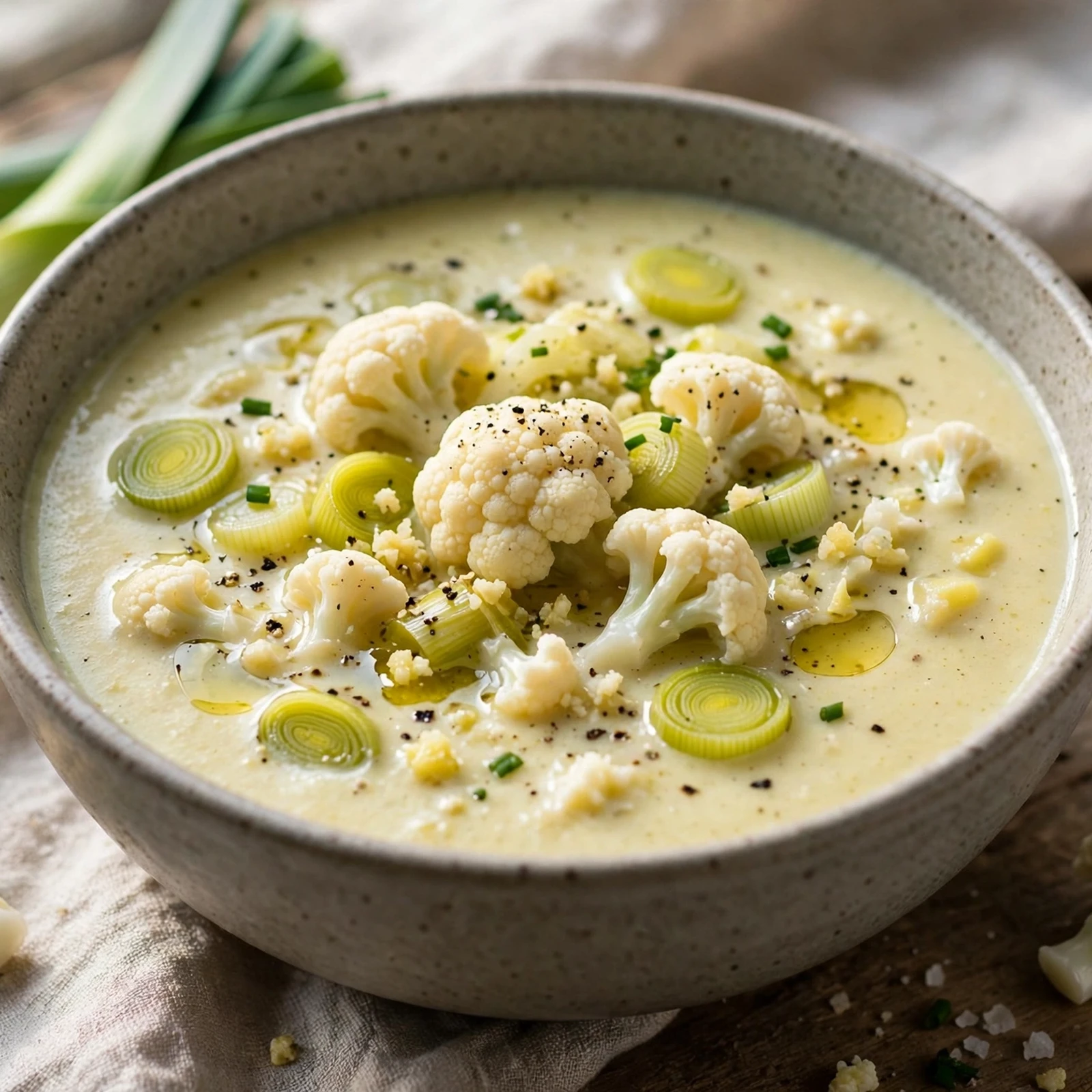
10. Cauliflower Leek Soup
Best For
A mild, creamy soup
Difficulty Level
Easy
Prep Time Category
Moderate (30 to 60 minutes)
Why You’ll Love It
Cauliflower and leeks cook down into a pale, creamy soup that is mild and comforting, with a gentle onion sweetness from the leeks. Blended smooth, it feels rich without cream, though a splash of milk is welcome. Chives and toasted nuts on top add color and crunch.
Key Ingredients
- Cauliflower
- Leeks
- Garlic
- Vegetable stock
- Milk or plant milk
- Olive oil
- Chives for topping
Flavor Profile
Mild, creamy cauliflower with sweet leek and a clean finish.
Helpful Tip
Clean the leeks thoroughly, since grit hides between the layers.
11. Split Pea Mint Soup
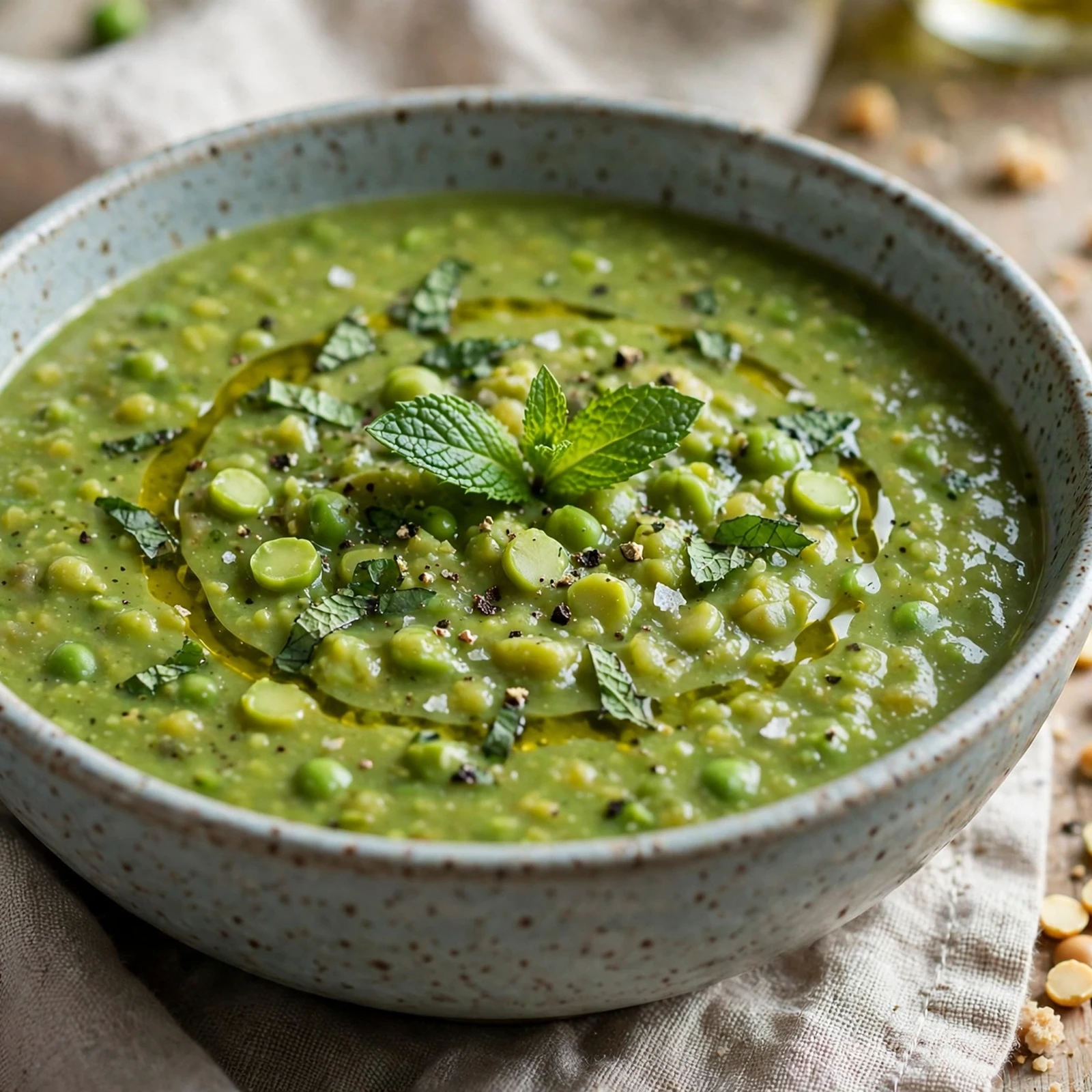
Best For
A classic soup with a fresh twist
Difficulty Level
Easy
Prep Time Category
Long (over 60 minutes)
Why You’ll Love It
Split peas simmer with onion, carrot, and herbs until thick, then fresh mint stirred in at the end gives this classic soup a surprisingly fresh lift. It is thick enough to stand a spoon in, and it costs very little to make in a large pot. Leftovers freeze well for future cold nights.
Key Ingredients
- Dried split peas
- Onion
- Carrots
- Celery
- Vegetable stock
- Fresh mint
- Bay leaf
Flavor Profile
Thick, earthy split pea with a fresh mint lift.
Helpful Tip
Do not add salt until the peas are tender, since early salting can slow their softening.
12. Pumpkin Curry Soup
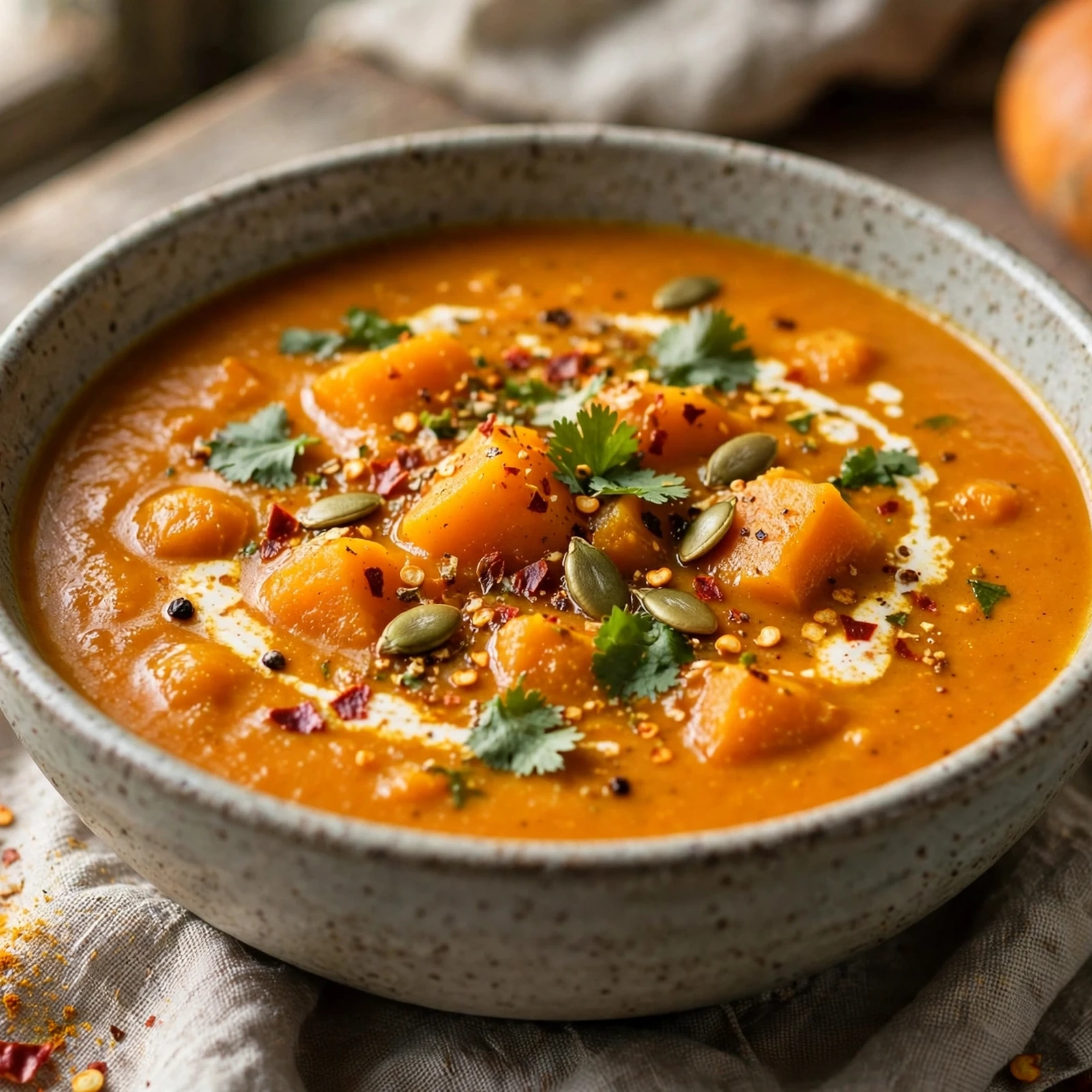
Best For
A spiced soup for curry lovers
Difficulty Level
Easy
Prep Time Category
Moderate (30 to 60 minutes)
Why You’ll Love It
Pumpkin puree simmered with curry spices and coconut milk makes a fragrant, golden soup with gentle heat. It is richer than a plain vegetable soup but still light enough for a weeknight dinner. A squeeze of lime and fresh cilantro at the end keeps it bright.
Key Ingredients
- Pumpkin puree or fresh pumpkin
- Coconut milk
- Curry powder
- Fresh ginger
- Onion
- Vegetable stock
- Lime juice
Flavor Profile
Warm curry spice with sweet pumpkin and creamy coconut.
Helpful Tip
Bloom the curry powder in oil for a minute before adding liquids, so the spices taste rounded, not raw.
13. Corn Potato Chowder
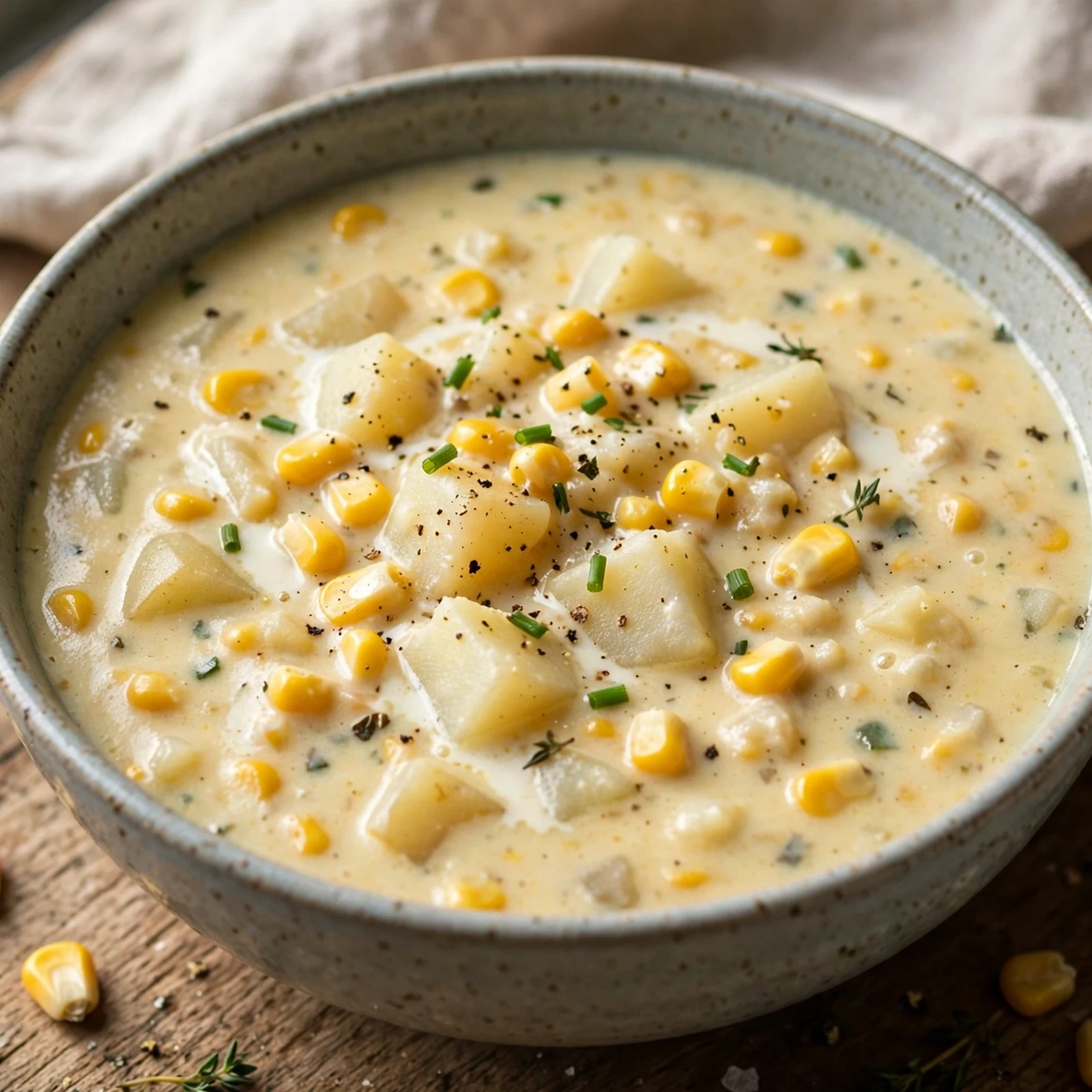
Best For
A creamy dairy-free chowder
Difficulty Level
Moderate
Prep Time Category
Moderate (30 to 60 minutes)
Why You’ll Love It
Sweet corn and potatoes simmer in a coconut-milk broth with celery and thyme for a chowder that is creamy without dairy. Some of the corn blended in thickens the soup, while whole kernels keep it hearty. It is a comforting choice for a cold night when you want something rich but simple.
Key Ingredients
- Sweet corn
- Potatoes
- Celery
- Onion
- Coconut milk
- Vegetable stock
- Fresh thyme
Flavor Profile
Sweet corn with tender potato and a creamy, herbal broth.
Helpful Tip
Blend about one third of the soup, then stir it back in, for a thick but still chunky chowder.
14. Cabbage Caraway Soup
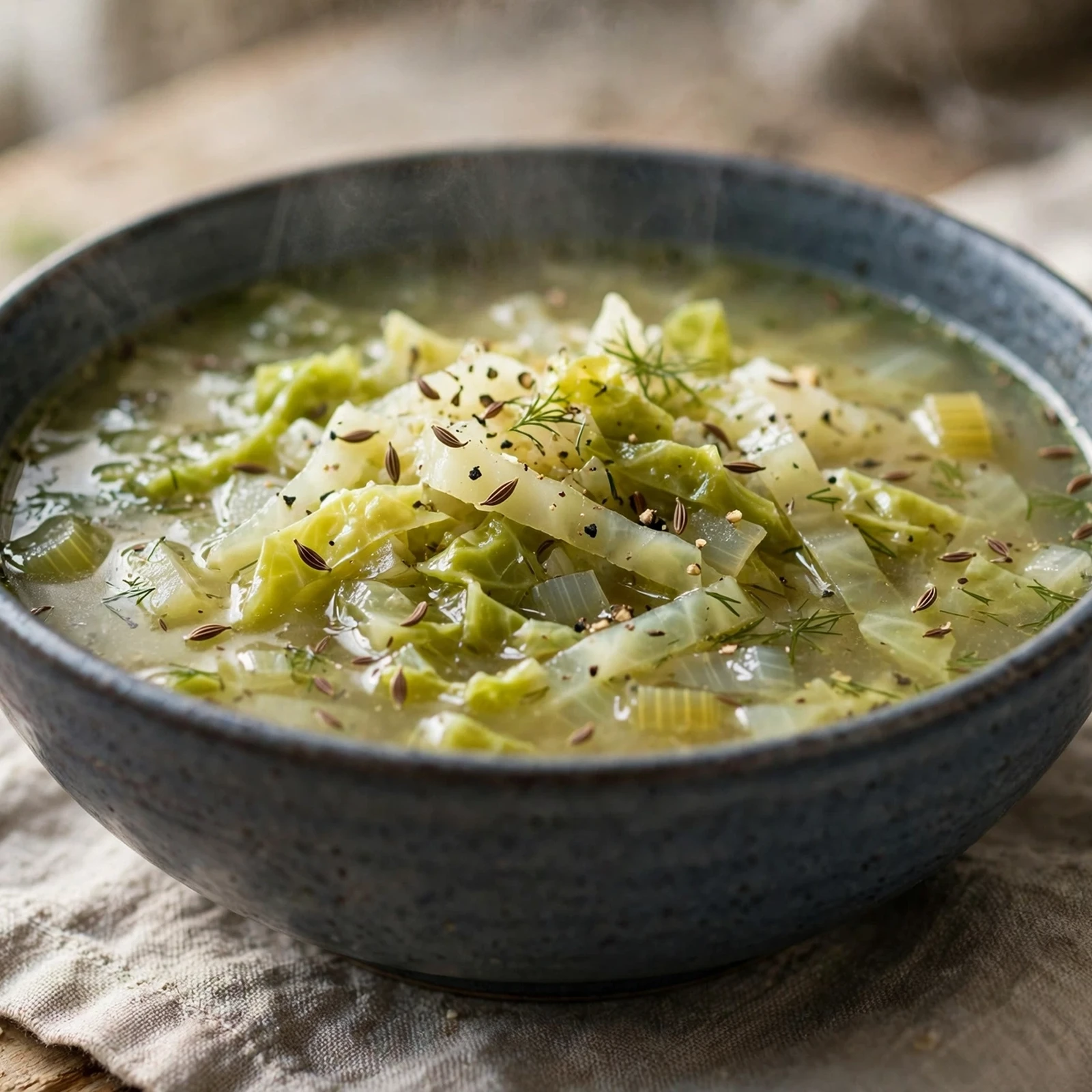
Best For
A light soup for after rich meals
Difficulty Level
Easy
Prep Time Category
Moderate (30 to 60 minutes)
Why You’ll Love It
Cabbage, carrots, and caraway seeds simmer in a clear broth for a light, savory soup that feels clean after heavier winter meals. Caraway gives it a distinctive, slightly rye-like note that sets it apart from everyday vegetable soup. It is inexpensive, simple, and easy to make in a large pot.
Key Ingredients
- Green cabbage
- Carrots
- Onion
- Caraway seeds
- Vegetable stock
- Apple cider vinegar
- Fresh dill
Flavor Profile
Light cabbage with warm caraway and a gentle vinegar brightness.
Helpful Tip
Add the vinegar at the end, a little at a time, so it brightens without souring the soup.
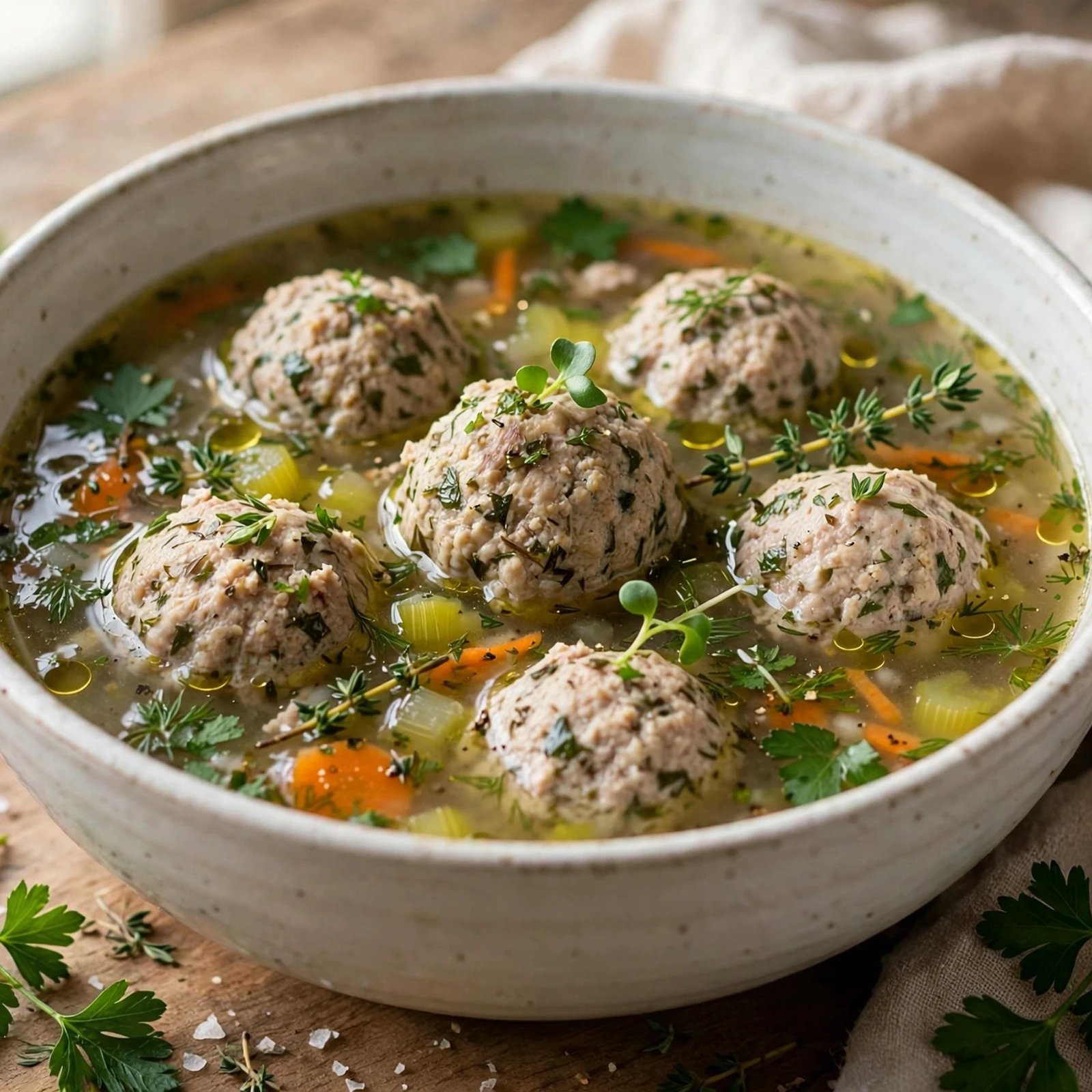
15. Turkey Herb Meatball Soup
Best For
A hearty soup with meatballs
Difficulty Level
Moderate
Prep Time Category
Moderate (30 to 60 minutes)
Why You’ll Love It
Small turkey meatballs seasoned with herbs simmer in a vegetable broth with carrots and small pasta, making a soup that feels both homely and complete. The meatballs stay tender because they cook gently in the broth rather than being browned first. It is a good soup for feeding a hungry household.
Key Ingredients
- Ground turkey
- Breadcrumbs
- Egg
- Carrots
- Celery
- Small pasta
- Fresh parsley
Flavor Profile
Savory turkey meatballs with herbs and sweet vegetables in a light broth.
Helpful Tip
Roll the meatballs small and even so they cook through at the same time.
Which Soup Should You Try First?
If you are short on time, start with the simplest recipe on the list and build from there. If you enjoy planning ahead, pick one recipe that uses ingredients you already buy each week. Trying one new recipe at a time keeps the process relaxed and makes it easier to notice which flavors and textures you actually enjoy.
If you are cooking for others, check for common preferences first, such as a dislike of spice, a nut allergy in the household, or a need for a dairy-free option. Most recipes here can be adjusted with a simple swap, and choosing a recipe everyone can eat makes the meal more enjoyable for the whole table.
Best Ingredients to Pair with Soups
Fresh berries, citrus zest, chopped nuts, seeds, leafy greens, whole grains, and plain yogurt all pair well with the recipes in this collection. Keep a small set of pantry staples on hand, such as oats, cocoa, olive oil, and dried spices, so a meal can come together without a special shopping trip.
Herbs are worth keeping fresh when you can. Parsley, cilantro, mint, and dill add a bright finish that dried herbs cannot quite match, and they keep for several days in the fridge if stored dry in a sealed container. A small bunch bought for one recipe can often finish two or three more meals in the same week.
Meal Prep and Storage Tips
Store leftovers in airtight containers and label them with the date you made them. Most cooked dishes keep well in the fridge for three to four days, while baked items and drinks are best enjoyed fresh or within a day or two. Freeze soups, stews, and grain bowls in single portions for busy nights, and reheat gently so textures stay pleasant.
When reheating, add a splash of water or stock to grains and soups, since they thicken as they sit, and warm food over low to medium heat rather than blasting it. For salads and wraps, keep dressings and wet toppings separate until serving, so the packed lunch still tastes fresh at midday.
Common Mistakes
One common mistake is adding too much sweetener or salt at the start, which is hard to fix later, so season and sweeten in small steps and taste as you go. Another is overcooking vegetables or grains until they lose texture. Finally, avoid trying to change every ingredient at once; a simple recipe made well usually tastes better than a complicated one made in a rush.
Timing is another common trip-up. Read the recipe through once before you start, prepare ingredients before heating a pan, and give ovens and pots time to reach temperature. A few minutes of preparation at the start usually saves a rushed, uneven result at the end.
People Also Ask
What is the easiest soup to make in February?
Broccoli white bean soup and tomato lentil soup are among the quickest, needing only one pot and everyday ingredients.
How do I thicken soup without cream?
Blend part of the soup, mash some beans or potatoes, or let barley and lentils cook down; all three give body naturally.
Can I make soup in advance?
Yes. Most soups taste as good or better the next day, once the flavors have had time to settle.
Frequently Asked Questions
Can soups fit into an anti-inflammatory eating pattern?
Yes. Soups made from vegetables, beans, whole grains, and herbs fit well into an overall pattern built on whole foods.
How long do homemade soups keep?
Most soups keep three to four days in the fridge in airtight containers, and many freeze well for up to three months.
Can I freeze these soups?
Yes, with care. Cool the soup fully first, freeze in portions, and leave out dairy toppings like yogurt until serving.
What should I serve with soup?
Whole-grain bread, a simple salad, or a small grain side all work well and turn a bowl of soup into a full meal.
Can I adjust the spice level?
Yes. Add chili, ginger, or curry powder gradually and taste as you go, since heat builds as soup simmers.
More Healthy February Recipe Inspiration
If you enjoyed these recipes, these related collections offer more ideas in the same style, with practical meals you can fit into a regular week.
- 18 Anti-Inflammatory Soup Recipes That Warm You from the Inside Out
- 10 Anti-Inflammatory Butternut Squash Soup Recipes for Fall
- 10 Anti-Inflammatory Sweet Potato Recipes for Fall Meal Prep
Conclusion
You do not need a perfect plan to eat well in February. Pick one recipe that sounds good, make it with ingredients you like, and enjoy it at your own pace. Small, steady choices across the week matter more than any single meal, and a collection like this gives you plenty of easy places to start.
Keep a short note of the recipes you liked best, and any swaps that worked well, so next month you can return to your favorites without starting from scratch. Over time, that small personal list becomes a reliable set of meals you know, enjoy, and can cook without thinking twice.