How to Start 21 Day Fix Diet Step by Step (Beginner Guide)
1. Introduction
Starting a new diet can feel confusing especially when you don’t know what to eat, how much to eat, or where to begin. Most beginners don’t fail because the plan is hard… they fail because it feels overwhelming.
The good news? It doesn’t have to be that way.
The 21 Day Fix diet for beginners is designed to remove confusion and give you a simple, structured system you can actually follow. Instead of complicated rules or strict calorie counting, it focuses on balanced eating, portion control, and consistency.
In this step-by-step guide, you’ll learn:
- Exactly how to start 21 Day Fix diet
- What you need before Day 1
- How to set up your meals and portions
- How to avoid common beginner mistakes
- How to start confidently without overthinking
By the end, you’ll be ready to take action immediately even if you’ve never followed a structured plan before.
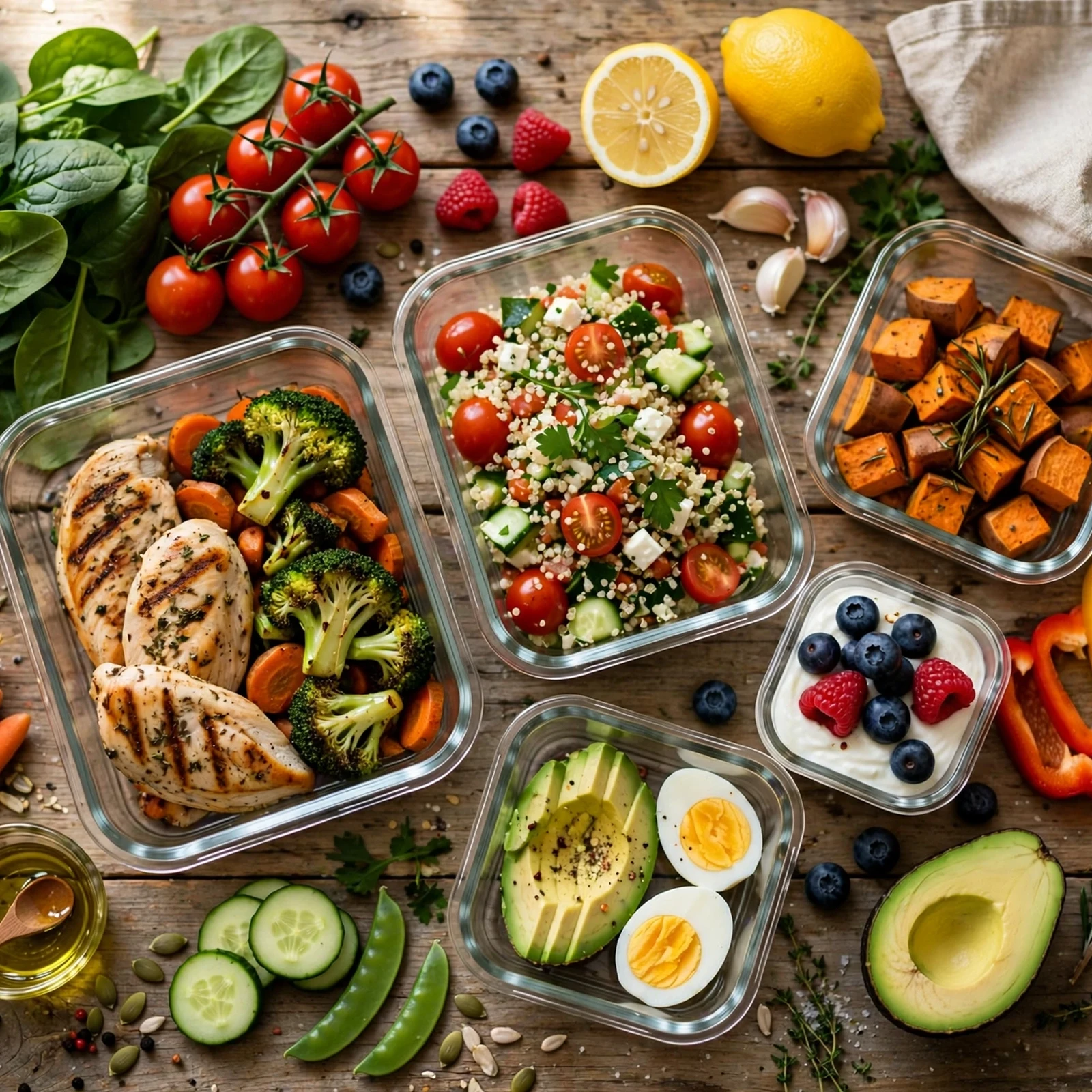
2. Quick Answer: How Do You Start the 21 Day Fix?
To start the 21 Day Fix diet, you simply:
- Understand basic portion control
- Set up your daily food structure (containers or visual portions)
- Plan simple meals for a few days
- Prepare basic groceries
- Start Day 1 and stay consistent
👉 In simple terms:
You follow a structured eating system that replaces calorie counting with easy portion control.

3. What Does This Mean for Beginners?
If you’re new to dieting, this approach removes most of the confusion.
You don’t need to:
- Track every calorie
- Follow extreme low-carb diets
- Create complex meal plans
Instead, you:
- Eat balanced meals
- Follow simple portion guidelines
- Repeat a consistent routine
👉 That’s why the 21 Day Fix step by step approach works so well for beginners it keeps things simple and realistic.

4. What You Need Before Starting (Simple Setup Checklist)
Before you begin, let’s simplify what you actually need. No complicated tools required.
1. Basic Understanding of Portion Control
The entire system is built on portion-based eating.
Instead of counting calories, you focus on:
👉 You don’t need exact numbers just a balanced structure.
2. Simple, Everyday Groceries
You don’t need expensive or special foods.
Stick to basics like:
- Chicken, eggs, yogurt
- Rice, oats, potatoes
- Fresh or frozen vegetables
- Fruits
- Nuts or healthy fats
👉 If it’s simple and accessible, it works.
3. A Practical Meal Planning Mindset
You’re not trying to create perfect meals you’re creating repeatable meals.
Think:
- Easy breakfasts
- Simple lunches
- Quick dinners
- Basic snacks
👉 Simplicity is what keeps you consistent.
4. Optional: Containers or Visual Portions
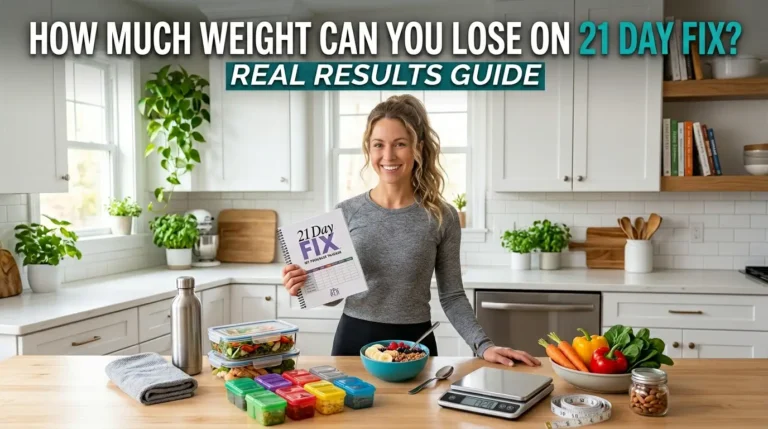
The original system (from the Beachbody program) uses color-coded containers, but they are not required.
You can also use:
- Hand portions
- Basic measuring
- Visual estimates
👉 The system works because of structure not tools.

5. Step-by-Step Guide to Starting the 21 Day Fix
Now let’s break down exactly how to start 21 Day Fix diet step by step.
Step 1: Understand the Core Principle
Before anything else, understand this:
👉 Eat balanced meals in controlled portions.
That’s it.
Each day, your goal is to:
- Include protein, carbs, and healthy fats
- Add vegetables and fruits
- Keep portions reasonable
👉 You don’t need calorie tracking just structure.
Step 2: Estimate Your Daily Needs (Beginner-Friendly)
You don’t need complicated formulas.
Use a simple approach:
- Weight loss → slightly smaller portions
- Maintenance → moderate portions
- Active lifestyle → slightly higher portions
👉 Think of this as your daily eating pattern, not strict rules.
Step 3: Set Up Your Portions (Containers or Visual Guide)
This is where things become practical.
If you have containers, use them.
If not, follow this simple visual guide:
- Protein → palm-sized portion
- Carbs → small cupped handful
- Fats → thumb-sized portion
- Vegetables → fill most of your plate
👉 The goal is balance not perfection.
Step 4: Plan Your First 3 Days of Meals
Don’t try to plan all 21 days.
Start with just 3 days.
Example:
- Breakfast → eggs + oats
- Lunch → chicken + rice + vegetables
- Dinner → fish + vegetables + potatoes
- Snacks → fruit, yogurt, nuts
👉 Repeating meals is not a problem it’s a strategy.
It reduces:
- Decision fatigue
- Stress
- Time spent thinking
Step 5: Prepare Your Grocery List
Once your meals are planned, build a simple grocery list.
Example:
Proteins:
- Chicken, eggs, yogurt
Carbs:
- Rice, oats, potatoes
Vegetables:
- Broccoli, spinach, frozen mixes
Fruits:
- Apples, bananas, berries
Fats:
- Nuts, avocado
👉 Avoid overcomplicating your shopping.
Simple food = easier consistency.
Step 6: Do Basic Meal Prep (Optional but Powerful)
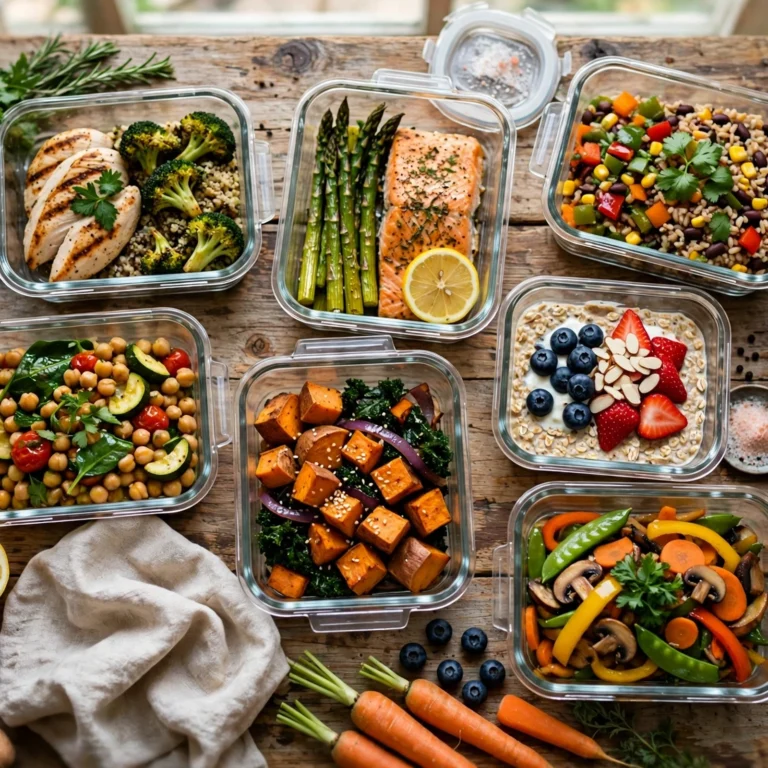
You don’t need advanced meal prep.
Just do the basics:
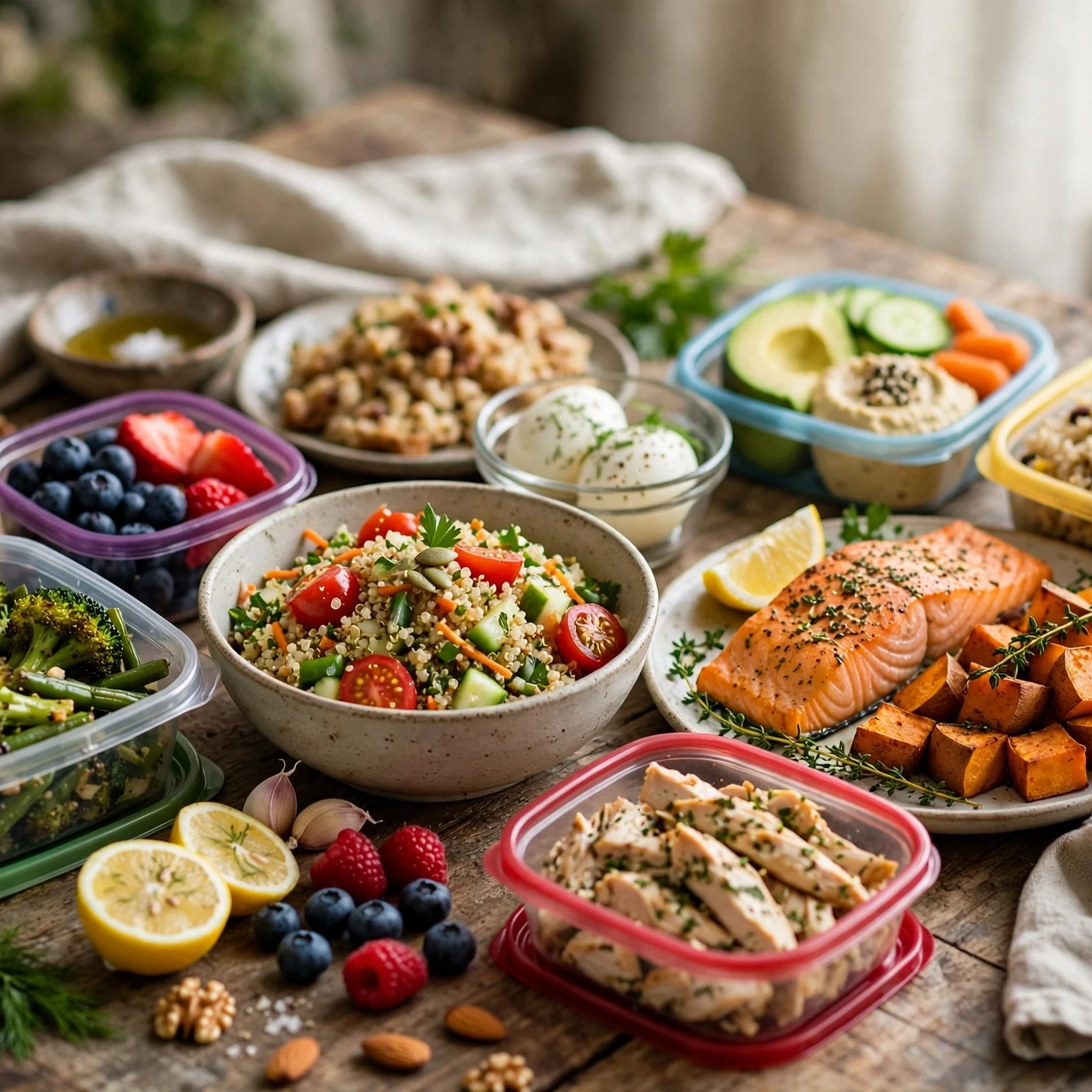
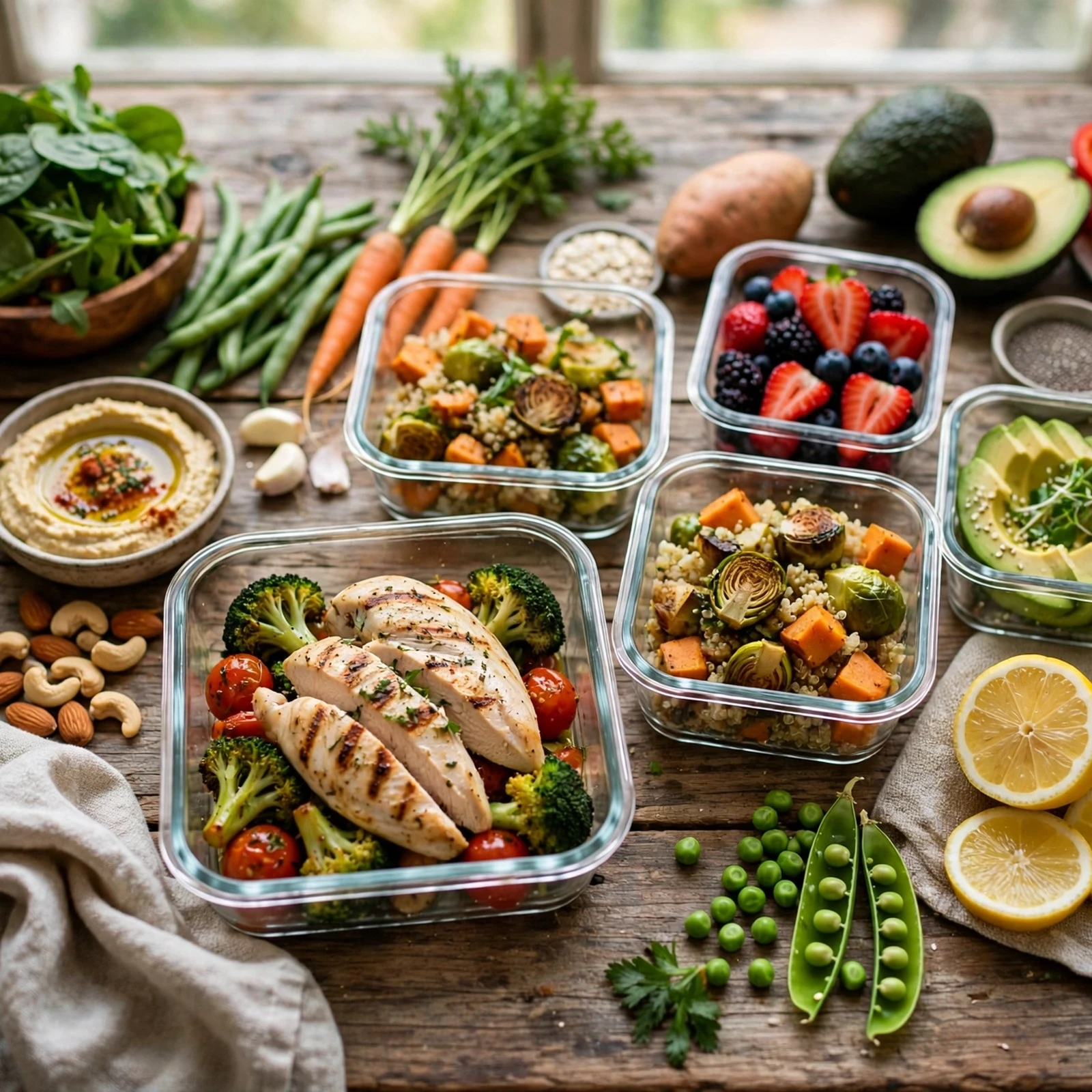
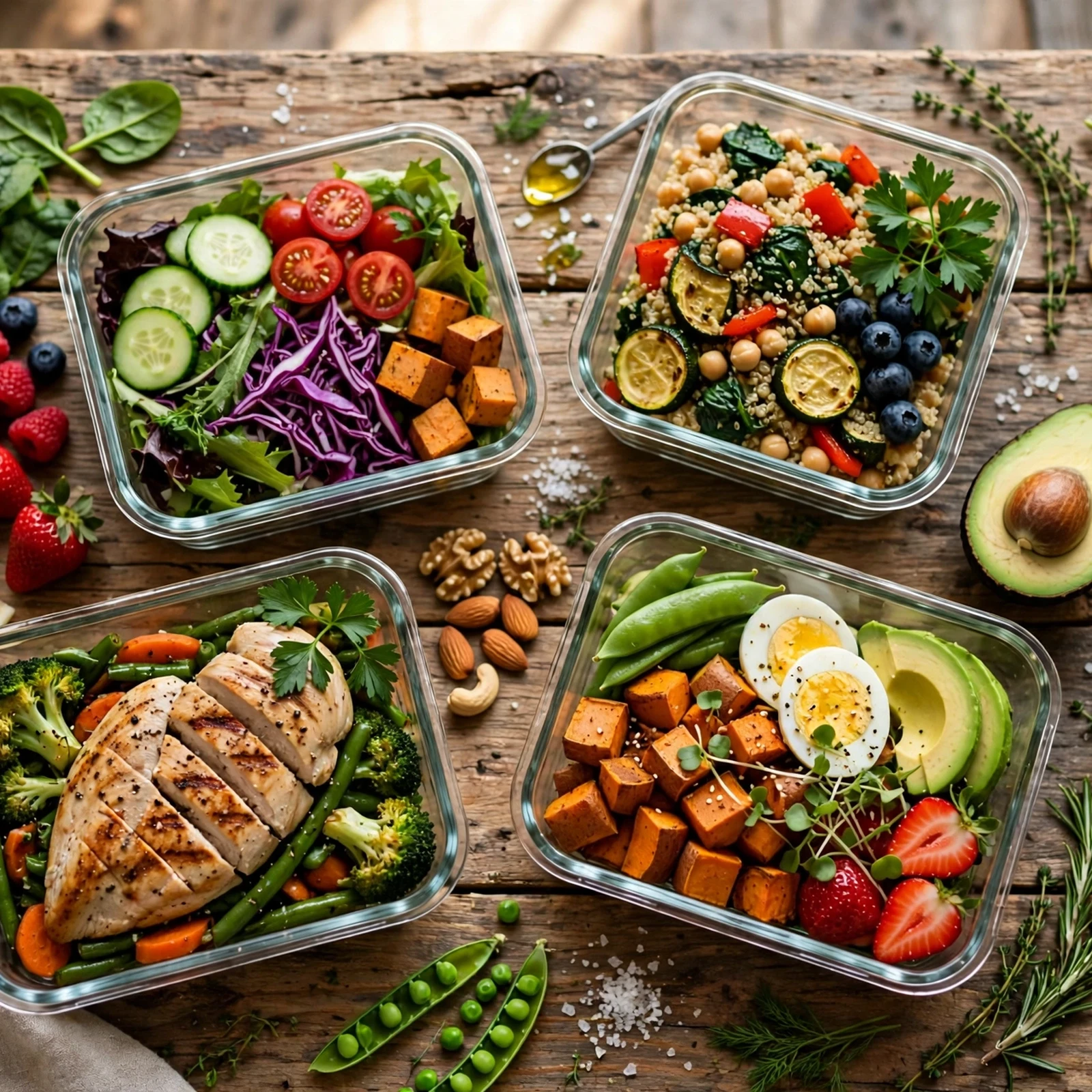
- Cook proteins in bulk
- Chop vegetables ahead
- Prepare easy snacks
👉 Even 30–60 minutes of prep can make your week much easier.
6. Why Starting Simple Is So Important (Semantic Boost)
Many beginners fail because they try to do everything perfectly from Day 1.
But here’s the truth:
👉 The 21 Day Fix works because it’s simple not because it’s strict.
When you:
- Keep meals basic
- Follow portions loosely
- Focus on consistency
You:
- Reduce overwhelm
- Build habits faster
- Stay consistent longer
👉 This is what makes it a sustainable structured diet plan, not a temporary fix.
7. Next Steps to Begin
If you’re ready to start, here’s exactly what to do:
- Understand portion basics
- Plan 3 simple days of meals
- Buy basic groceries
- Prep what you can
- Start Day 1 without overthinking
👉 Focus on action not perfection.
8. Simple Example: Your First Day on the 21 Day Fix
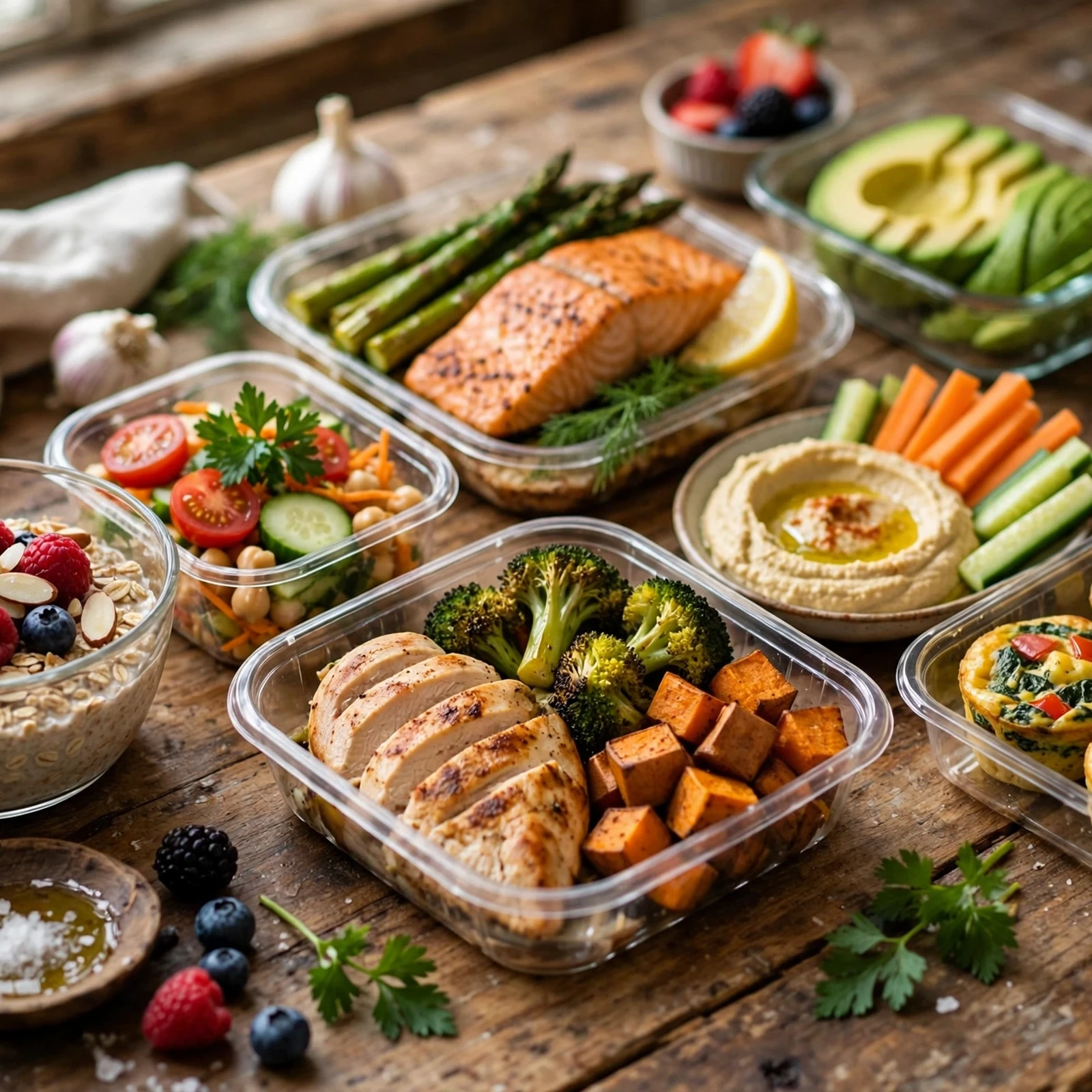
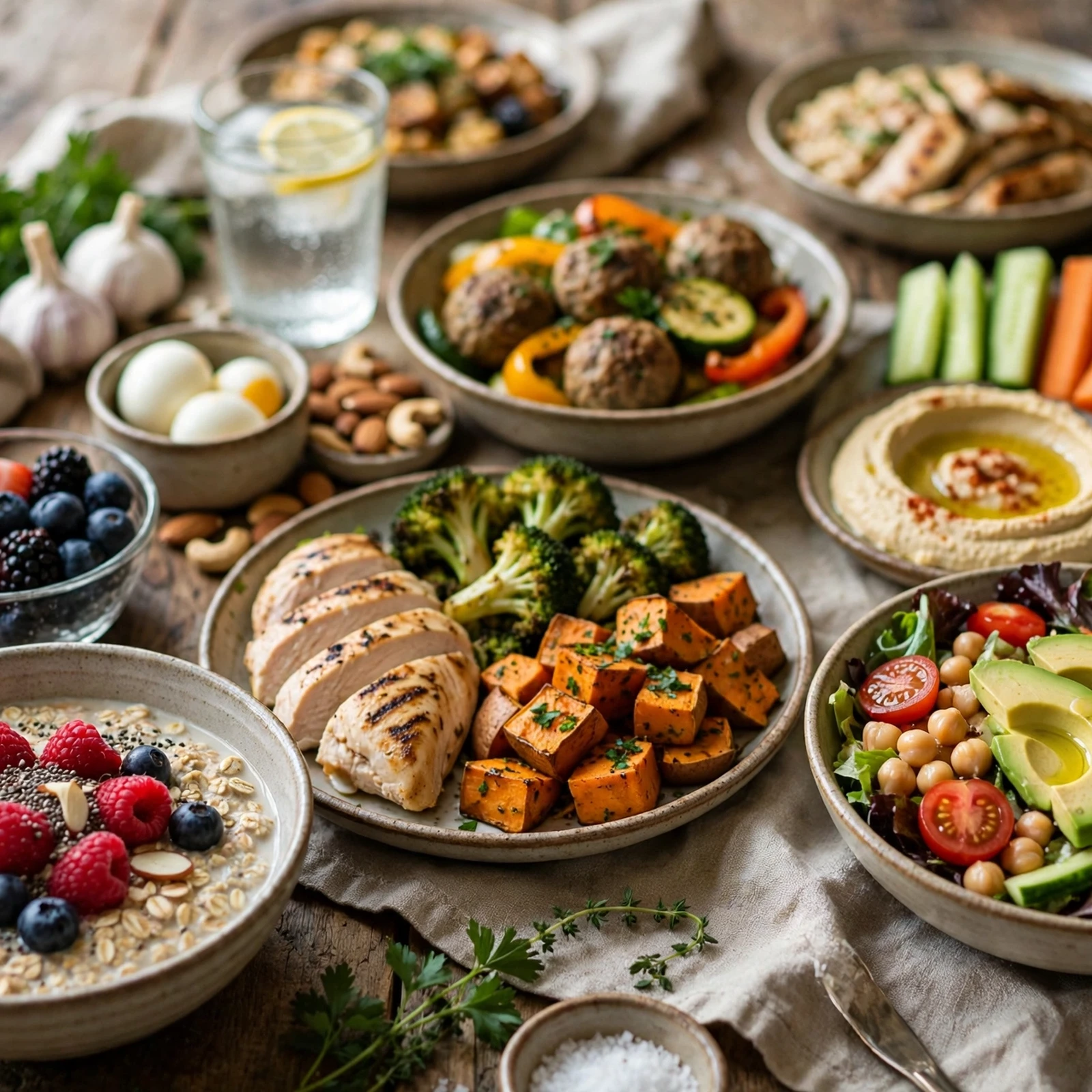
To make things even easier, here’s what your Day 1 could look like using a simple, balanced approach.
Breakfast
- Oatmeal with berries
- Boiled eggs
Snack
- Apple
- Small handful of almonds
Lunch
- Grilled chicken
- Brown rice
- Steamed vegetables
Snack
- Greek yogurt
Dinner
- Baked fish
- Roasted vegetables
- Small portion of potatoes
👉 This is what the 21 Day Fix diet plan looks like in real life:
Simple, balanced, and easy to follow no complicated recipes required.
9. Week-by-Week Expectations (Stay Motivated & Consistent)
Understanding what to expect helps you stay on track and avoid frustration.
Week 1: Adjustment Phase
What you may notice:
- Slight hunger as your body adjusts
- Cravings for old habits
- Learning portion sizes
👉 Focus:
Stay consistent, not perfect.
Week 2: Routine Phase
What improves:
- Meals feel easier
- Cravings begin to reduce
- Energy levels stabilize
👉 Focus:
Stick to your structure it’s working.
Week 3: Confidence Phase
What changes:
- Better control over portions
- More confidence in your meals
- Visible or noticeable progress
👉 Focus:
Maintain consistency and finish strong.

10. Common Beginner Mistakes (And How to Avoid Them)
Even a simple system can feel difficult if used incorrectly. Here are the most common mistakes when starting the 21 Day Fix diet.
1. Overthinking Everything
Trying to plan perfect meals leads to burnout.
👉 Fix:
Keep meals simple and repeatable.
2. Trying to Be Perfect
Perfection is not required for results.
👉 Fix:
Consistency matters more than perfect days.
3. Not Preparing Ahead
No prep = poor food choices.
👉 Fix:
Plan and prepare even a little it makes a big difference.
4. Skipping Meals
Skipping meals often leads to overeating later.
👉 Fix:
Stick to a regular eating schedule.
5. Giving Up Too Early
Many beginners quit before habits form.
👉 Fix:
Commit to the full 21 days results build over time.

11. Tips to Make Starting the 21 Day Fix Easier
Starting becomes much easier when you simplify everything.
Keep Meals Simple
Choose meals with minimal ingredients.
👉 Simple meals = less stress.
Repeat Meals
Eating the same meals for a few days helps:
- Save time
- Reduce decisions
- Build consistency
Start Small
Don’t think about all 21 days at once.
👉 Focus only on the first 2–3 days.
Stay Consistent, Not Perfect
If one meal isn’t ideal, move on.
👉 One mistake doesn’t ruin progress.
Focus on Habits, Not Just Results
Pay attention to:
- Better food choices
- Improved routine
- Consistency
👉 These are long-term wins.
12. What Does This Means for You?
If you’ve struggled to start diets before, this approach simplifies everything.
You don’t need:
- Complicated meal plans
- Strict calorie counting
- Perfect execution
You just need:
- A simple structure
- Balanced portions
- Consistent effort
👉 That’s what makes the 21 Day Fix for beginners so effective.
13. FAQs
Do I need special containers to start the 21 Day Fix?
No. You can use simple visual portion sizes (like your hand) or basic measuring tools.
What if I make mistakes in the first few days?
Mistakes are normal. Just continue with your next meal no need to restart.
Do I need to follow the plan perfectly?
No. Focus on consistency, not perfection. Small improvements matter.
How quickly will I adjust to the plan?
Most beginners feel more comfortable within a few days as the routine becomes familiar.
Can I choose my own foods?
Yes. As long as you follow balanced portions, you can customize meals based on your preferences.
Is the 21 Day Fix good for weight loss?
Yes. It supports weight loss by controlling portions and encouraging balanced eating.
14. Conclusion
Starting a new diet doesn’t have to feel overwhelming.
When you break it down, how to start the 21 Day Fix becomes simple:
- Understand the basics
- Plan a few meals
- Prepare your food
- Start your first day
You don’t need perfect timing, perfect meals, or perfect execution.
👉 You just need to begin.
Start with what you have. Keep things simple. Stay consistent.
Because real progress doesn’t come from perfection—it comes from showing up every day.
Related: 21 Day Fix for Beginners (Complete Start Guide) for a simple, structured plan to build consistent, healthy habits that last.

One Comment