15 Warming Anti-Inflammatory Stews for Winter Comfort
When the evenings turn cold and you want something that warms you from the inside out, a pot of warming anti-inflammatory stew is hard to beat. These 15 recipes are built around vegetables, beans, lentils, herbs, and spices you probably already keep in your kitchen, simmered slowly until the flavors deepen. They are filling without feeling heavy, easy to stretch across a few meals, and flexible enough for busy weeknights or a lazy Sunday cook. Whether you eat meat, prefer plant-based meals, or just want more cozy dinners in rotation, you will find a stew here that fits. Remember, no single recipe does all the work on its own — these dishes can fit into an anti-inflammatory eating pattern, and overall dietary pattern matters more than any single recipe.
In this collection you will find chicken, turkey, beef, salmon, and plenty of meat-free options, plus slow-cooker-friendly pots, one-pot stovetop meals, and freezer-friendly favorites. Pick one to start with, keep the leftovers for lunch, and let winter cooking feel a little simpler.
What Makes Stew Recipes Anti-Inflammatory?
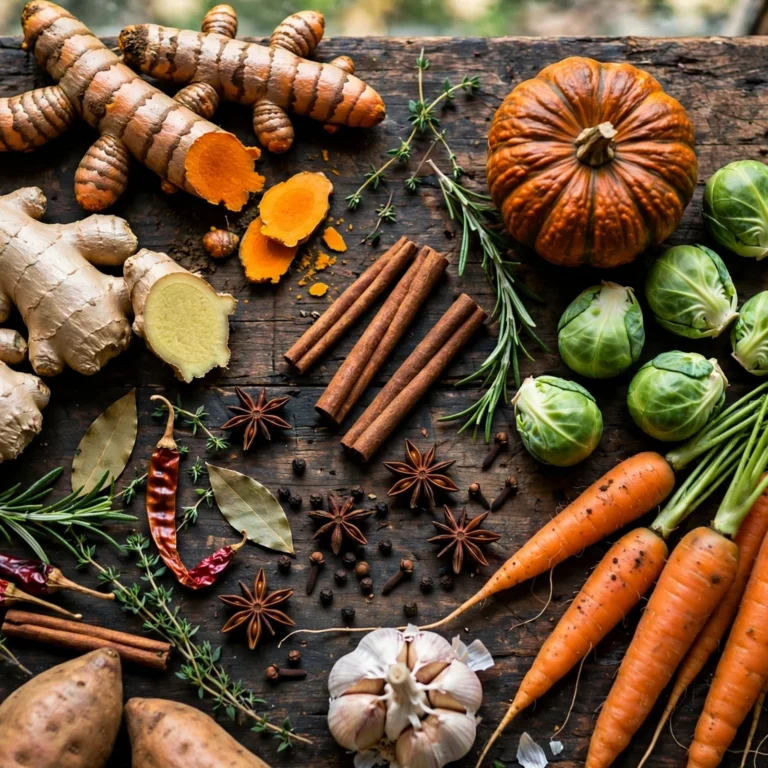
Stews lend themselves well to an anti-inflammatory eating pattern because they start with whole ingredients and build flavor without relying on heavy cream or deep frying. Think leafy greens, root vegetables, tomatoes, beans, lentils, whole grains, olive oil, garlic, ginger, and turmeric. Slow simmering softens vegetables, helps spices bloom, and lets you use less salt while still getting a rich, satisfying taste.
Another advantage is balance. A good stew naturally combines fiber, protein, and healthy fats in one bowl. Beans and lentils add fiber and staying power, vegetables add color and variety, and a drizzle of olive oil or a handful of nuts adds richness. You can also control what goes in — more vegetables, less added sugar, and herbs instead of packet seasonings — which makes these recipes easy to adapt to your own tastes and pantry.
For more background on how these foods fit into an overall eating pattern, see Harvard Nutrition Source’s guide to vegetables and fruits and Cleveland Clinic’s guide to an anti-inflammatory eating pattern.
Quick Recipe Comparison Table: 15 Warming Anti-Inflammatory Stews for Winter Comfort
| Recipe | Main Flavor | Protein Source (if any) | Best For |
|---|---|---|---|
| 1. Turmeric-Ginger Chicken Stew | Warm, gingery, golden | Chicken | A classic cozy weeknight dinner |
| 2. Smoky Lentil and Sweet Potato Stew | Smoky, earthy, slightly sweet | Lentils | Meat-free meal prep |
| 3. White Bean, Kale, and Lemon Stew | Bright, herby, lemony | White beans | A light but filling lunch |
| 4. Chickpea, Tomato, and Spinach Stew | Rich, tomatoey, garlicky | Chickpeas | Pantry cooking on busy nights |
| 5. Beef, Mushroom, and Root Vegetable Stew | Deep, savory, hearty | Beef | Slow weekend cooking |
| 6. Butternut Squash and Coconut Milk Stew | Creamy, mildly spiced, sweet | None (serve with beans or tofu if desired) | A gentle, creamy comfort bowl |
| 7. Turkey, Quinoa, and Vegetable Stew | Herby, savory, wholesome | Turkey and quinoa | Using up leftover turkey or vegetables |
| 8. Mediterranean Salmon and Fennel Stew | Bright, briny, Mediterranean | Salmon | A lighter seafood dinner |
| 9. Ginger Tofu and Bok Choy Stew | Fresh, gingery, soy-savory | Tofu | A quick plant-based supper |
| 10. Black Bean and Pumpkin Stew | Smoky, warmly spiced | Black beans | Freezer-friendly family meals |
| 11. Cauliflower and Cashew Curry Stew | Fragrant, curry-spiced, nutty | Cashews and chickpeas | Curry lovers wanting something milder |
| 12. Wild Mushroom and Barley Stew | Earthy, nutty, deeply savory | Barley and mushrooms | A meat-free hearty main |
| 13. Split Pea, Carrot, and Herb Stew | Fresh, herby, naturally thick | Split peas | Budget-friendly batch cooking |
| 14. Cabbage, Potato, and Turkey Sausage Stew | Savory, mustardy, rustic | Turkey sausage | A rustic one-pot winter dinner |
| 15. Roasted Beet and Carrot Stew with Orange | Earthy-sweet, citrus-bright | White beans | A colorful change from usual stews |
Why Stew Recipes Are Perfect for Winter Comfort
Quick Answer: Stews are perfect for winter because they are warm, filling, and forgiving. You can simmer one pot, feed a crowd or save portions for later, and use seasonal vegetables and pantry staples without much fuss.
There is also something practical about stew weather. Cold days call for food that stays hot, reheats well, and does not demand perfect timing. Stews actually taste better the next day, when the flavors have had time to settle. That makes them ideal for meal prep: cook once, eat well for two or three days, and spend less time standing over the stove during a busy week.
Stews are also easy to scale. Add an extra carrot, a tin of beans, or a handful of greens, and suddenly dinner stretches further. Serve with crusty bread, rice, or a simple green salad, and you have a complete meal without a long list of side dishes.
What Makes an Anti-Inflammatory Stew Dish?
Quick Answer: An anti-inflammatory stew dish is built on vegetables, beans or lentils, whole grains, herbs, and spices, cooked with olive oil and seasoned thoughtfully. It favors whole foods over highly processed ingredients and balances flavor with fiber and protein.
Look for color on the plate — or in this case, in the pot. Orange sweet potatoes and carrots, dark leafy greens, red tomatoes, and purple beets each bring different nutrients and textures. Spices like turmeric, ginger, cumin, and black pepper add warmth and depth, while garlic and onion form a savory base that needs little else.
It helps to think of the whole bowl. A stew with vegetables alone can feel thin, while one with only meat can feel heavy. Pairing vegetables with beans, lentils, fish, or lean meat, plus a whole grain on the side, gives you a meal that keeps you full and satisfied long after dinner.
1. Turmeric-Ginger Chicken Stew

Best For
A cozy weeknight dinner when you want something golden, warming, and reliably comforting.
Difficulty Level
Easy
Prep Time Category
Under 45 minutes
Why You’ll Love It
This is the stew to make when the house feels cold and dinner needs to feel like a hug. Chicken simmers with carrots, onion, and celery until tender, while fresh ginger and turmeric give the broth a warm glow. It is simple, familiar, and easy to adjust — add spinach at the end, or keep it classic.
Key Ingredients
- Chicken thighs or breast, cut into chunks
- Fresh ginger and ground turmeric
- Carrots, onion, and celery
- Garlic and olive oil
- Low-sodium chicken broth
- Parsley and lemon wedges, to serve
Flavor Profile
Warm and gently spiced, with a savory broth, sweet carrots, and a fresh ginger finish. The lemon at the end lifts the whole pot.
Helpful Tip
Brown the chicken lightly first for deeper flavor, but do not rush the onions — letting them soften properly makes the broth sweeter and richer.
2. Smoky Lentil and Sweet Potato Stew
Best For
Meat-free meal prep and anyone who loves a thick, spoon-coating stew.
Difficulty Level
Easy
Prep Time Category
45 to 60 minutes
Why You’ll Love It
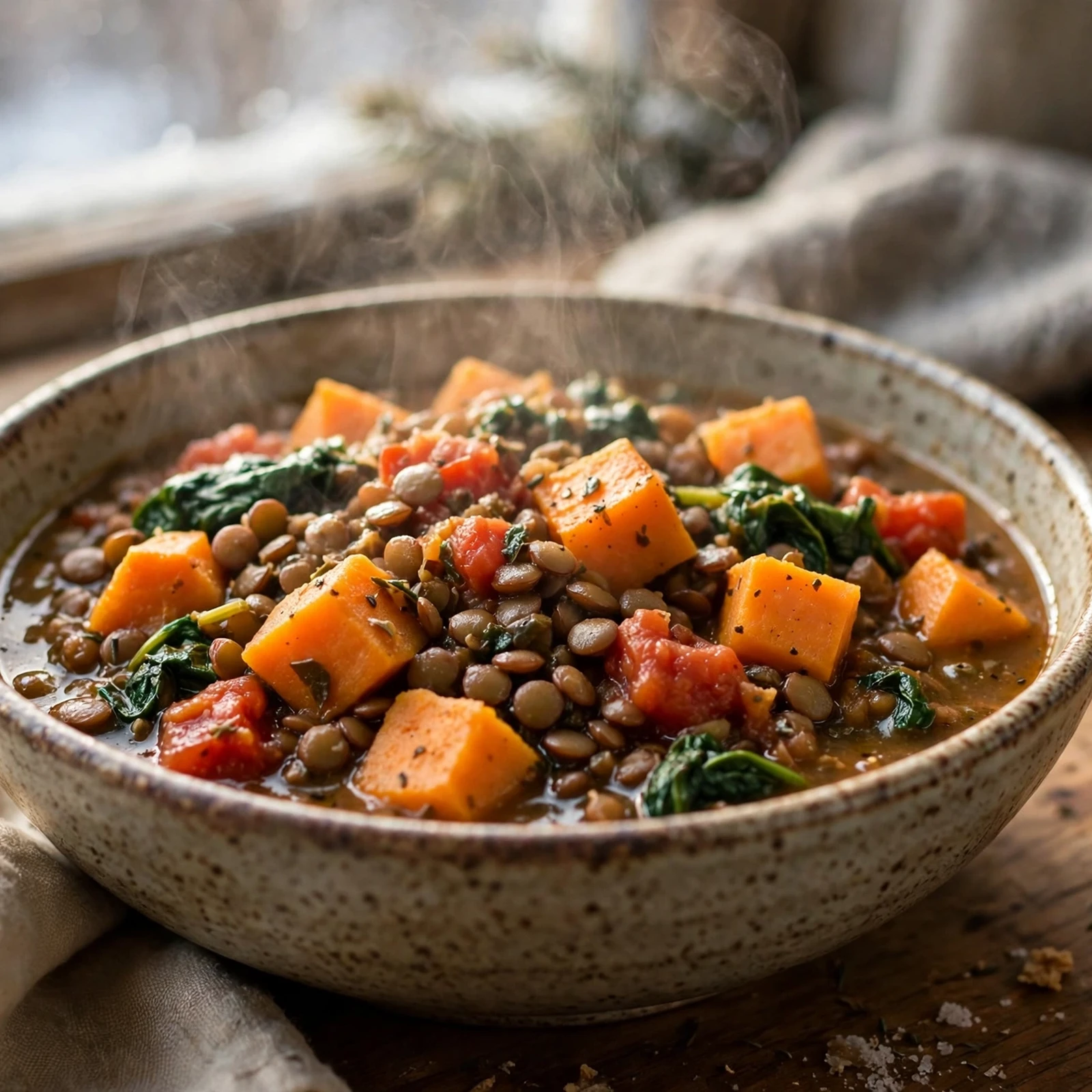
Smoked paprika does the heavy lifting here, giving lentils and sweet potato a campfire warmth without any meat. The lentils break down just enough to thicken the broth, while the sweet potato stays soft and sweet. It reheats beautifully, so make a big pot.
Key Ingredients
- Brown or green lentils, rinsed
- Sweet potatoes, peeled and cubed
- Smoked paprika and ground cumin
- Onion, garlic, and carrots
- Chopped tomatoes
- Olive oil and vegetable broth
- Fresh spinach, to finish
Flavor Profile
Smoky, earthy, and slightly sweet, with a tomato background and soft, melt-in-the-mouth lentils.
Helpful Tip
Do not add salt until the lentils are tender. Salting too early can slow cooking and leave the lentils firmer than you want.
3. White Bean, Kale, and Lemon Stew

Best For
A light but filling lunch that still feels like winter food.
Difficulty Level
Easy
Prep Time Category
Under 40 minutes
Why You’ll Love It
This stew proves that light does not mean bland. Creamy white beans, wilted kale, and a squeeze of lemon create a bright, herby bowl that feels fresh even on a grey day. It comes together quickly from pantry beans, which makes it a reliable backup dinner.
Key Ingredients
- Cannellini or butter beans, drained
- Kale, stems removed and chopped
- Lemon zest and juice
- Garlic, onion, and olive oil
- Vegetable broth
- Fresh thyme or rosemary
- Parmesan rind (optional, for depth)
Flavor Profile
Bright and herby, with creamy beans, earthy kale, and a clean lemon finish that keeps each spoonful lively.
Helpful Tip
Mash a spoonful of beans against the side of the pot. It thickens the broth naturally without cream or flour.
4. Chickpea, Tomato, and Spinach Stew
Best For
Busy nights when the pantry has to do the work.
Difficulty Level
Easy
Prep Time Category
Under 40 minutes
Why You’ll Love It
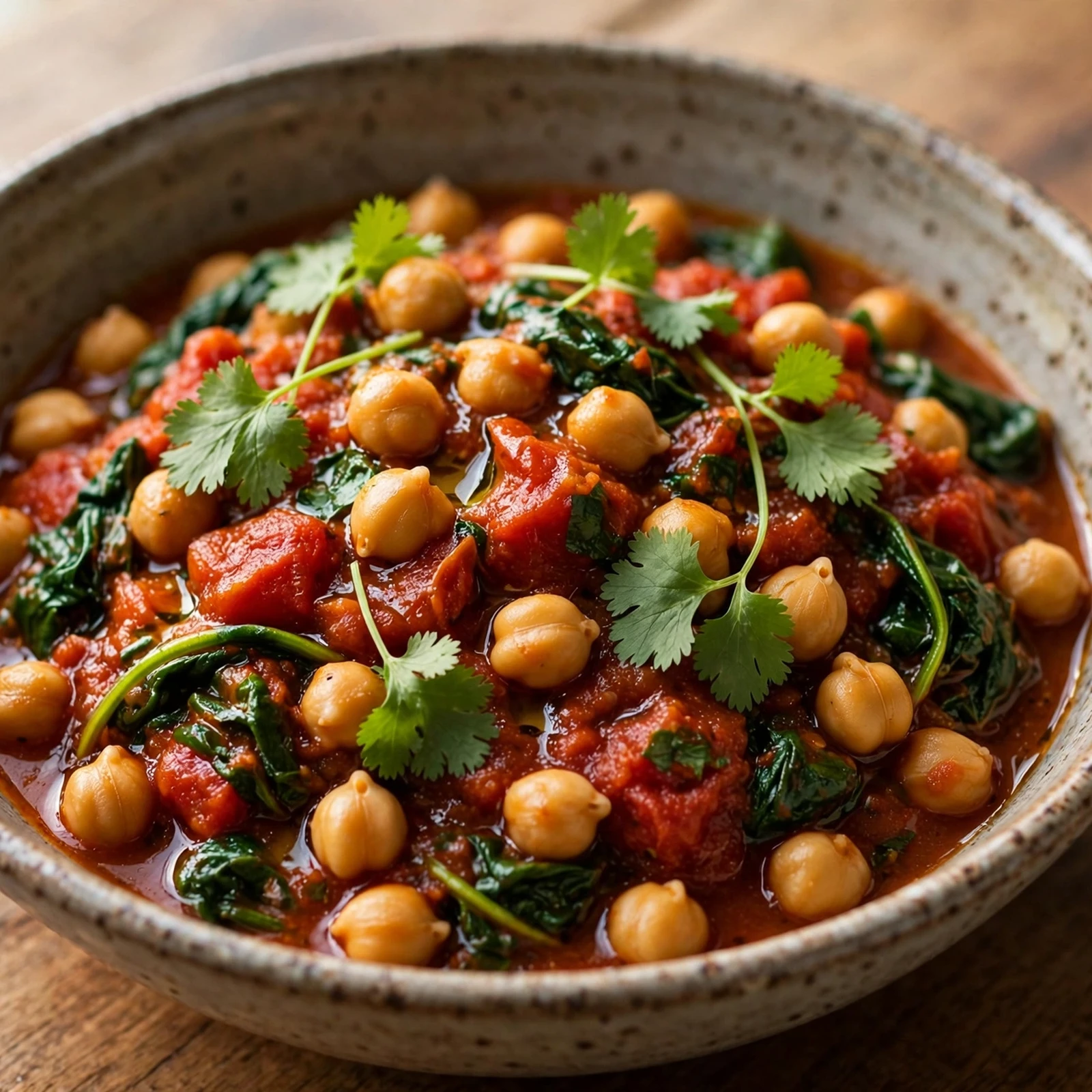
Chickpeas, tomatoes, and spinach are a combination that rarely disappoints. The tomatoes cook down into a rich sauce, the chickpeas stay hearty, and the spinach wilts in at the last minute for color and freshness. Serve it with rice or flatbread and dinner is done.
Key Ingredients
- Chickpeas, drained and rinsed
- Chopped tomatoes or passata
- Fresh or frozen spinach
- Garlic, onion, and cumin
- Olive oil
- Vegetable broth
- Fresh coriander, to serve
Flavor Profile
Rich and tomatoey, with warm cumin, soft chickpeas, and a garlicky base. A little chili, if you like heat, works well here.
Helpful Tip
If using frozen spinach, squeeze out extra water first so the stew stays thick rather than watery.
5. Beef, Mushroom, and Root Vegetable Stew

Best For
Slow weekend cooking and a hearty family dinner.
Difficulty Level
Moderate
Prep Time Category
Over 60 minutes
Why You’ll Love It
This is the long-simmer kind of stew, the one that fills the house with a savory smell by late afternoon. Beef turns meltingly tender, mushrooms add deep earthiness, and parsnips and carrots bring gentle sweetness. It is worth the wait, and the leftovers are even better.
Key Ingredients
- Beef stewing steak, cut into chunks
- Mixed mushrooms, sliced
- Parsnips, carrots, and potatoes
- Onion, garlic, and tomato paste
- Beef or vegetable broth
- Fresh thyme and bay leaves
- Olive oil
Flavor Profile
Deep, savory, and hearty, with earthy mushrooms, sweet root vegetables, and a rich, slow-cooked broth.
Helpful Tip
Keep the lid slightly ajar for the last 30 minutes if you want a thicker broth, and skim any fat from the surface before serving.
6. Butternut Squash and Coconut Milk Stew

Best For
A gentle, creamy bowl when you want comfort without heaviness.
Difficulty Level
Easy
Prep Time Category
45 to 60 minutes
Why You’ll Love It
Butternut squash melts into coconut milk to make a silky, naturally sweet stew that feels indulgent but stays simple. A little ginger and mild curry powder add warmth without heat, and a squeeze of lime at the end keeps it from feeling too rich. It is a good choice for guests with different tastes.
Key Ingredients
- Butternut squash, peeled and cubed
- Coconut milk
- Fresh ginger and mild curry powder
- Onion and garlic
- Vegetable broth
- Lime juice
- Fresh coriander and toasted seeds, to serve
Flavor Profile
Creamy and mildly spiced, with sweet squash, fragrant ginger, and a bright lime finish.
Helpful Tip
Blend a third of the stew and stir it back in if you want a thicker, velvety texture while keeping some chunks for bite.
7. Turkey, Quinoa, and Vegetable Stew

Best For
Using up leftover turkey and a fridge full of mixed vegetables.
Difficulty Level
Easy
Prep Time Category
45 to 60 minutes
Why You’ll Love It
Quinoa gives this stew body and staying power, while turkey keeps it lean and satisfying. Carrots, celery, and green beans simmer together into a wholesome, homely pot that tastes like a proper winter dinner. It is also a smart way to turn holiday leftovers into something new.
Key Ingredients
- Cooked or raw turkey, shredded or cubed
- Quinoa, rinsed
- Carrots, celery, and green beans
- Onion, garlic, and thyme
- Turkey or chicken broth
- Olive oil
- Parsley, to serve
Flavor Profile
Herby and savory, with tender turkey, nutty quinoa, and sweet, well-cooked vegetables.
Helpful Tip
Add cooked turkey near the end so it warms through without drying out. If using raw turkey, simmer it fully before adding the quinoa.
8. Mediterranean Salmon and Fennel Stew

Best For
A lighter seafood dinner that still feels warming.
Difficulty Level
Moderate
Prep Time Category
Under 45 minutes
Why You’ll Love It
Salmon is often grilled or baked, but it is lovely gently poached in a tomato and fennel broth. The fennel adds a subtle aniseed sweetness, olives bring a salty edge, and the fish stays moist if you do not overcook it. It feels a little special, but it is ready in under an hour.
Key Ingredients
- Salmon fillets, skin removed, cut into chunks
- Fennel bulb, thinly sliced
- Chopped tomatoes
- Garlic, onion, and olive oil
- Fish or vegetable broth
- Olives and capers
- Fresh dill or parsley
Flavor Profile
Bright and Mediterranean, with sweet fennel, rich tomato, briny olives, and tender salmon.
Helpful Tip
Add the salmon in the last 8 to 10 minutes only. It will finish cooking in the hot broth and stay silky rather than dry.
9. Ginger Tofu and Bok Choy Stew
Best For
A quick plant-based supper with fresh, clean flavors.
Difficulty Level
Easy
Prep Time Category
Under 40 minutes
Why You’ll Love It
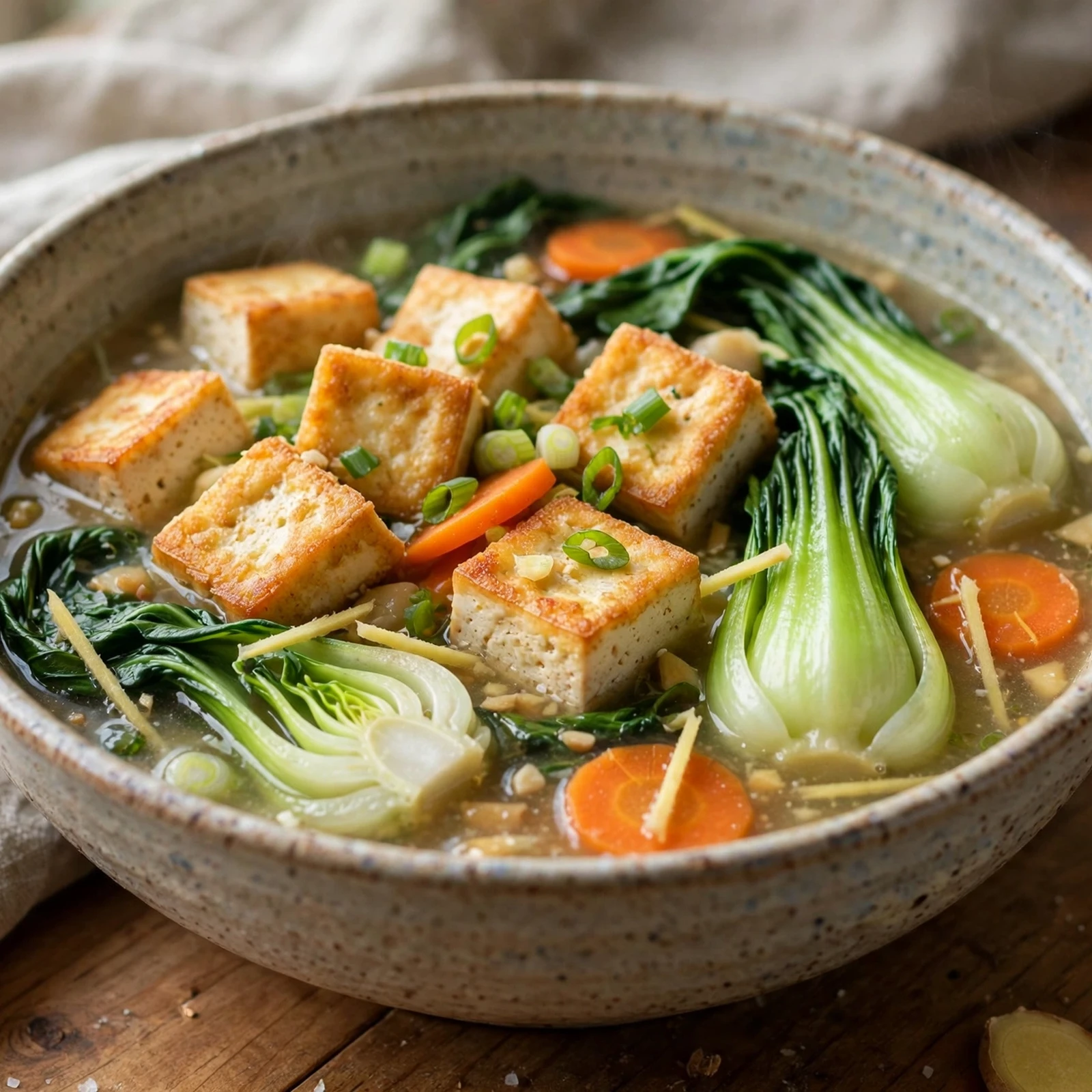
This stew is lighter than most on this list, but no less warming. Ginger-scented broth, golden tofu, and tender bok choy come together fast, making it ideal for nights when you want something nourishing without a long simmer. A splash of soy sauce and sesame oil finishes it nicely.
Key Ingredients
- Firm tofu, pressed and cubed
- Bok choy, halved or chopped
- Fresh ginger and garlic
- Soy sauce and sesame oil
- Vegetable broth
- Spring onions
- Carrots or mushrooms, optional
Flavor Profile
Fresh and gingery, with savory soy notes, soft tofu, and crisp-tender greens.
Helpful Tip
Pan-fry the tofu first until golden. It holds its shape better in the broth and adds a welcome contrast in texture.
10. Black Bean and Pumpkin Stew

Best For
Freezer-friendly family meals and batch cooking for the week ahead.
Difficulty Level
Easy
Prep Time Category
45 to 60 minutes
Why You’ll Love It
Pumpkin and black beans are a natural pair — one sweet and silky, the other hearty and filling. Cumin, smoked paprika, and a little chili give it warmth, while lime and coriander keep it fresh. It freezes well, so double the recipe when pumpkin is in season.
Key Ingredients
- Black beans, drained and rinsed
- Pumpkin or butternut squash, cubed
- Cumin and smoked paprika
- Onion, garlic, and peppers
- Chopped tomatoes
- Vegetable broth
- Lime and fresh coriander, to serve
Flavor Profile
Smoky and warmly spiced, with sweet pumpkin, earthy beans, and a zesty lime lift.
Helpful Tip
Use canned pumpkin puree for half the pumpkin if you are short on time — it thickens the stew and adds sweetness instantly.
11. Cauliflower and Cashew Curry Stew

Best For
Curry lovers who want something fragrant but not too hot.
Difficulty Level
Easy
Prep Time Category
45 to 60 minutes
Why You’ll Love It
Cauliflower soaks up curry spices beautifully, and cashews add creaminess and crunch in the same bowl. With chickpeas for staying power and coconut milk to mellow the spices, this stew feels generous and satisfying. Serve it with rice to catch every drop of sauce.
Key Ingredients
- Cauliflower florets
- Cashew nuts, whole and ground
- Chickpeas, drained
- Mild curry powder and turmeric
- Coconut milk
- Onion, garlic, and ginger
- Fresh coriander, to serve
Flavor Profile
Fragrant and nutty, with mild curry warmth, creamy coconut, and tender cauliflower.
Helpful Tip
Toast the whole cashews separately and scatter them on top at serving time, so they stay crunchy against the soft stew.
12. Wild Mushroom and Barley Stew

Best For
A meat-free main that still feels deeply hearty.
Difficulty Level
Moderate
Prep Time Category
Over 60 minutes
Why You’ll Love It
Mushrooms and barley are made for each other in winter. The mushrooms bring an earthy, almost meaty depth, while barley turns plump and nutty as it simmers, thickening the broth as it goes. A splash of soy sauce and fresh thyme rounds out a stew that satisfies even committed meat eaters.
Key Ingredients
- Mixed wild or chestnut mushrooms
- Pearl barley, rinsed
- Onion, carrots, and celery
- Garlic and fresh thyme
- Vegetable broth
- Soy sauce
- Olive oil and parsley
Flavor Profile
Earthy and nutty, with deeply savory mushrooms, chewy barley, and a herby finish.
Helpful Tip
Brown the mushrooms in batches rather than crowding the pan. Crowded mushrooms steam instead of browning, and you lose that deep flavor.
13. Split Pea, Carrot, and Herb Stew

Best For
Budget-friendly batch cooking that tastes better the next day.
Difficulty Level
Easy
Prep Time Category
Over 60 minutes
Why You’ll Love It
Split peas are one of the most underrated pantry staples. They cook down into a naturally thick, golden stew with almost no effort, and carrots add sweetness while fresh herbs keep it tasting bright. It is cheap, filling, and endlessly adaptable — exactly what winter cooking should be.
Key Ingredients
- Yellow or green split peas, rinsed
- Carrots, diced
- Onion, garlic, and celery
- Fresh parsley and thyme
- Vegetable broth
- Olive oil
- Lemon juice, to finish
Flavor Profile
Fresh and herby, with sweet carrots, a naturally thick pea base, and a light lemon brightness.
Helpful Tip
Stir occasionally as split peas thicken, especially near the end, and add a splash of water or broth if the pot gets too thick.
14. Cabbage, Potato, and Turkey Sausage Stew

Best For
A rustic one-pot dinner on cold, no-fuss evenings.
Difficulty Level
Easy
Prep Time Category
45 to 60 minutes
Why You’ll Love It
Cabbage is a winter hero — cheap, sturdy, and sweet when simmered slowly. Here it softens into a savory broth with potatoes and sliced turkey sausage, while mustard and caraway give it a rustic, old-fashioned character. It is the kind of dinner that needs only bread on the side.
Key Ingredients
- Green cabbage, shredded
- Potatoes, cubed
- Turkey sausage, sliced
- Onion, garlic, and carrots
- Wholegrain mustard
- Caraway seeds
- Chicken or vegetable broth
Flavor Profile
Savory and rustic, with sweet cabbage, soft potatoes, mustard warmth, and a hint of caraway.
Helpful Tip
Brown the sausage first and use the browned bits in the pan as the base for the broth — that is where much of the flavor lives.
15. Roasted Beet and Carrot Stew with Orange

Best For
A colorful change when you are tired of the usual winter stews.
Difficulty Level
Moderate
Prep Time Category
Over 60 minutes
Why You’ll Love It
Roasting beets and carrots first concentrates their sweetness and gives this stew a jewel-like color you do not see every day. White beans add creaminess and protein, orange zest brightens the earthy flavors, and a handful of herbs ties it together. It looks as good as it tastes.
Key Ingredients
- Beets, peeled and cubed
- Carrots, peeled and cubed
- White beans, drained
- Orange zest and juice
- Onion, garlic, and olive oil
- Vegetable broth
- Fresh dill or parsley
Flavor Profile
Earthy-sweet and citrus-bright, with roasted roots, creamy beans, and a fresh orange lift.
Helpful Tip
Roast the beets and carrots separately from the broth, then stir them in at the end. This keeps their color vivid and their texture intact.
Which Stew Recipe Should You Try First?
If you are new to stew cooking, start with the White Bean, Kale, and Lemon Stew or the Chickpea, Tomato, and Spinach Stew. Both are quick, forgiving, and made mostly from pantry ingredients, so there is little to get wrong. They also show how much flavor you can get from beans, garlic, and a bright finish of lemon or herbs.
If you have a free afternoon, go for the Beef, Mushroom, and Root Vegetable Stew or the Wild Mushroom and Barley Stew. Both reward a slow simmer and make excellent leftovers. And if you want something different, the Roasted Beet and Carrot Stew with Orange is a colorful, conversation-starting choice that still feels like proper winter food.
Best Ingredients to Pair with Stews
The right pairing turns a good stew into a complete meal. Crusty whole-grain bread is ideal for mopping up broth, while brown rice, quinoa, or barley add texture and staying power on the side. For lighter stews, a simple green salad with olive oil and lemon balances the richness of the pot.
Think about toppings, too. Fresh herbs, a drizzle of good olive oil, toasted seeds, or a spoonful of yogurt can lift a stew without changing the recipe itself. For creamy stews like the butternut squash version, crunchy seeds work especially well. For tomato-based stews, fresh coriander or parsley adds a final burst of freshness. Keep pairings simple and seasonal, and let the stew stay the star.
Meal Prep and Storage Tips
Stews are among the best meals to prep ahead, because most taste better on day two. Cool the pot quickly, divide it into portions, and refrigerate what you will eat within three to four days. For longer storage, freeze individual portions in airtight containers, leaving a little room for expansion.
When reheating, warm the stew gently over low heat and stir often, adding a splash of water or broth if it has thickened too much in the fridge. Add fresh herbs, lemon, or greens only after reheating, so they stay bright. If a stew contains pasta, rice, or quinoa, consider storing the grain separately when you can — it keeps its texture much better and stops the stew from turning stodgy.
Common Mistakes
The most common stew mistake is rushing the base. Onions, garlic, and spices need time to soften and bloom before liquid goes in, otherwise the broth can taste flat even after an hour of simmering. Another frequent error is cutting vegetables unevenly, which means some pieces turn to mush while others stay hard.
Over-salting early is another trap, especially with lentils, beans, and barley, which absorb salt as they cook. Season lightly at the start and adjust at the end. Finally, do not forget acid and freshness: a squeeze of lemon, a splash of vinegar, or fresh herbs at the end can transform a stew that tastes dull into one that tastes finished.
People Also Ask
People often ask whether stews can be made ahead, whether they freeze well, and how to keep them from tasting boring. The short answers are yes, yes, and vary your base. Change the spice blend, swap the bean or grain, or finish with a different herb, and the same method can produce a very different dinner.
Another common question is whether a stew needs meat to be filling. It does not, as long as you include a good source of protein and fiber — lentils, chickpeas, white beans, tofu, or quinoa all do that job well. The key is balance: vegetables for volume, protein for staying power, and a little healthy fat for richness.
Frequently Asked Questions
Q: How long can I store stew in the fridge?
Most stews keep well for three to four days in the fridge in an airtight container. Cool them quickly after cooking, reheat until steaming hot throughout, and discard anything that has been left out for more than two hours.
Q: Can I freeze stew?
Yes, most stews freeze beautifully for up to three months. Cool completely, portion into freezer-safe containers, and label with the date. Thaw overnight in the fridge before reheating gently on the stove.
Q: What swaps work if I do not have a listed ingredient?
Swap beans for chickpeas or lentils, sweet potato for butternut squash, and kale for spinach or chard. Keep the cooking time in mind — harder vegetables need longer, while leafy greens only need a few minutes at the end.
Q: Is stew good for meal prep?
Stew is ideal for meal prep because it reheats well and often tastes better the next day. Cook a large pot on Sunday, portion it for lunches, and freeze any extra for a busy week when cooking from scratch feels like too much.
Q: Which stew should I try first?
Try the White Bean, Kale, and Lemon Stew first if you want something quick and light, or the Smoky Lentil and Sweet Potato Stew if you want a hearty, freezer-friendly pot. Both are easy, forgiving, and a good introduction to this collection.
More Healthy Winter Recipe Inspiration
Once you have a favorite stew or two, winter cooking gets easier. Try pairing stews with roasted vegetables, simple grain bowls, or a warming soup on lighter nights. Keeping a few pantry staples — lentils, beans, tomatoes, broth, and dried herbs — means you can often make dinner without a special shopping trip.
Here are a few related Fuel Nourish collections to explore next:
- 25 Cozy Fall Anti-Inflammatory Recipes to Warm Your Soul
- 18 Anti-Inflammatory Soup Recipes That Warm You from the Inside Out
- 20 Anti-Inflammatory Slow Cooker Recipes for Fall
Seasonal cooking is also a good way to save money and reduce waste. Use what is in season, swap vegetables freely, and let leftovers become tomorrow’s lunch. That flexible approach is what makes stew cooking sustainable, not just for one winter, but year after year.
Conclusion
These 15 warming stews offer something for every kind of winter evening, from quick pantry dinners to slow weekend pots. They are built on vegetables, beans, lentils, herbs, and spices, and they fit naturally into an overall eating pattern focused on whole foods and home cooking.
Pick one recipe, make it your own with swaps and toppings you love, and keep the pot simmering all winter long. Your future self — opening the fridge to a ready-made, comforting lunch — will thank you. Start with what you already have in the pantry, add one fresh herb or seasonal vegetable to make it feel new, and write down the tweaks that worked best for your household. Over time, that small habit turns a list of recipes into a winter routine you actually look forward to, one warm bowl at a time.