January Gut-Healing Anti-Inflammatory Meals
January has a way of asking for slower, warmer food. The days are short, the air is cold, and a bowl of something homemade can make an evening feel settled. Cooking at home also gives you a quiet pause in the day, a chance to chop, stir, and serve something warm while the weather does its worst outside. The january gut-healing meals in this collection are built for that mood: practical ingredients, familiar flavors, and meals that fit into a regular week without a long shopping list.
Every recipe here can fit into an anti-inflammatory eating pattern, and the overall dietary pattern matters more than any single recipe. Use these meals as a starting point, swap in what you already have, and keep the cooking simple. That steady, everyday approach is what makes a January menu easy to stick with. You do not need a new set of skills or a long list of specialty ingredients, just a few reliable recipes you can return to through the month.
What Makes January Gut-Healing Meals Anti-Inflammatory?
An anti-inflammatory eating pattern leans on vegetables, fruits, whole grains, legumes, fish, nuts, seeds, and olive oil, with herbs and spices for flavor instead of heavy sauces. These january gut-healing meals follow that shape. You will find plenty of color on the plate, fiber from beans and grains, and fats from olive oil, nuts, and fish.
It also helps that these meals are cooked at home, where you control the salt, the oil, and the portion size. A simple soup or skillet made from fresh ingredients can be just as satisfying as a richer takeaway meal, and it usually leaves you feeling steadier afterward. Keep the seasoning gentle, taste as you go, and let the ingredients do the work.
For background reading, see the National Center for Complementary and Integrative Health's cranberry page and Cleveland Clinic's guide to an anti-inflammatory diet.
Quick Recipe Comparison Table: January Gut-Healing Anti-Inflammatory Meals
| Recipe | Main Flavor | Protein Source (if any) | Best For |
|---|---|---|---|
| Ginger Carrot and Rice Soup | Warm, gingery, and gentle | None – plant-based | A soft, soothing soup |
| Steamed Salmon with Soft Vegetables | Fresh, mild, and savory | Salmon | A light fish dinner |
| Chicken and Rice Porridge | Mild, savory, and comforting | Chicken | A comforting bowl on a quiet evening |
| Baked Cod with Mashed Sweet Potato | Mild, sweet, and savory | Cod | A soft, easy fish dinner |
| Soft Lentil and Carrot Stew | Earthy, mild, and hearty | Lentils | A filling plant-based stew |
| Tofu and Steamed Greens Bowl | Mild, savory, and fresh | Tofu | A light plant-based bowl |
| Pumpkin and Oat Porridge | Warm, sweet, and mild | None – plant-based | A gentle breakfast-style meal |
| Turkey and Vegetable Soup | Mild, savory, and hearty | Turkey | A simple soup for the week |
| Quinoa and Soft Roasted Vegetable Bowl | Savory, mild, and colorful | None – plant-based | A warm grain bowl |
| Banana Oat Smoothie | Sweet, creamy, and mild | Greek yogurt | A gentle smoothie meal |
| Egg and Spinach Breakfast Skillet | Mild, savory, and fresh | Eggs | A soft savory breakfast |
| Miso Vegetable Noodle Soup | Savory, light, and mild | Tofu | A light noodle soup |
Why January Gut-Healing Meals Are Perfect for January
Quick Answer: January Gut-Healing Meals suit January because they are warm, filling, and practical, using seasonal vegetables, pantry staples, and simple cooking methods that fit cold, busy weeks.
January cooking is about comfort without complication. These meals use ingredients that store well, cook in one pot or pan where possible, and reheat nicely for lunch the next day. That makes them a good fit for weeks when energy is low but you still want a proper home-cooked meal.
Seasonal produce also works in your favor in January. Root vegetables, squash, citrus, leafy greens, and stored pantry staples are at their most useful now, and they pair naturally with beans, grains, and fish. Building meals around what is already in season keeps shopping simpler and flavors fresher.
Finally, these recipes are forgiving. If you are missing one herb or vegetable, swap in a close alternative and keep going. A January menu should reduce stress, not add to it, and these meals are written with that in mind.
What Makes an Anti-Inflammatory Meal?
Quick Answer: An anti-inflammatory meal centers on vegetables, whole grains or legumes, a source of protein where you want one, and healthy fats from olive oil, nuts, or fish, seasoned with herbs and spices.
Texture matters too. A satisfying meal usually combines something soft, like cooked grains or beans, with something fresh or crisp, like herbs, a salad, or toasted seeds. That contrast keeps a simple meal interesting without extra effort.
Look for color first: a mix of green, orange, and red vegetables usually means a wider range of nutrients and flavors. Then add something filling, like beans, lentils, quinoa, or fish, and finish with a fresh element such as lemon, herbs, or a drizzle of olive oil. That balance keeps the meal satisfying without relying on heavy cream, excess salt, or deep frying.
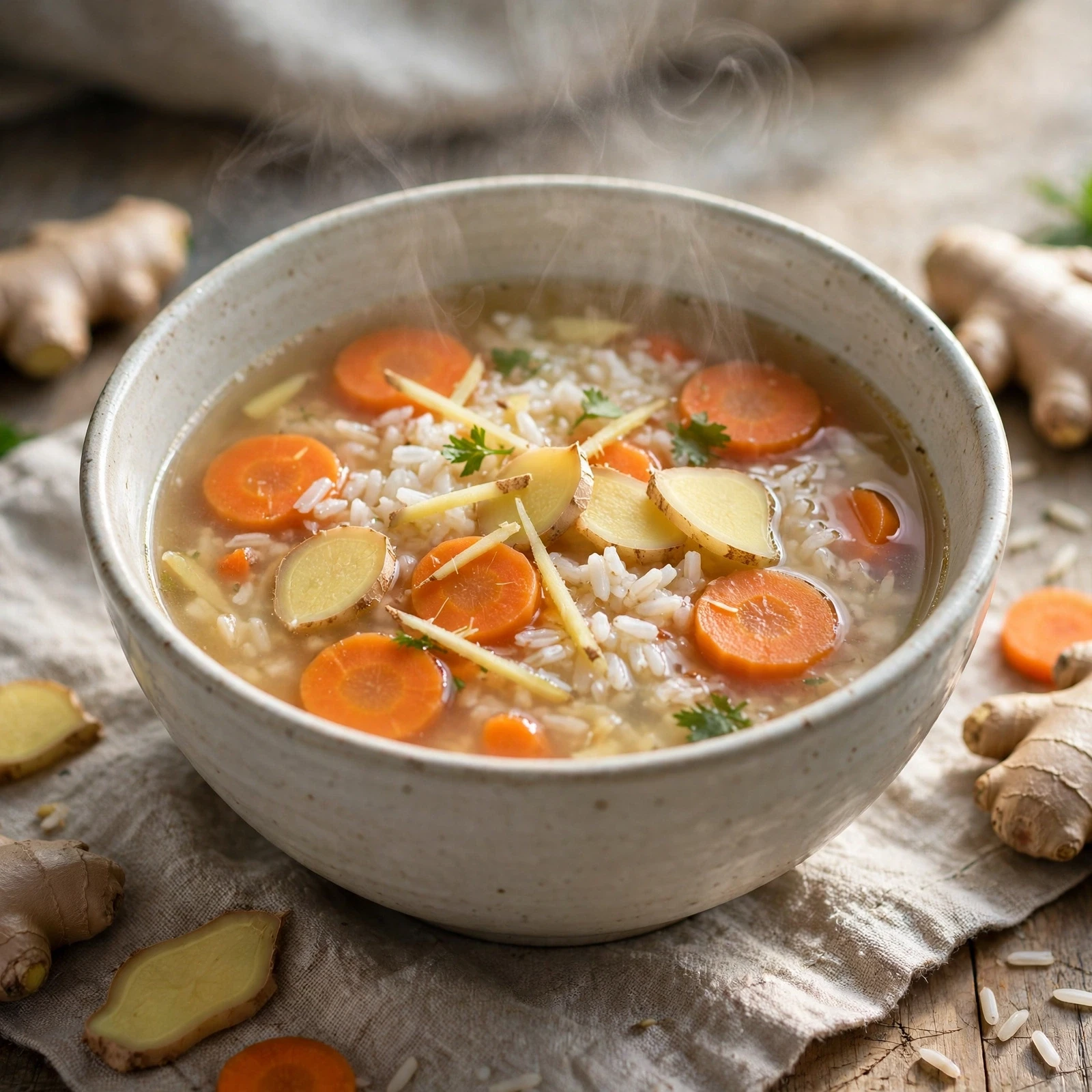
1. Ginger Carrot and Rice Soup
Best For
A soft, soothing soup.
Difficulty Level
Easy.
Prep Time Category
Under 30 minutes.
Why You’ll Love It
Soft carrots and rice blend into a gentle, warming soup with a mild ginger note. It is simple, easy to eat, and kind on a tired stomach. Parsley adds a fresh finish without sharpness.
Key Ingredients
- carrots
- white rice
- onion
- fresh ginger
- garlic
- vegetable stock
- olive oil
- parsley
Flavor Profile
The main flavor is warm, gingery, and gentle. Expect a balanced, home-cooked taste with fresh herbs or a squeeze of citrus to finish, and a texture that feels hearty without being heavy. Serve it with a simple side you already enjoy, such as whole-grain bread, brown rice, or a small green salad, to round out the meal.
Helpful Tip
Cook the rice until very soft so the soup feels smooth and easy.
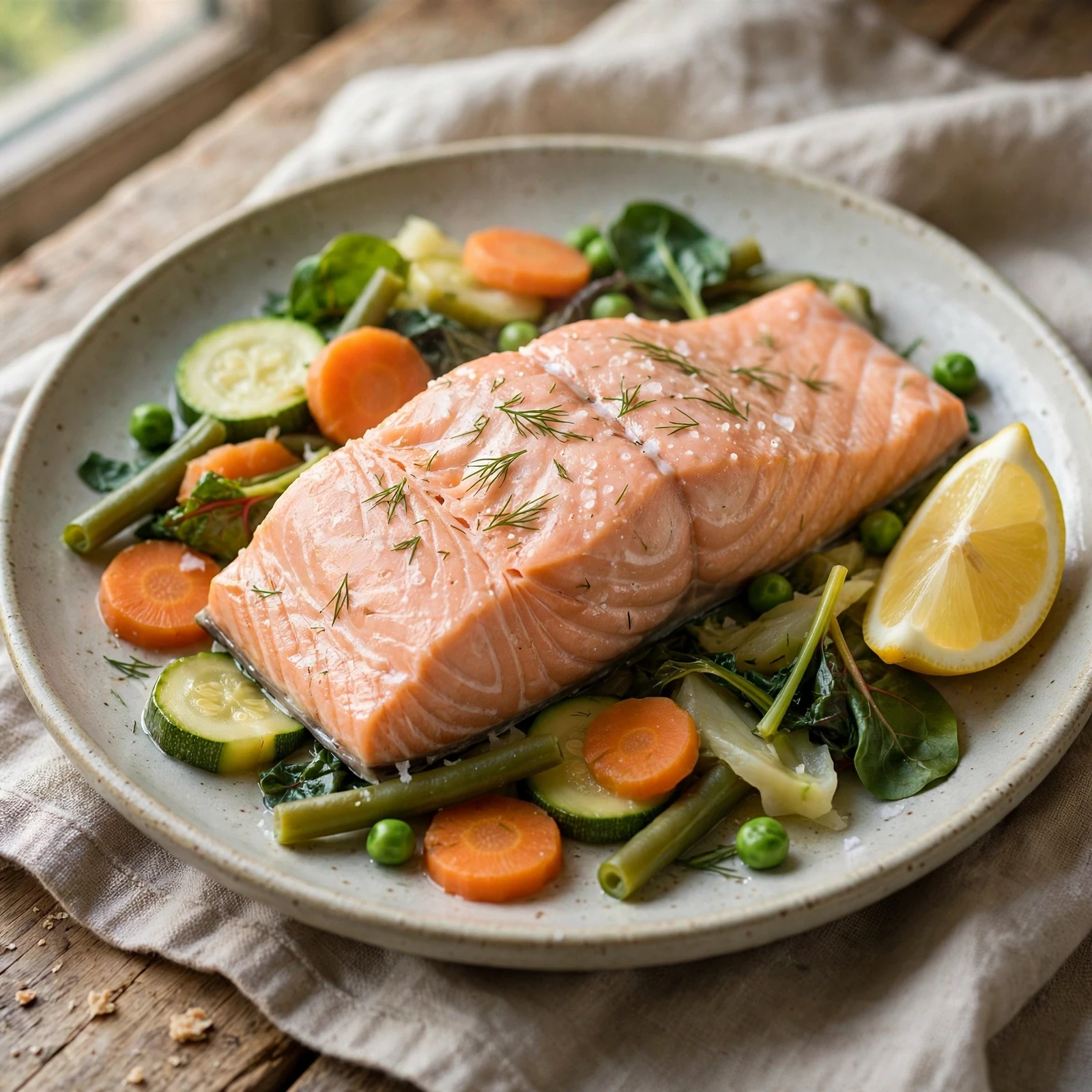
2. Steamed Salmon with Soft Vegetables
Best For
A light fish dinner.
Difficulty Level
Easy.
Prep Time Category
30-45 minutes.
Why You’ll Love It
Steamed salmon with soft vegetables is mild, fresh, and easy to enjoy. Lemon and dill add flavor without heaviness. It is a calm dinner that feels nourishing and uncomplicated.
Key Ingredients
- salmon fillets
- carrots
- zucchini
- green beans
- lemon
- olive oil
- dill
- sea salt
Flavor Profile
The main flavor is fresh, mild, and savory. Expect a balanced, home-cooked taste with fresh herbs or a squeeze of citrus to finish, and a texture that feels hearty without being heavy. Serve it with a simple side you already enjoy, such as whole-grain bread, brown rice, or a small green salad, to round out the meal.
Helpful Tip
Steam the vegetables until tender but not mushy, checking with a fork.
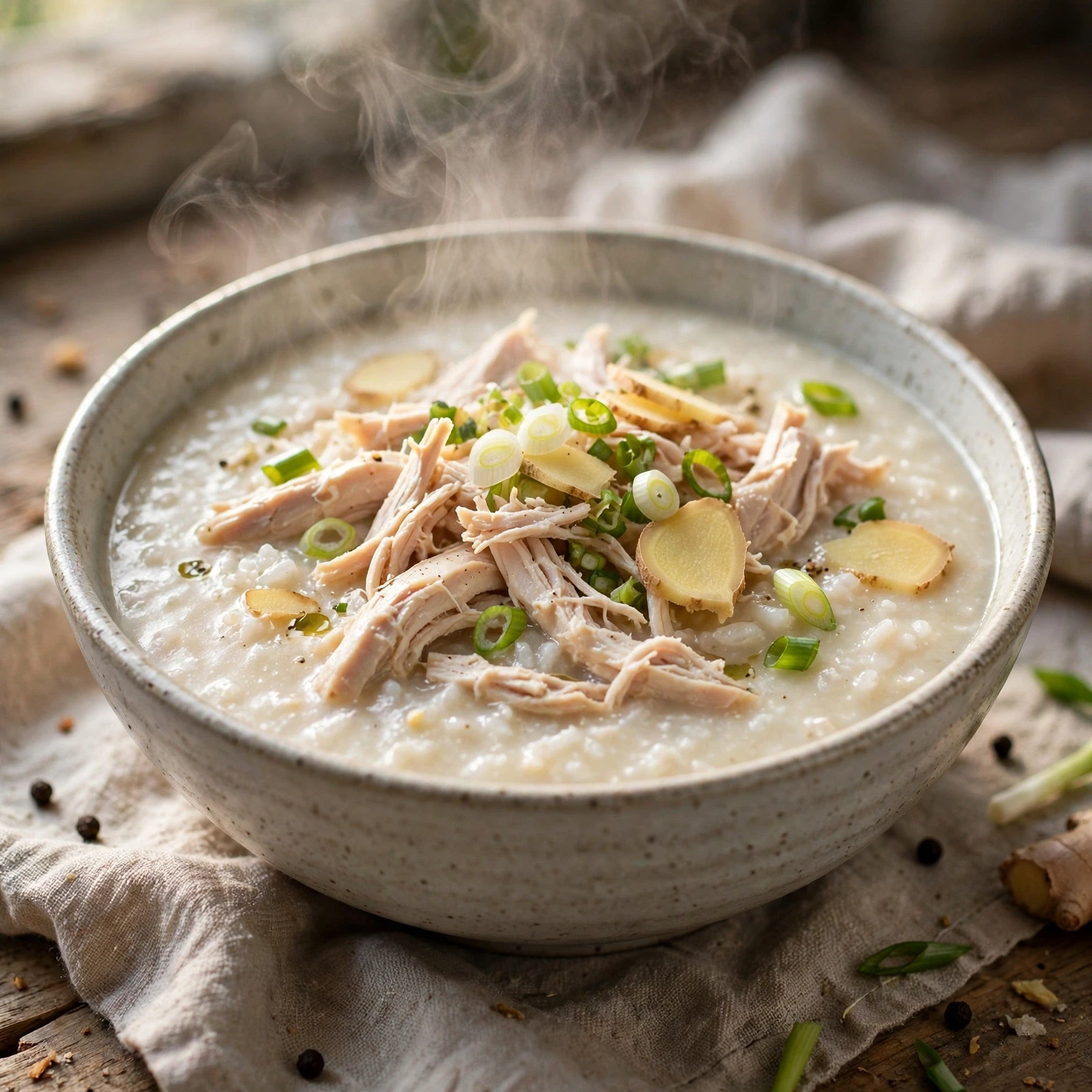
3. Chicken and Rice Porridge
Best For
A comforting bowl on a quiet evening.
Difficulty Level
Moderate.
Prep Time Category
Under 30 minutes.
Why You’ll Love It
Chicken and rice cooked until soft make a mild, savory porridge that feels deeply comforting. Ginger adds gentle warmth. It is the kind of bowl you want when you need something simple and warm.
Key Ingredients
- chicken breast
- white rice
- carrots
- celery
- onion
- ginger
- low-sodium chicken stock
- spring onions
Flavor Profile
The main flavor is mild, savory, and comforting. Expect a balanced, home-cooked taste with fresh herbs or a squeeze of citrus to finish, and a texture that feels hearty without being heavy. Serve it with a simple side you already enjoy, such as whole-grain bread, brown rice, or a small green salad, to round out the meal.
Helpful Tip
Cook it low and slow, adding stock as needed to keep it spoonable.
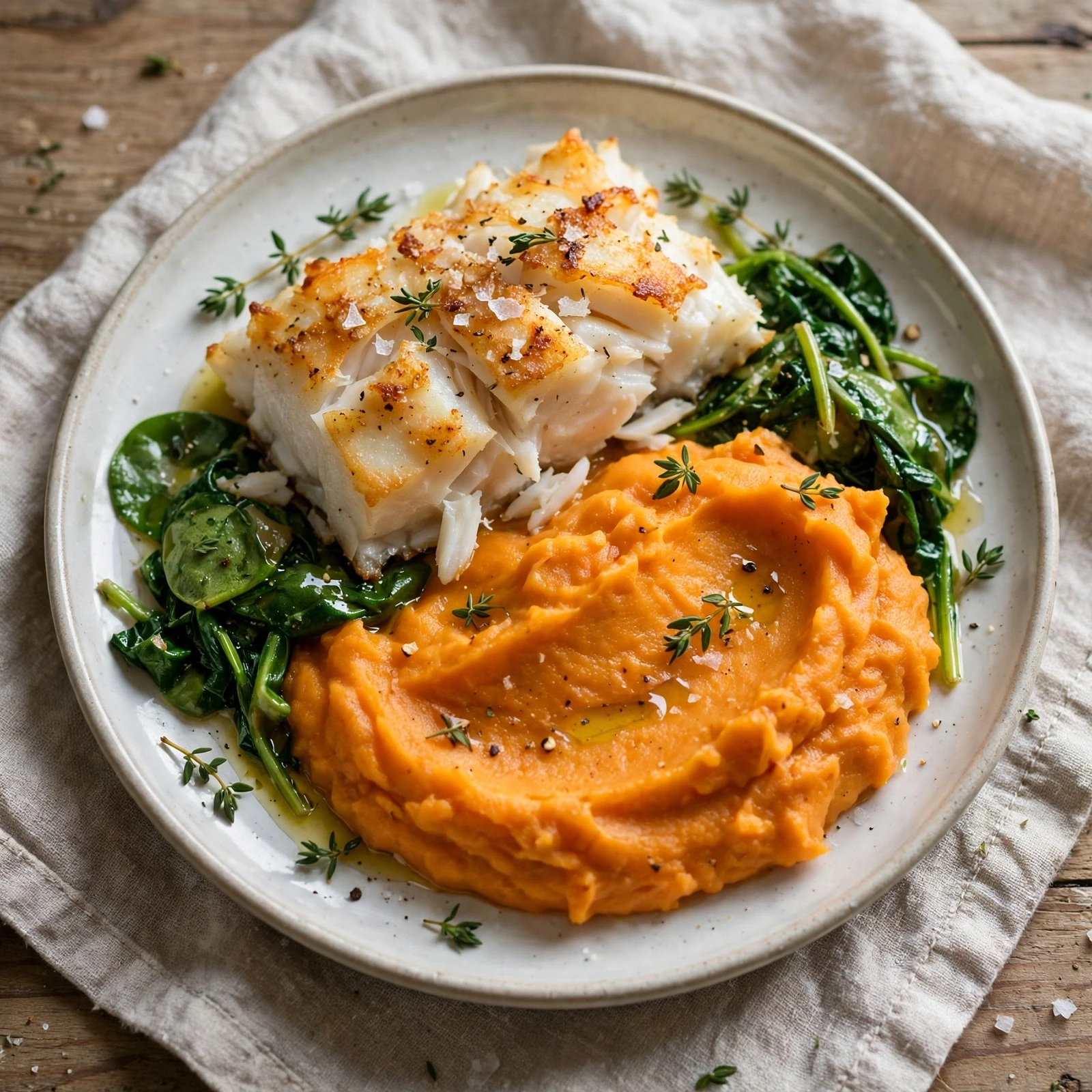
4. Baked Cod with Mashed Sweet Potato
Best For
A soft, easy fish dinner.
Difficulty Level
Easy.
Prep Time Category
45-60 minutes.
Why You’ll Love It
Baked cod with mashed sweet potato is mild and soft, with a natural sweetness from the potato. Lemon and parsley keep it fresh. It is a gentle dinner that still feels complete.
Key Ingredients
- cod fillets
- sweet potatoes
- olive oil
- lemon
- parsley
- garlic
- sea salt
- steamed spinach
Flavor Profile
The main flavor is mild, sweet, and savory. Expect a balanced, home-cooked taste with fresh herbs or a squeeze of citrus to finish, and a texture that feels hearty without being heavy. Serve it with a simple side you already enjoy, such as whole-grain bread, brown rice, or a small green salad, to round out the meal.
Helpful Tip
Mash the sweet potato with a little olive oil instead of butter for a smooth finish.
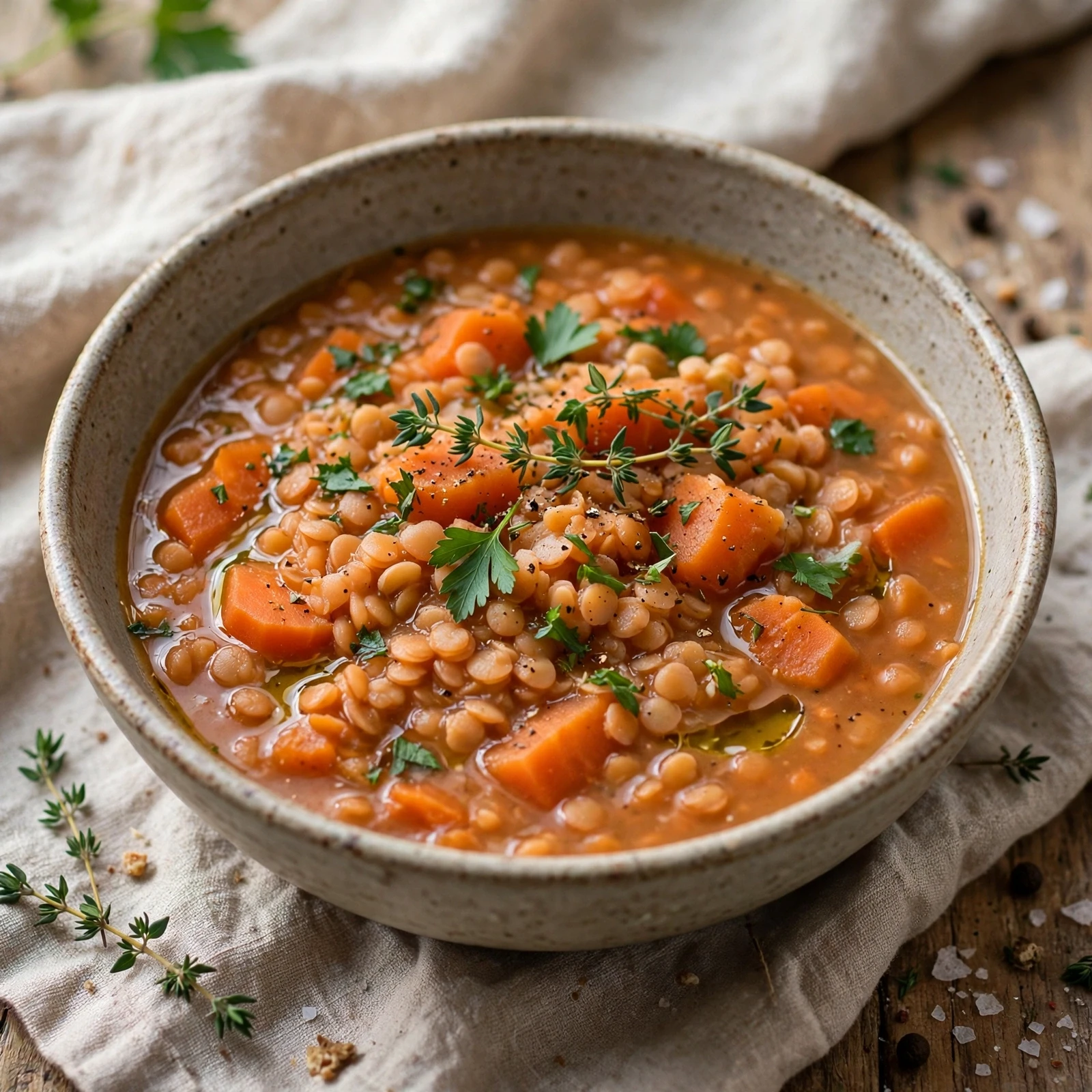
5. Soft Lentil and Carrot Stew
Best For
A filling plant-based stew.
Difficulty Level
Easy.
Prep Time Category
30-45 minutes.
Why You’ll Love It
Red lentils cook down into a soft, earthy stew with tender carrots. Cumin adds warmth without sharp spice. It is filling, simple, and easy to make in a large pot.
Key Ingredients
- red lentils
- carrots
- onion
- garlic
- cumin
- vegetable stock
- olive oil
- parsley
Flavor Profile
The main flavor is earthy, mild, and hearty. Expect a balanced, home-cooked taste with fresh herbs or a squeeze of citrus to finish, and a texture that feels hearty without being heavy. Serve it with a simple side you already enjoy, such as whole-grain bread, brown rice, or a small green salad, to round out the meal.
Helpful Tip
Let the lentils cook until they break down fully for the softest texture.
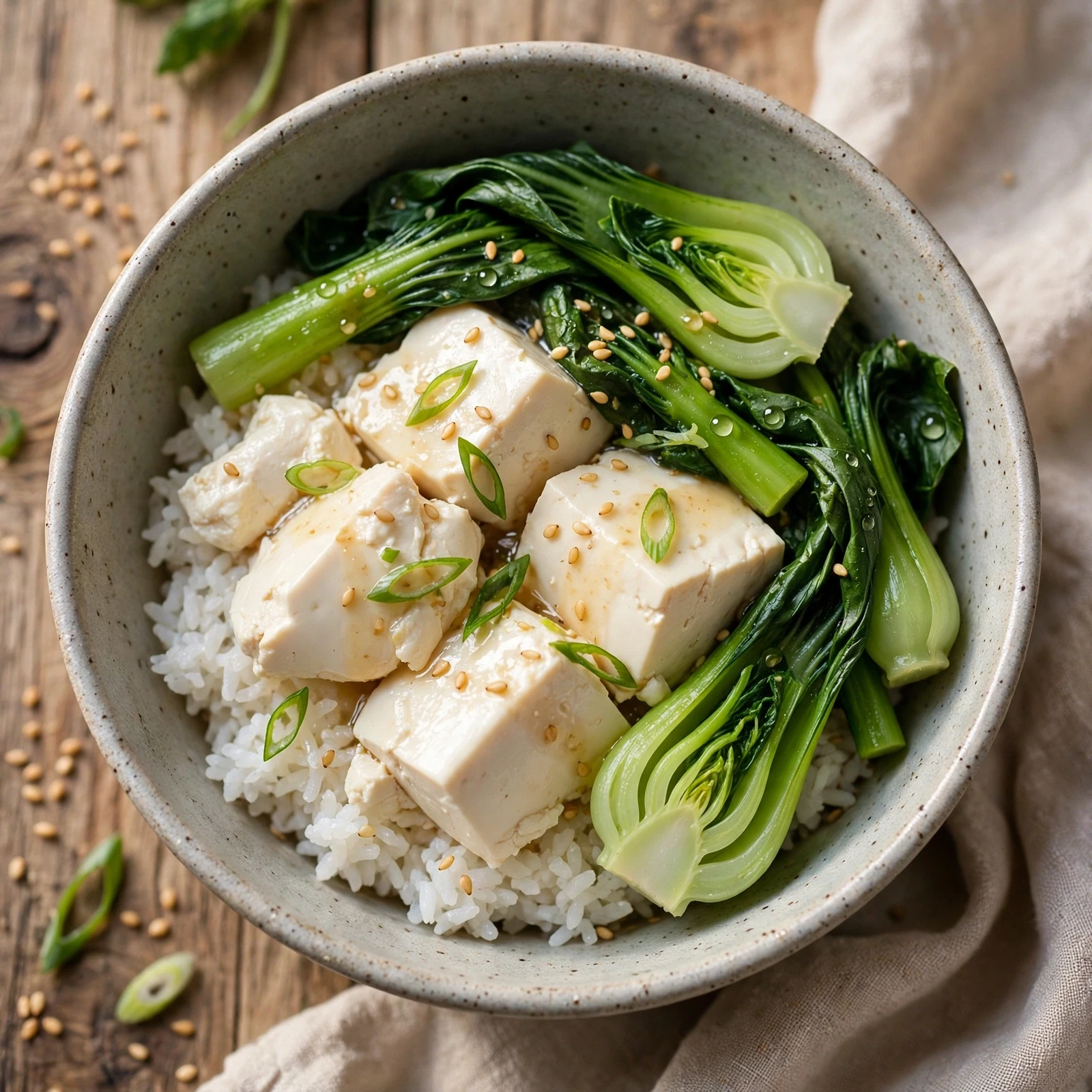
6. Tofu and Steamed Greens Bowl
Best For
A light plant-based bowl.
Difficulty Level
Moderate.
Prep Time Category
Under 30 minutes.
Why You’ll Love It
Soft tofu with steamed greens and brown rice makes a mild, savory bowl. Ginger and a little sesame add flavor without heat. It is light, colorful, and easy to digest-friendly in its simplicity.
Key Ingredients
- soft tofu
- spinach
- bok choy
- carrots
- brown rice
- sesame oil
- soy sauce
- ginger
Flavor Profile
The main flavor is mild, savory, and fresh. Expect a balanced, home-cooked taste with fresh herbs or a squeeze of citrus to finish, and a texture that feels hearty without being heavy. Serve it with a simple side you already enjoy, such as whole-grain bread, brown rice, or a small green salad, to round out the meal.
Helpful Tip
Steam the greens just until wilted so they stay tender and bright.
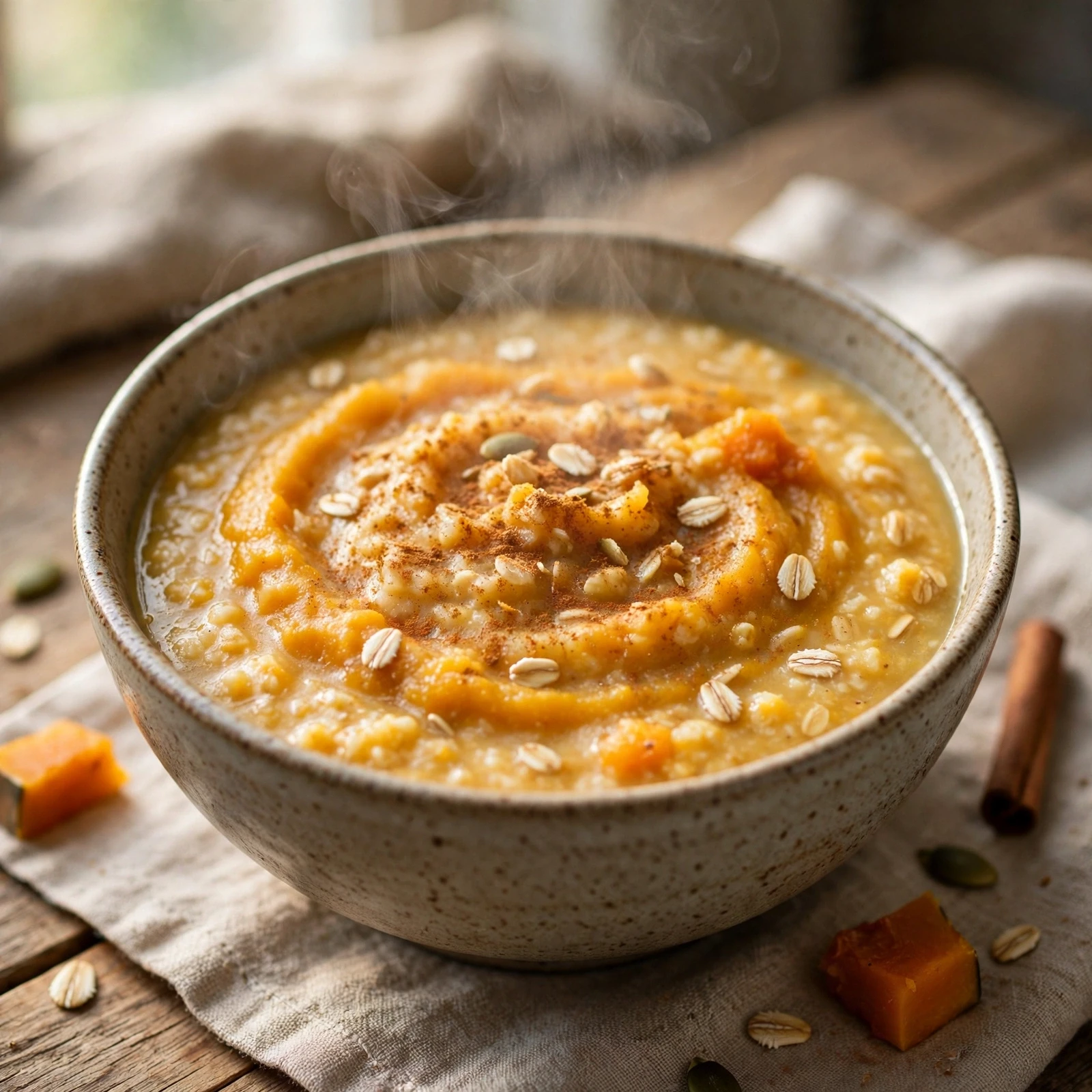
7. Pumpkin and Oat Porridge
Best For
A gentle breakfast-style meal.
Difficulty Level
Easy.
Prep Time Category
30-45 minutes.
Why You’ll Love It
Pumpkin and oats cook into a warm, mild porridge with a soft sweetness. Cinnamon and ginger add gentle warmth. It works for breakfast or a light supper on a cold evening.
Key Ingredients
- pumpkin puree
- rolled oats
- milk or plant milk
- cinnamon
- ginger
- honey
- banana
- vanilla
Flavor Profile
The main flavor is warm, sweet, and mild. Expect a balanced, home-cooked taste with fresh herbs or a squeeze of citrus to finish, and a texture that feels hearty without being heavy. Serve it with a simple side you already enjoy, such as whole-grain bread, brown rice, or a small green salad, to round out the meal.
Helpful Tip
Stir often as it thickens so the oats do not catch on the base.
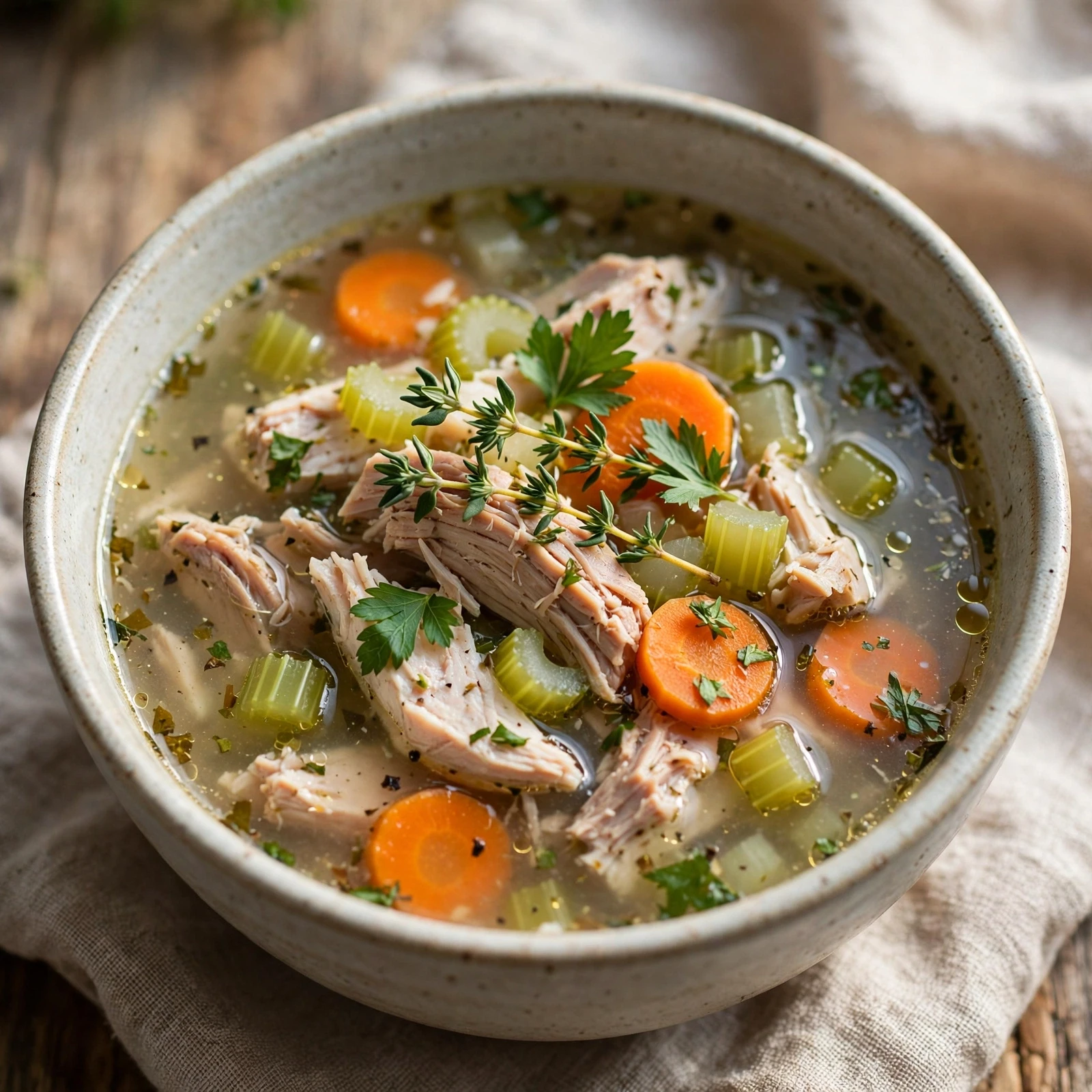
8. Turkey and Vegetable Soup
Best For
A simple soup for the week.
Difficulty Level
Moderate.
Prep Time Category
30-45 minutes.
Why You’ll Love It
Turkey and soft vegetables make a mild, savory soup that is easy to enjoy and easy to reheat. Potatoes give it body. It is a practical pot for a week of simple lunches.
Key Ingredients
- ground turkey
- carrots
- celery
- potatoes
- onion
- garlic
- low-sodium stock
- parsley
Flavor Profile
The main flavor is mild, savory, and hearty. Expect a balanced, home-cooked taste with fresh herbs or a squeeze of citrus to finish, and a texture that feels hearty without being heavy. Serve it with a simple side you already enjoy, such as whole-grain bread, brown rice, or a small green salad, to round out the meal.
Helpful Tip
Skim any foam from the surface early for a cleaner-tasting broth.
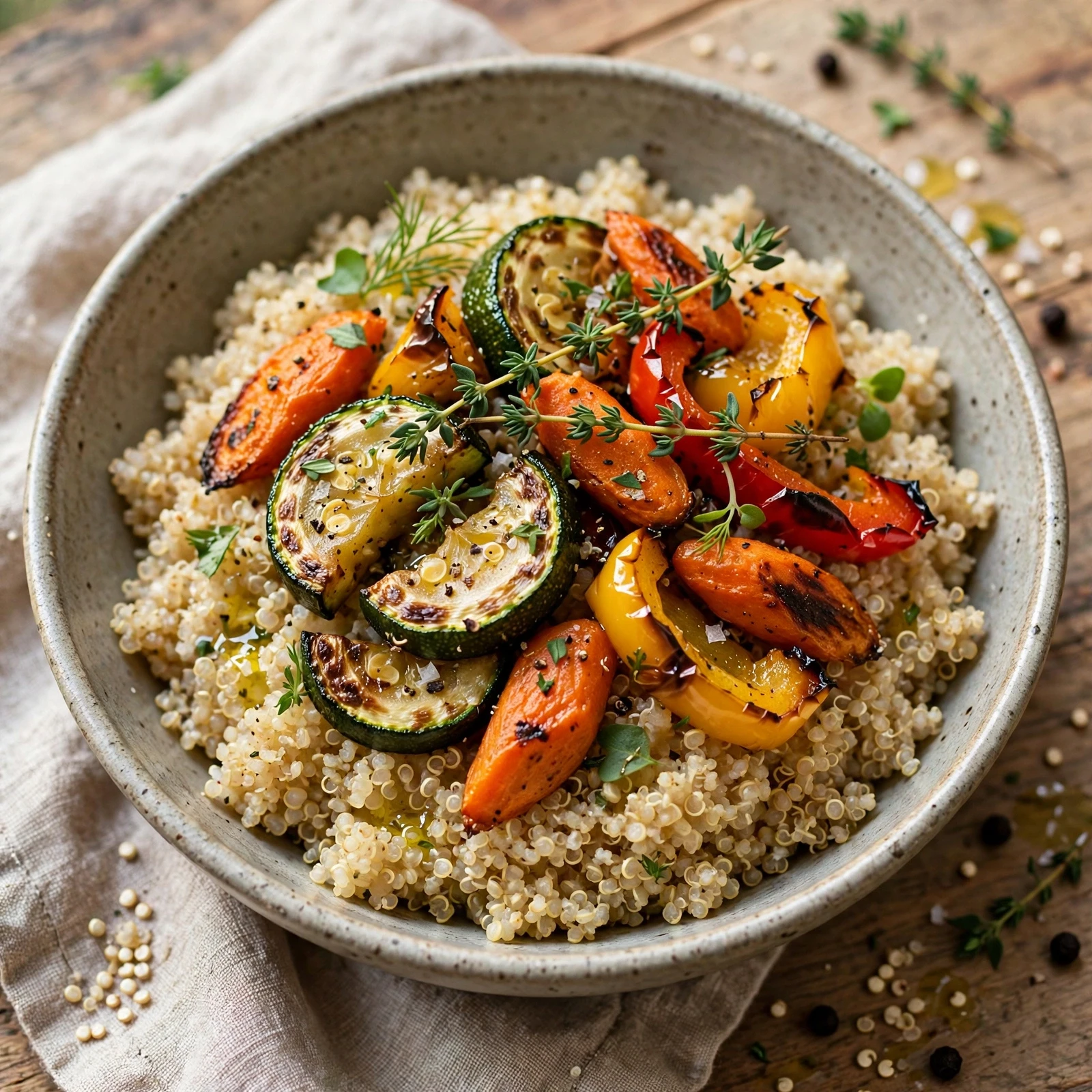
9. Quinoa and Soft Roasted Vegetable Bowl
Best For
A warm grain bowl.
Difficulty Level
Easy.
Prep Time Category
Under 30 minutes.
Why You’ll Love It
Soft roasted vegetables over quinoa make a warm, colorful bowl with a mild, savory flavor. Lemon and parsley keep it fresh. Pumpkin seeds add a gentle crunch on top.
Key Ingredients
- quinoa
- zucchini
- carrots
- sweet potatoes
- olive oil
- lemon
- parsley
- pumpkin seeds
Flavor Profile
The main flavor is savory, mild, and colorful. Expect a balanced, home-cooked taste with fresh herbs or a squeeze of citrus to finish, and a texture that feels hearty without being heavy. Serve it with a simple side you already enjoy, such as whole-grain bread, brown rice, or a small green salad, to round out the meal.
Helpful Tip
Roast the vegetables until fully tender, a little longer than usual.
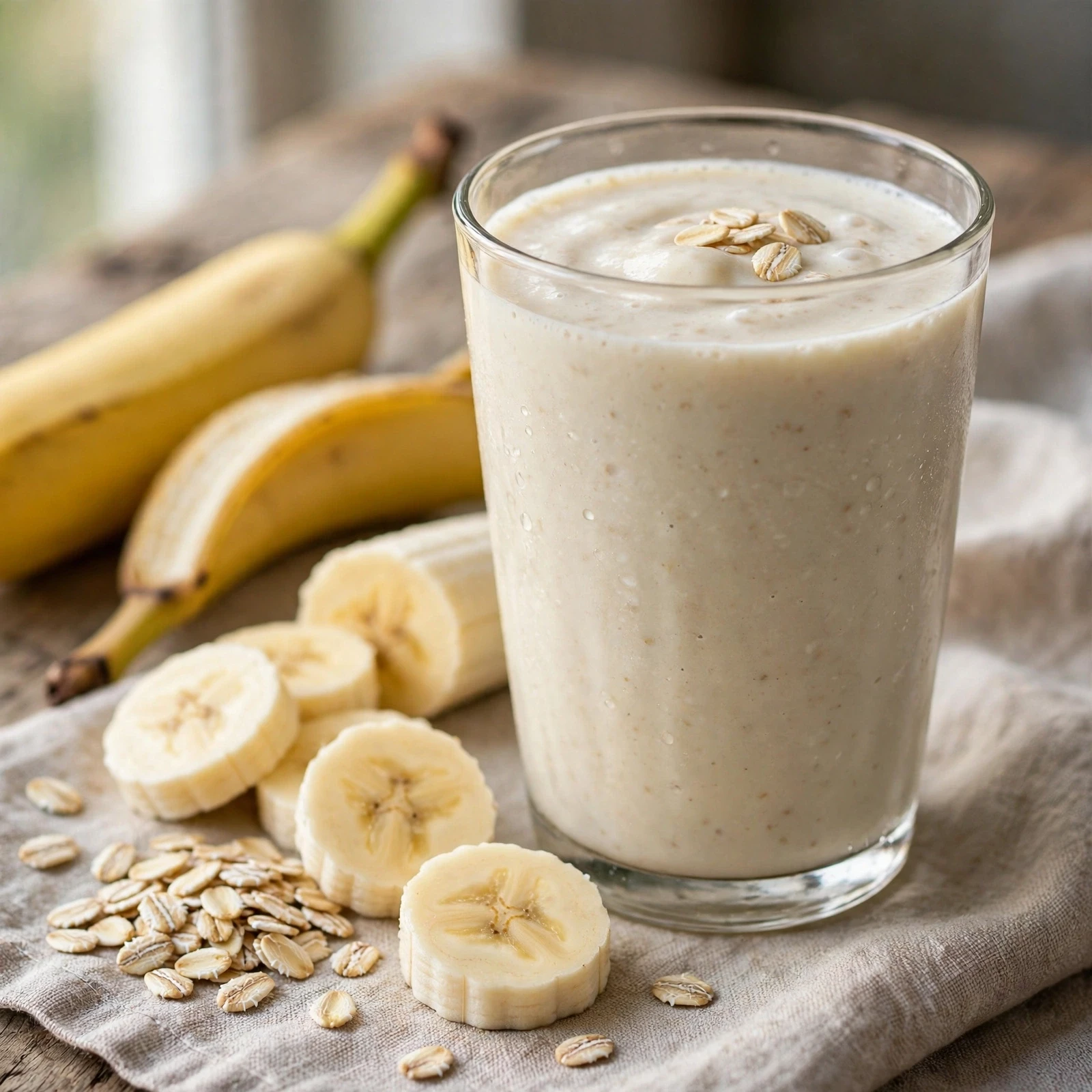
10. Banana Oat Smoothie
Best For
A gentle smoothie meal.
Difficulty Level
Easy.
Prep Time Category
45-60 minutes.
Why You’ll Love It
Banana, oats, and yogurt blend into a creamy, mild smoothie that is easy to enjoy. Cinnamon adds warmth without sharpness. It is a good light meal when you want something soft and simple.
Key Ingredients
- banana
- rolled oats
- Greek yogurt
- milk or plant milk
- honey
- vanilla
- cinnamon
- ice
Flavor Profile
The main flavor is sweet, creamy, and mild. Expect a balanced, home-cooked taste with fresh herbs or a squeeze of citrus to finish, and a texture that feels hearty without being heavy. Serve it with a simple side you already enjoy, such as whole-grain bread, brown rice, or a small green salad, to round out the meal.
Helpful Tip
Soak the oats for 10 minutes first for a smoother blend.
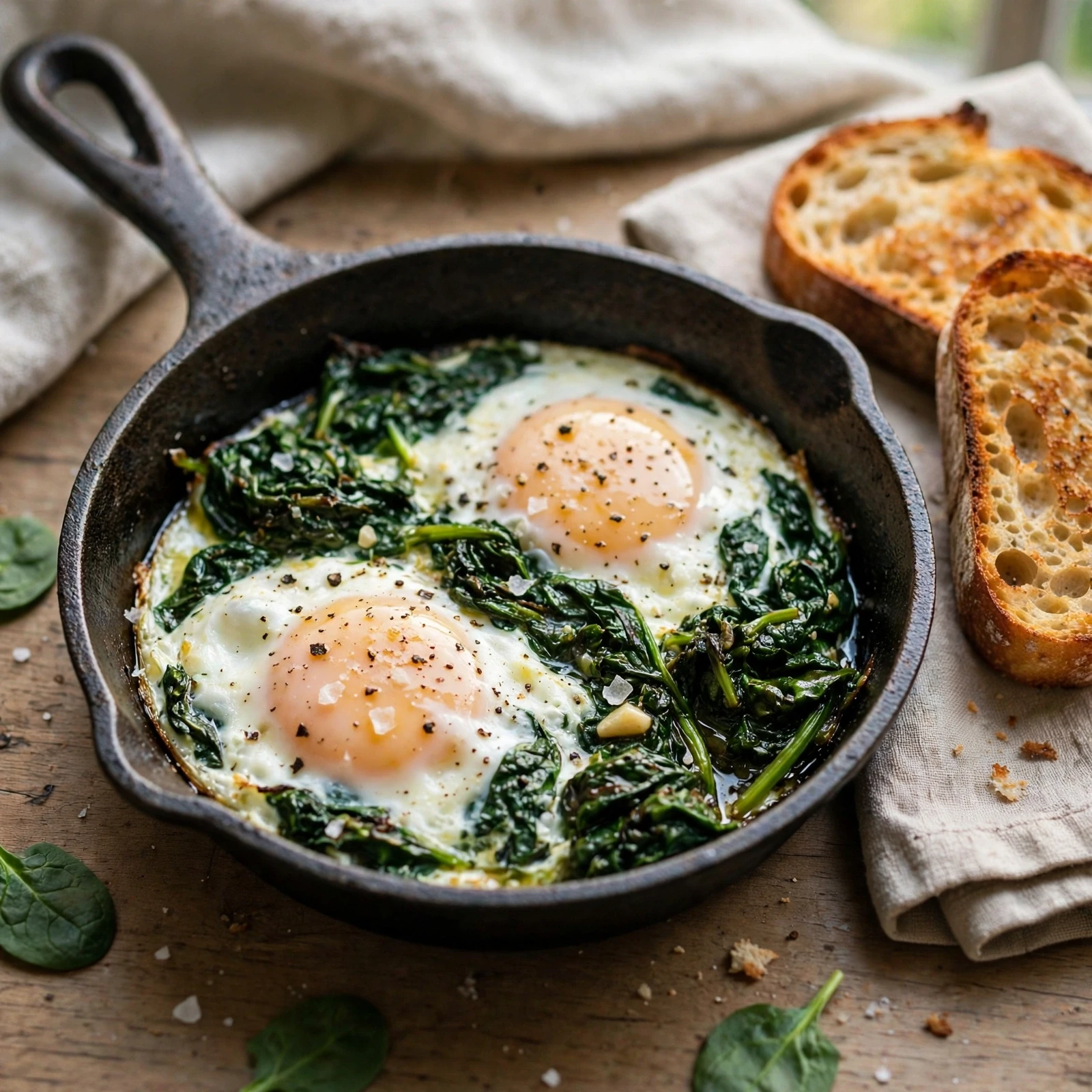
11. Egg and Spinach Breakfast Skillet
Best For
A soft savory breakfast.
Difficulty Level
Moderate.
Prep Time Category
30-45 minutes.
Why You’ll Love It
Soft eggs with spinach and zucchini make a mild, savory breakfast skillet. It cooks quickly and feels light but satisfying. Parsley adds freshness on top.
Key Ingredients
- eggs
- spinach
- zucchini
- onion
- garlic
- olive oil
- parsley
- whole-grain toast
Flavor Profile
The main flavor is mild, savory, and fresh. Expect a balanced, home-cooked taste with fresh herbs or a squeeze of citrus to finish, and a texture that feels hearty without being heavy. Serve it with a simple side you already enjoy, such as whole-grain bread, brown rice, or a small green salad, to round out the meal.
Helpful Tip
Cook the eggs gently on low heat so they stay soft and tender.
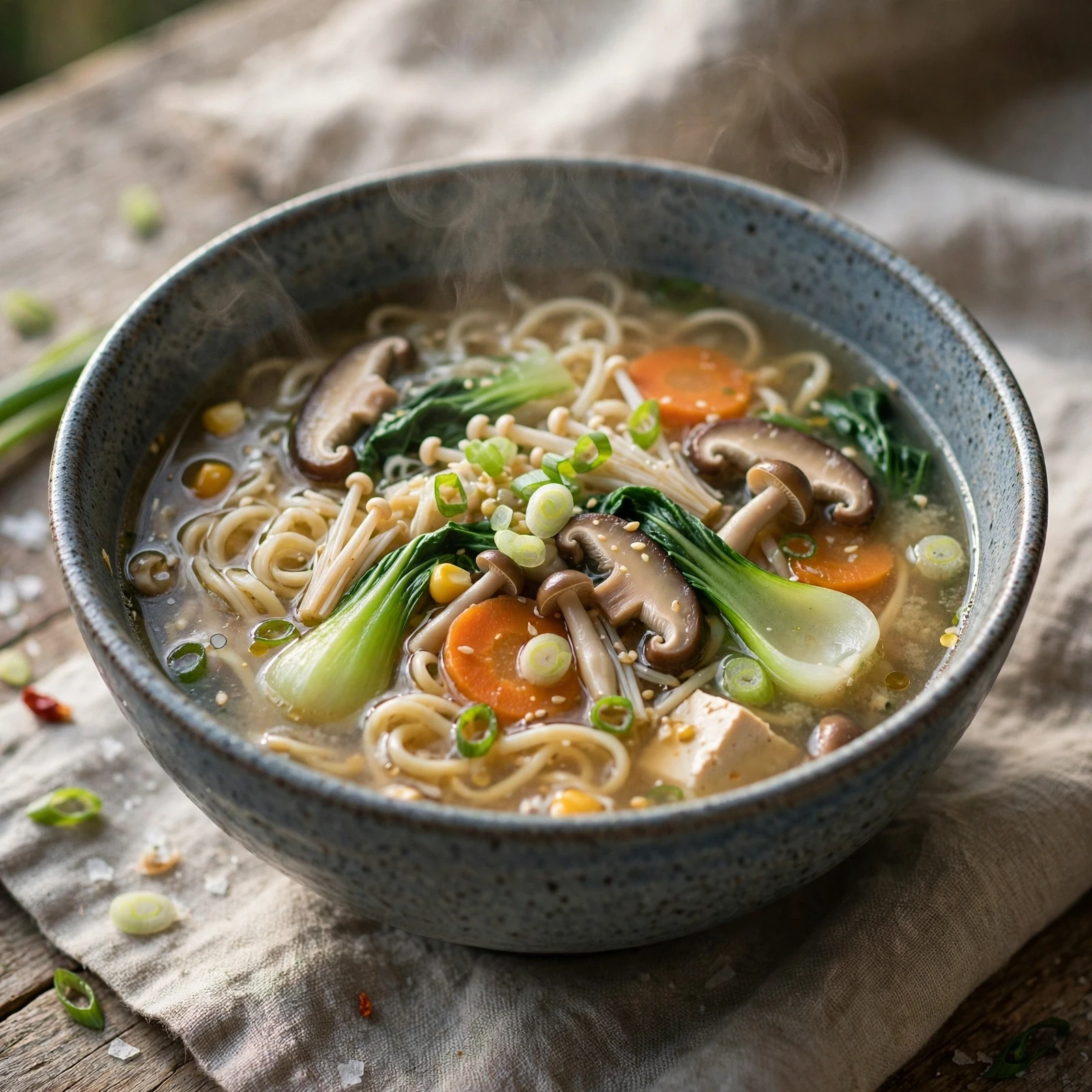
12. Miso Vegetable Noodle Soup
Best For
A light noodle soup.
Difficulty Level
Easy.
Prep Time Category
Under 30 minutes.
Why You’ll Love It
Rice noodles and soft tofu in a light miso broth make a mild, savory soup. Mushrooms and carrots add substance without heaviness. It is a soothing bowl for a quiet evening.
Key Ingredients
- rice noodles
- soft tofu
- carrots
- mushrooms
- miso paste
- spring onions
- vegetable stock
- sesame oil
Flavor Profile
The main flavor is savory, light, and mild. Expect a balanced, home-cooked taste with fresh herbs or a squeeze of citrus to finish, and a texture that feels hearty without being heavy. Serve it with a simple side you already enjoy, such as whole-grain bread, brown rice, or a small green salad, to round out the meal.
Helpful Tip
Dissolve the miso in a little warm broth first so it blends smoothly.
Which Meal Should You Try First?
Think about your week before you choose. A busy Tuesday calls for a fast, familiar recipe, while a slower Sunday is a good time for something that simmers or roasts. Matching the recipe to the day makes cooking feel easier and more enjoyable.
If you are short on time, start with one of the quickest recipes in the table, such as the first recipe in this collection, and serve it with something simple you already have at home. If you have a quiet weekend afternoon, pick a slower recipe that simmers or roasts while you relax. Either way, choose the flavor you are most drawn to, since the meal you enjoy is the one you will make again.
Best Ingredients to Pair with January Gut-Healing Meals
Fresh herbs are another easy win. Parsley, cilantro, dill, and basil each change the character of a dish, so a small bunch in the fridge can carry several meals through the week. Citrus works the same way: a lemon or lime at the end brightens flavors without adding heaviness.
Whole grains like brown rice and quinoa, leafy greens, root vegetables, beans, and lentils pair well with nearly every recipe here. Olive oil, lemon, garlic, ginger, and fresh herbs lift flavors without complicating the cooking. Keep a few of these staples on hand and you can adapt most recipes to what is already in your kitchen.
Meal Prep and Storage Tips
Label containers with the dish name and date, and use the oldest portions first. That small habit keeps the fridge organized and means nothing gets forgotten at the back for weeks.
Cool cooked meals before storing them, and portion them into containers you can grab for lunch or dinner. Most of these recipes keep in the fridge for three to four days. Soups, stews, and grain-based dishes also freeze well for up to three months; leave fresh herbs and citrus until serving so the flavor stays bright.
Common Mistakes
Another common mistake is cooking everything at the same heat. Grains and stews like a gentle simmer, while vegetables for a stir-fry or roast need higher heat to stay crisp and colorful. Adjusting the heat to the ingredient makes a noticeable difference.
The most common mistake is overcooking delicate ingredients, such as fish, greens, or fresh herbs, which lose texture and flavor quickly. Another is under-seasoning at the start and then adding too much salt at the end. Taste as you cook, add herbs late, and give grains time to rest before serving so the texture settles.
People Also Ask
Are these recipes suitable for weeknights?
Yes. Most are designed for a regular weeknight, with short ingredient lists and simple methods, and several can be made ahead.
Can I adjust the recipes for my family?
Yes. Scale the quantities, swap a vegetable or protein for one your family prefers, and adjust seasoning to taste.
Do I need to follow the recipes exactly?
No. Use the ingredient lists as a guide. Keep the overall balance of vegetables, protein, and grains, and change flavors and vegetables to suit your taste and pantry.
Frequently Asked Questions
What does gentle on digestion mean in these recipes?
It means soft textures, mild seasoning, simple ingredients, and cooking methods like steaming, simmering, and baking, rather than anything fried or heavily spiced.
Can these meals fit into an anti-inflammatory eating pattern?
Yes. They are built around vegetables, whole grains, legumes, fish, and olive oil, which can fit into an anti-inflammatory eating pattern as part of an overall balanced diet.
Should I avoid any ingredients in January?
That depends on your own tolerance. If a particular food does not suit you, swap it for a similar one, such as zucchini for peppers or rice for quinoa, and keep the meal simple.
Are these meals suitable for meal prep?
Most of them are. Soups, stews, and grain bowls keep well for three to four days in the fridge, and porridge can be reheated gently with a splash of milk or stock.
Can I make these meals more filling?
Yes. Add an extra portion of rice, quinoa, or soft vegetables, or pair a lighter soup with whole-grain toast, to make the meal more substantial.
More Healthy January Recipe Inspiration
If you enjoyed these recipes, the collections below offer more ideas in the same style, with seasonal ingredients and practical weeknight methods.
- 12 Gut-Healing Anti-Inflammatory Fall Meals for Immunity
- 10 Nourishing Anti Inflammatory Lunch Recipes for Gut Health
- 10 Anti-Inflammatory Bone Broth Recipes for Fall Gut Healing
Conclusion
Keep a short list of the recipes you liked most, and repeat them through the rest of winter. Familiar meals get faster each time you make them, and they become the reliable core of your weekly cooking.
January cooking does not need to be complicated to feel good. A warm, colorful, home-cooked meal made from simple ingredients can anchor a cold day and make the week feel more manageable. Pick one recipe from this collection, cook it at your own pace, and build from there. Small, steady habits in the kitchen are what carry an anti-inflammatory eating pattern through winter and beyond.