10 Anti-Inflammatory Fermented Foods & Recipes for Fall Gut Health
When the air turns crisp and dinner starts to mean something warm in a bowl, fermented foods fit right in. This collection of 10 anti-inflammatory fermented foods and recipes for fall is built around cozy seasonal ingredients — squash, apples, root vegetables, leafy greens, and warming spices — paired with tangy, savory fermented staples you can find in most grocery stores. These recipes can fit into an anti-inflammatory eating pattern, and as always, overall dietary pattern matters more than any single recipe. You do not need a special pantry or a weekend of fermenting at home to enjoy them. A jar of kimchi, a tub of miso, a bag of sauerkraut, or a carton of kefir is enough to get started, and each dish below turns that one ingredient into a full, satisfying meal.
What Makes Fermented Food Recipes Anti-Inflammatory?
Fermented foods get their tang from a process where microbes convert sugars into acids and other flavorful compounds. That process gives kimchi its bite, miso its deep savoriness, sourdough its chew and slight sourness, and yogurt its thickness and tart edge. In a recipe, that tang does real work: it brightens rich fall ingredients, cuts through roasted vegetables and grains, and adds complexity without needing a long list of sauces or extra salt.
What makes the dishes in this collection fit an anti-inflammatory eating pattern is the whole plate, not one jar. Each recipe pairs a fermented ingredient with vegetables, whole grains, beans, nuts, or lean protein, plus herbs, olive oil, and spices such as ginger, turmeric, garlic, and mustard. Colorful produce, fiber-rich foods, and unsaturated fats are the backbone here. The fermented ingredient is the accent that makes the meal interesting enough to cook again.
For more background on how these foods fit into an overall eating pattern, see Harvard Nutrition Source’s review of the anti-inflammatory diet and Cleveland Clinic’s guide to an anti-inflammatory eating pattern.
Quick Recipe Comparison Table: 10 Anti-Inflammatory Fermented Foods & Recipes for Fall Gut Health
| Recipe | Main Flavor | Protein Source (if any) | Best For |
|---|---|---|---|
| 1. Kimchi Fried Rice with Egg and Fall Vegetables | Spicy, tangy, savory | Egg | Quick weeknight dinner |
| 2. Miso-Glazed Roasted Butternut Squash Soup | Sweet, salty, earthy | None (add tofu or chickpeas if you like) | Cozy lunch or light supper |
| 3. Sauerkraut, Apple and Chicken Sausage Skillet | Tangy, sweet, smoky | Chicken sausage | One-pan autumn dinner |
| 4. Kefir Pumpkin Overnight Oats | Creamy, spiced, lightly tangy | Kefir and oats | Make-ahead breakfast |
| 5. Maple-Mustard Tempeh with Roasted Brussels Sprouts | Sweet, mustardy, nutty | Tempeh | Plant-based fall dinner |
| 6. Yogurt-Marinated Chicken with Roasted Carrots and Parsnips | Warm-spiced, lemony, savory | Chicken thighs | Family sheet-pan dinner |
| 7. Pickled Beet and Lentil Salad with Feta | Earthy, briny, bright | Lentils and feta | Meal-prep lunch |
| 8. Sourdough and Roasted Squash Panzanella with Kale | Toasty, garlicky, lemony | Chickpeas | Using up day-old bread |
| 9. Harvest Salad with Kombucha Apple Cider Vinaigrette | Crisp, tart, lightly sweet | Walnuts and cheese (optional chicken) | Thanksgiving-side style salad |
| 10. Baked Salmon with Lacto-Fermented Carrot and Ginger Slaw | Bright, gingery, fresh | Salmon | Light but filling dinner |
Why Fermented Food Recipes Are Perfect for Fall
Quick Answer: Fermented foods are perfect for fall because their tang balances the richness of roasted squash, root vegetables, grains, and hearty greens, while jars and tubs keep well in the fridge for quick weeknight cooking. They add big flavor with little effort, which is exactly what cooler evenings call for.
Fall cooking leans warm, soft, and a little sweet — think roasted carrots, caramelized onions, and butternut squash. Without something sharp to balance it, those flavors can feel heavy. A spoonful of sauerkraut, a splash of kombucha vinaigrette, or a miso glaze gives the plate a lift. That contrast is why so many of the recipes below feel complete without a complicated sauce.
What Makes an Anti-Inflammatory Fermented Food Dish?
Quick Answer: A balanced fermented dish pairs a fermented ingredient with plenty of vegetables, a fiber-rich base such as whole grains or lentils, a protein source, and healthy fats like olive oil or nuts, seasoned with herbs and spices instead of relying on heavy sauces or excess salt.
Look for that balance in every recipe below. The kimchi fried rice is not just kimchi and rice — it has cabbage, carrots, mushrooms, and egg. The miso soup is not just miso paste — it is built on roasted squash, onion, garlic, and ginger. The salads combine bitter greens, sweet fruit, crunchy nuts, and a tangy dressing. That mix of textures and colors is what makes a meal satisfying and keeps it in line with an anti-inflammatory eating pattern.
1. Kimchi Fried Rice with Egg and Fall Vegetables
Best For
Busy weeknights, using up leftover rice, and anyone who likes a little heat with dinner.
Difficulty Level
Easy
Prep Time Category
Quick — about 20 minutes
Why You’ll Love It
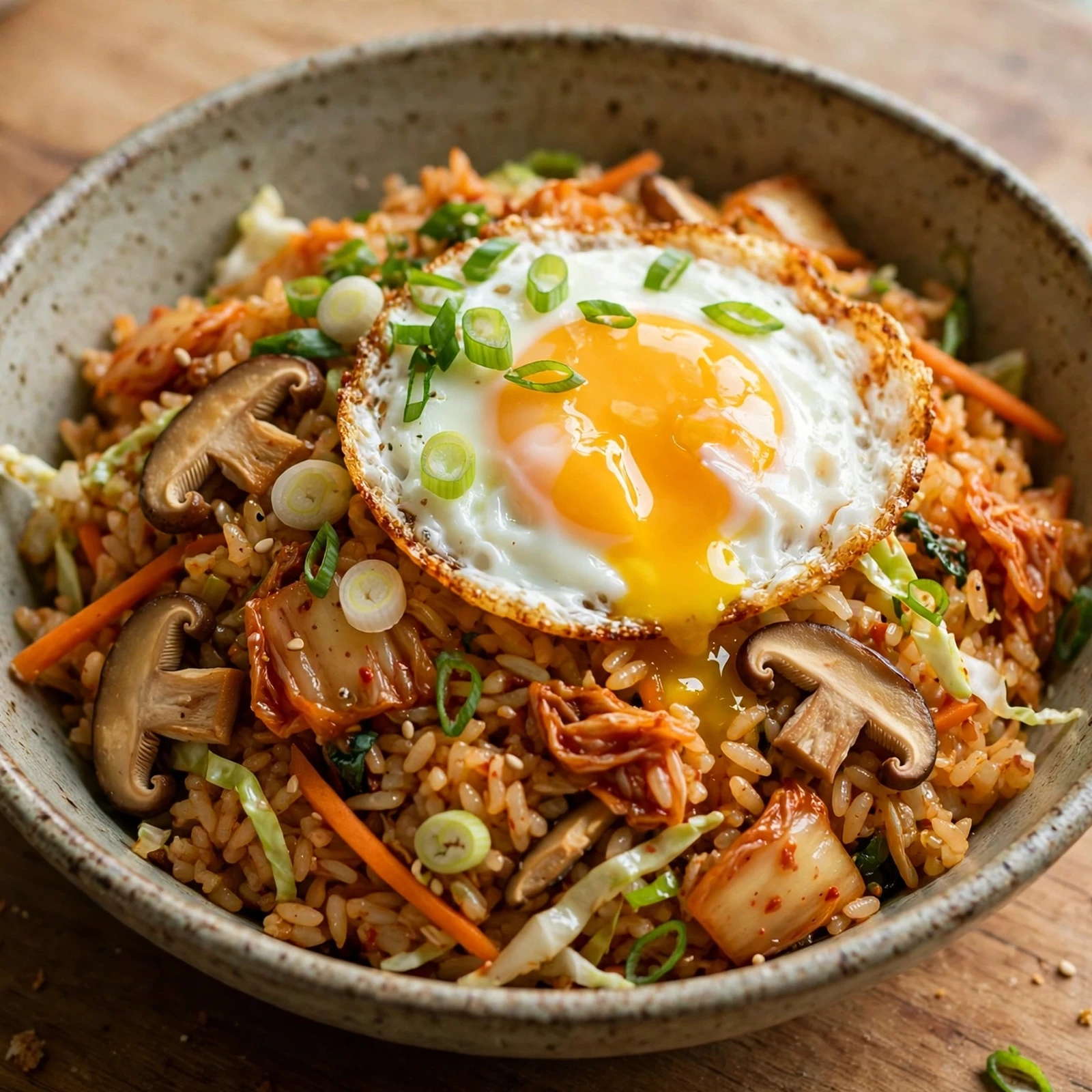
This is the recipe to reach for when the fridge looks uninspiring and dinner needs to happen fast. Day-old rice fries up crisp at the edges, kimchi adds spice and tang in one ingredient, and a fried egg on top turns it into a complete meal. Fall vegetables like cabbage and mushrooms keep it hearty without making it heavy, and you can adjust the heat simply by using more or less kimchi juice. It tastes like takeout, but it comes together in one pan and uses ingredients you probably already have.
Key Ingredients
- 2 cups cooked, cooled brown rice or jasmine rice
- 1 cup chopped kimchi, plus 2 tablespoons kimchi juice
- 2 eggs
- 1 cup shredded cabbage
- 1 cup sliced mushrooms
- 2 carrots, cut into thin matchsticks
- 3 spring onions, sliced
- 1 tablespoon sesame oil and 1 tablespoon neutral oil
Flavor Profile
Spicy and tangy from the kimchi, savory from soy sauce and sesame, with sweetness from the carrots and a rich finish from the egg yolk. The cabbage stays slightly crisp if you do not overcook it, which keeps the texture interesting against the soft rice.
Helpful Tip
Use cold rice straight from the fridge. Warm, freshly cooked rice steams instead of frying and turns soft. If your rice is fresh, spread it on a tray for 15 minutes to cool and dry out a little before it hits the pan.
2. Miso-Glazed Roasted Butternut Squash Soup
Best For
Cozy lunches, soup season, and a light dinner with crusty bread on the side.
Difficulty Level
Easy
Prep Time Category
Moderate — about 50 minutes, mostly roasting
Why You’ll Love It
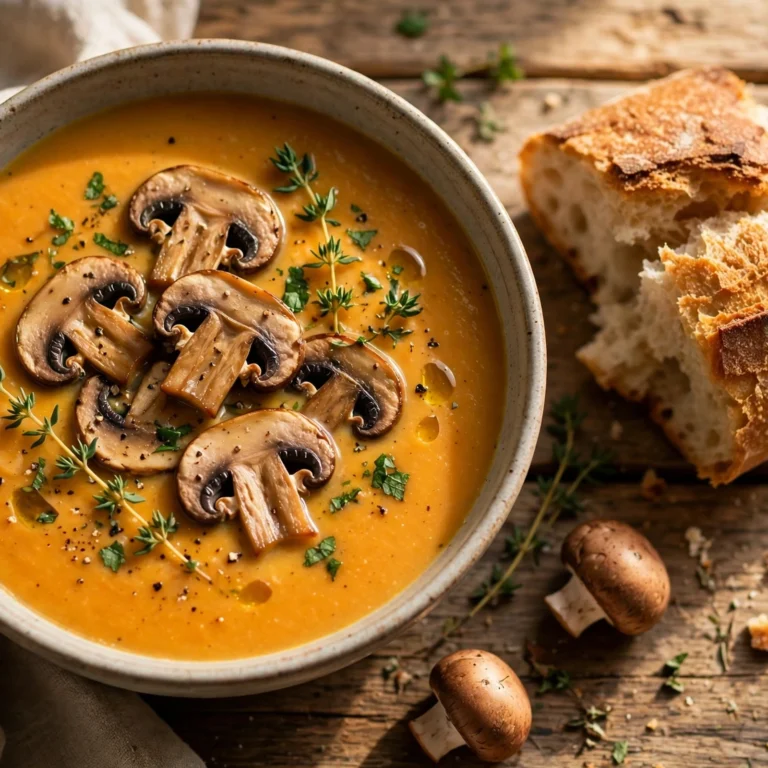
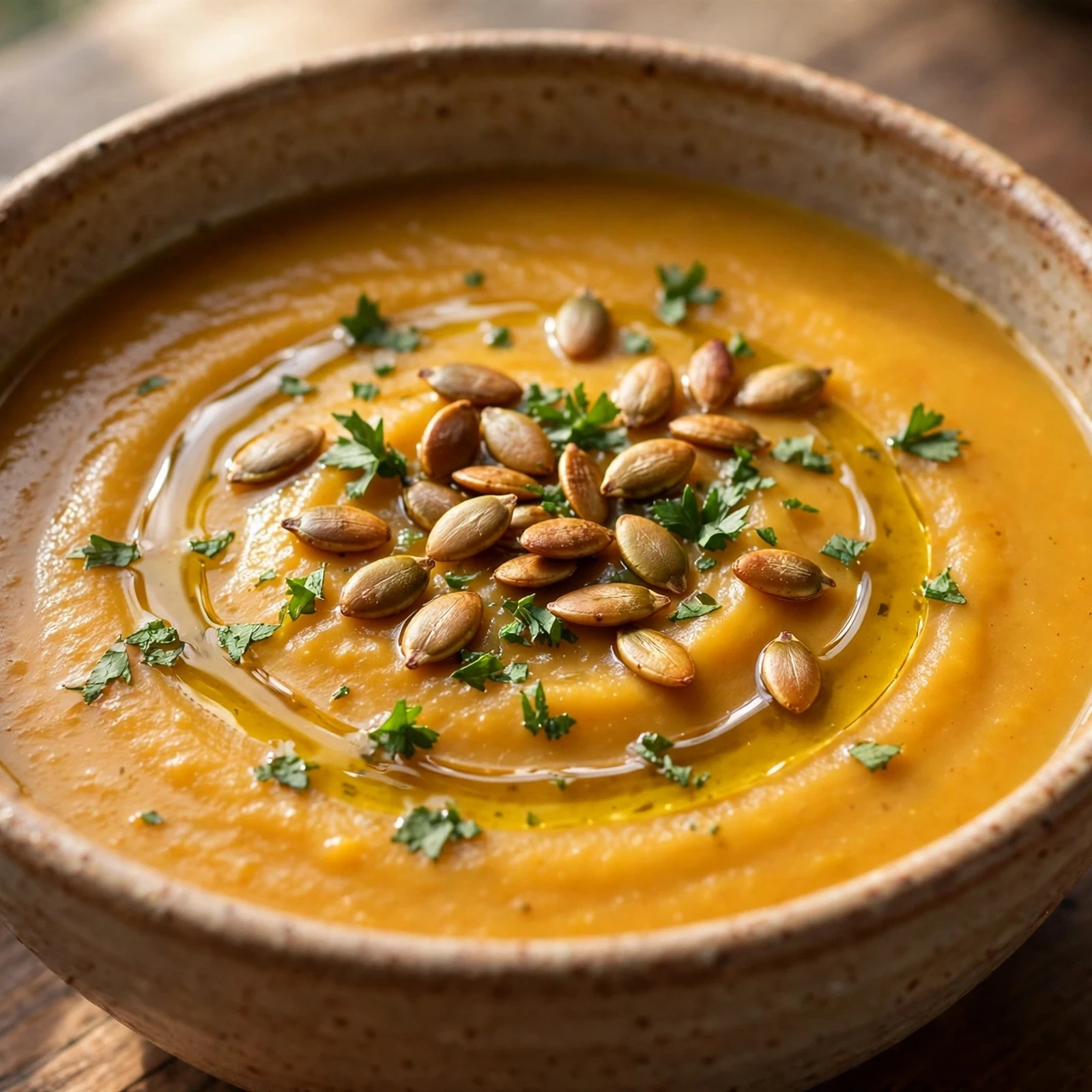
Roasting the squash first gives this soup a sweetness that simmering alone never quite reaches. Whisking white miso in at the end adds a deep, salty savoriness that makes the soup taste slow-cooked even though it is simple. Ginger and garlic keep it warm and fragrant, and a swirl of olive oil plus toasted seeds on top makes each bowl feel finished. It blends smooth, reheats beautifully, and freezes well for busy weeks.
Key Ingredients
- 1 large butternut squash, peeled and cubed
- 3 tablespoons white miso paste
- 1 onion, quartered
- 3 garlic cloves
- 1 tablespoon grated fresh ginger
- 4 cups vegetable stock
- 2 tablespoons olive oil
- Toasted pumpkin seeds and chopped parsley, to serve
Flavor Profile
Sweet and earthy from the roasted squash, salty and rounded from the miso, with a gentle warmth from ginger. The texture is velvety, and the seeds add the crunch the soup needs.
Helpful Tip
Do not boil the soup after adding the miso. Take the pot off the heat, whisk in the miso with a little warm soup first, then stir it back in. High heat can dull miso’s flavor, and this gentler step keeps it tasting fresh.
3. Sauerkraut, Apple and Chicken Sausage Skillet
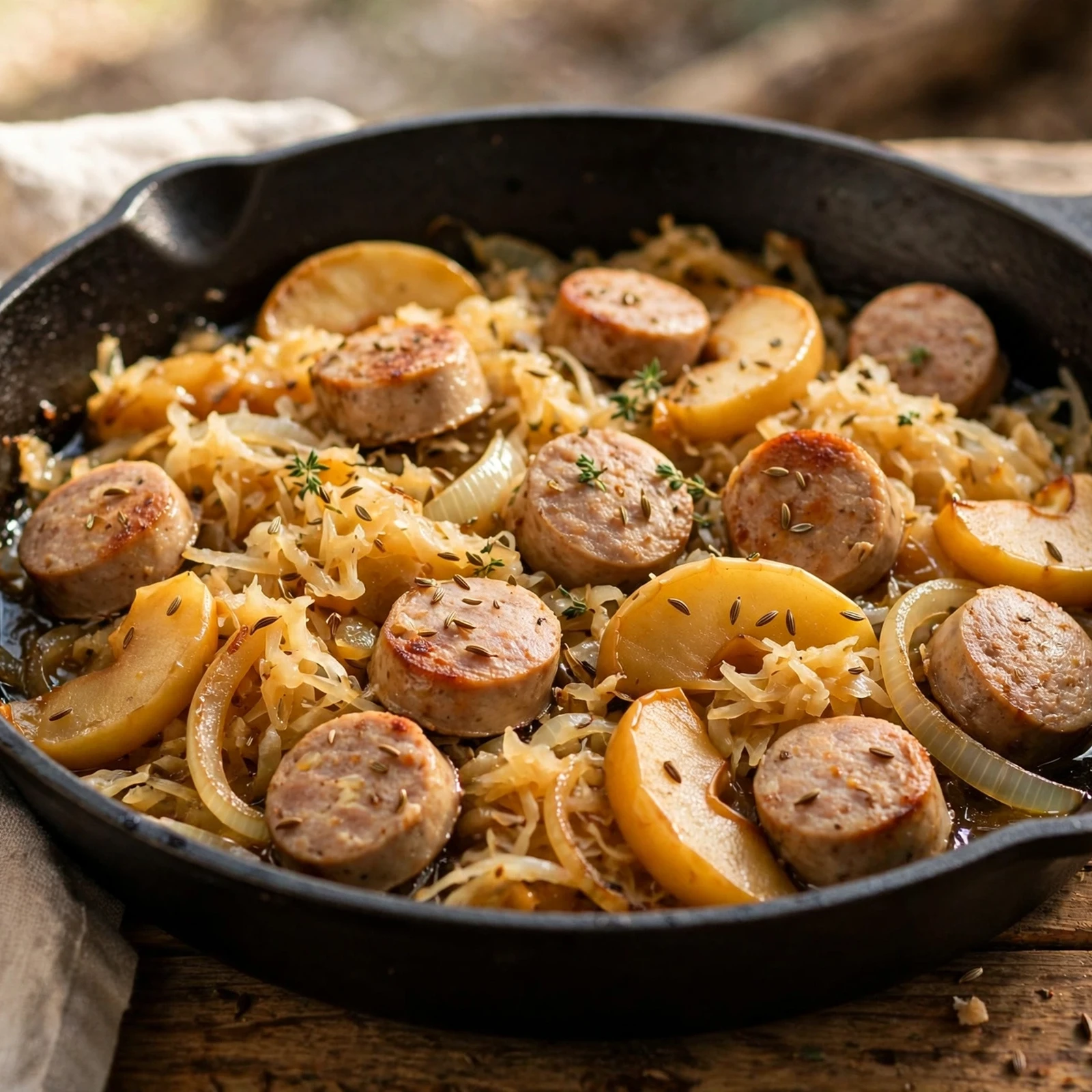
Best For
One-pan dinners, Oktoberfest-style autumn meals, and anyone who wants sauerkraut to taste like a main event rather than a side.
Difficulty Level
Easy
Prep Time Category
Quick — about 30 minutes
Why You’ll Love It
This skillet is a study in balance: smoky sausage, sweet apple, tangy sauerkraut, and earthy caraway all in one pan. The apples soften just enough to melt into the sauerkraut without turning to mush, and a splash of apple cider keeps everything juicy. It is the kind of dinner that feels like fall on a plate, it needs only one pan to wash up, and it pairs naturally with mustard, rye bread, or simple boiled potatoes if you want to stretch it further.
Key Ingredients
- 4 chicken sausages, sliced
- 2 cups sauerkraut, drained but not rinsed
- 2 apples, sliced (a firm variety such as Braeburn or Granny Smith)
- 1 onion, sliced
- 1 tablespoon wholegrain mustard
- 1 teaspoon caraway seeds
- 1/2 cup apple cider or stock
- 1 tablespoon olive oil
Flavor Profile
Tangy and savory with a clear sweet edge from the apples. Caraway adds a rye-bread warmth, mustard sharpens the finish, and the sausage brings a smoky depth that holds the whole pan together.
Helpful Tip
Do not rinse the sauerkraut. Rinsing washes away much of its tang, which is the point of the dish. Draining it lightly keeps the flavor while preventing the skillet from turning watery.
4. Kefir Pumpkin Overnight Oats
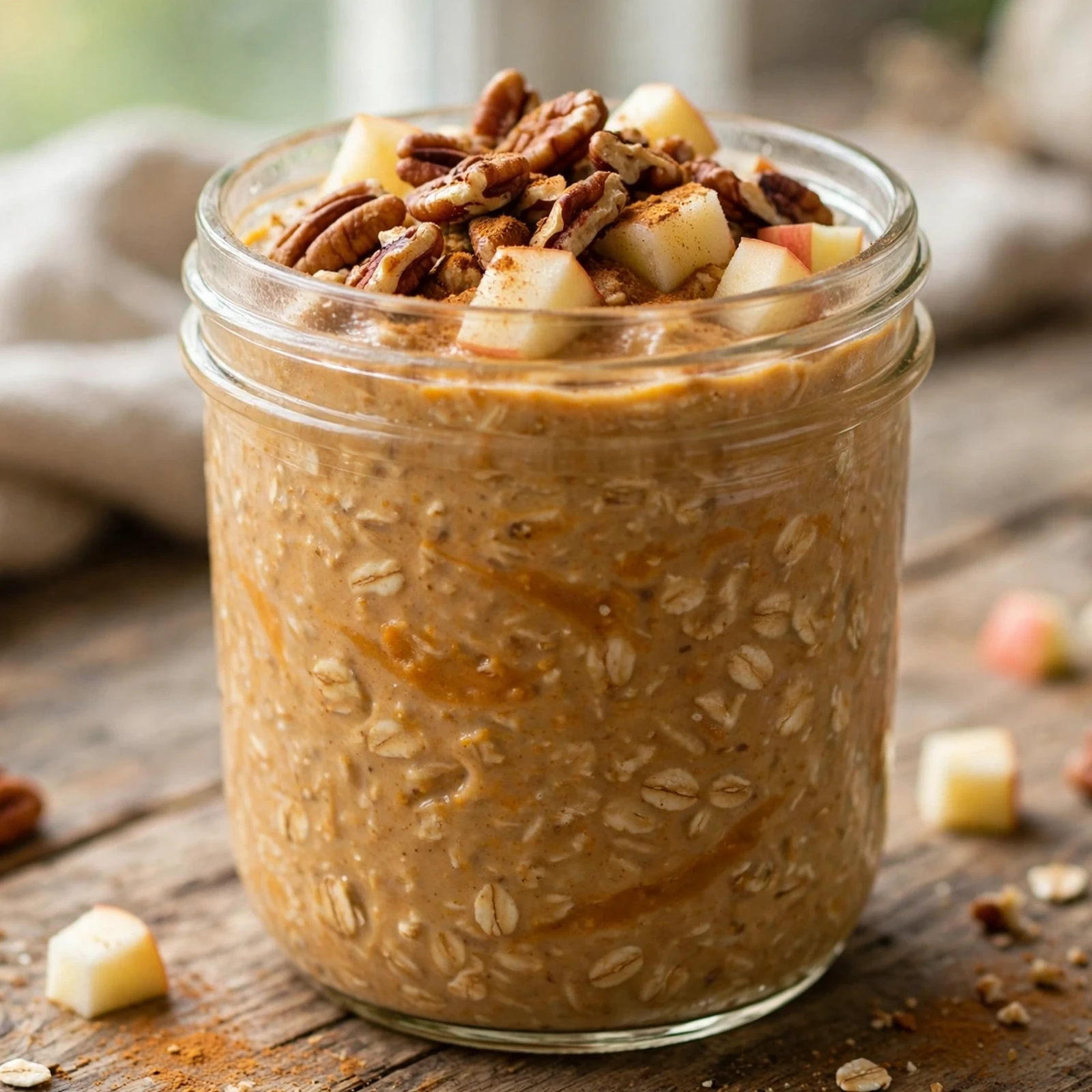
Best For
Make-ahead breakfasts, busy mornings, and pumpkin-spice lovers who want something more filling than a latte.
Difficulty Level
Easy
Prep Time Category
Quick prep, overnight chill — about 10 minutes hands-on
Why You’ll Love It
This is breakfast that does the work while you sleep. Kefir gives the oats a light tang and a creamy texture that milk alone does not quite manage, and pumpkin puree plus cinnamon, ginger, and nutmeg make it taste like fall without a lot of added sugar. Chia seeds thicken it overnight, so by morning you have a spoonable, satisfying jar ready to grab. Make two or three at once and the whole week gets easier, and toppings like toasted pecans or sliced apple keep it from feeling repetitive.
Key Ingredients
- 1 cup rolled oats
- 1 cup plain kefir
- 1/2 cup pumpkin puree
- 2 tablespoons chia seeds
- 1 teaspoon pumpkin pie spice or mixed cinnamon, ginger, and nutmeg
- 1 tablespoon maple syrup
- 1 teaspoon vanilla extract
- Toasted pecans and diced apple, to serve
Flavor Profile
Creamy and lightly tangy, with warm spice and a mellow pumpkin sweetness. The pecans add crunch, and the apple brings a fresh contrast that keeps the oats from feeling too dense.
Helpful Tip
If the oats are too thick in the morning, stir in a splash of kefir or milk until they loosen. Kefir brands vary in thickness, so think of the liquid as adjustable rather than exact.
5. Maple-Mustard Tempeh with Roasted Brussels Sprouts

Best For
Plant-based dinners, meal prep, and anyone who has tried tempeh once and found it bland.
Difficulty Level
Moderate
Prep Time Category
Moderate — about 40 minutes
Why You’ll Love It
Tempeh needs a bold marinade, and maple-mustard is the right one: sweet, sharp, and savory all at once, with enough punch to season the nutty, firm soy cake all the way through. Roasted alongside Brussels sprouts, sweet potato, and red onion, it becomes a sheet-pan dinner with caramelized edges and very little washing up. This is a satisfying plant-based plate that does not feel like a side dish pretending to be dinner, and leftovers are excellent cold or reheated in a wrap the next day.
Key Ingredients
- 1 block (about 8 ounces) tempeh, sliced
- 3 tablespoons maple syrup
- 2 tablespoons Dijon mustard
- 1 tablespoon soy sauce or tamari
- 1 pound Brussels sprouts, halved
- 1 sweet potato, cubed
- 1 red onion, wedged
- 2 tablespoons olive oil
Flavor Profile
Sweet and mustardy with a nutty, slightly earthy base from the tempeh. The sprouts turn crisp and caramelized at the edges, and the sweet potato adds a soft, honeyed contrast.
Helpful Tip
Steam the tempeh slices for 10 minutes before marinating if you have time. It softens any bitterness and helps the marinade soak in, which makes a noticeable difference in the final flavor.
6. Yogurt-Marinated Chicken with Roasted Carrots and Parsnips
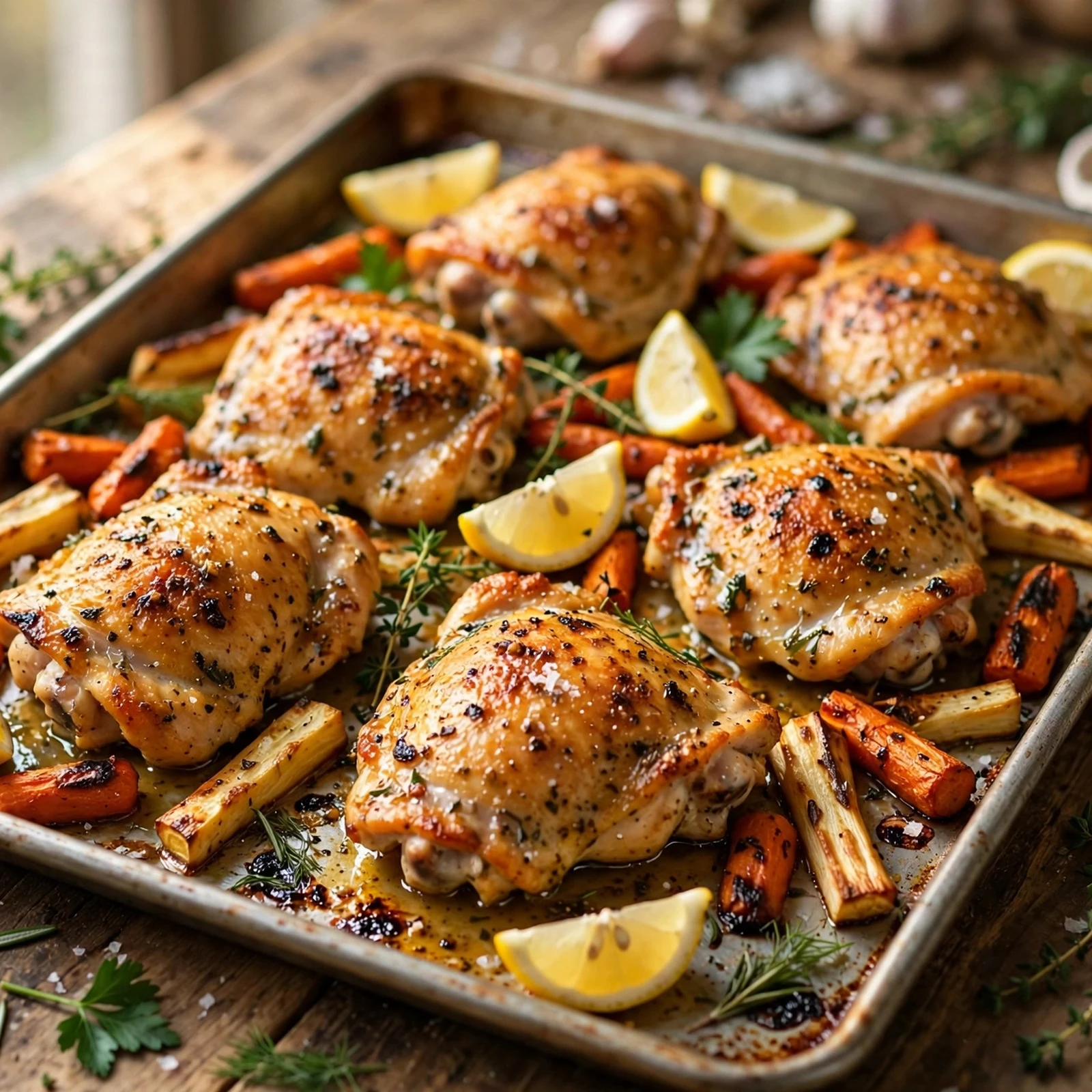
Best For
Family dinners, sheet-pan cooking, and a roast-chicken alternative that stays juicy.
Difficulty Level
Easy
Prep Time Category
Moderate — about 45 minutes plus 30 minutes marinating
Why You’ll Love It
Yogurt is one of the most forgiving marinades there is. It tenderizes chicken gently, holds spices against the meat, and helps the skin or surface brown beautifully in a hot oven. Here, cumin, coriander, lemon, and garlic give the chicken a warm, fragrant flavor that suits roasted carrots and parsnips perfectly. Everything goes on one tray, the vegetables soak up the seasoned juices, and the result is a dinner that feels both homely and a little special. It is also easy to scale up for guests.
Key Ingredients
- 4 bone-in chicken thighs
- 1 cup plain Greek yogurt
- 1 lemon, zested and juiced
- 3 garlic cloves, grated
- 1 teaspoon ground cumin
- 1 teaspoon ground coriander
- 4 carrots and 3 parsnips, cut into batons
- 2 tablespoons olive oil
Flavor Profile
Warm-spiced and lemony, with savory depth from the garlic and a gentle tang from the yogurt. The root vegetables roast sweet and soft, with crisped edges where they catch the oven heat.
Helpful Tip
Scrape off most of the excess marinade before roasting. A thin coating browns well; a thick layer steams and stays pale. Keep the tray uncrowded so the vegetables roast rather than stew.
7. Pickled Beet and Lentil Salad with Feta
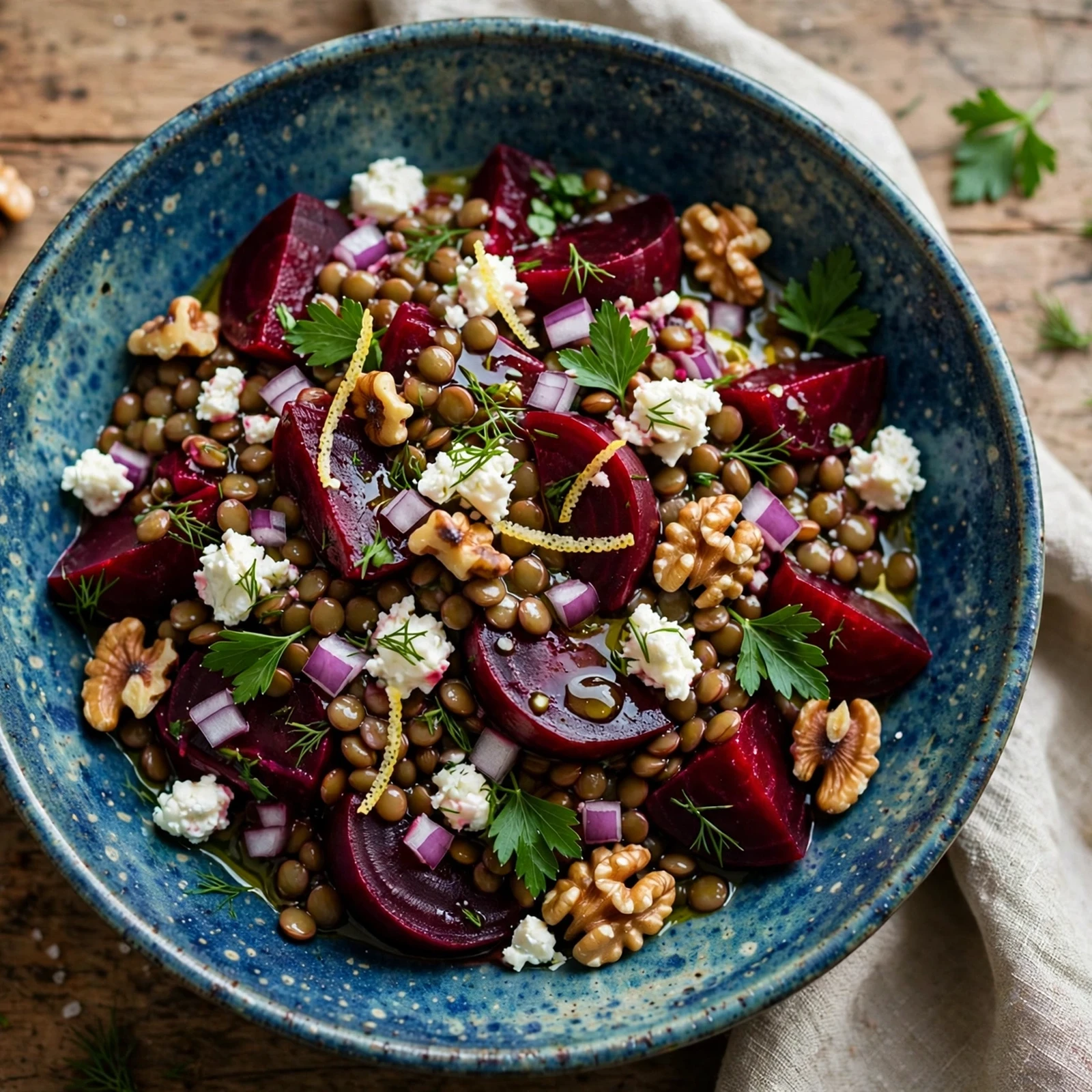
Best For
Meal-prep lunches, packed lunches, and earthy salads that actually improve after a day in the fridge.
Difficulty Level
Easy
Prep Time Category
Moderate — about 35 minutes if cooking lentils from scratch
Why You’ll Love It
Pickled beets do two jobs here: they add a jewel-like color and a sweet-briny bite that lifts plain lentils into something you want to eat again. With crumbled feta, toasted walnuts, fresh herbs, and a simple lemon-olive oil dressing, this salad has crunch, creaminess, and brightness in every forkful. It holds up for days, travels well, and works warm or cold, which makes it a strong lunchbox candidate. If you buy pre-cooked lentils and jarred pickled beets, it comes together in about 15 minutes.
Key Ingredients
- 2 cups cooked green or brown lentils
- 1 1/2 cups diced pickled beets
- 1/2 cup crumbled feta
- 1/2 cup toasted walnuts, roughly chopped
- 1 small red onion, finely diced
- 1/2 cup chopped fresh parsley and dill
- 3 tablespoons olive oil
- Juice of 1 lemon and 1 teaspoon Dijon mustard
Flavor Profile
Earthy from the lentils and beets, briny and slightly sweet from the pickling liquid, salty from the feta, and fresh from the herbs and lemon. The walnuts add a bitter, buttery crunch that ties it together.
Helpful Tip
Add the feta and walnuts just before serving if you are meal-prepping. The lentils and beets can marinate for days, but the cheese stays creamier and the nuts stay crisp when they go in last.
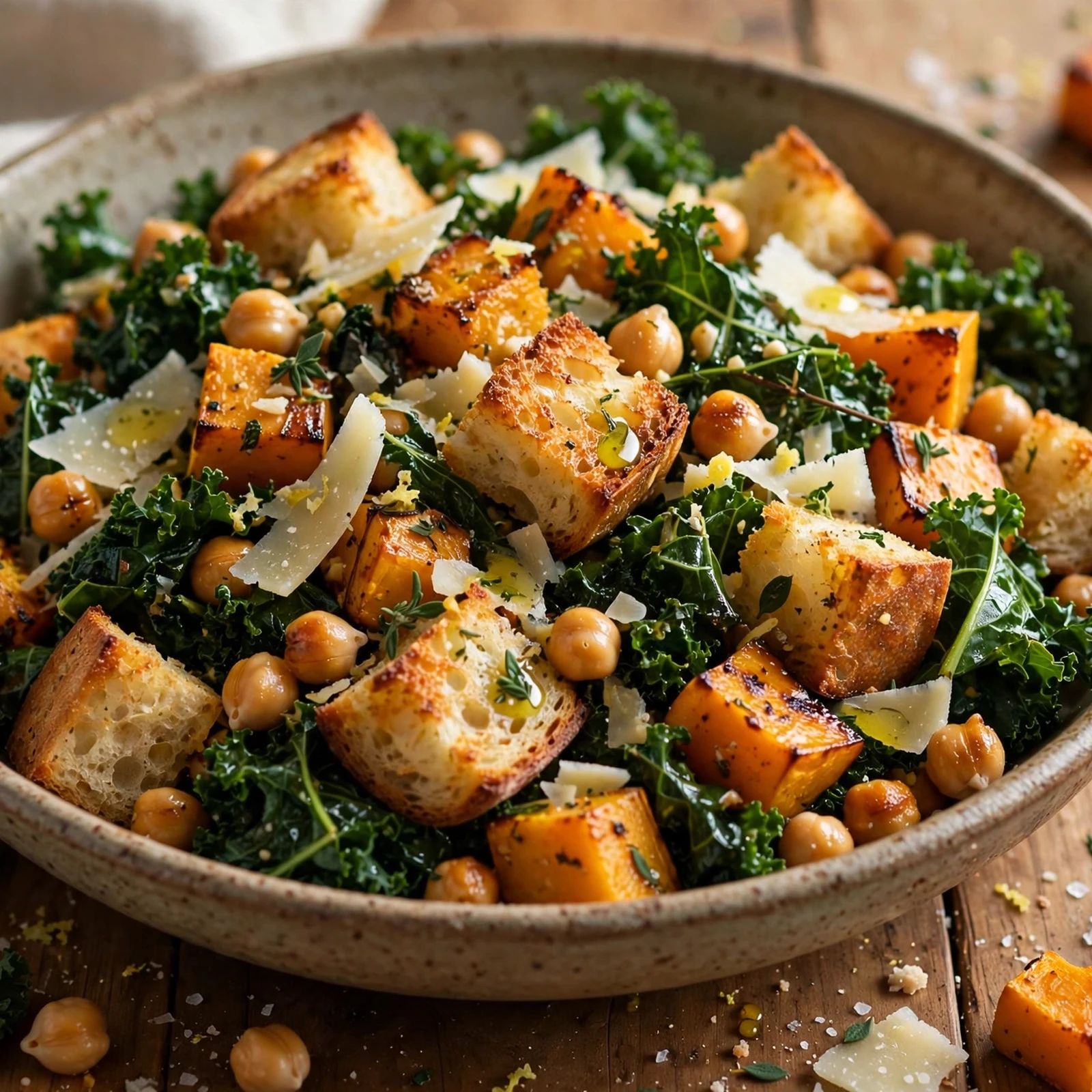
8. Sourdough and Roasted Squash Panzanella with Kale
Best For
Using up day-old sourdough, autumn salads that feel like a main course, and relaxed weekend lunches.
Difficulty Level
Moderate
Prep Time Category
Moderate — about 45 minutes
Why You’ll Love It
Panzanella is usually a summer tomato salad, but this fall version swaps in roasted squash, massaged kale, and chickpeas, and it is all the better for it. Cubes of sourdough toast until golden, then soak up a garlicky lemon dressing without turning soggy if you toss them at the last minute. The warm squash softens the kale, the chickpeas add staying power, and shaved Parmesan or a dairy-free alternative gives a salty finish. It is a clever way to rescue stale bread and turn it into the best part of the salad.
Key Ingredients
- 4 cups cubed day-old sourdough
- 3 cups cubed butternut or delicata squash
- 3 cups chopped kale, stems removed
- 1 can (400g) chickpeas, drained
- 3 garlic cloves, thinly sliced
- 3 tablespoons olive oil, plus more for toasting
- Juice of 1 lemon
- Shaved Parmesan, to serve
Flavor Profile
Toasty and garlicky, with sweet roasted squash, slightly bitter kale, and a bright lemon finish. The bread cubes are crisp outside and just soft enough inside where the dressing reaches them.
Helpful Tip
Massage the kale with a pinch of salt and a teaspoon of olive oil for a minute before assembling. It softens the leaves dramatically and makes the raw kale far more pleasant to eat.
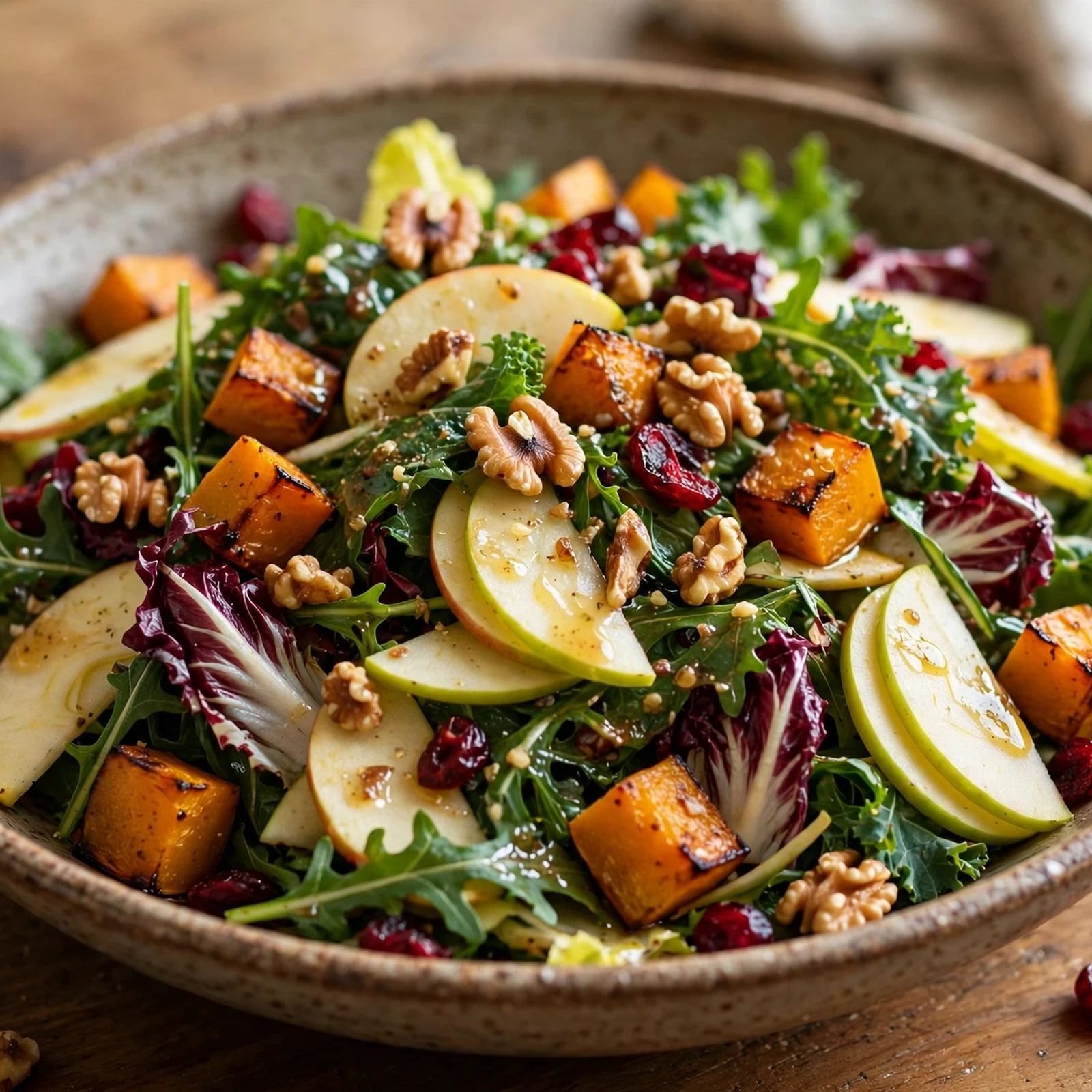
9. Harvest Salad with Kombucha Apple Cider Vinaigrette
Best For
Holiday tables, potlucks, and a fresh counterpoint to heavier fall main dishes.
Difficulty Level
Easy
Prep Time Category
Quick — about 20 minutes
Why You’ll Love It
This salad looks like fall and tastes like it too: bitter greens, crisp apple, roasted squash or sweet potato, toasted nuts, and dried cranberries, all tied together by a vinaigrette made with kombucha and apple cider vinegar. The kombucha adds a light fizz and gentle tang that regular vinegar alone does not give, and it helps the dressing taste lively rather than sharp. It scales easily for a crowd, it can be assembled ahead and dressed at the table, and it gives a holiday spread something fresh and crunchy next to richer dishes.
Key Ingredients
- 6 cups mixed bitter greens (rocket, spinach, and radicchio)
- 2 cups roasted squash or sweet potato cubes
- 1 crisp apple, thinly sliced
- 1/2 cup toasted walnuts or pecans
- 1/3 cup dried cranberries
- 1/2 cup kombucha (plain or ginger flavor)
- 2 tablespoons apple cider vinegar
- 1/4 cup olive oil and 1 teaspoon Dijon mustard
Flavor Profile
Crisp and tart with a lightly sweet, fruity finish. The greens bring a pleasant bitterness, the apple and cranberries add sweetness, and the nuts give a toasted, buttery crunch.
Helpful Tip
Whisk the dressing just before serving and taste it with a leaf, not a spoon. Greens and fruit change how sharp a dressing feels, so that quick taste test is more reliable than judging it on its own.
10. Baked Salmon with Lacto-Fermented Carrot and Ginger Slaw

Best For
Light weeknight dinners, omega-rich meals, and anyone who wants a bright, crunchy topping for simply cooked fish.
Difficulty Level
Easy
Prep Time Category
Quick — about 25 minutes with store-bought fermented carrots
Why You’ll Love It
Simply baked salmon needs a topping with personality, and fermented carrot and ginger slaw is exactly that. The carrots stay crunchy, the ginger adds warmth, and the brine brings a clean tang that cuts through the richness of the fish without overpowering it. Served over rice or with roasted potatoes and a handful of herbs, it is a dinner that feels fresh even on a cold evening. If you buy jarred lacto-fermented carrots, this is a genuinely fast meal; if you ferment your own, make a big batch and use it across salads, grain bowls, and sandwiches all week.
Key Ingredients
- 4 salmon fillets
- 1 1/2 cups lacto-fermented carrots, drained and julienned if needed
- 1 tablespoon grated fresh ginger
- 1 cup shredded red or green cabbage
- 2 spring onions, sliced
- 1 tablespoon rice vinegar
- 1 tablespoon olive oil
- Fresh coriander or parsley and lime wedges, to serve
Flavor Profile
Bright, gingery, and fresh, with a salty-tangy edge from the fermented carrots and a rich, buttery base from the salmon. The cabbage adds crunch, and lime at the table sharpens everything up.
Helpful Tip
Do not overcook the salmon. Pull it from the oven when it still looks slightly translucent in the center — it will finish cooking as it rests for a few minutes, and the slaw on top keeps it moist.
Which Fermented Recipe Should You Try First?
If you are new to cooking with fermented foods, start with the kimchi fried rice or the kefir pumpkin overnight oats. Both use one fermented ingredient, both are forgiving, and both show you quickly how much flavor that ingredient adds. The fried rice is best if you want dinner tonight; the overnight oats are best if mornings are your hardest meal.
If you already keep miso or sauerkraut at home, start there instead. The miso squash soup is a gentle introduction to miso beyond noodle soup, and the sauerkraut skillet shows how sauerkraut can anchor a whole pan rather than sit on the side. From there, tempeh and sourdough panzanella are good next steps — they take a little more time, but they reward you with leftovers.
Best Ingredients to Pair with Fermented Foods
Roasted fall vegetables are the most reliable partners for fermented foods. Squash, sweet potato, carrots, parsnips, Brussels sprouts, and cabbage all bring sweetness and earthiness that tangy ingredients balance beautifully. Whole grains such as brown rice, farro, and oats add body, while lentils and chickpeas add fiber and staying power without competing for attention.
For flavor, lean on fresh herbs, citrus, garlic, ginger, and mustard. Parsley, dill, coriander, and spring onions brighten rich dishes; lemon juice and zest lift creamy ones; ginger warms soups and slaws. Nuts and seeds — walnuts, pecans, pumpkin seeds, and sesame — add crunch and healthy fats, which help a salad or bowl feel complete.
Proteins can stay simple. Eggs, chicken, salmon, tempeh, tofu, and feta all work with fermented flavors because they are savory without being overpowering. Keep sauces light: a drizzle of olive oil, a spoonful of yogurt, or a simple vinaigrette usually does more than a heavy cream sauce, and it lets the fermented ingredient stay in the spotlight.
Meal Prep and Storage Tips
Most of these dishes are better when you plan for leftovers. The miso soup, lentil salad, tempeh, and yogurt chicken all keep well for three to four days in airtight containers in the fridge, and their flavors often deepen overnight. Store dressings and crunchy toppings separately — walnuts, seeds, feta, and toasted bread lose their texture fastest when stored mixed in.
For grain bowls and salads, pack components in separate containers and assemble at mealtime. Cooked rice and lentils freeze well for up to three months, so a double batch now can save a busy evening later. Label containers with the date, and reheat soups and skillets gently on the stove rather than blasting them in the microwave, which can dry out proteins and dull fresh herbs.
Common Mistakes
The most common mistake is using too much of a fermented ingredient at once. A whole jar of kimchi in a small pan, or half a cup of miso in a modest pot of soup, can overwhelm everything else. Start with the amount in the recipe, taste, and add more if you want extra tang. You can always add more; you cannot easily take it back.
Another frequent slip is cooking fermented foods too hard or too long. Boiling miso, simmering sauerkraut until it loses all bite, or baking yogurt marinades at extreme heat can flatten flavor and texture. Add miso off the heat, warm sauerkraut gently, and let yogurt do its work as a marinade before cooking rather than as a sauce cooked for a long time.
People Also Ask
What fermented foods are easiest to find in fall? Kimchi, sauerkraut, miso, plain yogurt, kefir, tempeh, and sourdough are widely available in supermarkets, and pickled beets and fermented carrots are increasingly easy to find in the refrigerated section.
Can I make these recipes without a fermented ingredient? Yes, but the flavor will change. A squeeze of lemon or a splash of vinegar can add brightness, though it will not give the same depth as kimchi, miso, or sauerkraut. If you swap, taste as you go and adjust seasoning.
Are fermented foods suitable for a vegetarian diet? Many are — tempeh, miso, sourdough, kimchi made without fish sauce, yogurt, and kefir can all fit vegetarian cooking, but always check labels, since some kimchi and miso varieties contain fish or bonito.
How much fermented food should I use in a recipe? Think of it as a seasoning rather than the main bulk: a few tablespoons to a cup, depending on the dish, is usually enough to change the flavor while keeping the meal balanced.
Frequently Asked Questions
Q: How should I store leftover fermented recipes?
Cool leftovers quickly and store them in airtight containers in the fridge for three to four days. Keep dressings, toasted bread, nuts, and fresh herbs separate until serving so they stay crisp and fresh.
Q: Can I freeze these fermented recipes?
Soups, cooked lentils, tempeh, and roasted vegetables freeze well for up to three months. Salads with fresh greens, yogurt marinades that are already cooked, and dishes topped with fermented slaw are better eaten fresh, since freezing changes their texture.
Q: What swaps work if I cannot find a specific fermented food?
Swap like for like in flavor: sauerkraut can stand in for kimchi in a skillet if you add a pinch of chili, plain yogurt can replace kefir in overnight oats, and white miso can replace a darker miso with a slightly milder result. Adjust salt and acidity to taste after swapping.
Q: How can I meal prep these recipes for the week?
Cook grains and lentils in bulk, roast a large tray of vegetables, and keep one or two fermented jars ready in the fridge. Then mix and match components across the week — for example, tempeh and roasted sprouts one night, the same vegetables in a sourdough panzanella the next.
Q: Which recipe is the best first try?
Start with the kimchi fried rice if you want a fast dinner, or the kefir pumpkin overnight oats if you want an easy breakfast. Both are simple, forgiving, and give you a clear sense of how fermented foods can fit into everyday fall cooking.
More Healthy Fall Recipe Inspiration
If this collection has you in the mood for more seasonal cooking, look for other fall recipes built around squash, root vegetables, lentils, and warming spices. A hearty soup night, a roasted vegetable grain bowl, or a simple harvest salad can all be rotated through the week without repeating the same meal. Keep one fermented staple in the fridge, and each of those dishes gets a little more interesting with almost no extra work.
Here are a few related Fuel Nourish collections to explore next:
- 25 Easy Anti Inflammatory Meals That Support Gut Health
- 12 Gut-Healing Anti-Inflammatory Fall Meals for Immunity
- 25 Cozy Fall Anti-Inflammatory Recipes to Warm Your Soul
Conclusion
Fall is the right season to cook with fermented foods: the produce is hearty, the meals are warming, and a little tang goes a long way. From quick kimchi fried rice to slow-roasted miso squash soup, from make-ahead kefir oats to a bright salmon slaw, these ten recipes show how one jar or tub can turn ordinary seasonal ingredients into dinners worth repeating. They can fit into an anti-inflammatory eating pattern, and overall dietary pattern matters more than any single recipe, so enjoy them as part of varied, colorful, vegetable-rich meals.
Pick one recipe to try this week, keep the rest for the weeks ahead, and let your fridge do some of the work. A well-stocked jar of kimchi, a tub of miso, or a bag of sauerkraut is a small investment that pays off across many autumn meals — and that, more than any single dish, is what makes fermented cooking so useful in fall.