Healing Winter Bowls Packed with Anti-Inflammatory Ingredients
Winter bowls are the easiest way to eat well when it is cold outside. You roast something, cook a grain, add greens and a protein, and finish with a dressing, and dinner is done. This collection gives you twelve bowls that fit an anti-inflammatory eating pattern, each built around different vegetables, grains, and flavors so the week never repeats itself.
Use these bowls as templates. Swap the grain, change the protein, or use whatever vegetables are in your fridge, and the structure still works. Remember that overall dietary pattern matters more than any single recipe, and a week of varied bowls counts for more than one perfect bowl.
What Makes Healing Winter Bowls Packed with Anti-Inflammatory Ingredients Anti-Inflammatory?
These bowls are built the same way an anti-inflammatory eating pattern is built: vegetables first, then a whole grain, then a protein, then a healthy fat from olive oil, nuts, or seeds, and herbs or citrus for flavor. That structure keeps each bowl colorful, filling, and varied, without needing a long list of special ingredients.
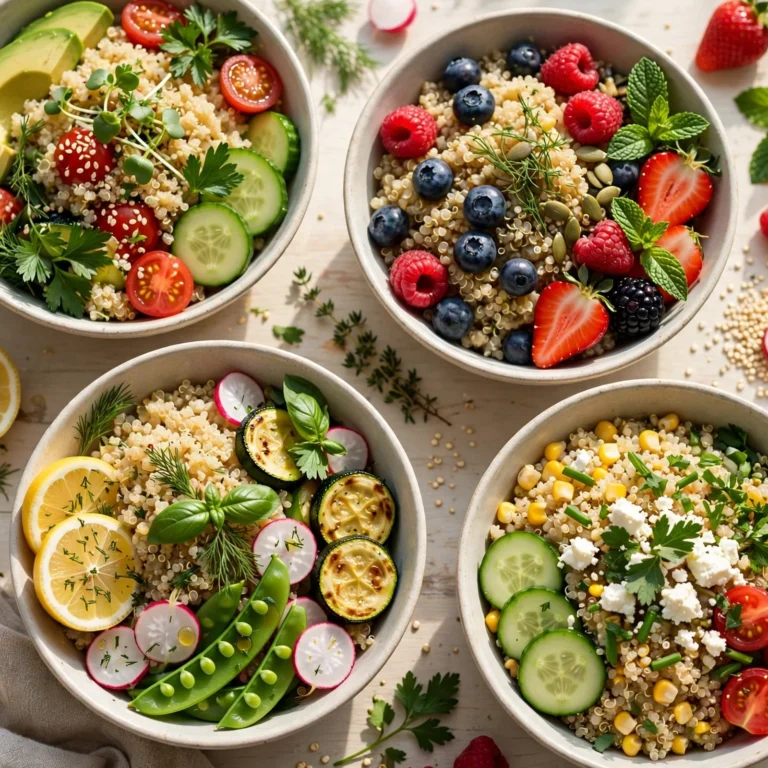
Winter vegetables do a lot of the work here. Roots, squash, cabbage, and hardy greens roast and simmer beautifully, while citrus, ginger, and herbs keep rich bowls bright. When a bowl tastes good and reheats well, you actually eat it, which is the practical test of any eating pattern.
For background reading, see the National Institutes of Health’s vitamin C fact sheet and Harvard Nutrition Source’s guide to whole grains.
Quick Recipe Comparison Table: Healing Winter Bowls Packed with Anti-Inflammatory Ingredients
| Recipe | Main Flavor | Protein Source (if any) | Best For |
|---|---|---|---|
| 1. Turmeric Cauliflower and Chickpea Bowl | Warm and lemony | Chickpeas | A cozy weeknight bowl |
| 2. Ginger Salmon and Broccoli Rice Bowl | Savory and gingery | Salmon | A fast fish dinner |
| 3. Sweet Potato, Black Bean, and Lime Bowl | Sweet and smoky | Black beans | A budget-friendly meatless bowl |
| 4. Mushroom, Barley, and Kale Bowl | Deep and savory | None – mushrooms and barley | A hearty meatless main |
| 5. Citrus Beet and Quinoa Bowl | Earthy-sweet and citrusy | None – quinoa and seeds | A colorful lunch bowl |
| 6. Lentil, Carrot, and Herb Bowl | Earthy and lemony | Lentils | A simple pantry bowl |
| 7. Chicken, Roasted Root, and Greens Bowl | Savory and herby | Chicken | A filling family bowl |
| 8. Butternut Squash and Chickpea Bowl | Sweet and nutty | Chickpeas | A sweet and savory winter bowl |
| 9. Salmon, Edamame, and Ginger Rice Bowl | Fresh and gingery | Salmon and edamame | A fresh take on a fish bowl |
| 10. Cabbage, Apple, and Walnut Grain Bowl | Crisp and sweet-tart | Walnuts and barley | A crunchy winter slaw bowl |
| 11. White Bean, Tomato, and Greens Bowl | Savory and garlicky | White beans | A Mediterranean-style pantry bowl |
| 12. Spiced Carrot, Lentil, and Yogurt Bowl | Warmly spiced and tangy | Lentils | A warmly spiced winter bowl |
Why Healing Winter Bowls Packed with Anti-Inflammatory Ingredients Are Perfect for Winter
Quick Answer: Winter bowls suit roasting, simmering, and batch cooking, use seasonal roots, greens, and squash, and reheat well for lunches, which makes balanced eating easy on cold, busy days.
In winter you want food that warms you and keeps. Bowls do both: roasted vegetables and grains hold up in the fridge, soups and stews improve overnight, and a single batch can cover dinner and two lunches.
Bowls also let you use winter produce at its best. Squash, beets, cabbage, and roots are affordable and store well, and citrus and ginger brighten them so the food never tastes dull.
What Makes an Anti-Inflammatory Bowl?
Quick Answer: An anti-inflammatory bowl combines vegetables, a whole grain, a protein, and a healthy fat, with herbs, spices, or citrus for flavor, as part of a varied overall diet.
No single bowl carries the pattern. What matters is the mix across the week: different colors of vegetables, different grains, beans, fish, nuts, and seeds, and fewer heavily processed additions.
Build your bowl in layers: grain at the base, vegetables next, protein on top, then a dressing and a crunchy topping. That order keeps flavors distinct and the bowl satisfying.
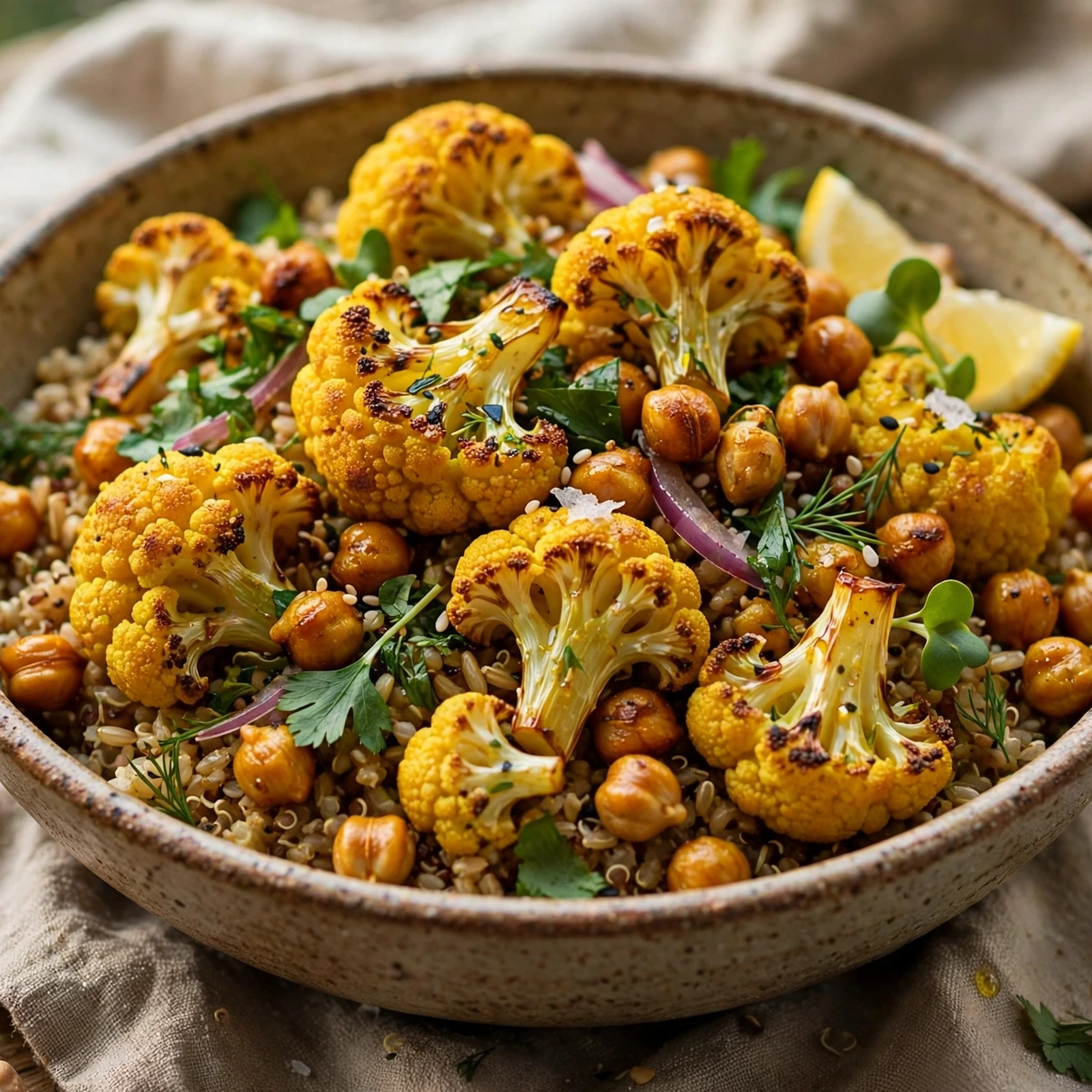
1. Turmeric Cauliflower and Chickpea Bowl
Best For
A cozy weeknight bowl
Difficulty Level
Easy
Prep Time Category
Quick
Why You’ll Love It
Roasted cauliflower and chickpeas meet turmeric rice, greens, and a lemon-tahini drizzle. It is warm, filling, and comes together on one sheet pan, with tahini adding creaminess without cream. Leftovers reheat well for lunch the next day.
Key Ingredients
- Cauliflower
- Chickpeas
- Turmeric rice
- Baby spinach
- Tahini
- Lemon
- Garlic
- Olive oil
Flavor Profile
Warm, earthy, and lemony, with roasted cauliflower sweetness and a tangy tahini finish.
Helpful Tip
Roast cauliflower until deeply golden; pale cauliflower tastes flat in a bowl like this.
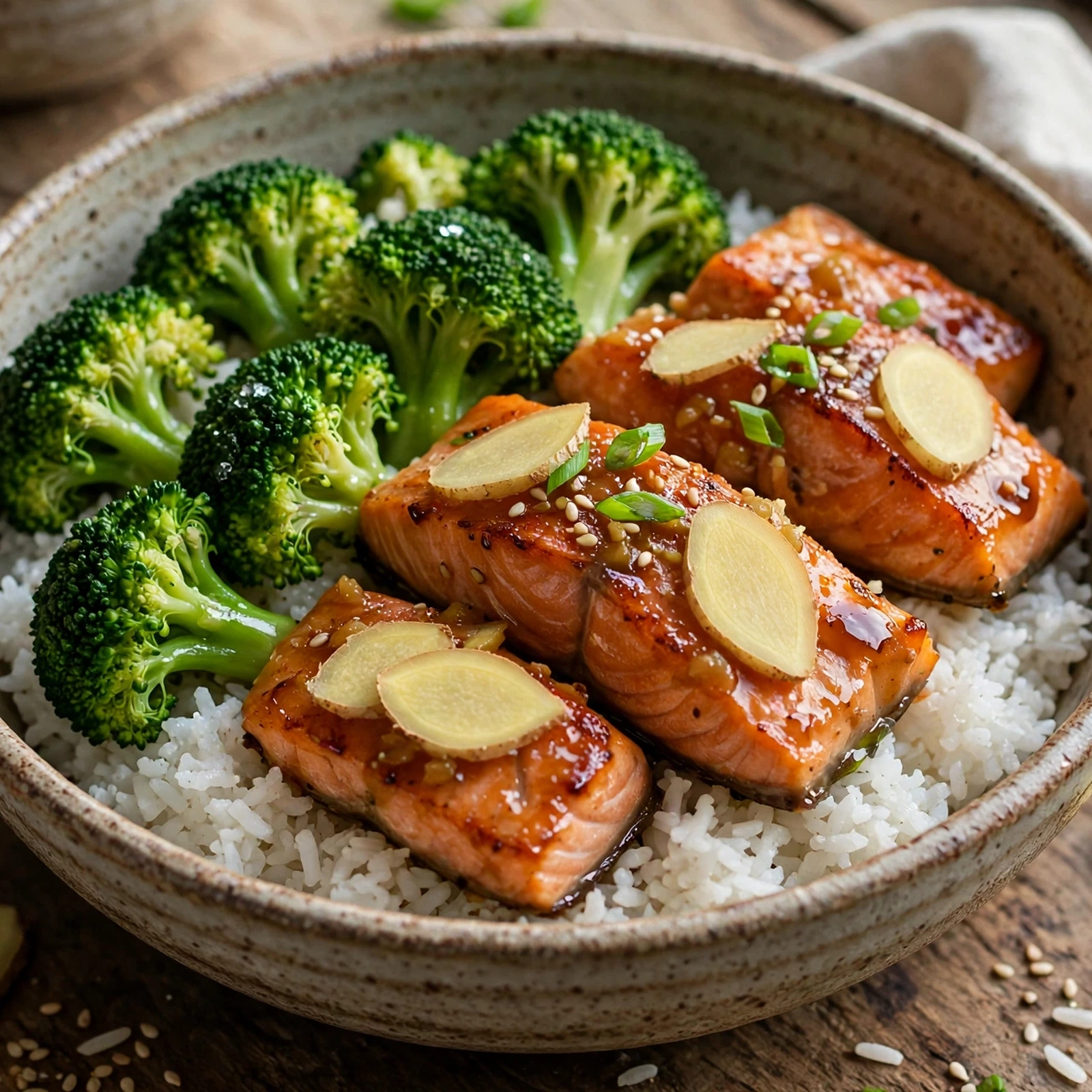
2. Ginger Salmon and Broccoli Rice Bowl
Best For
A fast fish dinner
Difficulty Level
Easy to moderate
Prep Time Category
Moderate
Why You’ll Love It
Flaked salmon sits over broccoli rice with ginger, sesame, and a light citrus dressing. Ginger gives the bowl warmth, broccoli rice keeps it light, and the whole meal cooks in about twenty minutes. It is a good choice when you want fish without a heavy side.
Key Ingredients
- Salmon fillets
- Broccoli rice
- Fresh ginger
- Sesame seeds
- Spring onions
- Lemon
- Olive oil
- Soy-style sauce
Flavor Profile
Savory and gingery, with bright lemon and toasted sesame notes.
Helpful Tip
Cook salmon skin-side down first for crisp skin, then flake it gently so it stays in generous pieces.
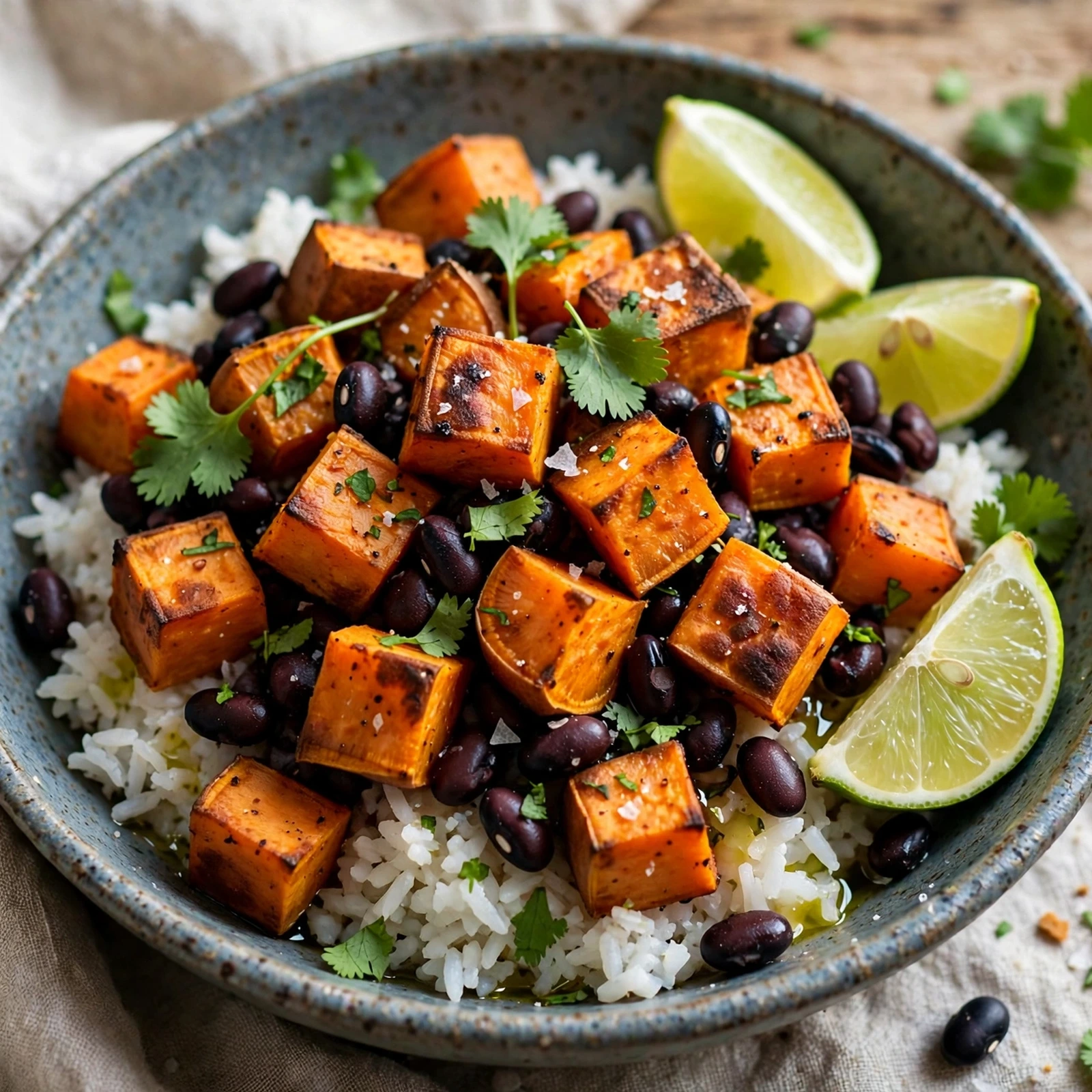
3. Sweet Potato, Black Bean, and Lime Bowl
Best For
A budget-friendly meatless bowl
Difficulty Level
Easy
Prep Time Category
Moderate
Why You’ll Love It
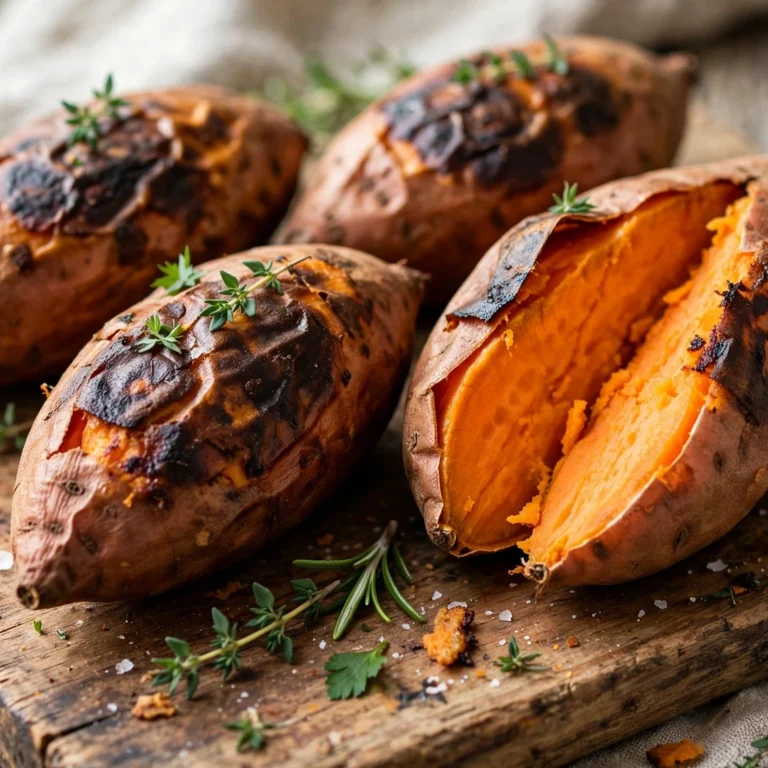
Roasted sweet potato and spiced black beans meet corn, greens, and a lime and cilantro dressing. The sweet and savory pairing is classic, and the beans make the bowl filling without meat. A spoonful of yogurt-style topping cools the spice nicely.
Key Ingredients
- Sweet potatoes
- Black beans
- Corn
- Baby spinach
- Lime
- Cilantro
- Cumin
- Olive oil
Flavor Profile
Sweet, smoky, and citrusy, with warm cumin and fresh lime.
Helpful Tip
Roast sweet potato in even cubes and do not crowd the pan, or it will steam instead of caramelizing.
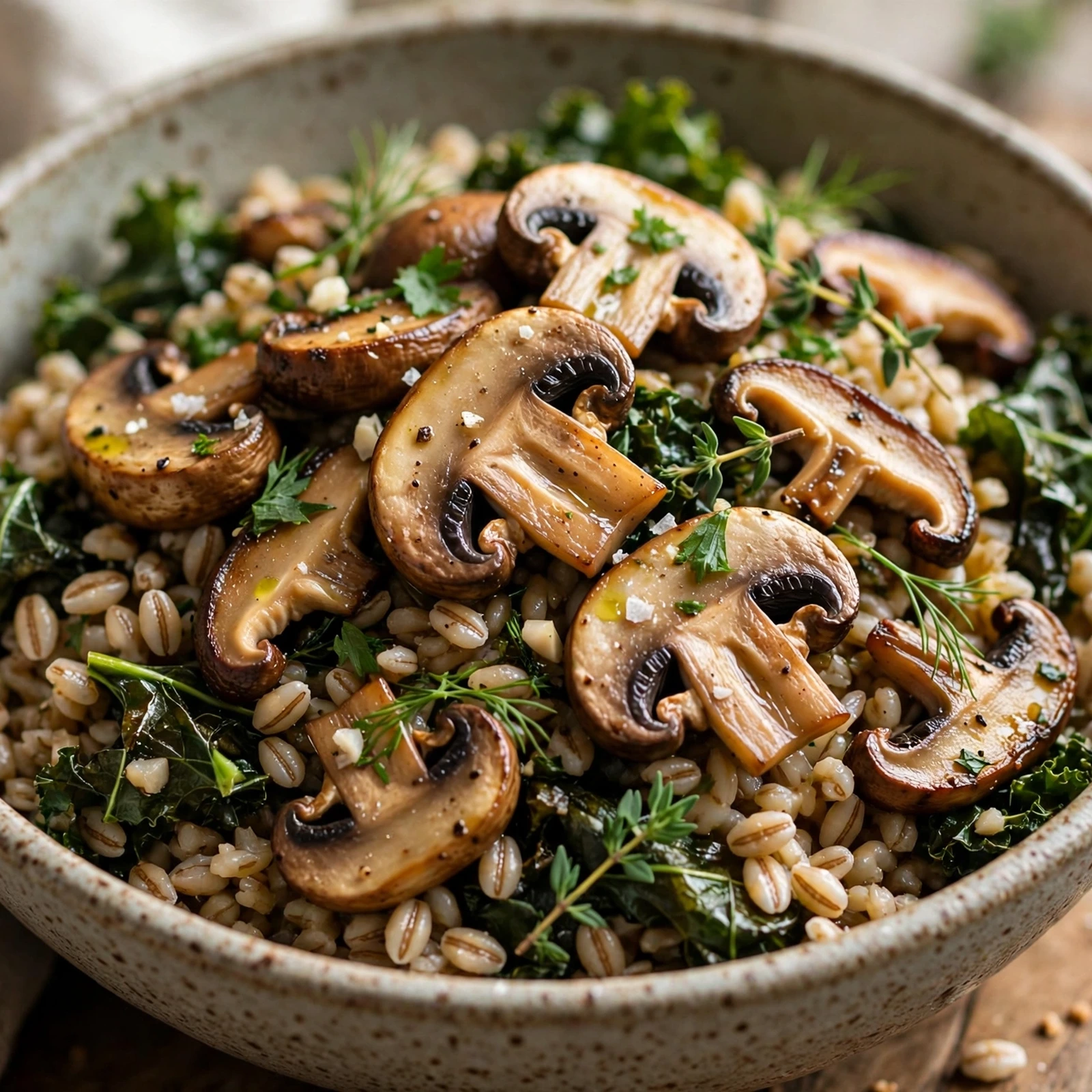
4. Mushroom, Barley, and Kale Bowl
Best For
A hearty meatless main
Difficulty Level
Easy to moderate
Prep Time Category
Quick
Why You’ll Love It
Seared mushrooms and chewy barley are tossed with wilted kale, thyme, and a walnut topping. Mushrooms give the bowl deep savory flavor, barley makes it satisfying, and walnuts add crunch. It tastes like a slow-cooked meal with weeknight effort.
Key Ingredients
- Mushrooms
- Pearl barley
- Kale
- Walnuts
- Thyme
- Garlic
- Lemon
- Olive oil
Flavor Profile
Deep, savory, and nutty, with earthy mushrooms and fresh thyme.
Helpful Tip
Sear mushrooms in a hot, uncrowded pan and salt them only after they brown.
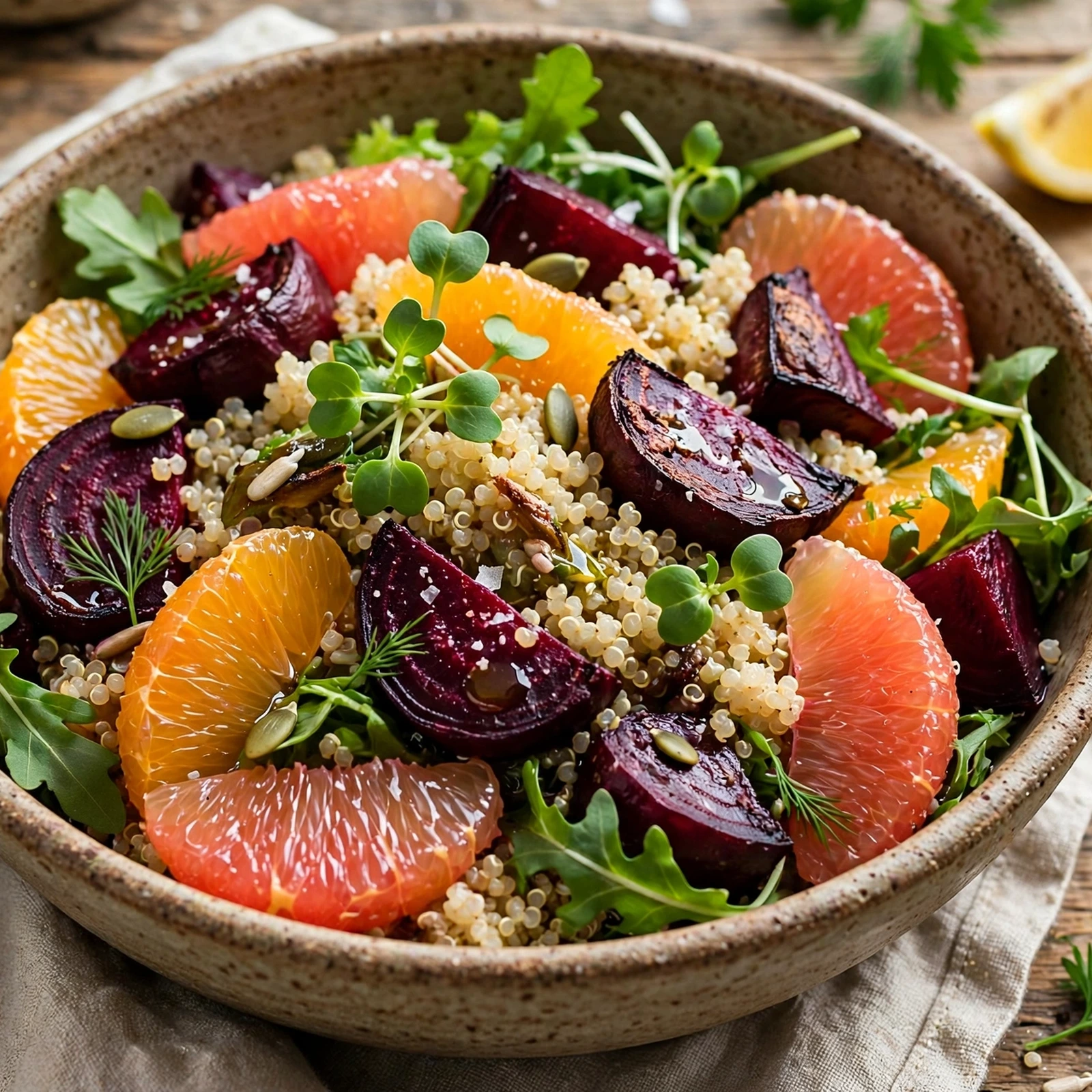
5. Citrus Beet and Quinoa Bowl
Best For
A colorful lunch bowl
Difficulty Level
Easy
Prep Time Category
Quick
Why You’ll Love It
Roasted beets, quinoa, orange segments, and greens are finished with a citrus dressing and toasted seeds. The color alone makes this bowl inviting, and sweet beets against tangy citrus keep every bite interesting. It holds up well packed for work.
Key Ingredients
- Beets
- Quinoa
- Oranges
- Mixed greens
- Pumpkin seeds
- Feta-style crumble
- Olive oil
- Red wine vinegar
Flavor Profile
Earthy-sweet and citrusy, with tangy dressing and crunchy seeds.
Helpful Tip
Roast beets ahead on Sunday; peeled, chilled beets slice easily all week.
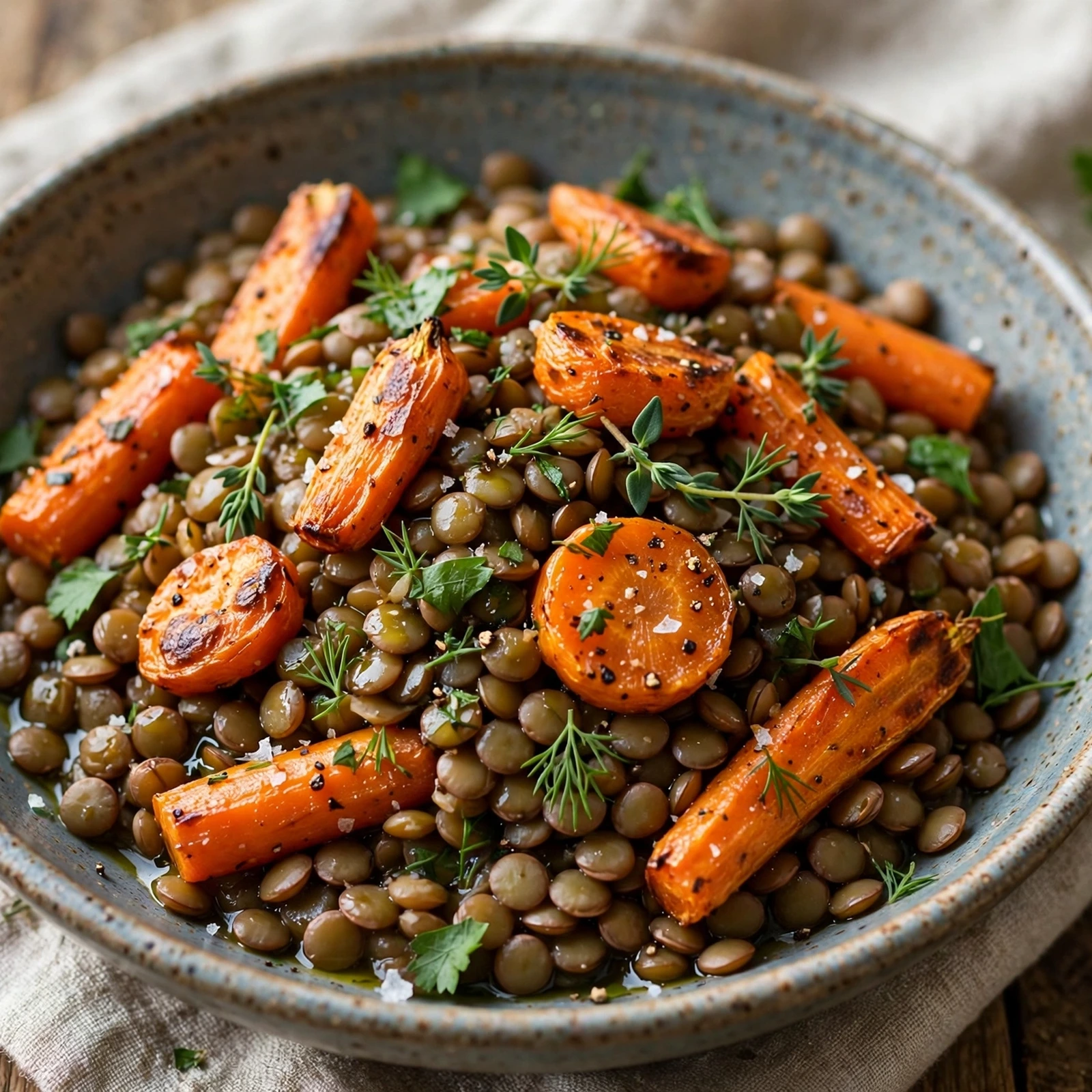
6. Lentil, Carrot, and Herb Bowl
Best For
A simple pantry bowl
Difficulty Level
Easy to moderate
Prep Time Category
Moderate
Why You’ll Love It
Warm lentils are tossed with roasted carrots, herbs, and a lemon dressing, then topped with seeds. This is pantry cooking at its best: cheap, filling, and flexible. Change the herb or add a soft egg and the bowl feels new again.
Key Ingredients
- Brown lentils
- Carrots
- Parsley
- Lemon
- Pumpkin seeds
- Red onion
- Cumin
- Olive oil
Flavor Profile
Earthy and lemony, with sweet roasted carrots and fresh herbs.
Helpful Tip
Dress lentils while warm so they absorb the lemon and olive oil dressing.
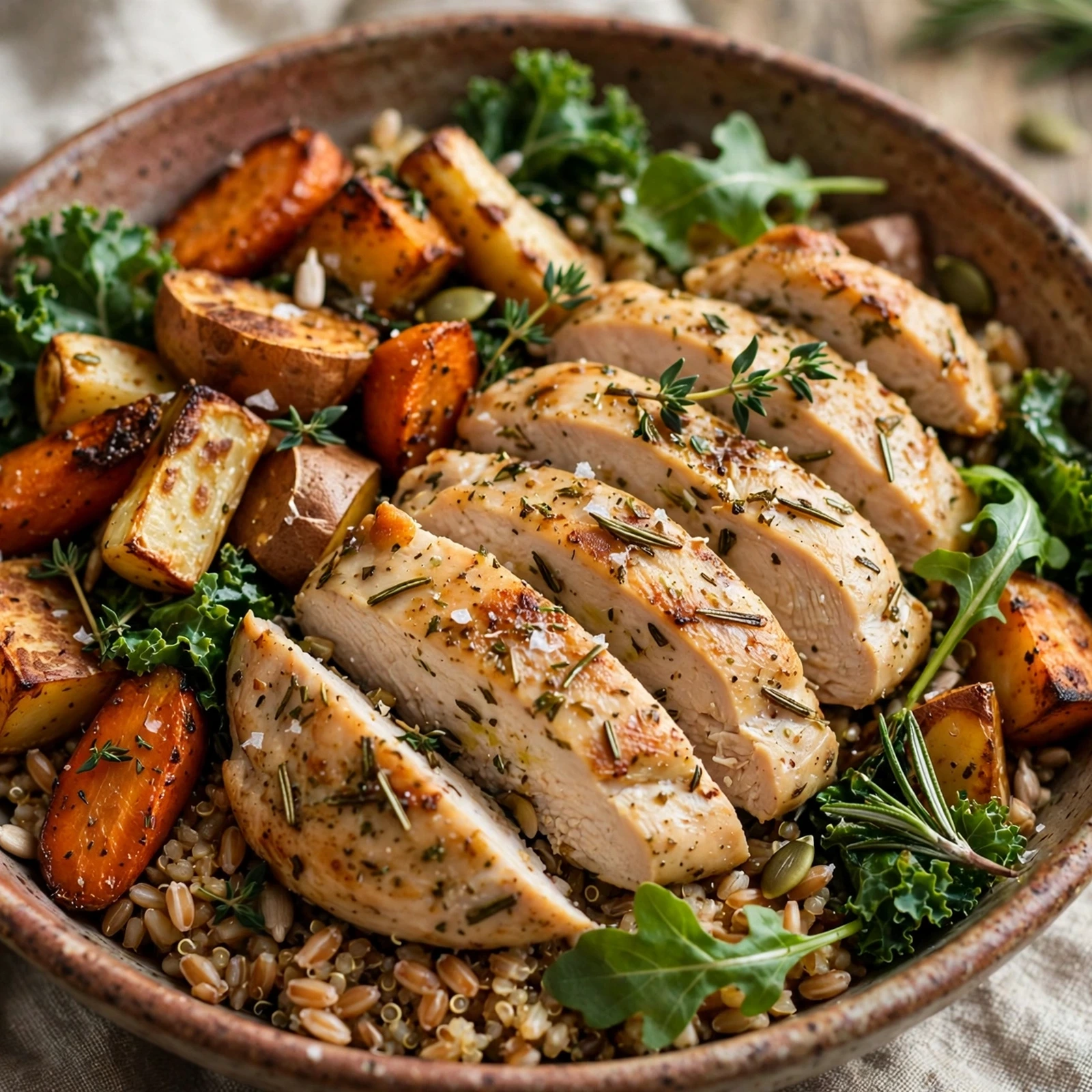
7. Chicken, Roasted Root, and Greens Bowl
Best For
A filling family bowl
Difficulty Level
Easy
Prep Time Category
Moderate
Why You’ll Love It
Herb-roasted chicken is served over roasted parsnips and carrots with greens and a mustard-lemon dressing. It feeds hungry people without a long ingredient list, and roasted roots make it feel seasonal. Leftovers slice cold into salads.
Key Ingredients
- Chicken thighs
- Parsnips
- Carrots
- Kale
- Dijon mustard
- Lemon
- Olive oil
- Fresh parsley
Flavor Profile
Savory and herby, with sweet roasted roots and a sharp mustard dressing.
Helpful Tip
Rest chicken for five minutes before slicing so the juices stay in the meat.
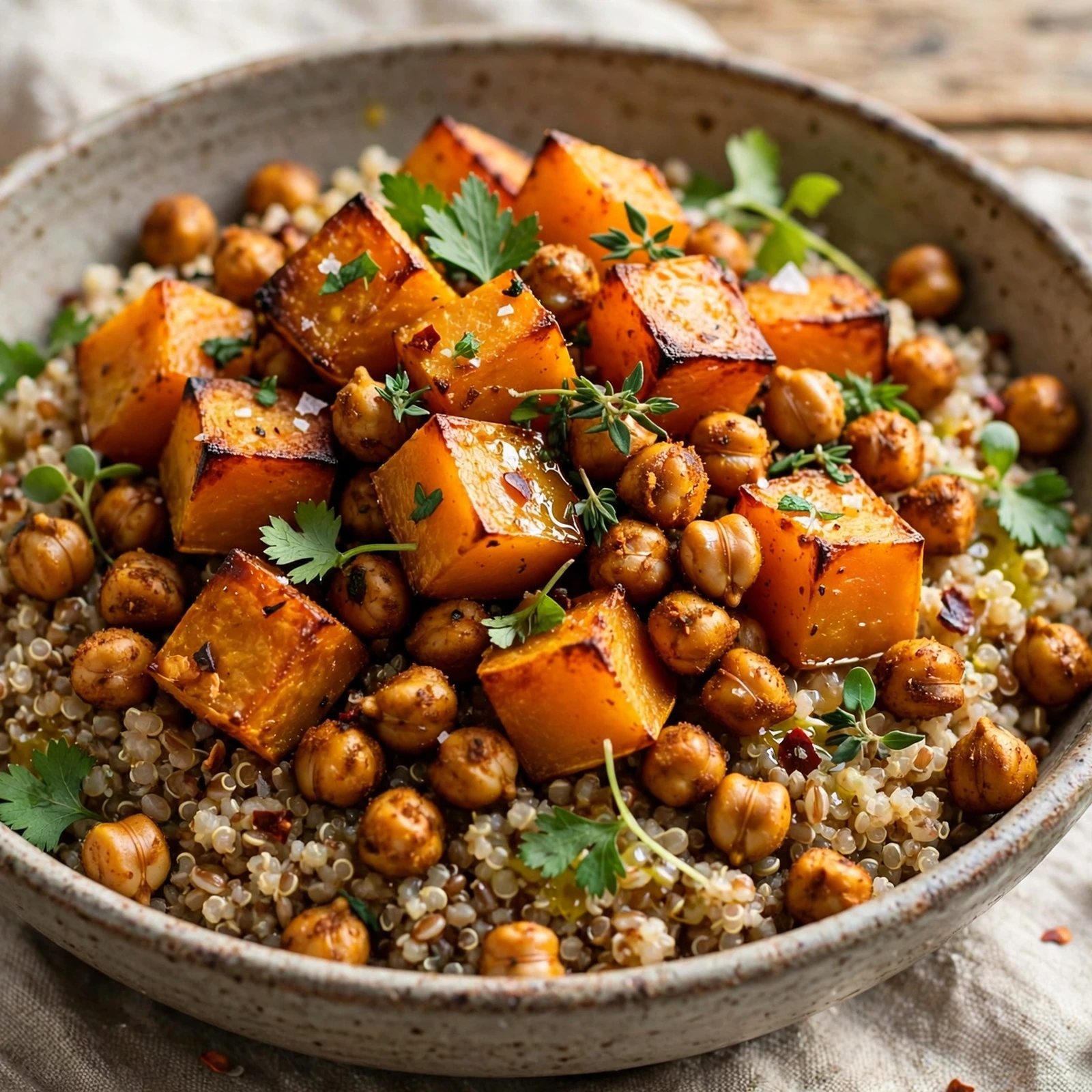
8. Butternut Squash and Chickpea Bowl
Best For
A sweet and savory winter bowl
Difficulty Level
Easy to moderate
Prep Time Category
Quick
Why You’ll Love It
Roasted butternut squash, crispy chickpeas, and quinoa come together with sage and a tahini dressing. Squash turns caramelized and soft, chickpeas add crunch, and sage gives the bowl a distinctly winter flavor. It is comforting without being heavy.
Key Ingredients
- Butternut squash
- Chickpeas
- Quinoa
- Sage
- Tahini
- Lemon
- Garlic
- Olive oil
Flavor Profile
Sweet, nutty, and herby, with caramelized squash and creamy tahini.
Helpful Tip
Toss chickpeas with a little oil and roast until crisp; soft chickpeas disappear in the bowl.
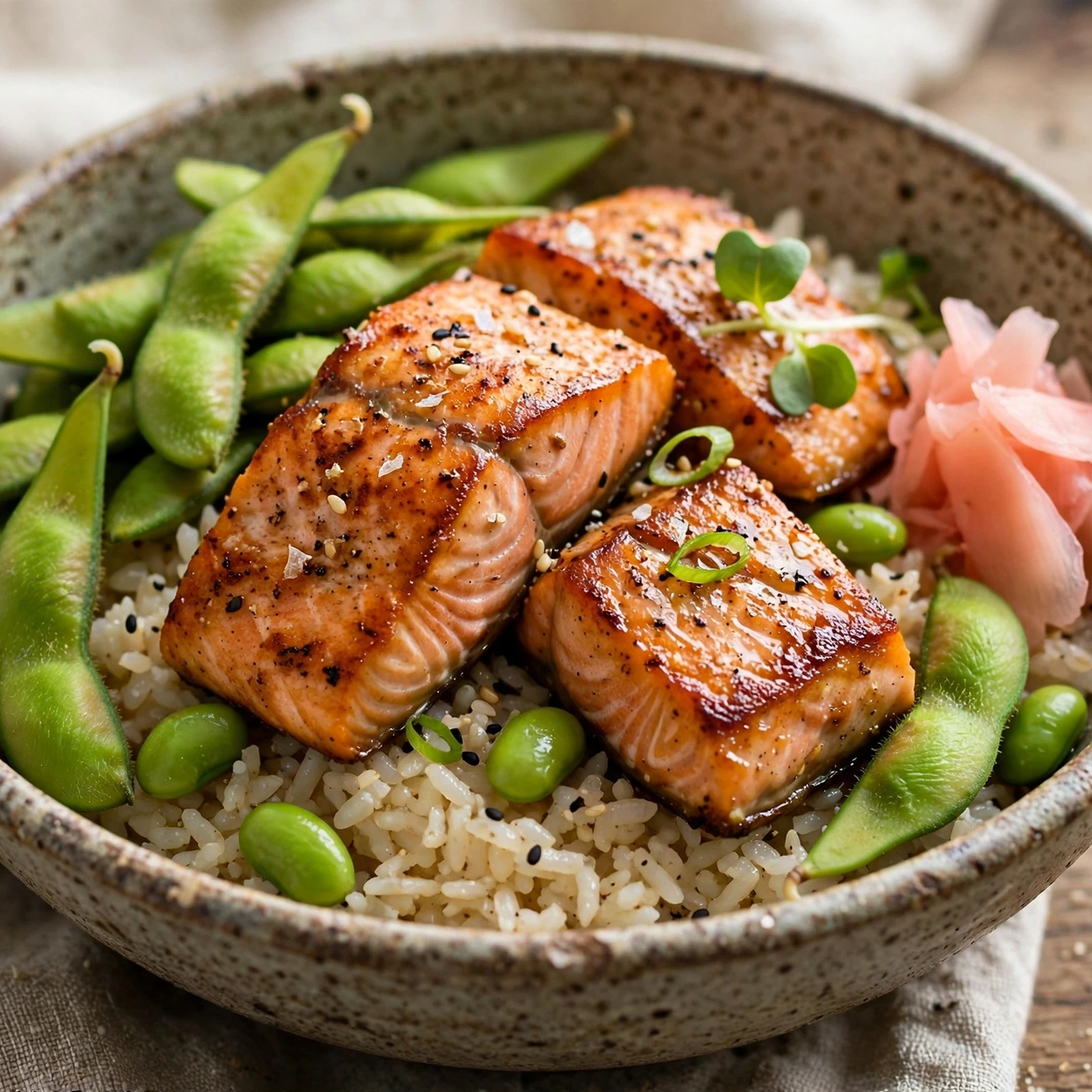
9. Salmon, Edamame, and Ginger Rice Bowl
Best For
A fresh take on a fish bowl
Difficulty Level
Easy
Prep Time Category
Quick
Why You’ll Love It
Baked salmon, edamame, and cucumber sit over brown rice with ginger and sesame dressing. The mix of warm salmon, cool cucumber, and nutty rice gives the bowl contrast in every bite. It works for dinner and, packed separately, for lunch.
Key Ingredients
- Salmon fillets
- Edamame
- Brown rice
- Cucumber
- Fresh ginger
- Sesame oil
- Rice vinegar
- Spring onions
Flavor Profile
Fresh and gingery, with savory salmon and a light sesame dressing.
Helpful Tip
Keep cucumber and dressing separate until serving if packing this bowl ahead.
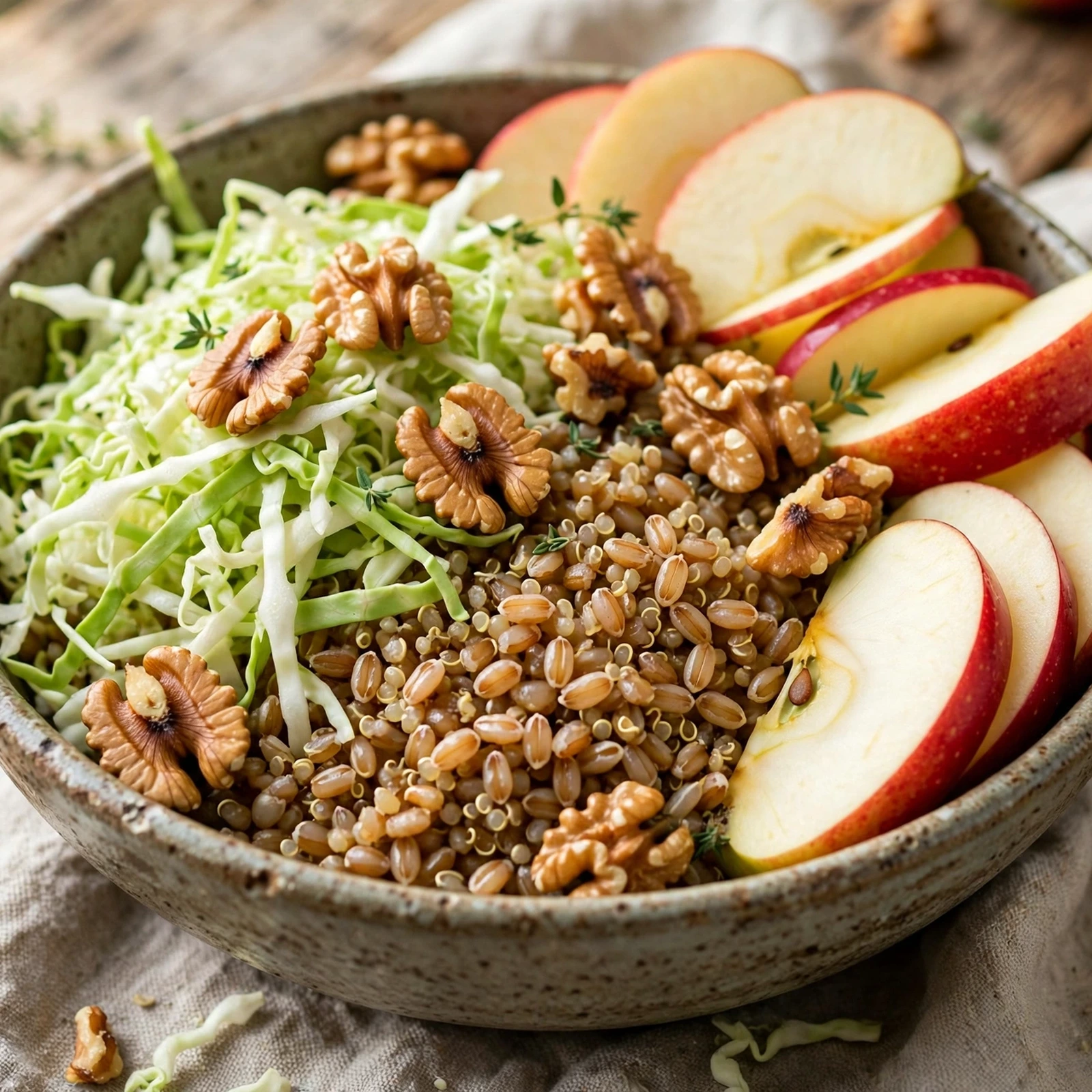
10. Cabbage, Apple, and Walnut Grain Bowl
Best For
A crunchy winter slaw bowl
Difficulty Level
Easy to moderate
Prep Time Category
Moderate
Why You’ll Love It
Shredded cabbage, apple matchsticks, walnuts, and barley are dressed with lemon and olive oil. The crunch is the point here, and it pairs well with a soft egg or leftover chicken. It is a fast bowl when you want something fresh on a cold day.
Key Ingredients
- Cabbage
- Apples
- Walnuts
- Barley
- Lemon
- Olive oil
- Parsley
- Dijon mustard
Flavor Profile
Crisp, sweet-tart, and nutty, with a bright lemon dressing.
Helpful Tip
Dress cabbage just before serving for maximum crunch, or an hour ahead for a softer slaw.
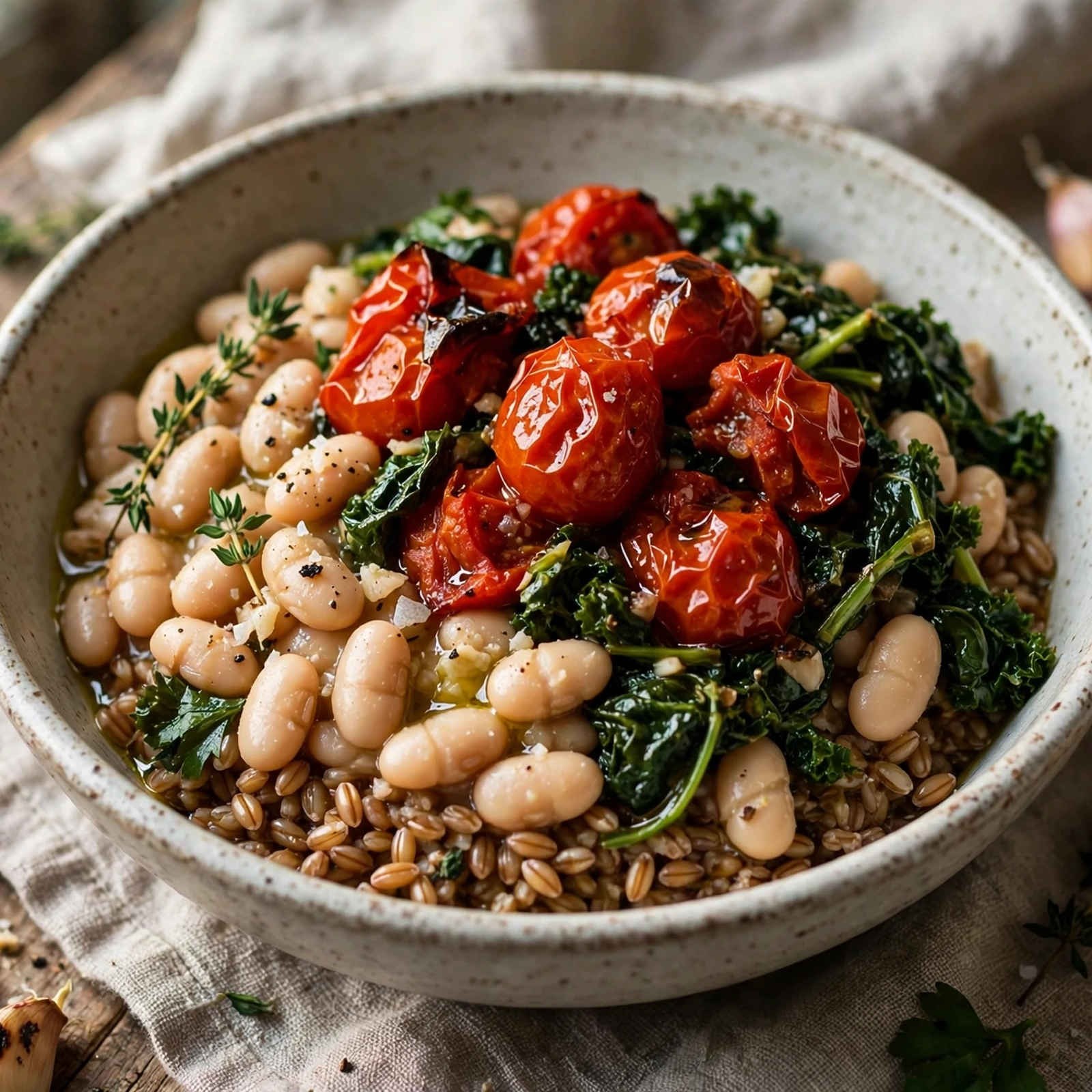
11. White Bean, Tomato, and Greens Bowl
Best For
A Mediterranean-style pantry bowl
Difficulty Level
Easy
Prep Time Category
Moderate
Why You’ll Love It
White beans simmered with tomatoes, garlic, and greens are served over quinoa with olive oil and lemon. This bowl comes from pantry staples in under thirty minutes and tastes like it simmered far longer. A chunk of whole-grain bread makes it a complete dinner.
Key Ingredients
- White beans
- Tomatoes
- Kale or spinach
- Quinoa
- Garlic
- Lemon
- Olive oil
- Fresh basil or parsley
Flavor Profile
Savory and garlicky, with sweet tomatoes and bright lemon.
Helpful Tip
Simmer beans in the tomato sauce for ten minutes so they absorb the flavor instead of sitting on top.
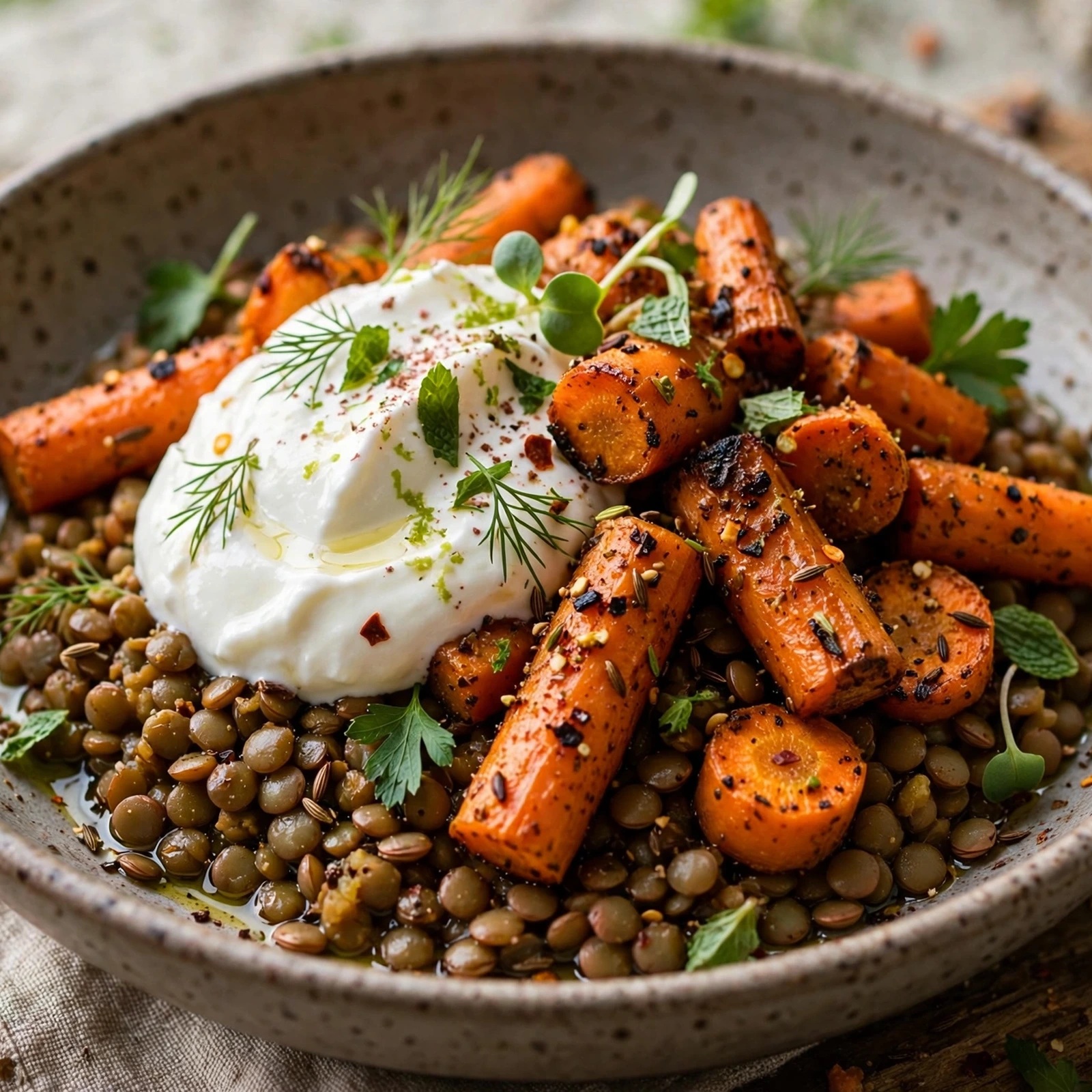
12. Spiced Carrot, Lentil, and Yogurt Bowl
Best For
A warmly spiced winter bowl
Difficulty Level
Easy to moderate
Prep Time Category
Quick
Why You’ll Love It
Cumin-spiced carrots and lentils are served over rice with a cool yogurt-style topping and herbs. Warm spices suit cold weather, and the cool topping keeps the bowl balanced. It is an excellent meatless dinner for a weeknight.
Key Ingredients
- Carrots
- Red lentils
- Basmati or brown rice
- Yogurt-style topping
- Cumin
- Coriander
- Lemon
- Fresh cilantro
Flavor Profile
Warmly spiced and tangy, with sweet carrots and a cool, creamy topping.
Helpful Tip
Bloom cumin and coriander in oil for a minute before adding lentils; it deepens the spice flavor noticeably.
Which Bowl Should You Try First?
If you only try one bowl, start with the turmeric cauliflower and chickpea bowl for an easy meatless night, or the ginger salmon bowl for a fast fish dinner. Both cook quickly and teach the bowl formula you can reuse all winter.
If you want a bowl for guests, the citrus beet and quinoa bowl is the prettiest, and the butternut squash bowl is the most comforting. For a work lunch, pick a bowl whose components travel separately, like the salmon and edamame bowl, and assemble it at your desk.
Best Ingredients to Pair with Winter Bowls
Keep olive oil, lemons, garlic, ginger, tahini, canned beans, lentils, quinoa, barley, nuts, and seeds on hand. With those anchors, almost any roasted vegetable becomes a bowl, and a change of dressing or herb keeps repeats fresh.
A good dressing is the other anchor. A lemon-tahini dressing, a ginger-sesame dressing, and a simple mustard-lemon dressing cover almost every bowl in this collection, and each takes under five minutes to whisk together.
Meal Prep and Storage Tips
Cook grains in bulk twice a week and store for up to four days. Roasted vegetables keep three days, dressed bowls are best eaten within a day, and undressed components keep separately for up to four days. Pack dressing in a small jar so packed bowls stay crisp.
Label containers with the date and the bowl name, and keep crunchy toppings in a separate small bag or jar. That one habit prevents soggy toppings and mystery containers, and it makes assembling a bowl a two-minute job rather than a search through the fridge.
Common Mistakes
The most common mistake is building a bowl with only soft textures, which tastes flat even when the flavors are good. Always add something crunchy, like toasted seeds or nuts, and something bright, like lemon or vinegar. Another mistake is underseasoning the grain; grains need salt and dressing just as much as the vegetables do.
Another mistake is making every bowl the same size and shape. A soup-style bowl needs a deeper bowl and a spoon, while a grain bowl with crunchy toppings works better in a wide, shallow bowl where toppings stay crisp and visible.
People Also Ask
Readers often ask whether bowls can be filling enough for dinner, and the answer is yes when the bowl includes a grain, a protein, and a healthy fat rather than vegetables alone. Others ask about packing bowls for work, and keeping dressing separate until lunch is the single most useful habit. Readers also ask about repeating bowls, and repeating a favorite base with a different dressing or topping is a practical way to save time.
Readers also ask about cost, and bowls are among the cheapest balanced meals you can cook, especially when the base is a grain and the protein is beans, lentils, or eggs. A bowl built from pantry staples and one roasted vegetable can cost less than a sandwich from a shop.
Frequently Asked Questions
Can I make these bowls ahead for the week?
Yes. Cook grains and roast vegetables ahead, store components separately, and assemble bowls the night before or morning of. Add dressing just before eating.
Are these bowls suitable for meatless eating?
Many are meatless as written, and the fish and chicken bowls swap easily to tofu, tempeh, or extra beans.
What grain works best in a winter bowl?
Quinoa, barley, and brown rice all work well. Barley is chewiest, quinoa is quickest, and brown rice is the most familiar base.
Can I use frozen vegetables?
Yes. Frozen broccoli, cauliflower, and mixed vegetables roast or steam well and are a practical winter backup.
How do I keep a bowl from tasting bland?
Season each layer, add citrus or vinegar, finish with herbs, and include a crunchy topping. A bowl seasoned only at the end rarely tastes finished.
More Healthy Winter Recipe Inspiration
If you enjoy bowls, keep going with more bowl collections and seasonal recipes built around the same grains and vegetables.
- 25 Anti Inflammatory Bowls Packed with Whole Foods & Flavor
- 20 Fall Anti-Inflammatory Harvest Bowls with Root Vegetables
- 15 Anti-Inflammatory Grain Salads for Summer Days
Conclusion
Twelve bowls, one simple formula, and a winter of varied dinners. Pick a bowl for tonight, cook an extra portion of grain, and let the leftovers make tomorrow easier. That steady, practical rhythm is what makes a bowl habit last past January.
Keep the formula on your fridge for a week: grain, vegetables, protein, dressing, crunch. Once it becomes automatic, winter dinners stop being a daily decision and start being a habit you can rely on.