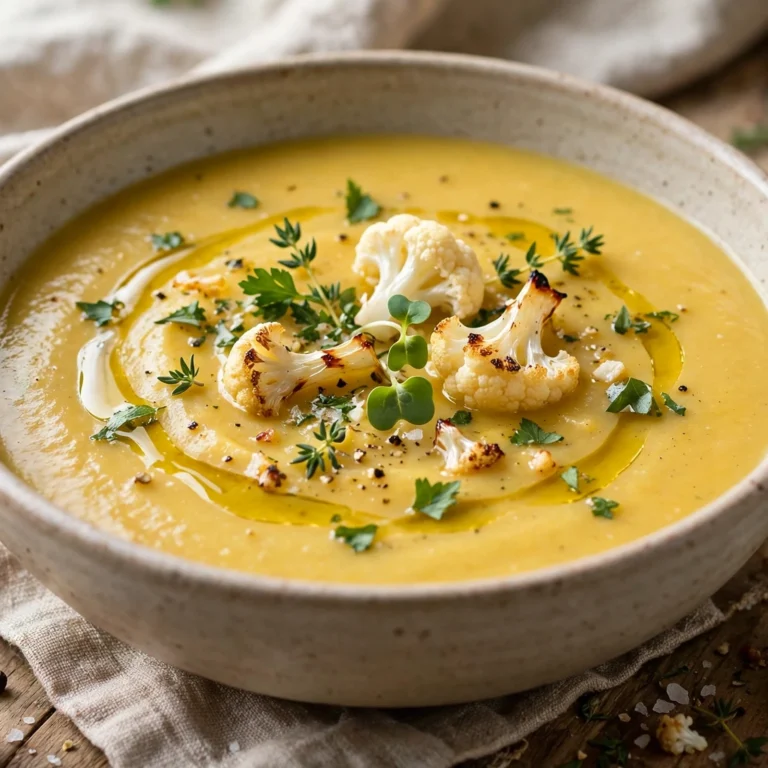
Winter Anti-Inflammatory Foods Your Body Craves
Winter cravings are not random. When the days get cold and dark, you naturally reach for warm, filling, and deeply flavored food: roasted roots, hearty greens, citrus, soups, and stews. The good news is that many of those craving foods already fit well into an anti-inflammatory eating pattern. This guide walks through fifteen winter foods worth keeping in your kitchen, what they taste like, how to buy them, and how to use them without a complicated recipe.
Think of this list as a shopping guide rather than a rulebook. You do not need all fifteen every week. Pick five or six you enjoy, learn two or three ways to cook each one, and rotate them through soups, roasts, salads, and grain bowls. Remember that overall dietary pattern matters more than any single recipe, and a pantry stocked with foods you like is what makes balanced winter eating easy.
What Makes Winter Anti-Inflammatory Foods Your Body Craves Anti-Inflammatory?
These foods share a few traits that fit an anti-inflammatory eating pattern: they are mostly whole, minimally processed foods, rich in fiber, color, and flavor, and they pair naturally with olive oil, herbs, and spices. Leafy greens, root vegetables, citrus, berries, beans, whole grains, nuts, and fatty fish all bring different nutrients and textures, so a varied plate is more satisfying than a plate built around one ingredient.
Winter cooking methods help too. Roasting brings out sweetness in roots and squash, slow simmering softens beans and greens, and citrus and herbs brighten rich dishes. When food tastes good, you eat it willingly, and that is the real test of any eating pattern: not whether it looks perfect on paper, but whether you want to cook it again next week.
For background reading, see Cleveland Clinic’s guide to an anti-inflammatory diet and Harvard Nutrition Source’s guide to vegetables and fruits.
Quick Recipe Comparison Table: Winter Anti-Inflammatory Foods Your Body Craves
| Food | Main Flavor | Best For | How to Use |
|---|---|---|---|
| 1. Sweet Potatoes | Sweet and earthy | Roasts and grain bowls | Roast, mash, or cube into soup |
| 2. Kale and Hardy Greens | Earthy and slightly bitter | Soups and sautés | Sauté, simmer, or massage raw |
| 3. Citrus Fruits | Bright and tangy | Dressings and salads | Segment, juice, or zest |
| 4. Beets | Earthy and sweet | Roasted salads | Roast whole, then slice |
| 5. Winter Squash | Sweet and nutty | Soups and roasts | Roast, purée, or stuff |
| 6. Brussels Sprouts | Nutty and savory | Sheet-pan sides | Halve and roast until crisp |
| 7. Lentils | Earthy and savory | Soups and stews | Simmer with aromatics |
| 8. Walnuts | Rich and nutty | Toppings and baking | Toast and chop over dishes |
| 9. Salmon | Rich and savory | Weeknight dinners | Bake, grill, or pan-sear |
| 10. Ginger and Turmeric Root | Warm and peppery | Soups, teas, and stir-fries | Grate fresh or simmer in broth |
| 11. Cabbage | Mild and sweet when cooked | Slaws and braises | Shred raw or braise slowly |
| 12. Mushrooms | Deep and savory | Meatless mains | Sear, roast, or simmer |
| 13. Frozen Berries | Sweet and tart | Breakfasts and desserts | Use in oats, smoothies, or baking |
| 14. Olive Oil | Fruity and peppery | Dressings and finishing | Drizzle, dress, or sauté gently |
| 15. Oats and Barley | Nutty and hearty | Breakfasts and soups | Cook as porridge or in soup |
Why Winter Anti-Inflammatory Foods Your Body Craves Are Perfect for Winter
Quick Answer: These foods are at their best, most affordable, and easiest to find in winter, and they suit the cooking you already want to do: roasting, simmering, and baking.
Root vegetables and hardy greens store well, citrus is in season, and pantry staples like lentils, oats, and beans need no special trip. That combination matters in winter, when you want fewer shopping trips and more meals from what is already at home. A stocked winter pantry turns a cold evening into a soup night instead of a takeout night.
These foods also give you variety without novelty for its own sake. The same sweet potato can be roasted on Monday, mashed on Wednesday, and cubed into soup on Friday, tasting different each time with a change of herbs or dressing.
What Makes an Anti-Inflammatory Winter Food?
Quick Answer: A food that fits an anti-inflammatory eating pattern is usually a whole, colorful, fiber-rich plant food, a whole grain, a nut or seed, olive oil, or fatty fish, prepared simply and eaten as part of a varied diet.
No single food does the work alone. Color is a useful guide: orange squash, dark greens, red beets, and purple cabbage each bring different flavors and nutrients, so eating across colors is a practical way to build variety. Pairing matters too: fiber plus protein plus a little healthy fat makes a meal satisfying, whether that is lentil soup with bread, salmon with roasted vegetables, or oats with nuts and berries.
Use the foods below as building blocks. Combine three or four of them, add a grain or protein, finish with citrus or herbs, and you have a meal.
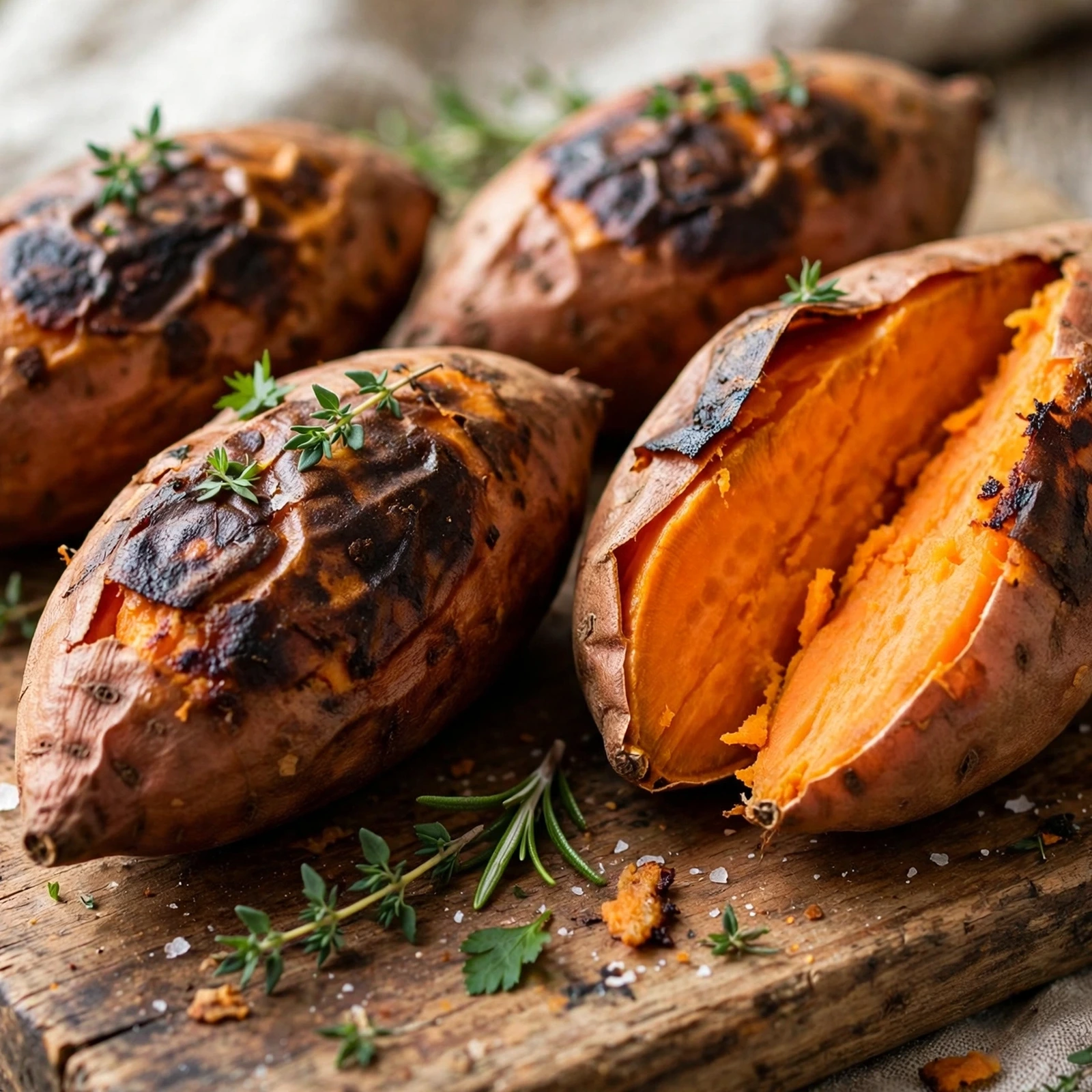
1. Sweet Potatoes
Best For
Roasts, grain bowls, and soups, when you want natural sweetness and a filling, affordable base.
How to Use It
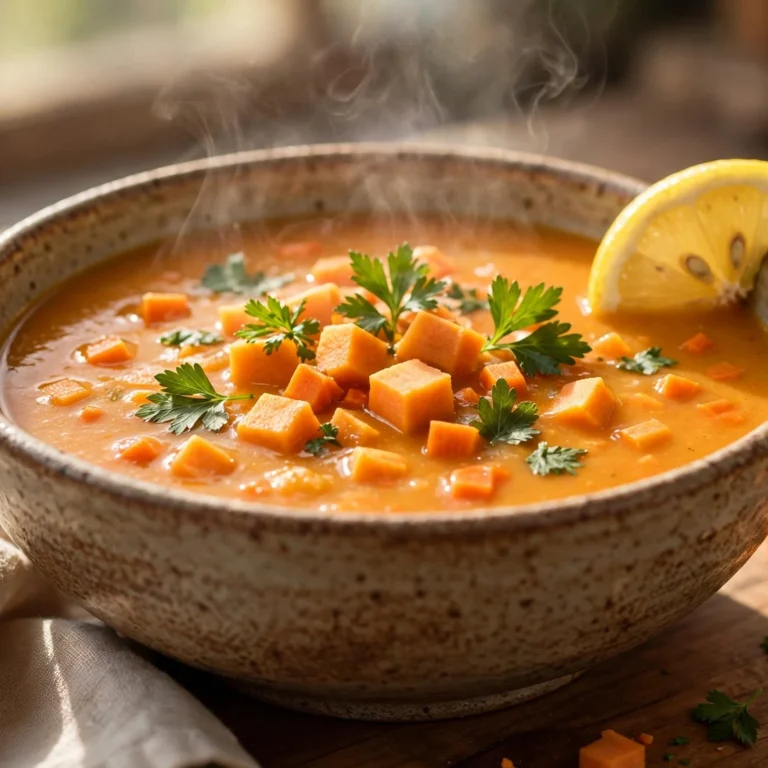
Roast wedges at high heat until crisp at the edges, mash with a little olive oil and garlic, or cube into lentil and chickpea soups where they soften and sweeten the broth.
Why You’ll Love It
Sweet potatoes are forgiving, cheap, and versatile. They keep for weeks in a cool cupboard, roast beautifully with almost no attention, and pair with everything from black beans to salmon. Their sweetness also balances salty, spicy, and tangy flavors, which makes them a useful bridge ingredient in winter cooking.
What to Look For
- Firm potatoes with no soft spots or sprouts
- Orange, purple, or white varieties for different colors
- Medium size for even roasting
- Cool, dark storage away from onions
- Good pairing with black beans and lime
- Good pairing with tahini and lemon
- Good pairing with cinnamon for breakfast bowls
- Leftovers that reheat well in grain bowls
Flavor Profile
Sweet and earthy, with caramelized edges when roasted and a soft, creamy center.
Helpful Tip
Cut wedges the same size so they cook evenly, and do not crowd the pan, or they will steam instead of crisping.
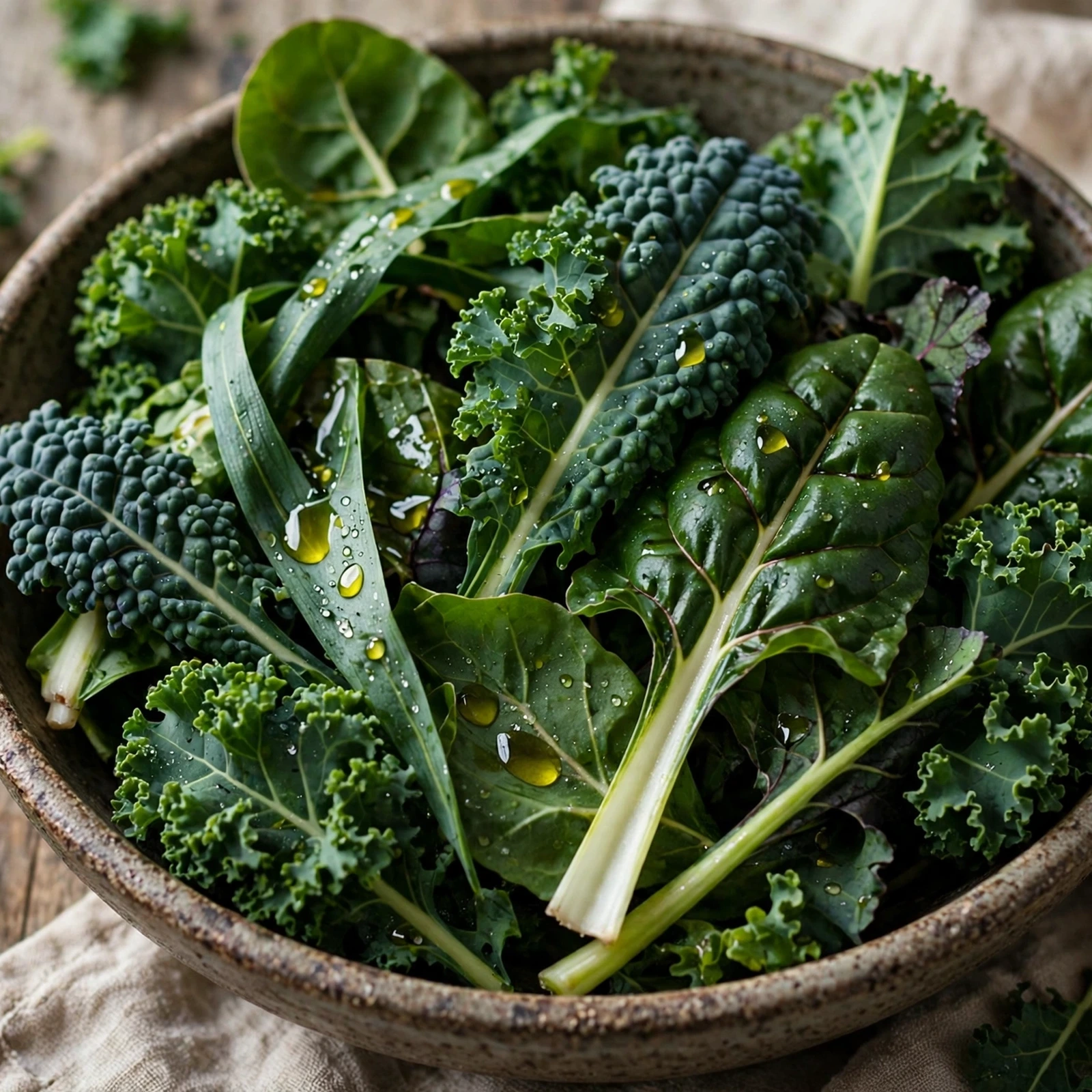
2. Kale and Hardy Greens
Best For
Soups, sautés, and grain bowls, when you want dark greens that hold up to heat.
How to Use It
Strip leaves from tough stems, chop, and sauté with garlic and olive oil, simmer in bean soup, or massage raw kale with lemon and salt for a salad that softens in minutes.
Why You’ll Love It
Kale, chard, and collards are winter workhorses. They keep longer in the fridge than tender lettuce, they do not wilt into nothing in soup, and a big bunch cooks down into a generous, flavorful side. Their slight bitterness pairs beautifully with lemon, garlic, and a little richness from nuts or olive oil.
What to Look For
- Deep green, crisp leaves without yellow spots
- Curly kale for salads and soups
- Lacinato kale for sautéing
- Chard with bright, firm stems
- Storage in a bag in the fridge for up to a week
- Good pairing with beans and garlic
- Good pairing with lemon and olive oil
- Stems saved for soup stock if you like
Flavor Profile
Earthy and slightly bitter, softened by lemon, garlic, and olive oil.
Helpful Tip
Add greens to soup in the last ten minutes so they stay bright and tender instead of overcooking.
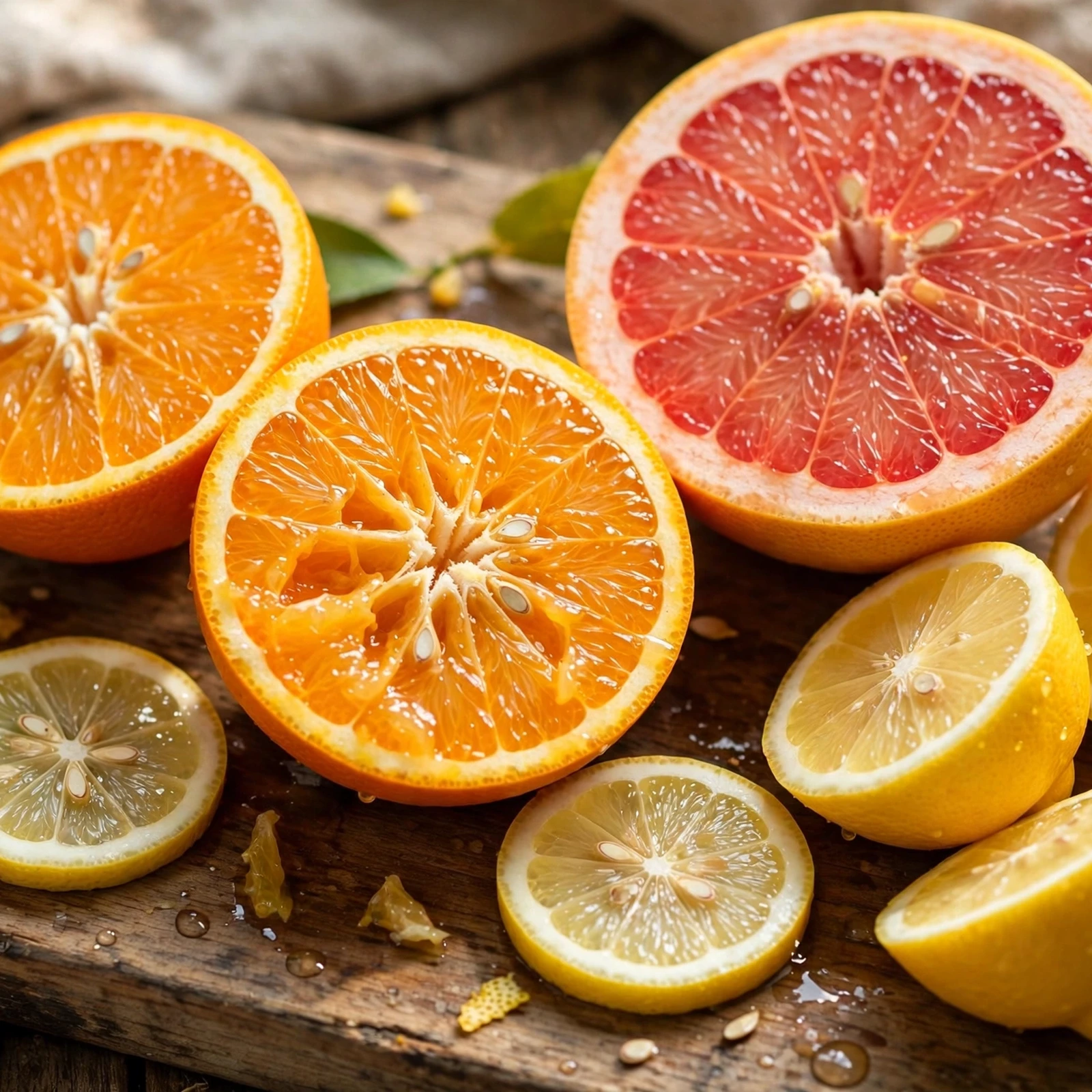
3. Citrus Fruits
Best For
Dressings, salads, and finishing dishes, when a winter meal needs brightness.
How to Use It
Segment oranges and grapefruit over salads, squeeze lemon over roasted vegetables and fish, and zest citrus into dressings, grain bowls, and baked oats.
Why You’ll Love It
Citrus is winter’s brightest ingredient. It is affordable in season, keeps well, and can rescue a heavy dish with a squeeze of juice. A single lemon can season a soup, a salad, and a fish dinner, and orange segments turn a simple green salad into something you actually look forward to.
What to Look For
- Heavy fruit for its size, which means more juice
- Firm skin without soft spots
- Navels and blood oranges for salads
- Lemons and limes for cooking and dressing
- Room-temperature storage for a week, fridge for longer
- Zest used before juicing
- Good pairing with fennel and olives
- Good pairing with salmon and greens
Flavor Profile
Bright, tangy, and fresh, with sweet orange, sharp lemon, and bitter grapefruit notes.
Helpful Tip
Roll a lemon firmly on the counter before cutting it. You will get noticeably more juice from the same fruit.
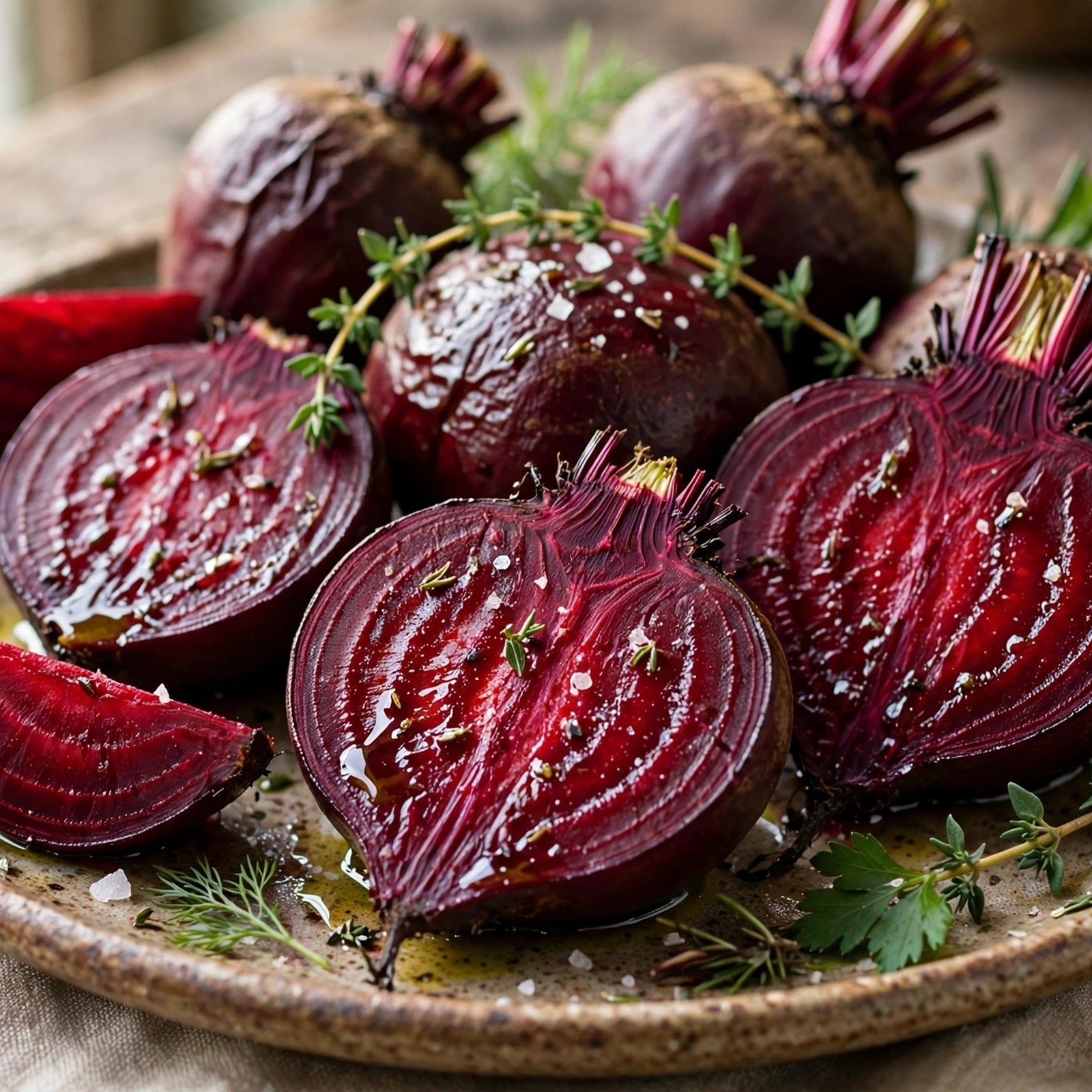
4. Beets
Best For
Roasted salads and grain bowls, when you want color and earthy sweetness.
How to Use It
Roast whole beets wrapped in foil until tender, cool, slip off the skins, and slice over salads, grain bowls, or yogurt with herbs and walnuts.
Why You’ll Love It
Beets bring a color no other winter vegetable can match, and their earthy sweetness pairs with tangy cheese-style toppings, citrus, and nuts. Roasting a batch on Sunday gives you salad toppings for days, and the leftovers are just as good cold as warm.
What to Look For
- Firm beets with smooth skin
- Red, golden, or striped varieties
- Smaller beets for faster roasting
- Greens attached and fresh, if sold that way
- Storage in the fridge for two to three weeks
- Good pairing with walnuts and citrus
- Good pairing with goat-style cheese alternatives and herbs
- Gloves worn when peeling red beets
Flavor Profile
Earthy and sweet, deepened by roasting and lifted by vinegar or citrus.
Helpful Tip
Roast beets separately from other vegetables if you do not want everything tinted pink. Golden beets are the tidy alternative.
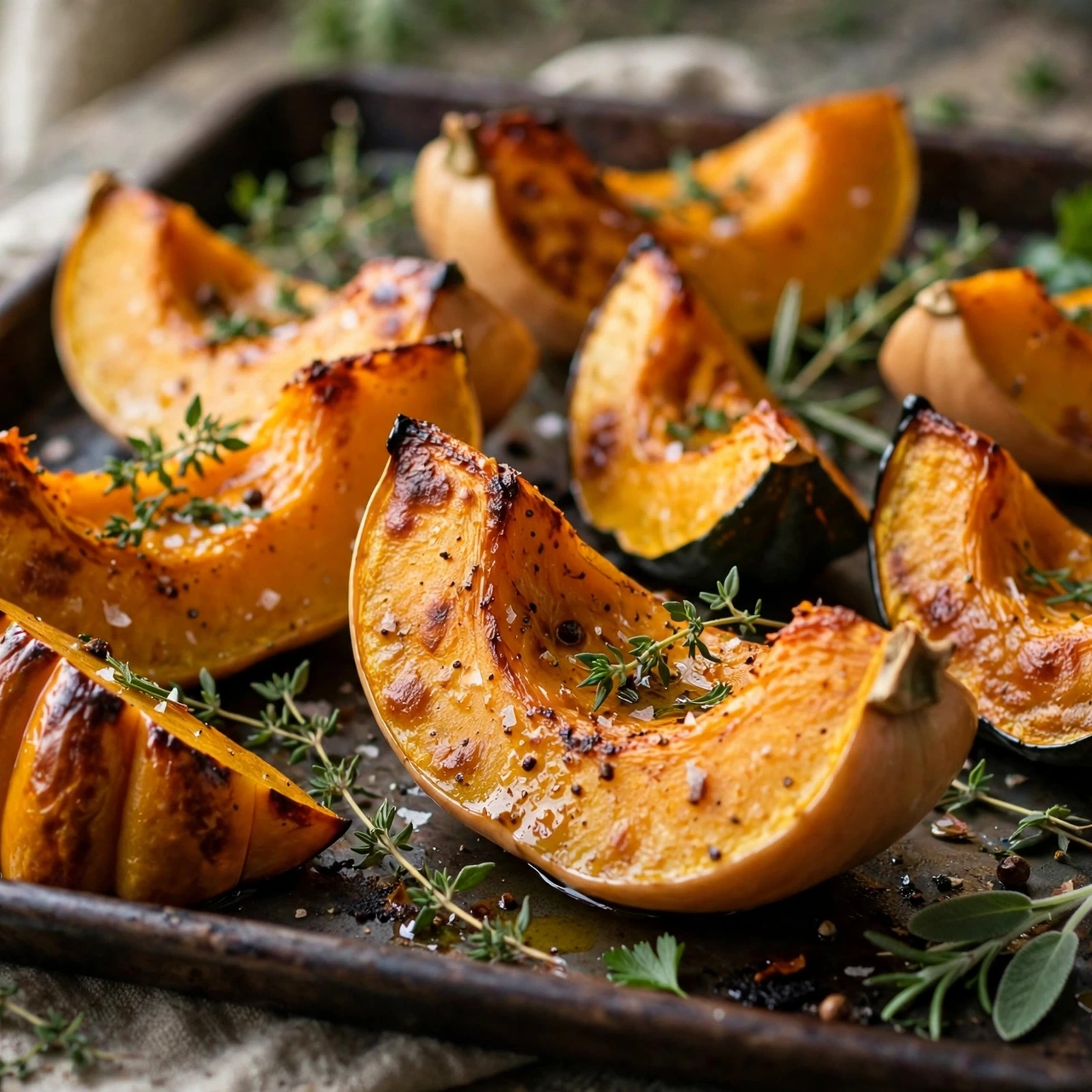
5. Winter Squash
Best For
Soups, roasts, and stuffed dishes, when you want a sweet, filling vegetable that feeds a crowd.
How to Use It
Halve, seed, and roast butternut or acorn squash until soft, purée with broth and ginger for soup, or stuff roasted halves with grains, beans, and herbs.
Why You’ll Love It
Winter squash stores for months, costs little, and turns into soup, mash, or roast with very little effort. Its sweetness works with savory herbs like sage and thyme, with warm spices, and with tangy toppings, so one squash can take several different directions across the week.
What to Look For
- Heavy squash with hard, unblemished skin
- Butternut for soup and purée
- Acorn for stuffing and roasting
- Delicata for quick roasting with skin on
- Cool, dry storage for one to three months
- Good pairing with sage and thyme
- Good pairing with beans and grains
- Pre-cut cubes for busy nights
Flavor Profile
Sweet and nutty, with caramelized edges when roasted and a creamy texture when puréed.
Helpful Tip
Microwave a whole squash for two minutes before cutting. It softens the skin just enough to make halving much safer.
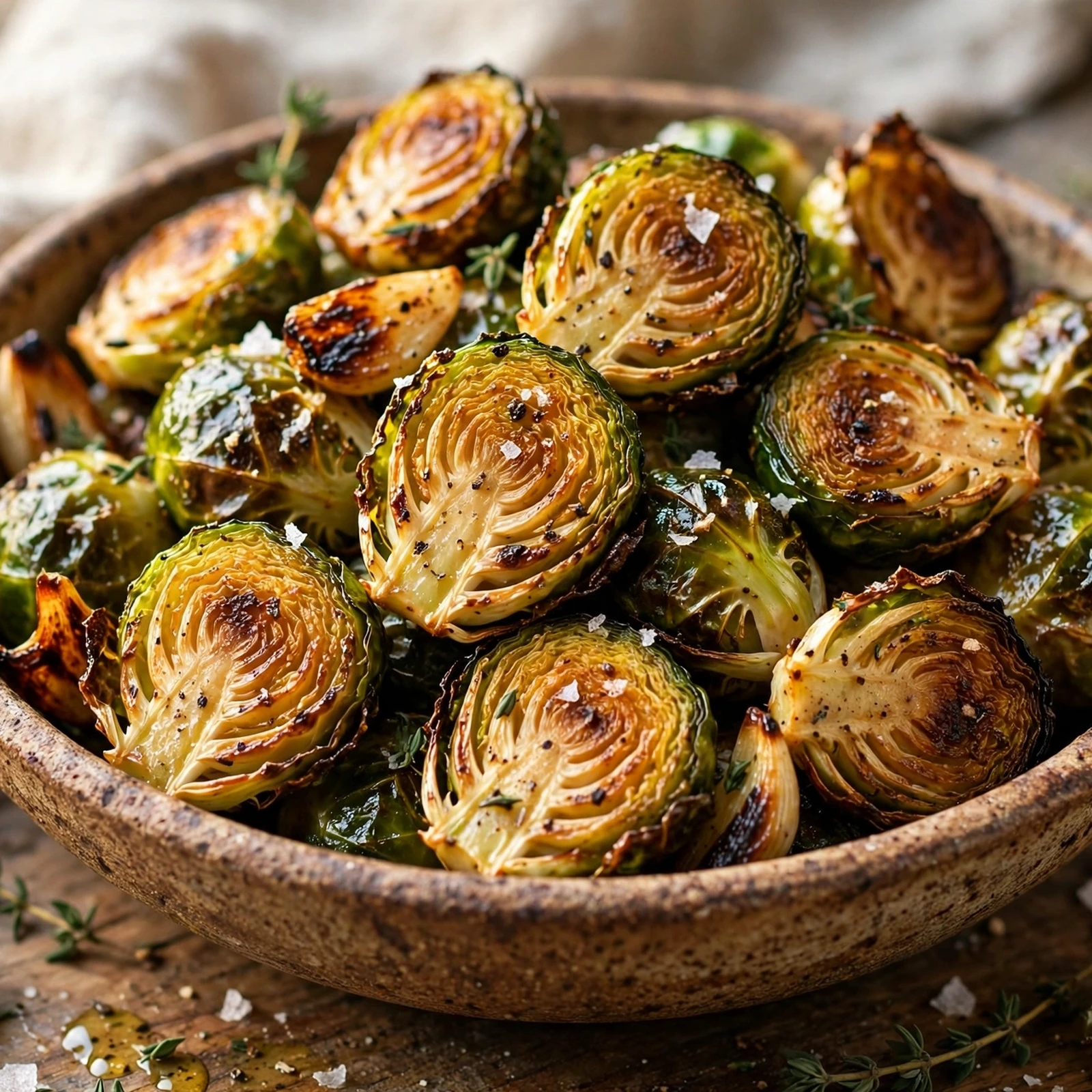
6. Brussels Sprouts
Best For
Sheet-pan sides and salads, when you want crisp, nutty vegetables with dinner.
How to Use It
Halve, toss with olive oil and salt, and roast cut-side down until deeply browned, or shred raw for a crunchy slaw with citrus dressing.
Why You’ll Love It
Properly roasted Brussels sprouts convert skeptics. The outer leaves crisp like chips, the centers turn sweet and nutty, and they pair with everything from roast chicken to grain bowls. They are also quick: one pan, twenty minutes, and dinner has a proper vegetable side.
What to Look For
- Small, tight, bright green sprouts
- Firm heads without yellow leaves
- Similar size for even cooking
- Storage in the fridge for up to a week
- Good pairing with lemon and herbs
- Good pairing with walnuts and pomegranate seeds
- Shredded sprouts for quick slaws
- High oven heat for crisping
Flavor Profile
Nutty and savory, with crisp, caramelized edges and a tender, sweet center.
Helpful Tip
Roast cut-side down and do not flip them too early. That flat side needs uninterrupted contact with the hot pan to brown.
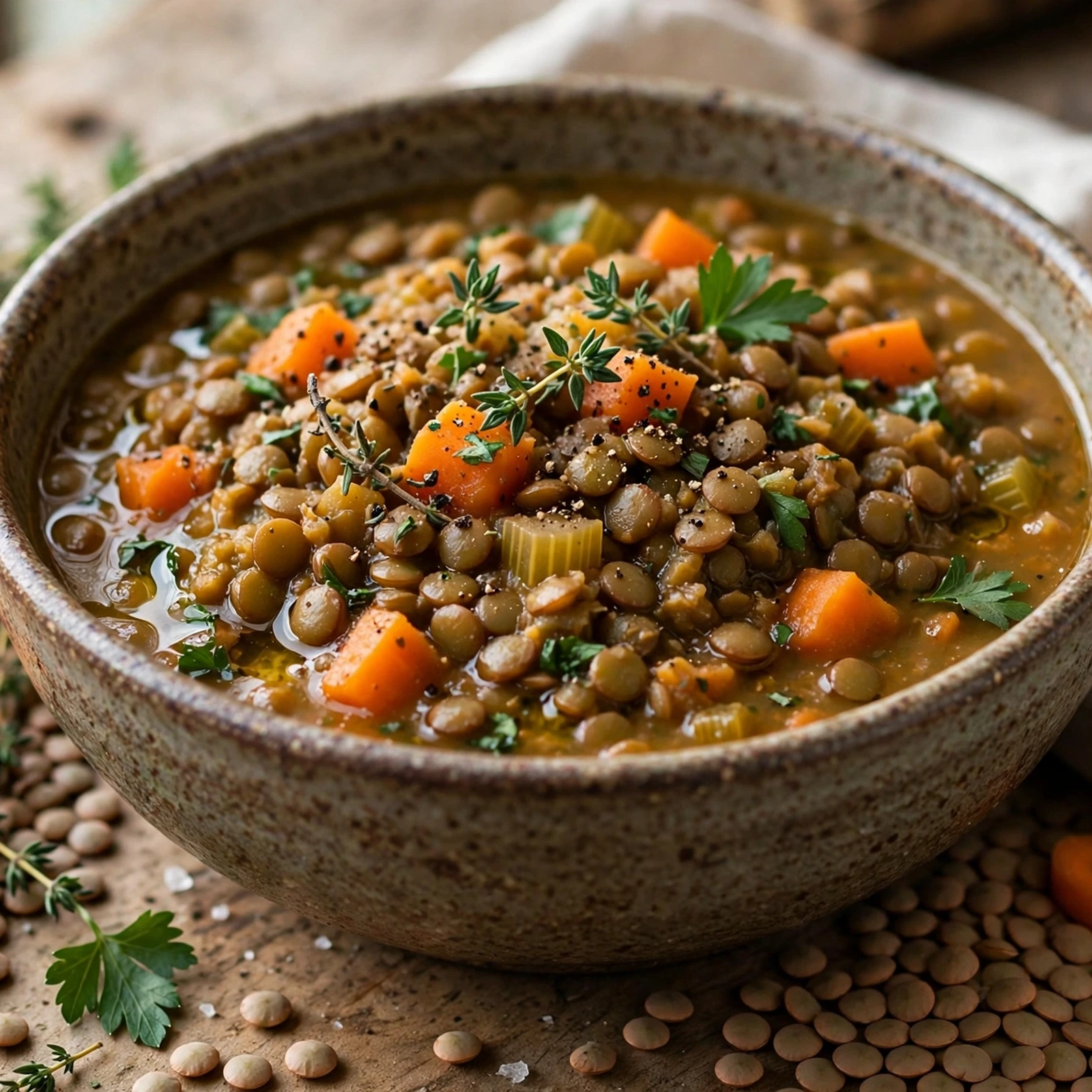
7. Lentils
Best For
Soups, stews, and salads, when you want affordable, filling protein from the pantry.
How to Use It
Simmer brown or green lentils with onion, carrot, and herbs for soup, cook red lentils down into a thick stew, or toss cooked lentils with roasted vegetables and dressing for a warm salad.
Why You’ll Love It
Lentils are the backbone of budget winter cooking. They need no soaking, cook in under 30 minutes, and turn a pot of vegetables into a meal. They also take on whatever flavor you give them, from cumin and lemon to thyme and tomato, so they never taste the same twice.
What to Look For
- Dry lentils in sealed bags, not bulk bins past their prime
- Brown and green for salads and soups that hold shape
- Red for thick, creamy stews
- Black lentils for grain-style salads
- Pantry storage for up to a year
- Good pairing with carrots and celery
- Good pairing with lemon and herbs
- Cooked lentils frozen in portions
Flavor Profile
Earthy and savory, mild enough to carry spices, herbs, and citrus.
Helpful Tip
Salt lentils near the end of cooking. Salting too early can keep the skins firm longer than you want.
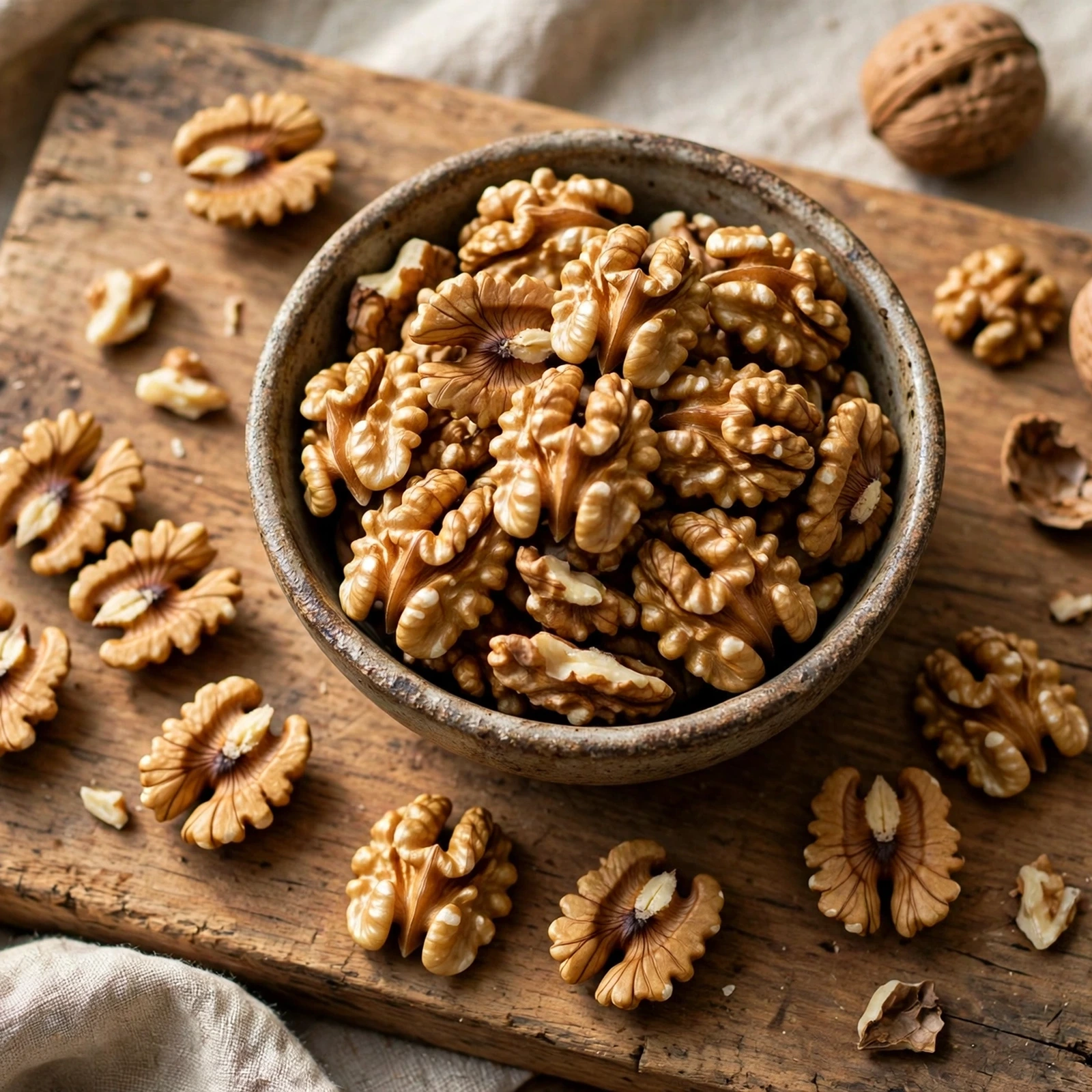
8. Walnuts
Best For
Toppings, salads, and baking, when a dish needs crunch and richness.
How to Use It
Toast briefly in a dry pan, chop over salads and grain bowls, blend into pesto-style sauces, or fold into baked oats and muffins.
Why You’ll Love It
A handful of walnuts changes a whole dish. They add crunch to soft soups, richness to salads, and depth to baked goods, and a small amount goes a long way. Keep a bag in the fridge and you always have a finishing touch ready, no cooking required.
What to Look For
- Raw, unsalted walnuts for cooking
- Halves and pieces for chopping
- Fresh smell without any rancid edge
- Fridge storage for freshness
- Freezer storage for long keeping
- Good pairing with beets and citrus
- Good pairing with apples and pears
- Toasting before use for best flavor
Flavor Profile
Rich, nutty, and slightly bitter, with a buttery crunch when toasted.
Helpful Tip
Buy walnuts in smaller bags if you use them slowly. Nuts go stale faster than most pantry foods, and fresh nuts taste far better.
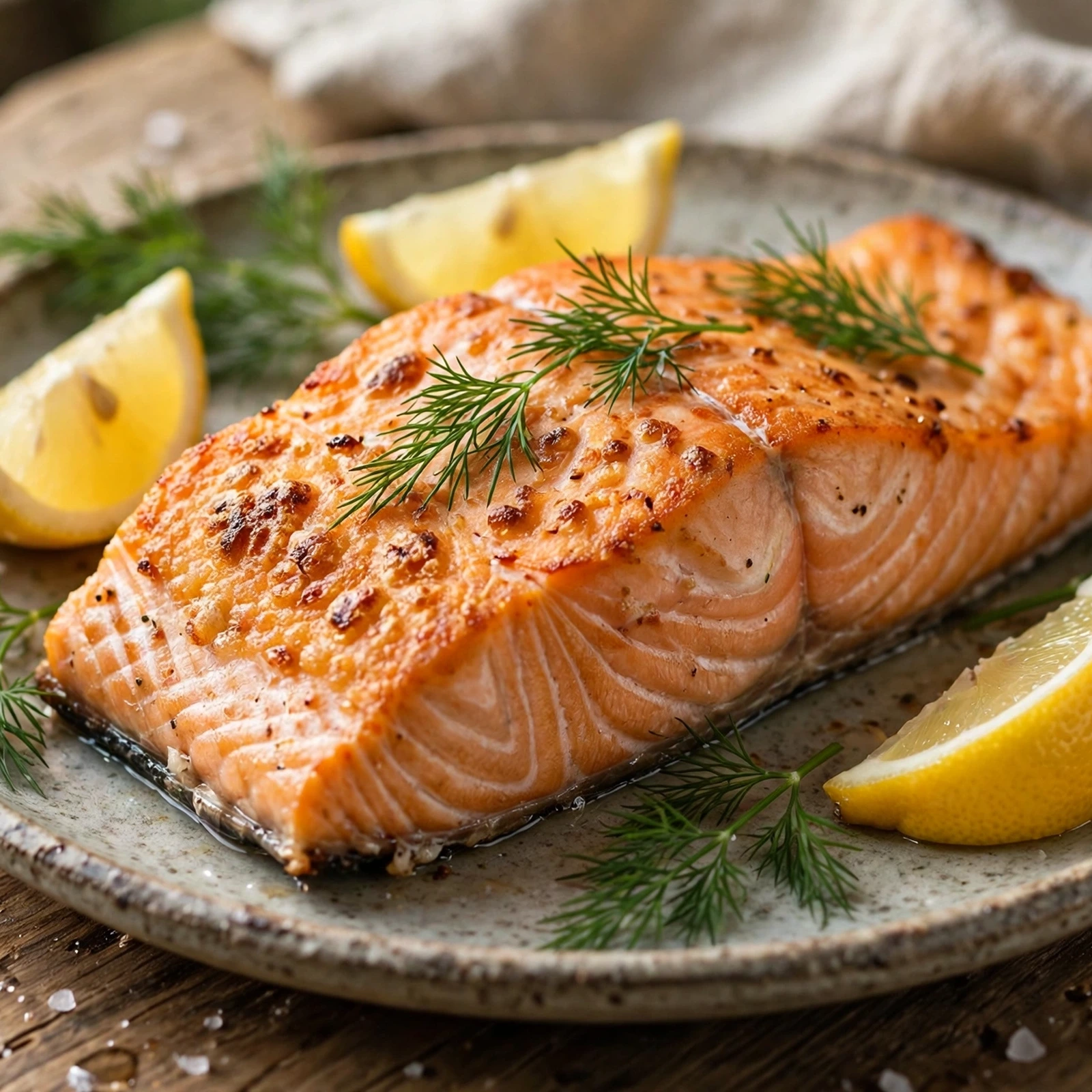
9. Salmon
Best For
Weeknight dinners, when you want a fast, satisfying protein with roasted vegetables.
How to Use It
Bake fillets with lemon and herbs, pan-sear skin-side down until crisp, or flake leftover salmon cold over salads and grain bowls the next day.
Why You’ll Love It
Salmon cooks in about fifteen minutes, pairs with almost any winter vegetable, and makes a weeknight dinner feel complete without extra courses. Leftover salmon is a gift the next day, turning a salad or grain bowl into a proper lunch with no extra cooking.
What to Look For
- Firm fillets with a fresh, mild smell
- Even thickness for even cooking
- Skin-on fillets for crisp pan-searing
- Frozen fillets as a reliable backup
- Thawing overnight in the fridge
- Good pairing with citrus and dill
- Good pairing with roasted roots
- Leftover use within one to two days
Flavor Profile
Rich and savory, with a buttery texture and bright notes from lemon and herbs.
Helpful Tip
Let salmon sit at room temperature for ten minutes before cooking. It cooks more evenly and is less likely to dry out at the edges.
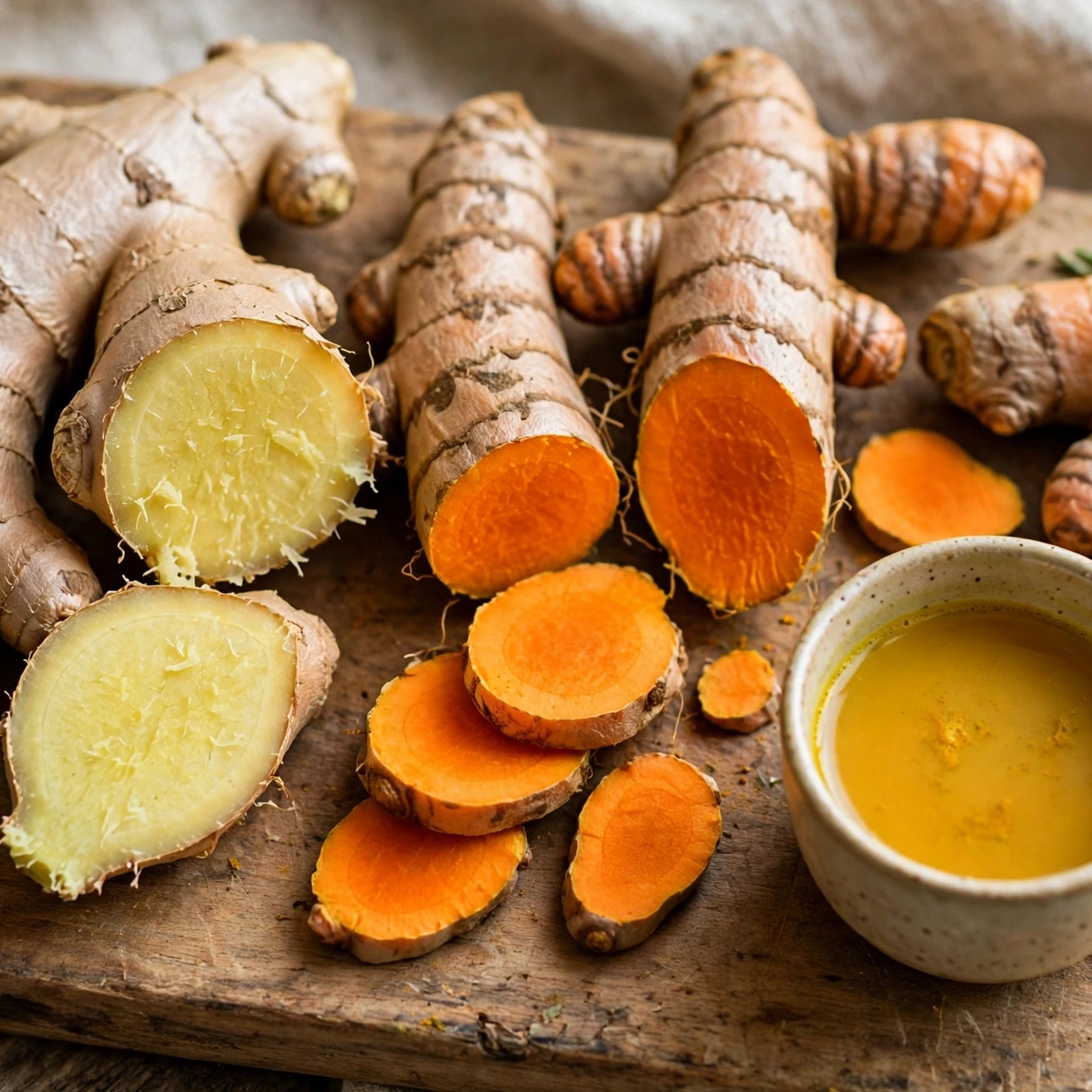
10. Ginger and Turmeric Root
Best For
Soups, teas, stir-fries, and dressings, when you want warm, peppery flavor.
How to Use It
Grate fresh ginger into stir-fries and dressings, simmer slices in broth for soup, and grate turmeric into rice, lentils, and roasted vegetables, wearing gloves to avoid stained hands.
Why You’ll Love It
Fresh ginger and turmeric bring a warmth that dried spices cannot quite match, and a small piece flavors a whole pot. Ginger adds brightness and heat, turmeric adds color and earthiness, and together they make simple winter food taste intentional rather than plain.
What to Look For
- Firm, smooth roots without soft spots
- Fresh ginger with thin, tight skin
- Fresh turmeric with deep orange flesh
- Fridge storage wrapped in paper
- Freezer storage, grated from frozen
- Good pairing with carrots and squash
- Good pairing with coconut milk and lime
- Peeling with a spoon edge for ginger
Flavor Profile
Warm, peppery, and aromatic, with ginger’s sharp brightness and turmeric’s earthy depth.
Helpful Tip
Freeze fresh ginger and grate it straight from frozen. It grates finer, lasts longer, and you never waste a wrinkled knob.
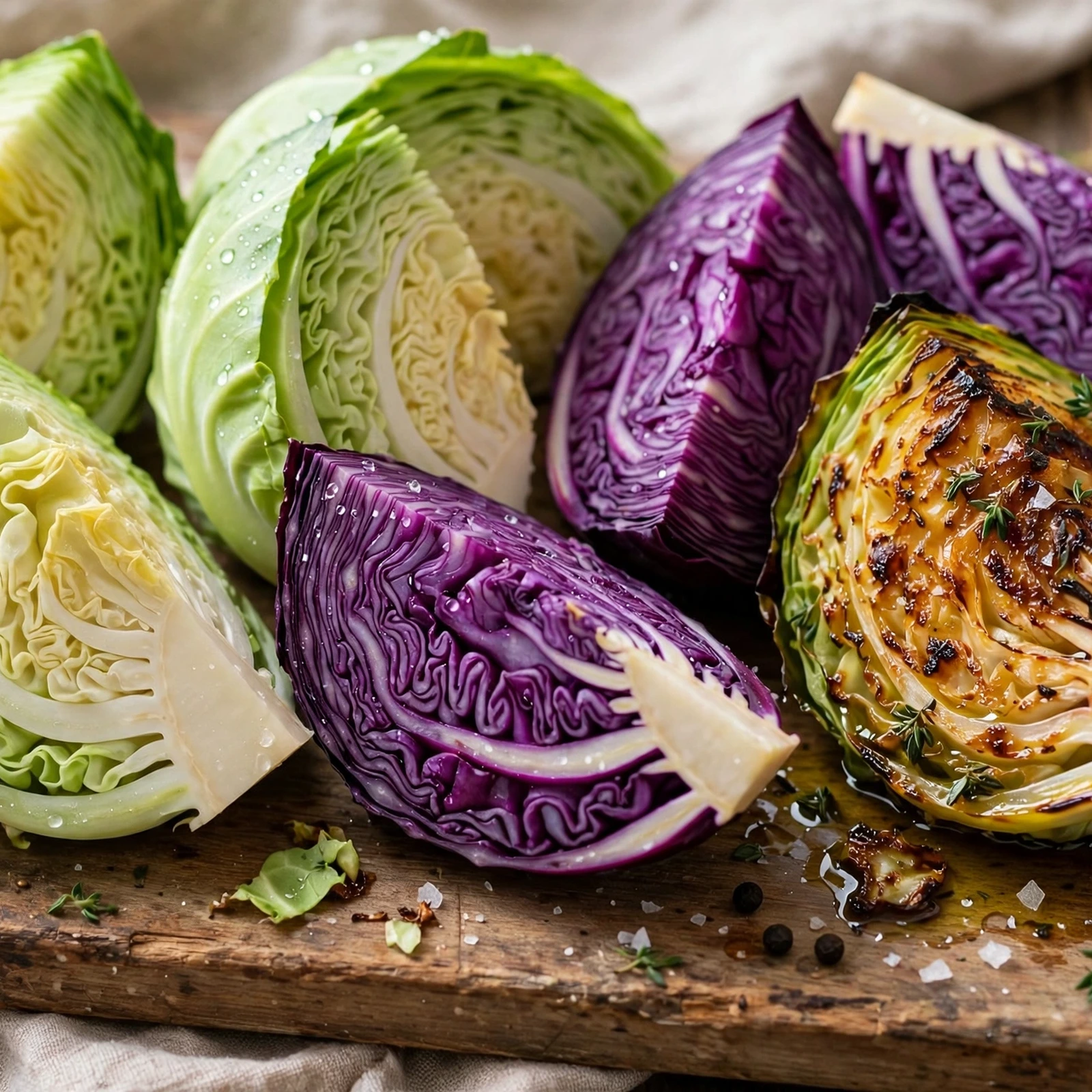
11. Cabbage
Best For
Slaws, braises, and soups, when you want an affordable vegetable that lasts for weeks.
How to Use It
Shred raw for slaw with citrus dressing, braise wedges slowly with onion and herbs, or stir shredded cabbage into soups and stir-fries where it softens and sweetens.
Why You’ll Love It
Cabbage is underrated winter food. It costs little, keeps for weeks in the fridge, and changes character completely with cooking: crisp and fresh raw, sweet and tender braised. A single head can become slaw, soup, and a stir-fry across the week.
What to Look For
- Heavy, firm heads with crisp leaves
- Green cabbage for everyday cooking
- Red cabbage for color in slaws
- Savoy cabbage for tender braising
- Whole-head fridge storage for weeks
- Good pairing with apples and vinegar
- Good pairing with caraway and herbs
- Cut faces wrapped tightly
Flavor Profile
Mild and slightly peppery raw, sweet and tender when braised or roasted.
Helpful Tip
Cut only what you need and keep the rest whole. A whole cabbage keeps far longer than a cut one.
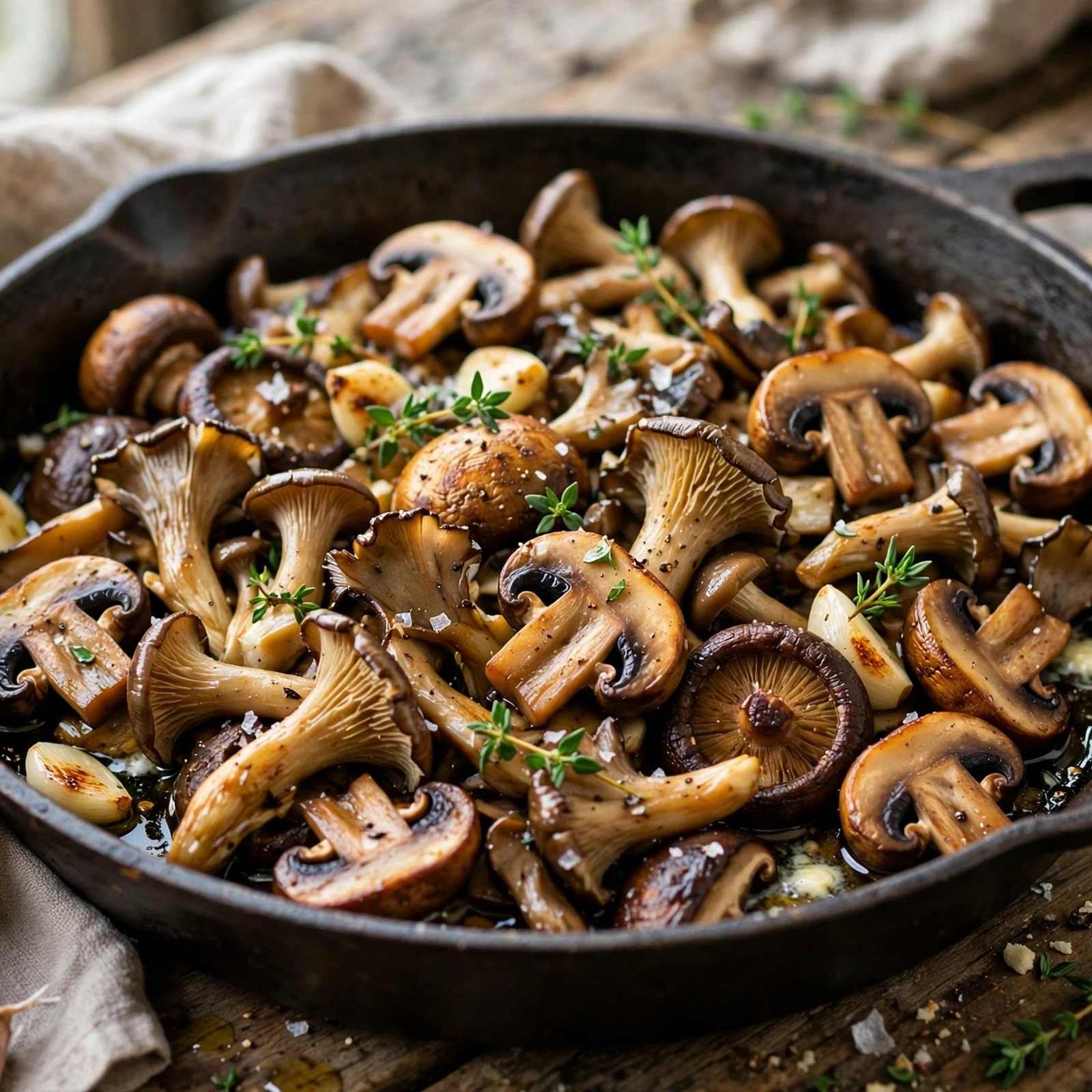
12. Mushrooms
Best For
Meatless mains, pastas, and soups, when you want deep, savory flavor.
How to Use It
Sear sliced mushrooms in a hot pan without crowding, roast whole caps with herbs, or simmer in lentil and barley soups for a rich broth.
Why You’ll Love It
Mushrooms give winter cooking its savory depth. They brown beautifully, soak up herbs and garlic, and make meatless meals feel hearty rather than light. Mixed varieties, from button to shiitake, give you different textures in the same dish.
What to Look For
- Firm caps without slimy spots
- Button and cremini for everyday cooking
- Shiitake for deeper flavor
- Portobello caps for roasting and stuffing
- Paper-bag fridge storage, not sealed plastic
- Good pairing with thyme and garlic
- Good pairing with lentils and barley
- Brushing clean instead of soaking
Flavor Profile
Deep, earthy, and savory, with a meaty texture when seared or roasted.
Helpful Tip
Do not salt mushrooms until they have browned. Salt draws out water early and stops them from crisping.
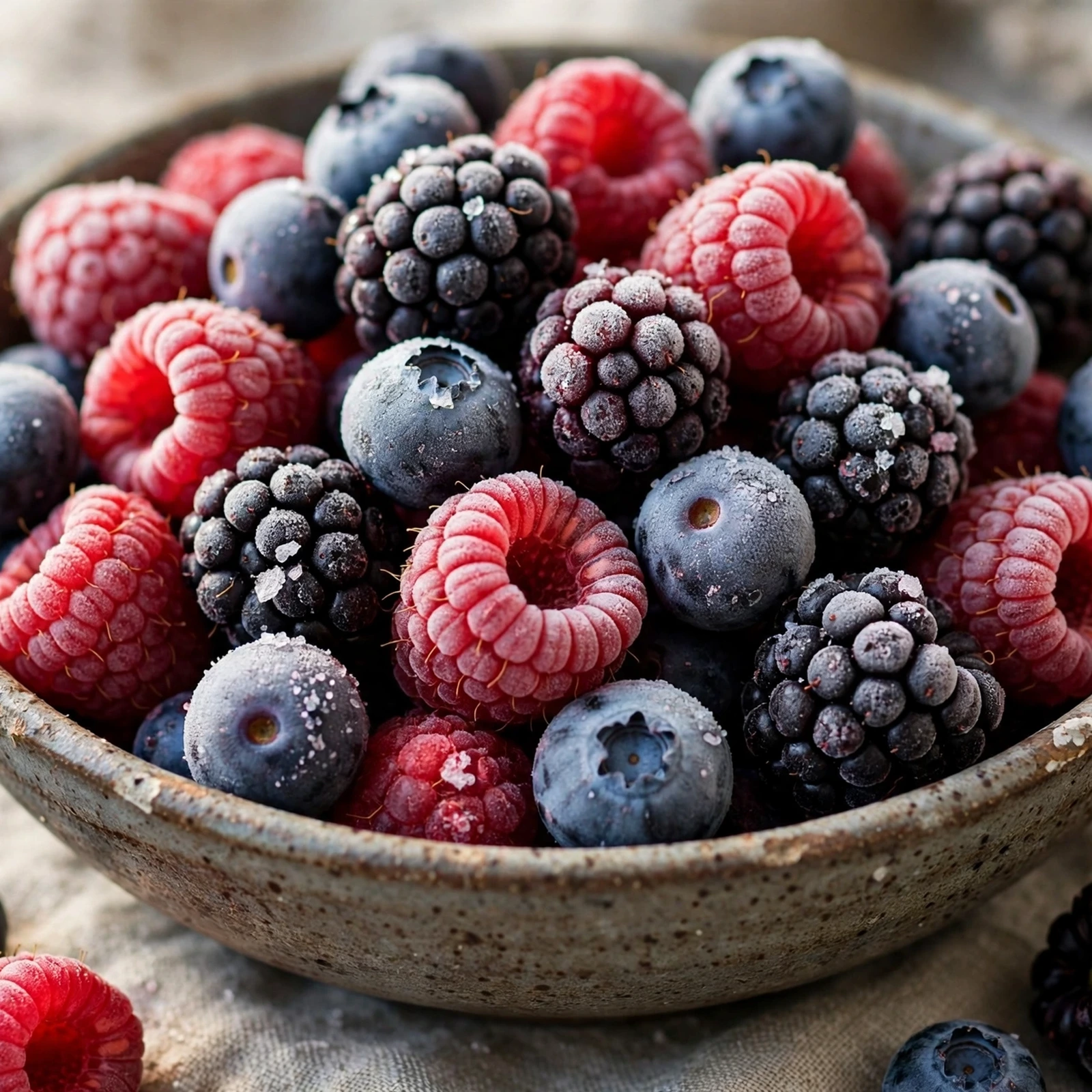
13. Frozen Berries
Best For
Breakfasts, smoothies, and simple desserts, when fresh berries are out of season or overpriced.
How to Use It
Stir into warm oats, blend into smoothies, bake into muffins and crumbles, or simmer briefly into a warm sauce for yogurt and pancakes.
Why You’ll Love It
Frozen berries are winter’s smart shortcut. They are picked and frozen at their peak, cost less than fresh out-of-season berries, and are ready any time, with no washing or sorting. A bag in the freezer means breakfast always has fruit, even on a snowy morning.
What to Look For
- Unsweetened bags without added sugar
- Mixed berries for oats and smoothies
- Blueberries for baking
- Raspberries for sauces
- Freezer storage with bags sealed tight
- Good pairing with oats and yogurt
- Good pairing with lemon and vanilla
- Use from frozen in most recipes
Flavor Profile
Sweet and tart, with bright berry flavor that survives cooking and freezing well.
Helpful Tip
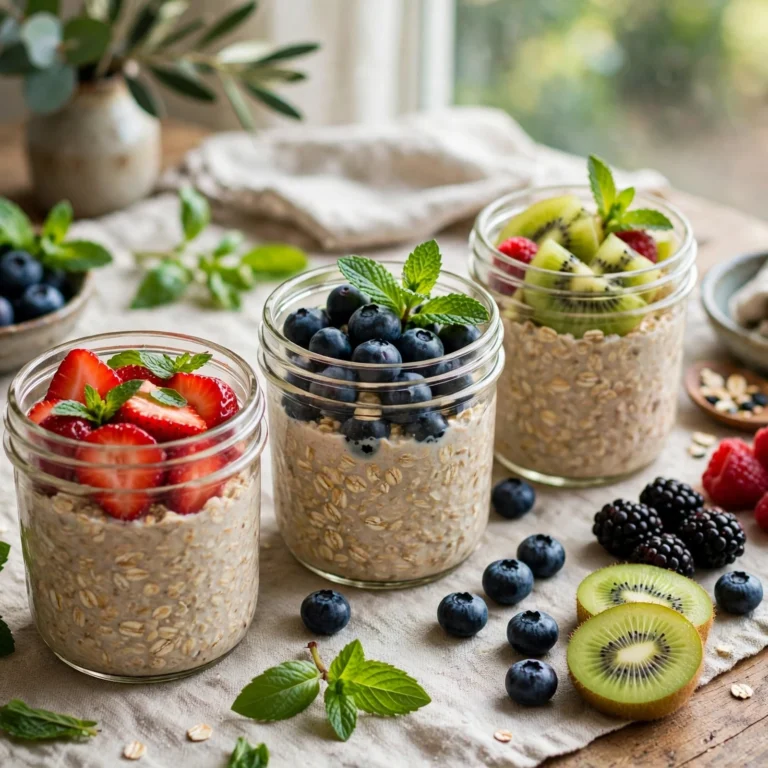
Add frozen berries to oats in the last few minutes of cooking. They thaw, tint the oats beautifully, and keep their shape better than if boiled from the start.
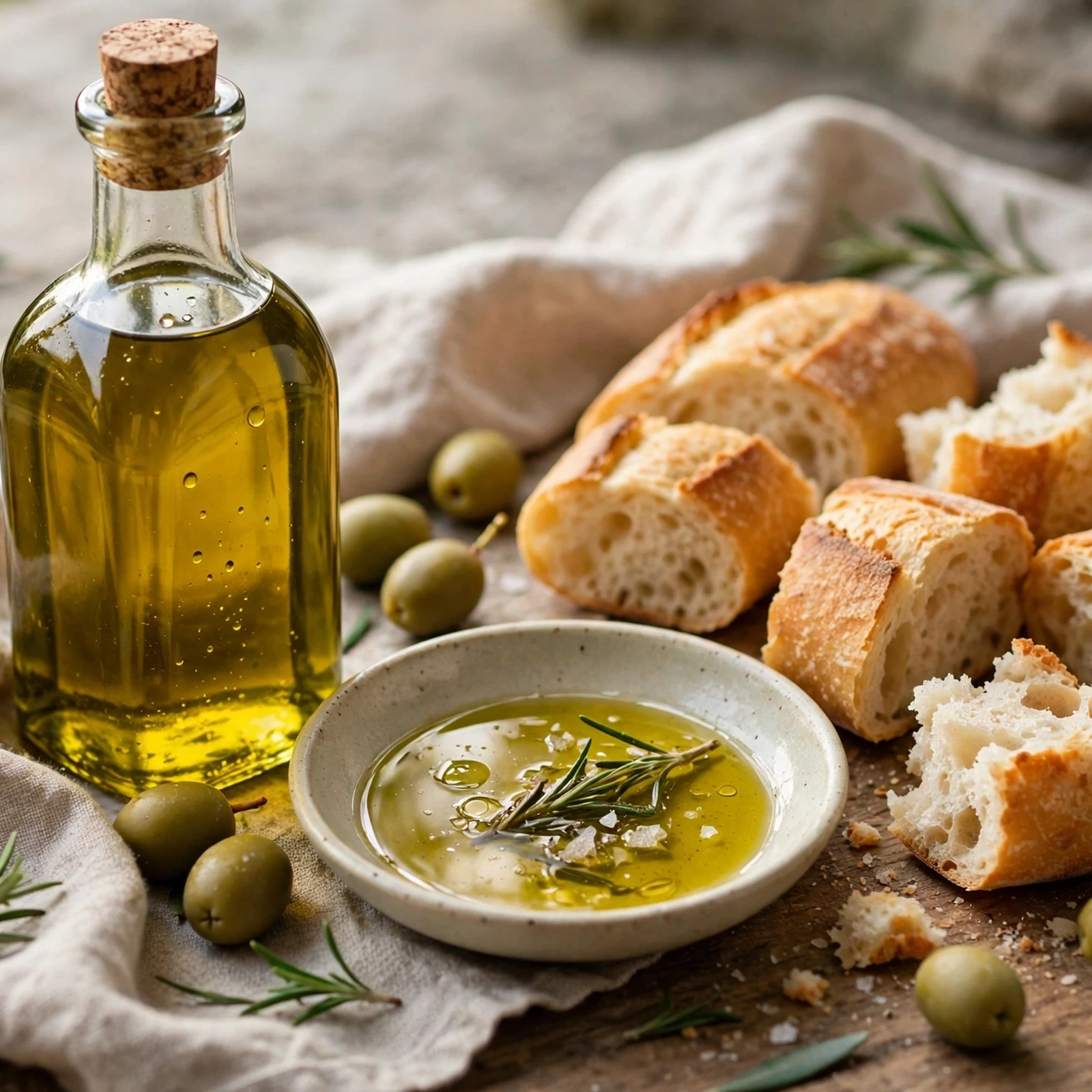
14. Olive Oil
Best For
Dressings, finishing, and gentle cooking, when you want flavor as well as fat.
How to Use It
Whisk with lemon and mustard for a salad dressing, drizzle over roasted vegetables and soups to finish, and use for gentle sautéing over medium heat.
Why You’ll Love It
Good olive oil is both an ingredient and a seasoning. A drizzle at the end of cooking adds a fruity, peppery note that ties a dish together, and a simple lemon and olive oil dressing makes raw and roasted vegetables taste finished. Keep one bottle for cooking and, if you like, a better bottle for finishing.
What to Look For
- Extra virgin for dressings and finishing
- Dark bottles that protect from light
- Harvest date on the label when available
- Cool, dark storage away from the stove
- Peppery finish as a sign of freshness
- Good pairing with lemon and herbs
- Good pairing with beans and greens
- Smaller bottles if used slowly
Flavor Profile
Fruity, grassy, and peppery, with a smooth richness that carries other flavors.
Helpful Tip
Taste your olive oil on a piece of bread before dressing a salad. If it tastes flat or stale, it will flatten the whole dish too.
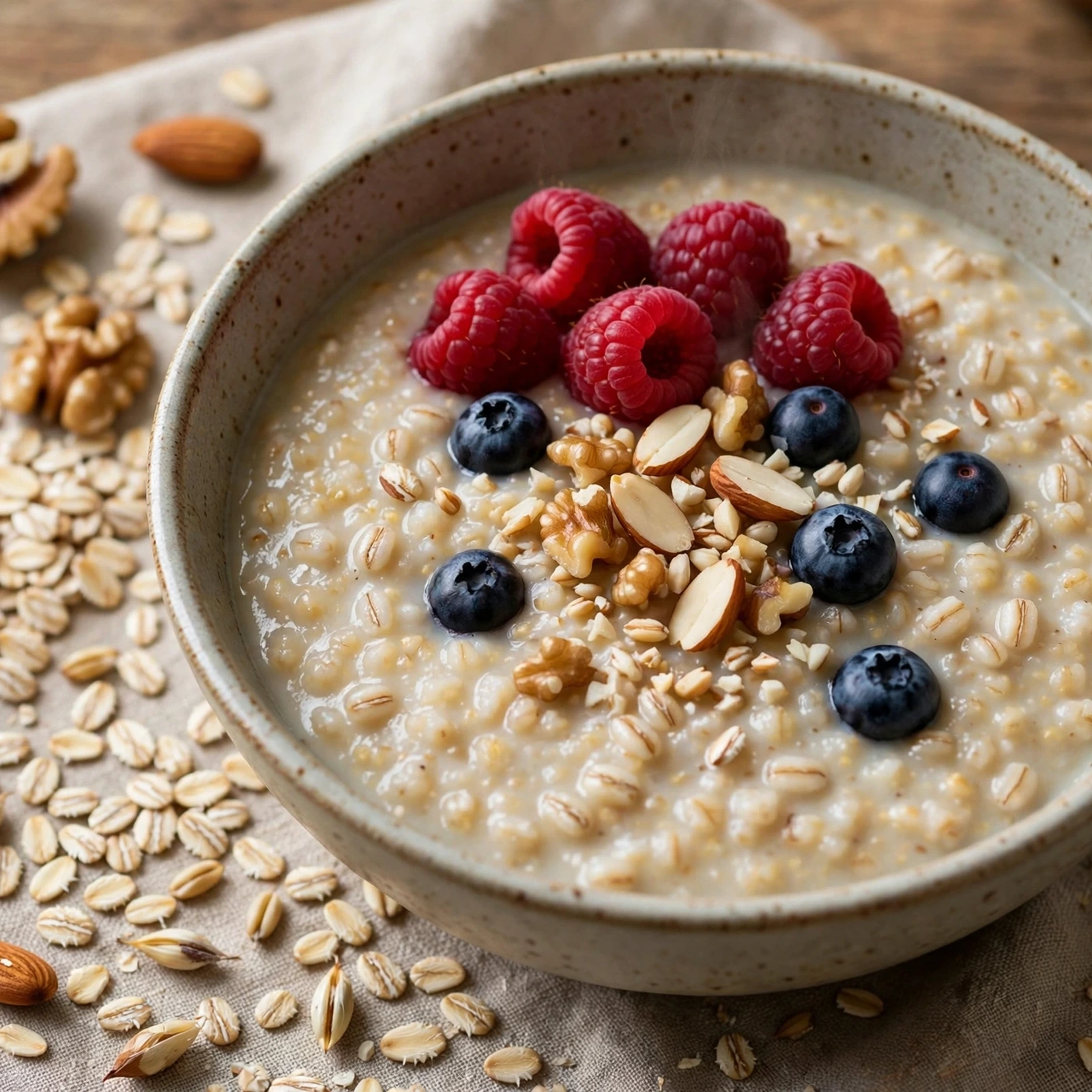
15. Oats and Barley
Best For
Breakfasts, soups, and grain bowls, when you want hearty, affordable whole grains.
How to Use It
Cook oats as porridge with fruit and nuts, simmer barley in vegetable and bean soups, or serve either grain warm under roasted vegetables and a dressing.
Why You’ll Love It
Oats and barley are winter pantry anchors. They are cheap, filling, and endlessly adaptable, sweet at breakfast with berries and cinnamon, savory at dinner with mushrooms and herbs. Both cook without fuss, and both reheat well, which makes them ideal for batch cooking.
What to Look For
- Rolled oats for quick porridge
- Steel-cut oats for weekend cooking
- Pearl barley for soups and salads
- Whole barley for chewier grain bowls
- Airtight pantry storage
- Good pairing with berries and nuts
- Good pairing with mushrooms and herbs
- Batch cooking and freezing in portions
Flavor Profile
Nutty and hearty, with a creamy texture in porridge and a chewy bite in soups and bowls.
Helpful Tip
Toast dry oats or barley in the pot for a minute before adding liquid. It deepens the nutty flavor with almost no extra work.
Which Winter Food Should You Try First?
If your pantry is nearly empty, start with lentils, oats, and sweet potatoes. They are cheap, forgiving, and combine into a dozen meals. If you already cook regularly, add citrus and fresh ginger next, because they improve everything else you cook. And if you want one change that makes winter salads exciting again, start with roasted beets and citrus segments.
Best Ingredients to Pair with Winter Foods
The best partners for winter foods are simple: olive oil, lemons, garlic, fresh herbs, nuts and seeds, and whole grains. Citrus brightens roots and greens, nuts add crunch to soft dishes, and herbs keep repeated ingredients tasting fresh. Keep these partners stocked and the fifteen foods above will never feel repetitive.
Meal Prep and Storage Tips
Roast a tray of roots and a tray of squash on Sunday and use them in bowls and salads all week. Cook a pot of lentils or barley and freeze half in portions. Wash and dry greens as soon as you buy them so they are ready to use, and store citrus at room temperature for the week you plan to use it. Soups keep three to four days in the fridge and up to three months in the freezer.
Common Mistakes
The most common mistake is buying every food on a list at once and letting half of it spoil. Start with five foods you know you will use. Another mistake is overcooking greens and Brussels sprouts until they turn dull and soft; high heat and short cooking keep them bright and crisp. Finally, do not skip seasoning: salt, lemon, and herbs are what turn a healthy ingredient into a meal you want again.
People Also Ask
Readers often ask whether winter produce can be as varied as summer produce, and the answer is yes, just differently: roots, greens, citrus, and stored squash replace tomatoes and stone fruit, and they suit richer cooking. Others ask about cost, and the cheapest winter foods, cabbage, lentils, oats, and roots, are also among the most versatile. Readers also ask how to avoid boredom, and the fix is usually a change of dressing, herb, or cooking method rather than a new ingredient.
Frequently Asked Questions
Are frozen vegetables and berries as useful as fresh ones in winter?
Yes. Frozen produce is harvested and frozen quickly, keeps well, and works beautifully in soups, oats, and smoothies, often at a lower cost than fresh out-of-season produce.
How many of these foods should I buy each week?
Start with five or six. That is enough for varied meals without waste, and you can rotate in different foods the following week.
Can I use these foods if I eat meatless meals?
Yes. Lentils, beans, nuts, seeds, eggs, and dairy-style options pair with all fifteen foods, and mushrooms and lentils make especially satisfying meatless mains.
What is the easiest way to start?
Pick one soup and one roast for the week, both built from foods on this list. Once those two meals feel easy, add a grain bowl or salad.
How do I store winter greens so they last?
Store them dry in a bag in the fridge, wash only what you need, and use tender leaves first. Hardy greens like kale and chard usually keep up to a week.
More Healthy Winter Recipe Inspiration
Once you have your favorite winter foods picked out, turn them into full meals with bowls and seasonal recipes built around the same ingredients.
- 20 Fall Anti-Inflammatory Harvest Bowls with Root Vegetables
- 25 Anti Inflammatory Bowls Packed with Whole Foods & Flavor
- 15 Anti-Inflammatory Pumpkin Recipes for the Fall Season
Conclusion
Winter cravings point you toward exactly the foods that make cold-weather eating satisfying: roasted roots, hearty greens, bright citrus, warm grains, and savory soups. Stock five or six favorites, learn a few simple ways to cook them, and let citrus, herbs, and olive oil keep them interesting. That is the whole approach, and it is enough to carry you through winter with meals you actually enjoy.